
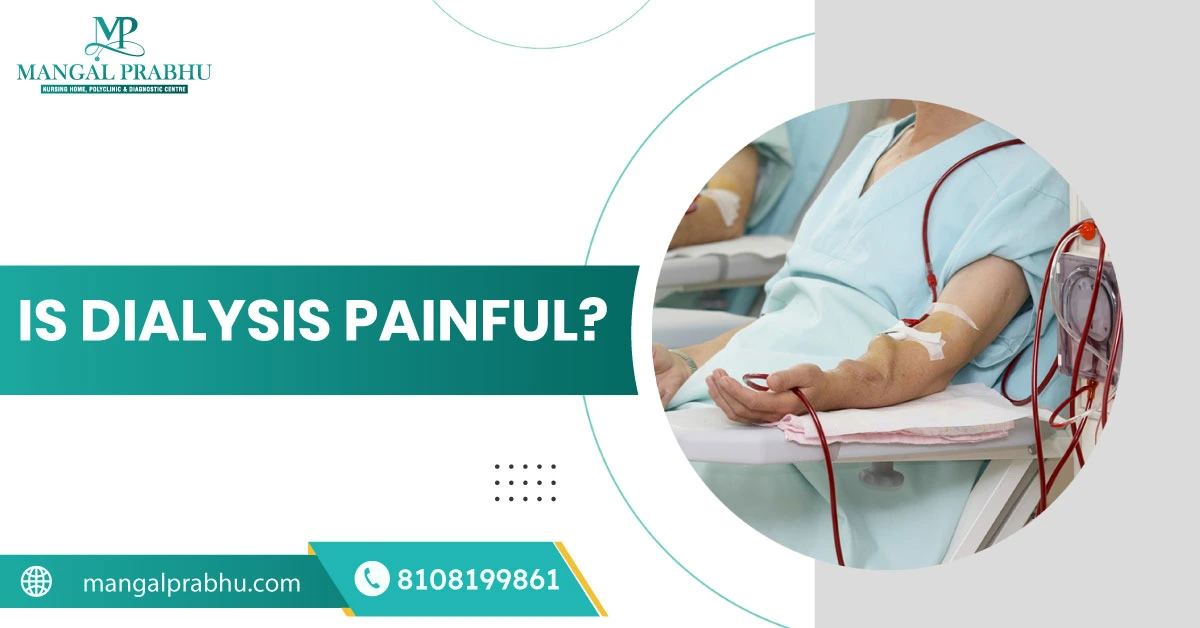
Is Dialysis Painful
Kidney diseases can affect people of any age. Dialysis is often recommended as the first line of treatment for people with failing kidneys. Although it may sound intimidating, dialysis is a life-saving procedure that carries away toxins from your body (a function that your kidneys can’t perform effectively).
A nephrologist in Navi Mumbai recommends dialysis until you are ready for a kidney transplant. Although it’s quite prevalent, there are many myths surrounding dialysis. One of those is that it hurts. In this post, you’ll learn whether dialysis is actually painful or is it just a myth.
A Quick Overview of Dialysis
Dialysis does the job of your kidneys, i.e., filtering excess fluid, salt, and waste from your blood. It’s classified into two types: hemodialysis and peritoneal dialysis. The former involves a machine that filters your blood outside your body, while peritoneal dialysis uses your abdominal lining to remove toxins using a cleansing fluid.
Is Hemodialysis Painful
People on hemodialysis might experience a slight sting when the needle is inserted through the fistula or graft. The pain is usually mild and subsides as soon as the needle is in.
Some patients become accustomed to cannulation, while others may continue to experience a stinging sensation. If it hurts, you can request your doctor to use a numbing cream or cold therapy for relief. You can also learn the cannulation technique and do it on your own. This can lessen pain.
During Dialysis
Apart from cannulation, the dialysis process itself doesn’t cause any pain. You will be able to read, watch TV, or even sleep peacefully as the machine does its job. If you’re having it at a dialysis center in Navi Mumbai, a care team will closely monitor you. They will answer your questions. You can also ask them to adjust the rate of fluid removal so you don’t feel much discomfort.
After Dialysis
Once it’s over, you may feel a little fatigued. However, the feeling is described as “tiring” instead of “painful”. Some people experience muscle cramps, dizziness, nausea, and vomiting due to the rapid fluid removal. Inform your healthcare team about the discomfort (if you have any), and they’ll adjust the session accordingly.
Is Peritoneal Dialysis Painful?
Peritoneal dialysis starts with a small surgical procedure to place a catheter inside your abdomen. This is done under anesthesia, so you won’t feel any pain immediately, but expect some soreness on the incision site until it heals.
When the cleansing fluid is filled into your abdomen, you might feel “full.” The feeling is similar to when you have had a big meal. It may seem strange initially, but you’ll get used to it over time. Peritoneal dialysis is comparatively gentler than hemodialysis. The pain is temporary (only until the surgical site has healed).
You can conduct it at home, at any time. The only concern is bacterial infection around the catheter site. This can cause abdominal pain, redness, swelling, pus, fever, and other symptoms. Make sure you follow good hygiene practices to prevent infection.
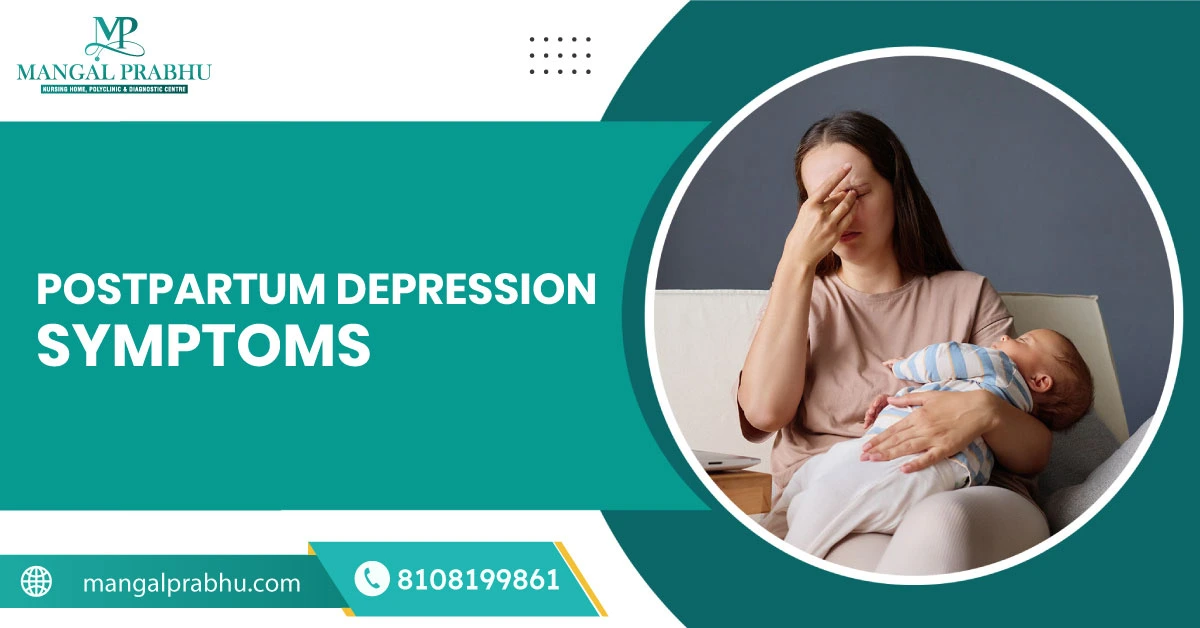
Postpartum Depression Symptoms
Giving birth to a baby you have carried for nine months might be the most beautiful experience for a mother. However, it comes with certain physical and emotional challenges. In this post, we have explored postpartum depression and its symptoms when you need a visit to the maternity hospital in Navi Mumbai. Let’s take a look.
What is Postpartum Depression?
Many moms experience baby blues, which include crying spells, restlessness, mood swings, and anxiety. These usually start a couple of days after delivery and last up to two weeks.
However, if your symptoms persist for weeks and worsen, it could be a more severe issue, such as postpartum depression. The question is, how do you know if what you are experiencing is just baby blues or depression? Watch for these symptoms of postpartum depression after delivery.
Symptoms of Postpartum Depression
Unlike baby blues, postpartum depression is not short-lived. It can start any time within the first year of giving birth, often within a few weeks after delivery.
The symptoms are often confused with those of baby blues, but they are more intense and can make your daily tasks difficult. Women with postpartum depression find it hard to take care of their babies or themselves. Here’s a quick overview of the common symptoms.
1. Low Mood
While sadness that occurs occasionally is normal after delivery, PPD involves a persistent low mood. Symptoms may include crying without a clear reason or not wanting to talk or share your feelings. This “feeling down” can affect your ability to manage your day-to-day responsibilities.
2. Loss of Energy
Another common sign of PPD is extreme fatigue. Loss of energy is not uncommon in postpartum mothers. However, if you feel exhausted even after resting for hours, you may have something more serious than the normal blues. Postpartum depression causes fatigue that makes it difficult to get up, perform small tasks, or simply hold your baby and feed them.
3. Sleep Issues
Mothers may find themselves unable to fall or stay asleep even when their babies are sleeping. Some may use sleep as a way to escape from their anxieties.
4. Feeling Worthless
Postpartum depression can bring about a feeling of worthlessness. Not being able to handle yourself and the baby can make you feel like you have failed your baby.
5. Anxiety
Most mothers worry about their babies, but PPD can worsen anxiety. You might feel worried all the time. Whether it’s your baby’s feeding patterns, their health, or changes to your body, anything can trigger anxiety in women with PPD.
6. Suicidal Thoughts
In severe cases of postpartum depression, mothers might develop suicidal thoughts. They might feel like hurting themselves won’t make any difference to anybody’s life, and will only make things easier for everyone. It’s essential to seek immediate postnatal care in Navi Mumbai if such thoughts cross your mind.
Physical exhaustion and hormonal changes in mothers after childbirth can lead to PPD. If you have the symptoms listed above, you are not alone. Remember, treatment for PPD is available. You, too, can enjoy motherhood like others.

Types of Vaginal Discharge and What They Mean
Every woman experiences vaginal discharge, which can vary in color, consistency, and odor. The discharge is mostly normal. It eliminates the dead cells and bacteria. Usually, vaginal discharge is clear and whitish but may appear slightly different depending on your menstrual cycle. In this post, we’ve elaborated on the types of vaginal discharge, what they mean, and when you should see a gynecologist in Navi Mumbai. Let’s get started.
Normal Vaginal Discharge
Your vaginal discharge can range from wet and slippery to thick and paste-like or even gooey. It may fluctuate depending on where you are in your menstrual cycle. It may also vary between women. Preteens and those near menopause might notice less discharge than women who menstruate. Factors like pregnancy, breastfeeding, and sexual arousal can also change its consistency, amount, and color.
If your vaginal discharge looks like the following, it’s normal:
- Clear like Egg Whites: If you are near your ovulation window, you might notice a clear, slippery discharge that looks like raw egg white. It’s your cervical mucus that helps sperm travel smoothly up the vagina to the fallopian tubes for fertilization.
- Watery: When you are sexually aroused, the glands in your vaginal wall may lubricate itself to make sexual encounters smooth and painless. This prevents friction during intercourse. It’s totally normal and healthy to have thin vaginal discharge in large amounts during arousal.
- White, Thick Discharge: A white or off-white discharge that appears thick and in a creamy texture is also considered normal so long as it’s not accompanied by vaginal itching or a burning sensation. This texture is common in the days leading up to your period.
Abnormal Vaginal Discharge
If your vaginal discharge doesn’t match the colors and consistencies mentioned above, it could indicate a potential issue in your reproductive tract. It’s best to visit a multispecialty hospital in Navi Mumbai if you notice vaginal discharge in these colors:
- Red, Brown, or Pink: Although these are normal during your period, any bright red discharge between your periods or after menopause must be evaluated by a healthcare expert. Pink discharge can sometimes indicate implantation bleeding. Brown discharge is common toward the end of your menstrual cycle, but if it happens outside your menses, it’s worth getting it checked.
- Yellow or Green: A light yellow discharge can be benign, but if it appears greenish and has a fishy odor, accompanied by other symptoms, Trichomoniasis— a sexually transmitted infection — may be the culprit.
- Gray: Gray discharge is often a hallmark sign of bacterial vaginosis (a bacterial infection). The condition requires antibiotics. Consult your gynecologist if you notice gray or off-white discharge with an unusual odor.
When to See a Doctor
Vaginal discharge greatly varies based on your hormonal fluctuations. From clear and slippery to thick and pale yellow, the colors and consistencies can be different at different points in your menstrual cycle.
What’s not normal is a strong, foul smell, itching, burning, swelling, gray or green discharge, bleeding outside your menstrual cycle, and painful sex and urination. These can signal an underlying issue, probably an infection, that requires medical attention.

What can Cause Hip Pain in a Woman
Hip pain can affect anyone, from adults to our grandparents. Pinpointing the root cause of the pain can be tricky. The only way to confirm the underlying cause of the intense hip pain is by visiting an orthopedic hospital in Navi Mumbai. In the meantime, let’s take a look at the common causes of hip pain in women.
1. Arthritis
Hip pain in women is often linked to arthritis, the inflammation of the joints, which can make movements super painful. As women grow older, the cartilage that protects their joints wears away.
The result is pain during movements. Arthritis affects your weight-bearing joints, including those in your knees and hips. The question is, what makes women more likely to develop it? The onset of menopause results in a decline in your estrogen levels, which are supposed to keep inflammation under control and improve bone density.
Treatment
Osteoarthritis is not curable but can be managed with lifestyle changes, NSAIDs, and corticosteroid injections if the pain is severe. If nothing works, you may need to see a hip replacement surgeon in Navi Mumbai to discuss hip replacement surgery for long-term relief.
2. Pregnancy-related Pain
Hip pain is quite normal during pregnancy. Your body releases the hormone relaxin to prepare your body for childbirth. Changes in your pelvic floor during pregnancy can cause hip pain. It resolves automatically after childbirth in some women, while in others, it lingers for a while.
Treatment
Pregnancy or postpartum-related hip pain is temporary. Lying on your back and using a pillow between your knees while resting can help relieve pressure in your hips. You can also try joint-stabilizing exercises, yoga, and acupuncture after discussing them with your gynecologist.
3. Hip Fracture
Fracture in younger women is linked to accidents or trauma. In the elderly, it may be due to the calcium loss that occurs over time. Low bone density and weaker bones can make them more prone to hip fractures. Women are more prone to fractures than men, as the declining estrogen can reduce bone density rapidly.
Treatment
Treatment for hip fractures depends on their location and severity. A simple fracture that doesn’t cause the bone to pierce through the skin can be corrected with medication and physical therapy. An open or compound fracture may require surgical intervention.
4. Bursitis
Bursae (fluid-filled sacs) are responsible for facilitating smooth joint movements. They are like soft pillows, cushioning your bones, tendons, and muscles so that they don’t rub against each other when you use the joint. These sacs can swell or become inflamed due to repetitive movements, poor posture, injury, excessive pressure, or overuse of the hip joint. Inflamed or infected bursae can cause intense shooting pain that radiates to your upper thigh. It’s accompanied by stiffness and tenderness.
Treatment
Bursae can be treated with non-invasive methods, such as anti-inflammatory medications, physical therapy, supportive footwear, and corticosteroid injections (when the pain is severe and persistent). Hip pain can have many underlying causes. It can be due to an injury or hormonal changes. The good news is most types of hip pain can be effectively treated with simple remedies, including rest, physical therapy, and medication. See a healthcare provider to learn more about treatment options for hip pain.

List of Foods You Must Avoid After Appendix Surgery
Nutrition is one of the most crucial elements of your post-operative care after appendix removal surgery in Navi Mumbai. Your food choices can significantly impact your healing and overall health. The ideal diet after any surgery is gentle and light, providing all the necessary nutrients for a smooth recovery.
You can start with liquids, such as soups and fruit juices. Gradually, you can add semi-solid foods. To help you know what’s safe and what’s not, we’ve shared a list of foods you should avoid after appendix surgery. Here’s a look:
Foods You Must Avoid After Appendectomy
Your digestive system needs time to heal after appendix removal. Making the right food choices can fulfill your body’s nutritional requirements while preventing digestive discomfort and post-surgical complications.
1) Spicy Foods
Spicy foods, such as spicy curries, chili sauce, and hot wings, aren’t the best choice after appendix surgery. Your digestive tract is pretty delicate. Eating spicy foods can irritate it further, causing heartburn, acidity, bloating, and abdominal discomfort. It can also lead to loose stools.
2) Greasy Foods
Greasy or fried foods are a big no-no after surgery. While it may sound tempting to eat fried chicken, samosas, or French fries, they contain a substantial amount of unhealthy fats that aren’t easily digested. These foods can strain your stomach and can lead to indigestion, diarrhea, heartburn, acid reflux, and bloating.
3) Dairy Products
Dairy products, especially full-fat milk, cream, and cheese, do not break down easily. Additionally, some people become lactose-intolerant after surgery, so their stomach may not be able to handle high-fat dairy products. Dairy products can cause stomach issues, like loose motion, bloating, and gas. Consider replacing it with low-fat milk, in small amounts, and only if your body tolerates it well.
4) Processed Foods
Processed foods are harder to digest and have little nutritional value. The high sodium content, combined with unhealthy fats, preservatives, and artificial flavors, is bad for your health. The lack of vitamins, minerals, and fiber in processed foods can slow down the healing process. They are also associated with post-surgical complications, such as constipation. Examples include frozen meals, chips, and instant noodles.
5) Carbonated Drinks
Carbonated or fizzy drinks have bubbles that can fill your abdomen with gas, causing bloating. This can cause discomfort after surgery. Carbonated beverages also have a high amount of sugar and caffeine, both of which can take a toll on your health. Replace cola, soda, sparkling water, and other carbonated beverages with plain water, lemon water, and fruit juices.
6) Sugary Foods
Your body is already struggling with post-surgical inflammation. You don’t want to increase the inflammation by adding sugary foods to your diet. Besides, it has zero nutrients. No vitamins, minerals, or other healthy nutrients you need during recovery. The empty calories in sugar will only make you feel tired.
7) Alcohol
The worst drink you can have after an appendectomy or any surgery is alcohol. It not only upsets your stomach but can also interfere with your medication, delaying healing. Even a small amount can affect your recovery, so avoid it completely.
A general surgeon in Navi Mumbai can prepare your diet chart for the recovery phase. Follow it and report any unusual symptoms to your surgeon.

What is a 21-day Chemo Cycle?
Chemotherapy is a popular and highly effective treatment for cancer. It consists of a combination of drugs that are administered over several months to kill rapidly growing cancer cells. It’s combined with surgery, immunotherapy, radiation, and other medical procedures to improve the treatment’s success rate. At a chemotherapy center in Navi Mumbai, oncologists typically follow a 21-day chemo cycle. To know what it is and how it helps patients fight cancer, read on.
What is a 21-day Chemotherapy Cycle?
A chemotherapy cycle refers to the gap between the two cycles. Between these cycles, you will be allowed a period of rest, which allows your body to heal from the side effects of chemotherapy and recover before the next cycle begins.
For instance, if you have a 3-week (21-day) chemo cycle, the medication will be administered on days 1 and 8, with resting periods from day 2 to day 7 and from day 9 to day 21.
If it’s a 4-week-long cycle, the oncologist may start you on medication from day 1 to day 3, followed by a resting period from day 4 to day 28. That’s a standard treatment cycle for cancer patients. The doctor may tweak it depending on your individual case. For instance, the ideal chemo cycle length depends on your physical health, cancer type, how aggressive it is, and where it started.
Why are Chemotherapy Drugs Given in Cycles?
Chemotherapy consists of a combination of medicines that are selected based on years of research and clinical trials. The treatment is personalized for each patient. The goal is to kill aggressively spreading cancer cells without harming healthy tissues, which is why it’s often administered in cycles over weeks or months.
Chemotherapy is known for killing fast-growing cells in your body. So, in addition to the cancer cells, it can affect healthy cells, like those in your digestive tract. With the procedure divided into cycles, it’s easier for the doctor to kill cancer effectively while allowing brief periods of relief to the patient and the time needed for their normal cells to recover from the damage.
Tips for Recovery Between Chemotherapy Cycles
An oncologist will explain some lifestyle changes to cope with the chemotherapy’s side effects and ensure faster healing between each cycle. Meanwhile, you can follow these standard tips after a chemotherapy cycle:
- Get adequate sleep
- Rest as much as your body needs
- Eat smaller meals multiple times a day
- Have a balanced diet
- Stay hydrated
Adjusting the Cycles
As mentioned earlier, an oncologist in Navi Mumbai will customize the treatment based on your health and cancer type. They might adjust the cycles or the drug type, depending on how you cope with chemotherapy and how effective the treatment has proven so far.
For some patients, chemotherapy starts after surgery to destroy leftover cancer cells that may have broken away from the tumor site. It minimizes the risk of a cancer relapse.
In some patients, the procedure starts before your surgery to reduce the tumor size, making it removable via surgery. Chemotherapy continues after surgery to kill the remaining cells, especially if they have spread beyond the origin.

How Soon Is It Safe to Walk After Hernia Surgery?
Hernia repair surgery in Navi Mumbai is considered an effective treatment for preventing recurrent hernia and its complications. During surgery, your weakened abdominal wall, through which the hernia protrudes, is repaired and reinforced with a mesh. The tissue that pokes through the weakened muscle is pushed back into its original place, and the incision is closed.
A common question that patients ask is, How soon can I walk after hernia surgery? The good news is that you are advised to walk on the same day as the surgery. To know more about physical activities you can and can’t engage in, read on.
When to Start Walking After Hernia Repair?
Walking is the first step in your transition to normal life after a major surgery. Whether you have had an open hernia surgery or a laparoscopic procedure, walking is recommended shortly after the procedure, usually when the effects of anesthesia wear off.
Here’s why doctors advise you to get back on your feet as soon as you have regained consciousness:
- Promotes blood circulation
- Prevents blood clots (These can travel to the lungs and get trapped in an artery, blocking blood flow)
- Prevent constipation
Your initial walk will be short and only a few steps. It’s best to take things slow initially, as you are still healing from a major surgery. You can increase the intensity over time.
Tips for Ensuring a Safe Walk
Here are a few tips for walking safely and cautiously after hernia surgery:
- Talk to Your Surgeon: A general surgeon in Navi Mumbai will schedule your follow-up visits to check your progress and the wound. If you are doing well and feeling comfortable, you’ll get a green light to begin walking.
- Walk on a Slip-Resistant and Safe Floor: For the first few weeks, walk on a flat and stable surface. Avoid slippery platforms or uneven paths, as they can increase the risk of tripping.
- Use Walking Aids: Have walking support to minimize the risk of accidents. You can bring a partner for support or use walking aids, like a cane, to practice safe walking.
- Listen to Your Body: Avoid overexertion. If you feel tired, rest. If you don’t feel like walking, avoid it. Do what your body allows you to do.
It’s important to know what’s safe and what must be delayed. For instance, while walking is generally recommended shortly after surgery, you may not be allowed to climb stairs, jump, run, or walk for long distances for the first few days.
What to Avoid After Hernia Surgery
By the third and fourth week, you will feel much better. You will get back to your normal life and resume most activities, including walking multiple steps a day. However, avoid strenuous tasks or activities that can strain the incision site. Here’s what to avoid:
- Heavy lifting
- High-intensity workout sessions
- High-impact movement
- Activities that involve sudden twists
Walking after a hernia surgery might sound scary, but it’s an essential part of your recovery. Your surgeon will provide detailed guidelines on which physical activities are safe and when to return to your regular lifestyle.

3 Principles of Dialysis
Dialysis treatment in Navi Mumbai is a life-saving procedure for patients whose kidneys are failing. When your kidneys aren’t filtering your blood like they should, your doctor may recommend treatment options, like a kidney transplant or dialysis.
The process mimics your kidney function by removing excess waste and fluid from your blood. If you have ever wondered about the science behind dialysis, this post explains the three principles of dialysis that will help you understand the finer details of the process. Let’s get started.
Principle 1: Diffusion
The first step of dialysis is diffusion — a process that removes excess waste (such as creatinine, high potassium content, urea, toxins from food processing, and other waste products from your bloodstream. The small waste particles are drawn toward the area of low concentration (dialysate, in this case)
The waste moves to the dialysate, a liquid solution containing little to no waste, through the filter. The amount and type of waste transferred to this drug solution depend on the membrane’s holes (through which the waste passes while the essential cells and proteins stay in the body).
Principle 2: Osmosis
Osmosis may sound like a complex term, but it’s a straightforward process. In dialysis, excess fluid is removed from the blood through dialysate. The solution is carefully prepared with glucose, electrolytes, and other solutes so that it can pull water from your blood toward the other end of the filter, i.e., into the dialysate solution.
In other words, the water moves from the area containing low solutes to the area with a high concentration of solutes. The goal is to move excess water from the blood to dialysate so that a healthy fluid and electrolyte balance is achieved.
Why It’s Important
People with failed kidneys struggle to eliminate excess water from their bodies through urine. Water retention can lead to various health issues, including high blood pressure, swelling, and cardiovascular problems. Osmosis helps release this excess fluid from your body through a special dialysate solution to prevent these issues.
Principle 3: Ultrafiltration
The third and most crucial principle of dialysis is ultrafiltration. It’s a controlled way of drawing out just the right volume of fluid from a patient’s body so they can function normally and get relief from swelling (if there’s any).
Why It’s Important
Some patients might develop fluid weight between dialysis sessions. Through ultrafiltration, the professionals at the dialysis center in Navi Mumbai adjust the dialyzer and dialysate to efficiently remove small waste particles and fluid.
Conclusion
Dialysis may seem like a complicated procedure, but it works on three simple principles: Diffusion, Osmosis, and Ultrafiltration. The primary purpose of the procedure is to enable your kidneys to function as they should, so your body can continue to function properly even when your kidneys fail.
Dialysis is often considered a temporary solution to kidney issues. Once the patient finds a donor, a kidney transplant is a better and long-term alternative that can significantly improve their quality of life.

Types of Newborn Care
Nothing can match the feeling of seeing your little bundle of joy for the first time. However, caring for newborns, bathing them, breastfeeding, and watching out for unusual signs might be too overwhelming for the first-time mother. It’s important to follow the instructions of a pediatrician in Navi Mumbai to keep yourself and your baby healthy. Below, we’ve curated a detailed guide on the types of newborn care that every mother should know.
Basic Physical Care
Your baby doesn’t need daily bathing, at least not until the stump falls off. Bathe them once or twice a week with warm water and gentle soap. Make sure you support their head and neck when bathing them. Do not insert anything into their ears. Do not touch the stump or apply any pressure on it. It should fall off automatically.
In the first few weeks, you may have to change your baby’s diapers 8-10 times. Make sure you check their diapers often. Change them when they appear wet or are soiled. Wipe the area (front to back) gently with a damp cloth or gentle baby wipes.
Feeding and Sleep Patterns
An important change in a new mom’s life is establishing a feeding routine. Here’s what you should know about different feeding options.
Breastfeeding Vs. Formula Feeding
Most mothers attempt to initiate breastfeeding as soon as their babies are born. The milk produced right after childbirth is called colostrum, a thick yellowish liquid that’s full of nutrients and antibodies. It improves your child’s digestion and prevents the risk of infection.
While breastmilk is perfect for your baby, mothers who can’t breastfeed due to medical reasons or those who choose not to breastfeed can feed their babies formula milk. It’s packed with the nutrients your baby needs to grow. Your newborn will demand a feed every 2-3 hours.
Sleep Patterns and Routines
The biggest challenge for new moms is establishing their newborn’s bedtime routine. Babies’ sleep habits almost never align with those of their mothers. Your baby might be awake when you are asleep and sleep when you are up. It may be harder to build their sleep routine initially.
So, it’s best to sleep when they are asleep. Typically, newborns sleep 14-17 hours a day, but not at once. Give them a warm bath, dim your room’s lights, and sing them a soft song to put them to sleep at night.
Health and Medical Care
All babies go through screenings after birth, even the healthy ones. You also need to take them to the children’s hospital in Navi Mumbai for vaccination. Vaccines protect them from hepatitis, polio, DTP, and Hib. Your baby doesn’t need medical attention for minor issues, like gas or colic. Here’s when you should take them to a pediatrician:
- High fever
- Refusal to eat
- Sleeping more than usual
- Difficulty breathing
- Chest retractions
- Rash that seems to be spreading all over their bodies
If anything seems off, it’s best to call your pediatrician. It’s also important to take care of yourself to stay healthy.
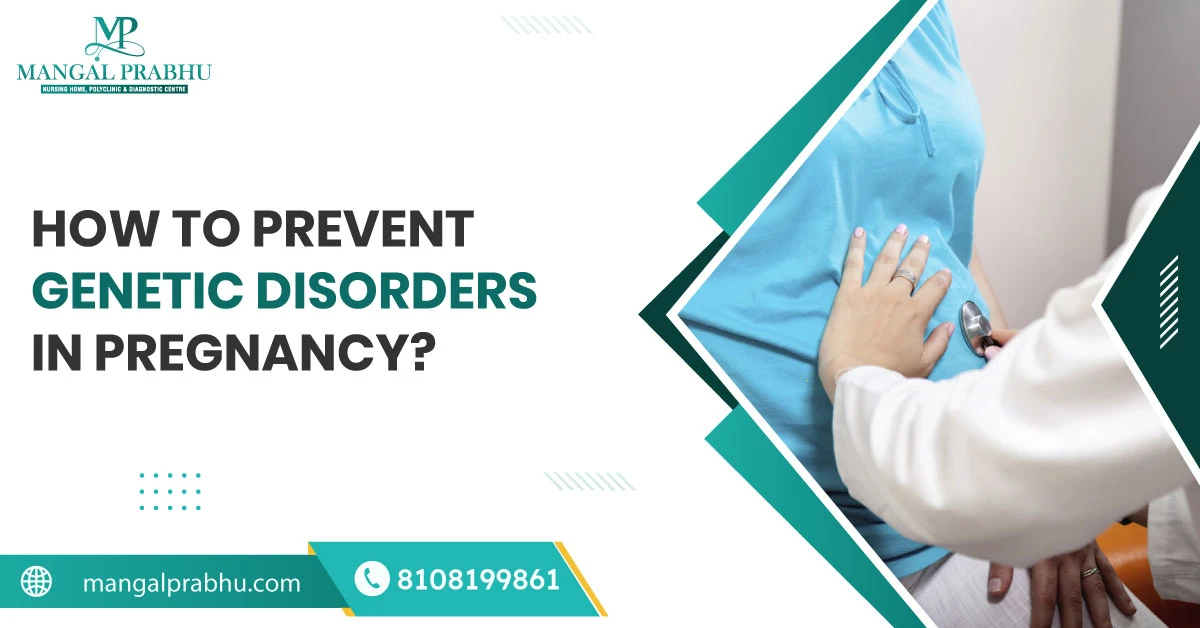
How to Prevent Genetic Disorders in Pregnancy?
Abnormalities in the baby’s DNA can lead to birth defects. Certain birth defects are also linked to chromosomal abnormalities, which can cause miscarriage or might result in a baby being born with abnormalities. Unfortunately, there’s no guaranteed way to prevent all kinds of genetic disorders in a baby, but with proper pregnancy management in Navi Mumbai, it’s possible to mitigate your risk of giving birth to a baby with genetic disorders. Here’s how.
Understanding Genetic Disorders
A baby can be born with genetic disorders if either parent has one. It can be a chromosomal abnormality, i.e., the baby might have an abnormal pair of chromosomes or a genetic illness that runs in the parents’ families. The birth defects can lead to physical deformities or chronic illnesses. Examples include single-gene disorders, Down Syndrome, Spina Bifida, and Sickle Cell Anaemia. Certain birth defects can slow a baby’s development, affecting their speech, motor, or social skills.
Preconception Planning
Preconception counselling is an essential part of your pregnancy. That’s specifically needed for couples with either partner having a family history of a genetic disorder. Knowing the risk factors and the likelihood of passing the genetic disease to the offspring will help you decide whether to proceed with conception or switch to alternative options like IVF and surrogacy.
IVF with preimplantation genetic testing (PGT) can reduce the risk of passing on defective genes to your baby. The procedure selects the healthiest embryo for implantation. During your visit to the maternity hospital in Navi Mumbai, make sure you specify any genetic disease in your family. Your gynecologist will run tests accordingly.
Prenatal Screening and Testing
Your healthcare provider will order ultrasounds and blood tests in the first and second trimesters to detect birth defects in the baby. These tests, including an anomaly scan, which checks the baby’s growth and potential anomalies, so parents can make an informed decision before the child is born.
Noninvasive prenatal testing (NIPT) assesses the likelihood of the baby being born with Down Syndrome. Other screenings, such as ultrasounds, amniocentesis, and Chorionic Villus Sampling, give detailed reports of the baby’s health.
Healthy Lifestyle Choices
Apart from medical help, you can do a lot at home to minimize the risk of birth defects in your baby. Here’s what can help:
- Get the Recommended Amount of Folic Acid: Folic acid is the most essential nutrient that an expecting mother needs to prevent brain and spinal defects in their baby. The recommended dosage is 400–800 micrograms daily, starting at least a month before pregnancy and continuing throughout the pregnancy.
- Avoid Harmful Substances: Tobacco, cigarettes, and drugs can be intensely risky for your little one. Alcohol, particularly, can cause birth defects and developmental delays, making it the most hazardous thing to consume during pregnancy. You must also steer clear of radiation, toxins, and drugs (excluding those recommended by your gynecologist).
- Nutrition and Hydration: A good diet and hydration are key to a healthy pregnancy. A diet full of the right nutrients will promote your baby’s growth and lower the risk of birth defects.