
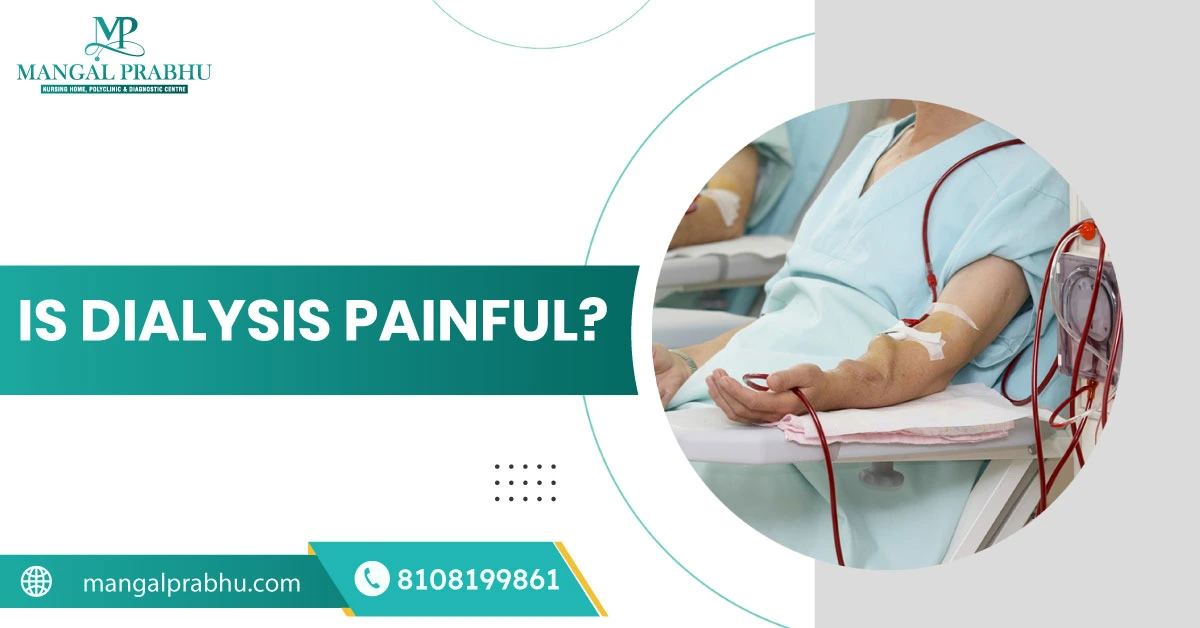
Kidney diseases can affect people of any age. Dialysis is often recommended as the first line of treatment for people with failing kidneys. Although it may sound intimidating, dialysis is a life-saving procedure that carries away toxins from your body (a function that your kidneys can’t perform effectively).
A nephrologist in Navi Mumbai recommends dialysis until you are ready for a kidney transplant. Although it’s quite prevalent, there are many myths surrounding dialysis. One of those is that it hurts. In this post, you’ll learn whether dialysis is actually painful or is it just a myth.
A Quick Overview of Dialysis
Dialysis does the job of your kidneys, i.e., filtering excess fluid, salt, and waste from your blood. It’s classified into two types: hemodialysis and peritoneal dialysis. The former involves a machine that filters your blood outside your body, while peritoneal dialysis uses your abdominal lining to remove toxins using a cleansing fluid.
Is Hemodialysis Painful
People on hemodialysis might experience a slight sting when the needle is inserted through the fistula or graft. The pain is usually mild and subsides as soon as the needle is in.
Some patients become accustomed to cannulation, while others may continue to experience a stinging sensation. If it hurts, you can request your doctor to use a numbing cream or cold therapy for relief. You can also learn the cannulation technique and do it on your own. This can lessen pain.
During Dialysis
Apart from cannulation, the dialysis process itself doesn’t cause any pain. You will be able to read, watch TV, or even sleep peacefully as the machine does its job. If you’re having it at a dialysis center in Navi Mumbai, a care team will closely monitor you. They will answer your questions. You can also ask them to adjust the rate of fluid removal so you don’t feel much discomfort.
After Dialysis
Once it’s over, you may feel a little fatigued. However, the feeling is described as “tiring” instead of “painful”. Some people experience muscle cramps, dizziness, nausea, and vomiting due to the rapid fluid removal. Inform your healthcare team about the discomfort (if you have any), and they’ll adjust the session accordingly.
Is Peritoneal Dialysis Painful?
Peritoneal dialysis starts with a small surgical procedure to place a catheter inside your abdomen. This is done under anesthesia, so you won’t feel any pain immediately, but expect some soreness on the incision site until it heals.
When the cleansing fluid is filled into your abdomen, you might feel “full.” The feeling is similar to when you have had a big meal. It may seem strange initially, but you’ll get used to it over time. Peritoneal dialysis is comparatively gentler than hemodialysis. The pain is temporary (only until the surgical site has healed).
You can conduct it at home, at any time. The only concern is bacterial infection around the catheter site. This can cause abdominal pain, redness, swelling, pus, fever, and other symptoms. Make sure you follow good hygiene practices to prevent infection.