
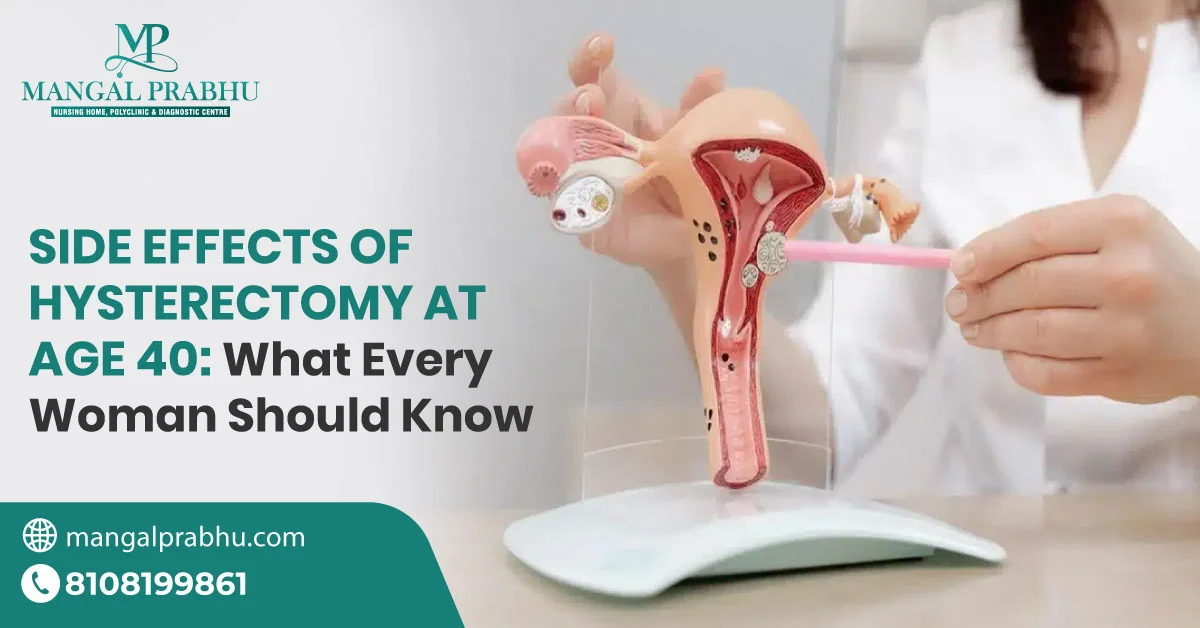
Side Effects of Hysterectomy at Age 40: What Every Woman Should Know
Undergoing hysterectomy surgery in Navi Mumbai in your 40s isn’t something you may have anticipated. However, this age brings many changes in your physical and emotional health, and sometimes, tough medical decisions.
For many women, a hysterectomy is not a choice. It’s a life-saving treatment that seems like the only solution to chronic pelvic pain, fibroids, heavy and prolonged bleeding, or other uterine issues that won’t respond to medication. The real question is, what happens after having a hysterectomy at 40? Does it come with side effects?
Hysterectomy: The Procedure and Types
Hysterectomy, in simple words, is the surgery to remove your uterus or womb — the organ where a baby grows during pregnancy. Now, the uterus may not be the only reproductive organ removed during the procedure.
Depending on the underlying medical issue or your current diagnosis, a gynecologist in Navi Mumbai may remove the uterus with cervix and, in some cases, ovaries. The changes in your overall hormonal and physical health after a hysterectomy depend on the type of surgery.
If only the uterus and cervix are removed (total hysterectomy), your hormonal function will be largely preserved, but your periods will stop permanently, and you won’t be able to get pregnant.
If ovaries are also removed (oophorectomy), you will enter menopause immediately, even if you are just 40. That will trigger menopause symptoms, such as hot flashes, mood swings, sleep disturbances, and long-term effects on your bone health.
Common Side Effects of Hysterectomy at 40
Here are the common side effects linked to a hysterectomy.
1. Early Menopause
Many women who undergo a hysterectomy also have their ovaries removed. Your ovaries produce estrogen. With ovaries removed, the estrogen level drops rapidly. The sudden drop triggers early menopause, which in turn triggers menopausal symptoms, which are much more intense than natural menopause.
2. Hormonal Changes
Even with your ovaries intact, they may not function the same as before. With the surrounding support structure removed, your ovarian function may be slightly reduced. Your periods may stop, but hormones might fluctuate. Menopause may arrive earlier with a hysterectomy, but not immediately. So, there still will be a gradual transition.
3. Emotional Changes
Hysterectomy doesn’t just bring physical changes, but can also affect your emotional health. While the surgery may offer relief from chronic pain or bleeding, making your life smoother, women also feel a sense of loss. That’s especially true in women who are still of reproductive age. At 40, a hysterectomy can stir feelings of anxiety, sadness, and emotional shifts that can affect your mental health silently.
4. Changes in Sexual Life
Many women report an improved sexual life after a hysterectomy, especially if they experienced pain during sex earlier. That said, many experience reduced libido due to hormonal changes and vaginal dryness.
Hysterectomy at the age of 40 may seem overwhelming, but it’s a safe and life-saving treatment. Rest assured that with the right guidance and proper treatment, you can live a healthy and fulfilling life after a hysterectomy.
How to Prevent Fibroids from Growing During Pregnancy
It’s not uncommon to be diagnosed with pre-existing medical conditions during pregnancy. While high blood pressure and diabetes are common concerns, uterine fibroids are another issue that can make mothers worried. Some women are aware of fibroids before pregnancy, while others discover them accidentally during routine pregnancy ultrasounds.
Either way, it’s possible, and in fact, common to have an uneventful pregnancy and delivery with fibroids. Still, fibroid treatment in Navi Mumbai is an option for women concerned about pregnancy with these uterine growths.
Can Uterine Fibroids Grow?
Around 40-60 percent of women develop these non-cancerous growths during their reproductive years. Fibroids are rarely a cause for concern during pregnancy. Whether it affects pregnancy depends largely on where they are located, how many there are, and whether they are large.
Fibroids can grow during pregnancy. They rely on hormones progesterone and estrogen. Since your body produces these hormones in larger amounts to support the growing baby, these increased hormones can cause fibroids to enlarge. That said, it doesn’t work like that for everyone.
Fibroids might grow, shrink, or remain unchanged, which is why a gynecologist in Navi Mumbai often recommends regular monitoring.
Tips for Preventing Uterine Fibroids from Growing During Pregnancy
Fibroids caught before or after pregnancy can be removed surgically or treated with medication, but myomectomy or other procedures can’t be performed during pregnancy because of the risks to the baby. Treatment is usually avoided unless fibroids put the mother’s or the baby’s health at risk. That said, there are a few tips that can help support your pregnancy.
1. Regular Checkups
Regular prenatal visits are the best you can do to monitor fibroids’ growth. Ultrasounds are used to check fibroids’ growth and location.
Detecting changes early will allow your doctor to make timely decisions, such as planning for a C-section or a safer delivery method if the fibroid is seen around the cervix or near the placenta. Interestingly, fibroids tend to shrink after delivery, as your hormone levels return to normal.
2. Supporting Your Pregnancy
Although there’s nothing you can do about the changing hormones during pregnancy, you can prepare your body to handle them better. A good diet definitely helps. Add more foods that build your immunity, keep you energetic, and support pregnancy.
Avoid too much processed, packaged, or junk food. They may not directly affect fibroid growth, but they are linked to hormonal imbalance and inflammation, which do affect fibroid growth.
3. Practice Light Activities
Physical activities may not seem important during pregnancy, and you might not have the energy to engage in physical activities, but they can make a difference. Physical activity doesn’t affect fibroid growth, but it helps keep your weight in check, which in turn prevents hormonal imbalance. Secondly, physical activities regulate blood circulation, which supports your uterine health.
Always consult your gynecologist before starting exercises.
How the Period Cycle Works
The sudden mood swings, cramps, and bleeding that happen every month aren’t random. Your menstrual cycle is actually an absolutely normal yet complex process that works behind the scenes. It’s important to understand the menstrual cycle, what happens in your body around this time, and why it’s important.
So, if anything seems off with menstruation, you can see a gynecologist in Navi Mumbai and discuss the best treatment options. This post walks you through a detailed explanation of the menstrual cycle and how it works.
Understanding Menstruation
Menstruation is a crucial part of your body’s reproductive function. It’s your body’s way of preparing for a possible pregnancy, irrespective of whether you plan a pregnancy or not. An average menstrual cycle lasts 28 days, but the length can vary from woman to woman. It’s absolutely normal if your menstrual cycle lasts 21 days or 35. The key here is consistency.
Four Phases of the Menstrual Cycle
Menstrual cycle is divided into four stages. Each comes with its own unique physical symptoms, mood changes, and energy levels. Here’s a quick breakdown of each stage.
1. Your Period
Your endometrium, or the uterine lining, becomes thick to support implantation in case a pregnancy occurs. When the egg isn’t fertilized in the menstrual cycle, this thickened lining is no longer needed. So, it sheds. This causes bleeding.
- Cramps: The cramps you experience during menstruation are due to the contraction. Your uterus contracts to shed the tissues and blood through the cervix and vagina. Sometimes, this reduces blood flow to the uterus, which explains the achy cramps. Treatment for menstrual cramps in Navi Mumbai is needed if you have an extremely painful period (dysmenorrhea).
- Other Changes: Your body goes through a lot internally during a period, which is why you feel low on energy, bloated, and less motivated than usual. Headaches, mood swings, and emotional symptoms are common around this time.
2. Follicular Phase
Starting on the first day of your period, your ovaries prepare to release an egg. Multiple follicles containing immature eggs develop, but only a single egg matures and is released. Your estrogen levels rise, and the endometrium starts getting thicker again.
3. Ovulation
The most important phase of your menstrual cycle is ovulation. That’s when the mature egg travels through the fallopian tube. The egg remains for 24 hours. This is the most fertile window. If sperm travels up the cervix to the fallopian tube, it may fertilize the egg, resulting in a pregnancy. You might notice clear, stretchy discharge, along with increased libido and increased energy.
4. Luteal Phase
The follicle that released an egg turns into the corpus luteum, which produces the vital hormone progesterone. This hormone plays a crucial role in maintaining your uterine lining so that if implantation occurs, your uterus is well-prepared to receive a fertilized egg, so it can thrive.
If you don’t get pregnant, both estrogen and progesterone drop, the uterine lining sheds, and a new cycle begins all over again. Breast tenderness, bloating, mood swings, irritability, and food cravings are the common signs you may notice around the luteal phase.

Vaginal Dryness After Period: Causes, Symptoms & Treatment
Have you ever felt an itching sensation with mild irritation down there? Although it’s more common in postmenopausal women, younger women can get it too, especially right after their periods. To help you understand it better, we’ve compiled a detailed post that lists the causes, symptoms, and treatment for vaginal dryness in Navi Mumbai. Here’s a look.
What is Vaginal Dryness?
Vaginal dryness is exactly what it sounds like — dry vaginal walls due to a lack of enough lubrication. Natural lubrication in your vagina keeps the tissues down there moist. The lack of moisture in your vagina can lead to itchiness, tightness, and irritation, which can affect your everyday life, relationship, and even sleep.
What Causes Vaginal Dryness After Period?
Let’s explore the common causes of vaginal dryness.
Low Estrogen: Your estrogen levels drop temporarily before your period. Since estrogen plays an important part in keeping your vaginal walls moist and elastic, a dip in its level can cause vaginal dryness.
Using Pads: Wearing pads for long hours can cause friction, especially in hot weather. You might feel itchiness or dryness down there. Likewise, tampons can sometimes absorb vaginal moisture along with the menstrual blood, making your vagina dry after periods.
Harsh Soaps: Too much use of scented soap and cleansing products can affect the natural pH balance of your vagina, causing irritation and a burning sensation.
Dehydration: If your body doesn’t get enough fluids, it won’t produce natural lubrication, making vaginal dryness more likely before or after periods.
Sometimes, underlying health issues, such as hormonal imbalance and skin disorders, can lead to vaginal dryness. If it’s frequent and is accompanied by pain and itching, it’s worth getting checked by a gynaecologist in Navi Mumbai.
Symptoms of Vaginal Dryness
If you have vaginal dryness, you will likely experience:
- A feeling of itchiness, tenderness, or irritation in or around your vaginal area
- Discomfort in your vulva after using the bathroom and while sitting or walking
- Spotting or bleeding after sexual intercourse
- Pain and discomfort during sex
- Discomfort when wearing pads or tampons
Note that these symptoms are temporary and often resolve on their own once your estrogen levels return to normal.
Treatment for Vaginal Dryness
The good news is vaginal dryness after periods is manageable. The main line of treatment depends on the causes. Here’s what may help.
Estrogen Creams: You can use estrogen cream to increase estrogen levels in your intimate area and get relief from constant itchiness and dryness around your vagina. Before using it, consult a gynaecologist to learn its benefits and potential side effects.
Water-based Lubricant: A gentle water-based lubricant is considered safe for daily use, especially during intercourse, to prevent discomfort due to vaginal dryness.
Moisturiser: You can also use a vaginal moisturiser every 3-4 days to maintain moisture in your intimate area.
Stay Hydrated: If vaginal dryness occurs due to dehydration, drinking enough fluids will restore moisture. Aim for 8-10 glasses a day, especially during and after periods (unless your doctor advises otherwise).
Most women experience vaginal dryness for 2-4 days after their period ends. In most cases, vaginal dryness after periods is not considered harmful. It’s linked to hormonal fluctuations.

Hip Pain Causes in Females: Common Reasons & What To Do
Hip pain in women is linked to many causes. Your hip joints are designed to handle wear and tear, but only to a certain degree. You must see an orthopedic doctor in Navi Mumbai if you experience persistent, sharp, or severe hip pain. They will run physical and imaging tests to find out the underlying cause.
Common Causes of Hip Pain in Females
The exact area that hurts might help pinpoint the cause of the pain. Make sure you tell your doctor whether the pain is on the outside of the buttock, around your hips, on the inside, or in another nearby structure. Here are some common causes.
1. Osteoarthritis
The most common cause of hip pain in females is osteoarthritis. If you have persistent hip pain with limited range of mobility, osteoarthritis can be the culprit. With age, your cartilage (that cushions your bones) wears away. Or, it might get damaged from a physical trauma. Without proper cushioning, your bones might rub against each other when you use your hip joint. This can cause stiffness and immense pain.
What to Do: Although it can’t be cured, osteoarthritis symptoms can be managed with physical therapy, pain meds, and corticosteroid injections. In cases where movements are severely restricted or the pain is unbearable, hip replacement surgery in an orthopedic hospital in Navi Mumbai might be your best option.
2. Bursitis
Bursae are the tiny fluid-filled sacs present in different parts of your body, including the hips. They act as cushions between your bones, muscles, and tendons. Repetitive movements, overuse, poor posture, injury, or aging can inflame these bursae. This can cause pain when the affected joint is used.
What to Do: Fortunately, bursitis can heal with home remedies, such as ice and heat massage, physical therapy, rest, stretching, and maintaining good posture. You can also take anti-inflammatory medicine to ease pain and inflammation.
3. Endometriosis
The tissue similar to the uterine lining might grow outside your womb, and in rare cases, outside your pelvis. The pain from endometriosis can radiate to your hip joints. If your hip pain is due to endometriosis, it might worsen during periods.
What to Do: Treatment of endometriosis focuses mainly on relieving pain. NSAIDs, hormonal therapy, and lifestyle adjustments might offer relief. In severe cases, a surgical removal of the endometrial tissue is necessary.
4. Fracture
A fracture occurs when the bone in your hip breaks. If you experience pain in one of the hips after a fall or an injury, accompanied by bruising or swelling, you might have sustained a fracture. The pain is intense and might affect your ability to move or bear weight.
What to Do: See an orthopedic doctor immediately. The treatment for a fracture, as well as whether surgery is needed, depends on its type and severity.
Conclusion
The cartilage, which prevents friction when you move your hip joints, can wear with age or repetitive movements. Overuse of muscles or tendons can cause hip pain in women. There are multiple causes. See your orthopedic doctor to pinpoint the exact reason for hip pain and learn more about your treatment options.

Types of Vaginal Discharge and What They Mean
Every woman experiences vaginal discharge, which can vary in color, consistency, and odor. The discharge is mostly normal. It eliminates the dead cells and bacteria. Usually, vaginal discharge is clear and whitish but may appear slightly different depending on your menstrual cycle. In this post, we’ve elaborated on the types of vaginal discharge, what they mean, and when you should see a gynecologist in Navi Mumbai. Let’s get started.
Normal Vaginal Discharge
Your vaginal discharge can range from wet and slippery to thick and paste-like or even gooey. It may fluctuate depending on where you are in your menstrual cycle. It may also vary between women. Preteens and those near menopause might notice less discharge than women who menstruate. Factors like pregnancy, breastfeeding, and sexual arousal can also change its consistency, amount, and color.
If your vaginal discharge looks like the following, it’s normal:
- Clear like Egg Whites: If you are near your ovulation window, you might notice a clear, slippery discharge that looks like raw egg white. It’s your cervical mucus that helps sperm travel smoothly up the vagina to the fallopian tubes for fertilization.
- Watery: When you are sexually aroused, the glands in your vaginal wall may lubricate itself to make sexual encounters smooth and painless. This prevents friction during intercourse. It’s totally normal and healthy to have thin vaginal discharge in large amounts during arousal.
- White, Thick Discharge: A white or off-white discharge that appears thick and in a creamy texture is also considered normal so long as it’s not accompanied by vaginal itching or a burning sensation. This texture is common in the days leading up to your period.
Abnormal Vaginal Discharge
If your vaginal discharge doesn’t match the colors and consistencies mentioned above, it could indicate a potential issue in your reproductive tract. It’s best to visit a multispecialty hospital in Navi Mumbai if you notice vaginal discharge in these colors:
- Red, Brown, or Pink: Although these are normal during your period, any bright red discharge between your periods or after menopause must be evaluated by a healthcare expert. Pink discharge can sometimes indicate implantation bleeding. Brown discharge is common toward the end of your menstrual cycle, but if it happens outside your menses, it’s worth getting it checked.
- Yellow or Green: A light yellow discharge can be benign, but if it appears greenish and has a fishy odor, accompanied by other symptoms, Trichomoniasis— a sexually transmitted infection — may be the culprit.
- Gray: Gray discharge is often a hallmark sign of bacterial vaginosis (a bacterial infection). The condition requires antibiotics. Consult your gynecologist if you notice gray or off-white discharge with an unusual odor.
When to See a Doctor
Vaginal discharge greatly varies based on your hormonal fluctuations. From clear and slippery to thick and pale yellow, the colors and consistencies can be different at different points in your menstrual cycle.
What’s not normal is a strong, foul smell, itching, burning, swelling, gray or green discharge, bleeding outside your menstrual cycle, and painful sex and urination. These can signal an underlying issue, probably an infection, that requires medical attention.

What can Cause Hip Pain in a Woman
Hip pain can affect anyone, from adults to our grandparents. Pinpointing the root cause of the pain can be tricky. The only way to confirm the underlying cause of the intense hip pain is by visiting an orthopedic hospital in Navi Mumbai. In the meantime, let’s take a look at the common causes of hip pain in women.
1. Arthritis
Hip pain in women is often linked to arthritis, the inflammation of the joints, which can make movements super painful. As women grow older, the cartilage that protects their joints wears away.
The result is pain during movements. Arthritis affects your weight-bearing joints, including those in your knees and hips. The question is, what makes women more likely to develop it? The onset of menopause results in a decline in your estrogen levels, which are supposed to keep inflammation under control and improve bone density.
Treatment
Osteoarthritis is not curable but can be managed with lifestyle changes, NSAIDs, and corticosteroid injections if the pain is severe. If nothing works, you may need to see a hip replacement surgeon in Navi Mumbai to discuss hip replacement surgery for long-term relief.
2. Pregnancy-related Pain
Hip pain is quite normal during pregnancy. Your body releases the hormone relaxin to prepare your body for childbirth. Changes in your pelvic floor during pregnancy can cause hip pain. It resolves automatically after childbirth in some women, while in others, it lingers for a while.
Treatment
Pregnancy or postpartum-related hip pain is temporary. Lying on your back and using a pillow between your knees while resting can help relieve pressure in your hips. You can also try joint-stabilizing exercises, yoga, and acupuncture after discussing them with your gynecologist.
3. Hip Fracture
Fracture in younger women is linked to accidents or trauma. In the elderly, it may be due to the calcium loss that occurs over time. Low bone density and weaker bones can make them more prone to hip fractures. Women are more prone to fractures than men, as the declining estrogen can reduce bone density rapidly.
Treatment
Treatment for hip fractures depends on their location and severity. A simple fracture that doesn’t cause the bone to pierce through the skin can be corrected with medication and physical therapy. An open or compound fracture may require surgical intervention.
4. Bursitis
Bursae (fluid-filled sacs) are responsible for facilitating smooth joint movements. They are like soft pillows, cushioning your bones, tendons, and muscles so that they don’t rub against each other when you use the joint. These sacs can swell or become inflamed due to repetitive movements, poor posture, injury, excessive pressure, or overuse of the hip joint. Inflamed or infected bursae can cause intense shooting pain that radiates to your upper thigh. It’s accompanied by stiffness and tenderness.
Treatment
Bursae can be treated with non-invasive methods, such as anti-inflammatory medications, physical therapy, supportive footwear, and corticosteroid injections (when the pain is severe and persistent). Hip pain can have many underlying causes. It can be due to an injury or hormonal changes. The good news is most types of hip pain can be effectively treated with simple remedies, including rest, physical therapy, and medication. See a healthcare provider to learn more about treatment options for hip pain.