

List of Foods You Must Avoid After Appendix Surgery
Nutrition is one of the most crucial elements of your post-operative care after appendix removal surgery in Navi Mumbai. Your food choices can significantly impact your healing and overall health. The ideal diet after any surgery is gentle and light, providing all the necessary nutrients for a smooth recovery.
You can start with liquids, such as soups and fruit juices. Gradually, you can add semi-solid foods. To help you know what’s safe and what’s not, we’ve shared a list of foods you should avoid after appendix surgery. Here’s a look:
Foods You Must Avoid After Appendectomy
Your digestive system needs time to heal after appendix removal. Making the right food choices can fulfill your body’s nutritional requirements while preventing digestive discomfort and post-surgical complications.
1) Spicy Foods
Spicy foods, such as spicy curries, chili sauce, and hot wings, aren’t the best choice after appendix surgery. Your digestive tract is pretty delicate. Eating spicy foods can irritate it further, causing heartburn, acidity, bloating, and abdominal discomfort. It can also lead to loose stools.
2) Greasy Foods
Greasy or fried foods are a big no-no after surgery. While it may sound tempting to eat fried chicken, samosas, or French fries, they contain a substantial amount of unhealthy fats that aren’t easily digested. These foods can strain your stomach and can lead to indigestion, diarrhea, heartburn, acid reflux, and bloating.
3) Dairy Products
Dairy products, especially full-fat milk, cream, and cheese, do not break down easily. Additionally, some people become lactose-intolerant after surgery, so their stomach may not be able to handle high-fat dairy products. Dairy products can cause stomach issues, like loose motion, bloating, and gas. Consider replacing it with low-fat milk, in small amounts, and only if your body tolerates it well.
4) Processed Foods
Processed foods are harder to digest and have little nutritional value. The high sodium content, combined with unhealthy fats, preservatives, and artificial flavors, is bad for your health. The lack of vitamins, minerals, and fiber in processed foods can slow down the healing process. They are also associated with post-surgical complications, such as constipation. Examples include frozen meals, chips, and instant noodles.
5) Carbonated Drinks
Carbonated or fizzy drinks have bubbles that can fill your abdomen with gas, causing bloating. This can cause discomfort after surgery. Carbonated beverages also have a high amount of sugar and caffeine, both of which can take a toll on your health. Replace cola, soda, sparkling water, and other carbonated beverages with plain water, lemon water, and fruit juices.
6) Sugary Foods
Your body is already struggling with post-surgical inflammation. You don’t want to increase the inflammation by adding sugary foods to your diet. Besides, it has zero nutrients. No vitamins, minerals, or other healthy nutrients you need during recovery. The empty calories in sugar will only make you feel tired.
7) Alcohol
The worst drink you can have after an appendectomy or any surgery is alcohol. It not only upsets your stomach but can also interfere with your medication, delaying healing. Even a small amount can affect your recovery, so avoid it completely.
A general surgeon in Navi Mumbai can prepare your diet chart for the recovery phase. Follow it and report any unusual symptoms to your surgeon.
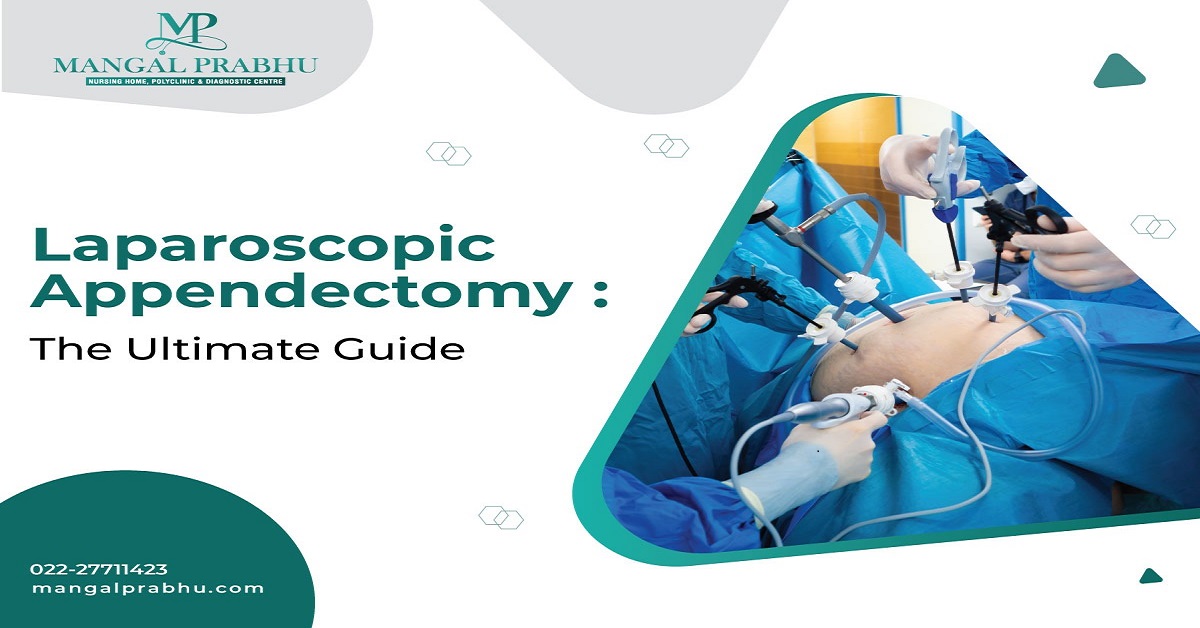
Laparoscopic Appendectomy: The Ultimate Guide
Laparoscopic appendectomy is an invasive surgical procedure that is administered in order to remove the appendix, a small pouch-shaped organ situated in the lower right side of the abdomen. This type of surgery is performed with the help of a laparoscope, a long, thin, flexible tube with a light and camera attached to the end.
During the process of laparoscopic appendectomy, the surgeon makes several small incisions in the abdomen and inserts the laparoscope and other surgical instruments through the incisions. The laparoscope allows the surgeon to see inside the abdomen and locate the appendix, which is then removed through one of the incisions. Like any other surgical procedure, a laparoscopic appendectomy also comes with certain important information or guidelines. Let’s examine what they are.
According to a laparoscopic surgeon in Navi Mumbai, it is vital to remember that based on the patient’s situation and the doctor’s inclinations as well as expertise, the laparoscopic appendectomy parameters can change. To examine the possibilities and decide which course of action is appropriate for their individual condition, patients should speak with their surgeon.
General recommendations for laparoscopic appendectomy include the following:
1. Patient Selection:
A laparoscopic appendectomy is usually an effective option for individuals with benign appendicitis who do not have significant medical complications and have not experienced any previous abdominal surgeries. An open appendectomy, however, might be essential for people who have serious or complicated appendicitis or other medical problems that raise the risk of surgery.
2. Preoperative Preparation:
According to the information gathered from a Laparoscopic Appendectomy Hospital in Navi Mumbai, patients should avoid eating or drinking for several hours before surgery. They should also inform their surgeon of any medications they are taking and follow any other preoperative instructions provided by the surgical team.
3. Anaesthesia:
A general anesthetic is administered during laparoscopic appendectomy.
4. Surgical Method:
A laparoscopic appendectomy involves a number of small abdominal incisions where the surgeon installs a laparoscope and other surgical instruments in order to remove the appendix. Normally, the process takes between 30 and 60 minutes to complete.
5. Postoperative Care:
Following a laparoscopic appendectomy, patients typically stay in the hospital for one to two days before being released once they are capable of walking, tolerate food, and have no fever. Within a week or two, they are usually able to resume their regular activities.
6. Potential Complications:
Such a technique has a chance of developing complications such as bleeding, infection, harm to nearby organs, and anesthesia reaction. Patients should notify the doctor instantly in such situations.
Also Read: A COMPREHENSIVE GUIDE TO GALLBLADDER STONE REMOVAL
Some advantages of laparoscopic appendectomy versus open appendectomy include:
1. Less Pain:
Less pain is experienced by patients following surgery because laparoscopic appendectomy is less aggressive than open appendectomy.
2. Minor Incisions:
Patients typically have smaller scarring after a laparoscopic appendectomy than they would following an open appendectomy because the procedure only calls for minor incisions.
3. Shorter Stay In Hospital:
Because laparoscopic appendectomy is typically done as an outpatient surgery, patients could either go home the same day as their surgery or only need a brief hospital stay.
4. Quicker Recovery:
Patients can resume normal activities relatively sooner after a laparoscopic appendectomy than that after an open appendectomy.
5. Reduced Risk of Infection:
The risk of infection and other consequences is lower with laparoscopic appendectomy.
6. Improved Aesthetic Results:
Compared to the bigger incisions used in conventional appendectomy, the small incisions for use during laparoscopic appendectomy are generally less noticeable.
Conclusion:
Overall, laparoscopic appendectomy is a critical procedure for treating appendicitis, a frequent ailment that, when left untreated, may result in catastrophic complications. Laparoscopic appendectomy offers the potential to enhance patient outcomes and save healthcare costs by enabling a speedier and less intrusive procedure.