

How Soon Is It Safe to Walk After Hernia Surgery?
Hernia repair surgery in Navi Mumbai is considered an effective treatment for preventing recurrent hernia and its complications. During surgery, your weakened abdominal wall, through which the hernia protrudes, is repaired and reinforced with a mesh. The tissue that pokes through the weakened muscle is pushed back into its original place, and the incision is closed.
A common question that patients ask is, How soon can I walk after hernia surgery? The good news is that you are advised to walk on the same day as the surgery. To know more about physical activities you can and can’t engage in, read on.
When to Start Walking After Hernia Repair?
Walking is the first step in your transition to normal life after a major surgery. Whether you have had an open hernia surgery or a laparoscopic procedure, walking is recommended shortly after the procedure, usually when the effects of anesthesia wear off.
Here’s why doctors advise you to get back on your feet as soon as you have regained consciousness:
- Promotes blood circulation
- Prevents blood clots (These can travel to the lungs and get trapped in an artery, blocking blood flow)
- Prevent constipation
Your initial walk will be short and only a few steps. It’s best to take things slow initially, as you are still healing from a major surgery. You can increase the intensity over time.
Tips for Ensuring a Safe Walk
Here are a few tips for walking safely and cautiously after hernia surgery:
- Talk to Your Surgeon: A general surgeon in Navi Mumbai will schedule your follow-up visits to check your progress and the wound. If you are doing well and feeling comfortable, you’ll get a green light to begin walking.
- Walk on a Slip-Resistant and Safe Floor: For the first few weeks, walk on a flat and stable surface. Avoid slippery platforms or uneven paths, as they can increase the risk of tripping.
- Use Walking Aids: Have walking support to minimize the risk of accidents. You can bring a partner for support or use walking aids, like a cane, to practice safe walking.
- Listen to Your Body: Avoid overexertion. If you feel tired, rest. If you don’t feel like walking, avoid it. Do what your body allows you to do.
It’s important to know what’s safe and what must be delayed. For instance, while walking is generally recommended shortly after surgery, you may not be allowed to climb stairs, jump, run, or walk for long distances for the first few days.
What to Avoid After Hernia Surgery
By the third and fourth week, you will feel much better. You will get back to your normal life and resume most activities, including walking multiple steps a day. However, avoid strenuous tasks or activities that can strain the incision site. Here’s what to avoid:
- Heavy lifting
- High-intensity workout sessions
- High-impact movement
- Activities that involve sudden twists
Walking after a hernia surgery might sound scary, but it’s an essential part of your recovery. Your surgeon will provide detailed guidelines on which physical activities are safe and when to return to your regular lifestyle.

When to Worry About Hernia Pain?
Hernia may appear as swelling at first. However, it can cause immense pain and discomfort. It may sound daunting, but a hernia is a common condition affecting many worldwide. Depending on the severity, you may need to undergo hernia surgery in Navi Mumbai. Before we dive into the signs that call for medical attention, let’s quickly understand a hernia.
Hernia: What Is It?
Hernia occurs when internal organs, like the intestine, poke through the abdominal wall. It might appear as a bulge. Hernia can occur anywhere on the body but is most commonly observed around the groin area and abdomen. This lump is more noticeable when you bend or cough. Putting pressure on the affected site might also make it more prominent. It may disappear when you lie down.
Recognizing Hernia Symptoms
You might have a hernia if you notice these symptoms:
- A lump that’s visible when you strain
- Pain in the affected site
- Bloating
- A heavy sensation
- Nausea or heartburn (if it’s a hiatal hernia)
Hernia pain feels like a dull ache, but can be a stabbing sensation for some people. It worsens when you engage in physical activities such as heavy lifting, bending, or straining, and it eases when you rest.
If the bulge doesn’t seem to disappear or go back to its original place, even when you lie down or push it back, see a general surgeon in Navi Mumbai immediately. Medical attention is important if the hernia turns red, is extremely painful, or becomes hard.
Causes and Risk Factors
Hernias occur in people with weak abdominal muscles, babies, and people recovering from surgery. Repetitive straining, especially when passing a bowel movement or urinating, can also increase your risk of developing a hernia. Here’s a list of the common causes:
- Lifting heavy weights with poor posture
- Sneezing or coughing frequently
- A history of surgery
- Pregnancy
- Constipation
Although people of any age can develop a hernia, older people are at an increased risk because of weakened muscles and tissues. Other risk factors include being overweight, smoking, and having a family history of hernia.
When to Seek Medical Attention
If your hernia causes slight discomfort but gets pushed back in its place, it may not seem concerning. If the pain is intense pain that won’t get better with medication or by pushing the bulge in, it’s best to see a doctor.
Some unusual warning signs of a complication from a hernia include vomiting, inability to pass gas or stool, and redness around the hernia.
Diagnosis and Treatment Options
Your doctor will easily know whether it’s a hernia by looking at the bulge. They might recommend further testing for a thorough evaluation, though. A CT scan, endoscopy, or an ultrasound is commonly used to detect a hernia.
Surgery is often recommended for treating hernias. In an open surgery, the surgeon pushes the hernia back into its original place and reinforces the weakened muscle with a mesh to prevent its recurrence. Laparoscopic surgery can also be performed if the patient wants a less invasive surgical approach.
Sometimes, watchful waiting and lifestyle adjustments can help ease your symptoms. Hernia can be mild or severe, which is why noticing the early signs is important to know whether medical care is necessary.
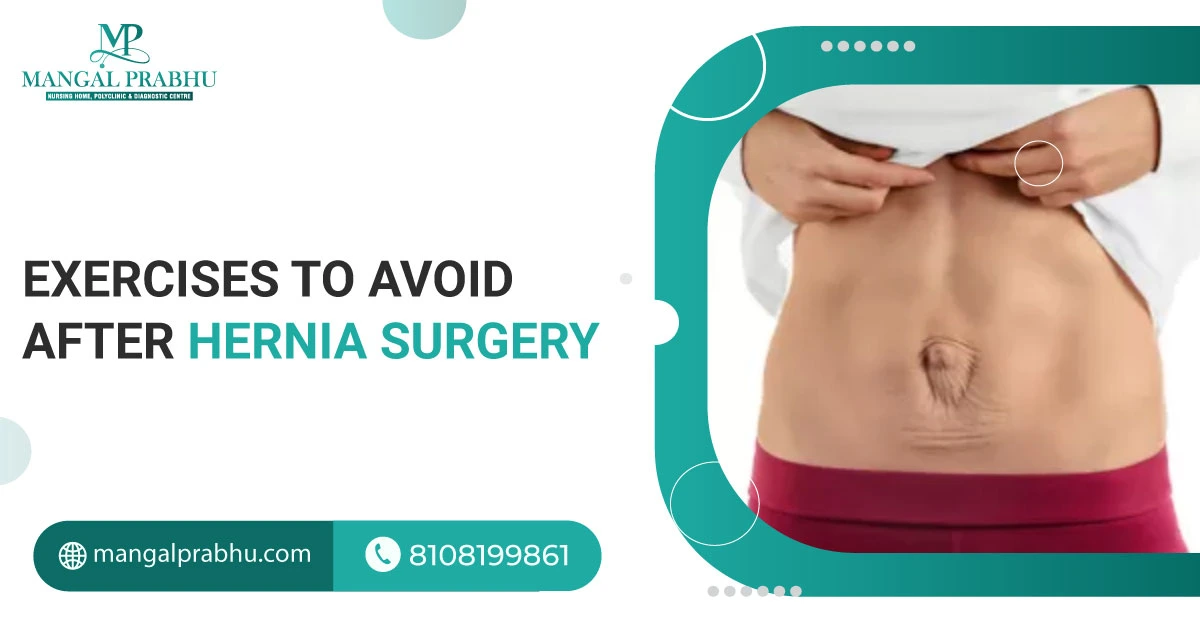
Exercises To Avoid After Hernia Surgery
Hernia surgery in Navi Mumbai is an invasive medical procedure that involves pushing the bulging tissue back into its original place. The surgeon might use mesh to strengthen the abdominal muscles and keep the repaired tissue in place. If you have just had hernia repair surgery, you might wonder how soon you can start exercising. We’ve listed some exercises to avoid after hernia surgery and some alternatives you can try.
Understanding Hernia Surgery Recovery
It’s a fairly safe procedure, but like any surgical treatment, hernia repair involves incisions and stitches that can take time to heal. Most patients return to their normal activities in a week or two, but if your work is physically demanding, it’s ideal to wait a little longer or until your doctor clears you for it. It’s not uncommon to feel pain post-operation, accompanied by fatigue and discomfort. The symptoms should resolve within days.
Exercises to Avoid
1) High-impact Activities:
You can start with mild exercises, like walking, but anything that puts strain on the surgical site should be avoided for at least 2 weeks. Running, jumping, aerobics, and all kinds of high-intensity physical activities are a big no.
2) Heavy Lifting or Weight Training:
For a few weeks after surgery, do not lift anything heavier than 10 pounds. Do not lift dumbbells or any heavy objects. Even something as simple as a grocery bag can put unnecessary strain on your abdominal muscles. Likewise, avoid exhausting your body with physical activities, as they may delay your healing.
3) Abdominal Exercises:
Any general surgeon in Navi Mumbai will strictly advise against abdominal exercises, such as situps, leg raises, crunches, and other activities that can strain your abdominal muscles. It’s best to hold off on these until your doctor gives you clearance.
Safe Alternatives
Instead of high-intensity workouts and weight training, you can consider these safer alternatives.
a) Gentle Walking:
Walking around your house is the best exercise for the first couple of days after surgery. It builds your muscle stamina. Start with a gentle walk using canes or walking aids, if recommended. Slowly, you can work your way up to a 20-minute walk without assistance.
b) Light Stretching:
Within a few weeks, you can incorporate light stretching into your routine. It improves your flexibility, reduces stiffness, and prepares your body for workout sessions. You can try a cat-cow stretch, seated forward bend, and standing side bends.
You can try other low-impact activities, like swimming and stationary cycling.
Tips for a Smooth Recovery
Recovery from hernia surgery can vary from patient to patient and usually depends on the type of surgery you’ve had and its complexity. Here are a few tips to ensure a smooth recovery after the procedure:
- Always consult your doctor before starting a new exercise
- Listen to your body and stop when you feel pain or fatigue
- Start slow
Conclusion
Establishing an exercise routine will speed up your healing and help you get back in shape. However, before proceeding, it’s important to talk to your surgeon about what’s safe and what to avoid.
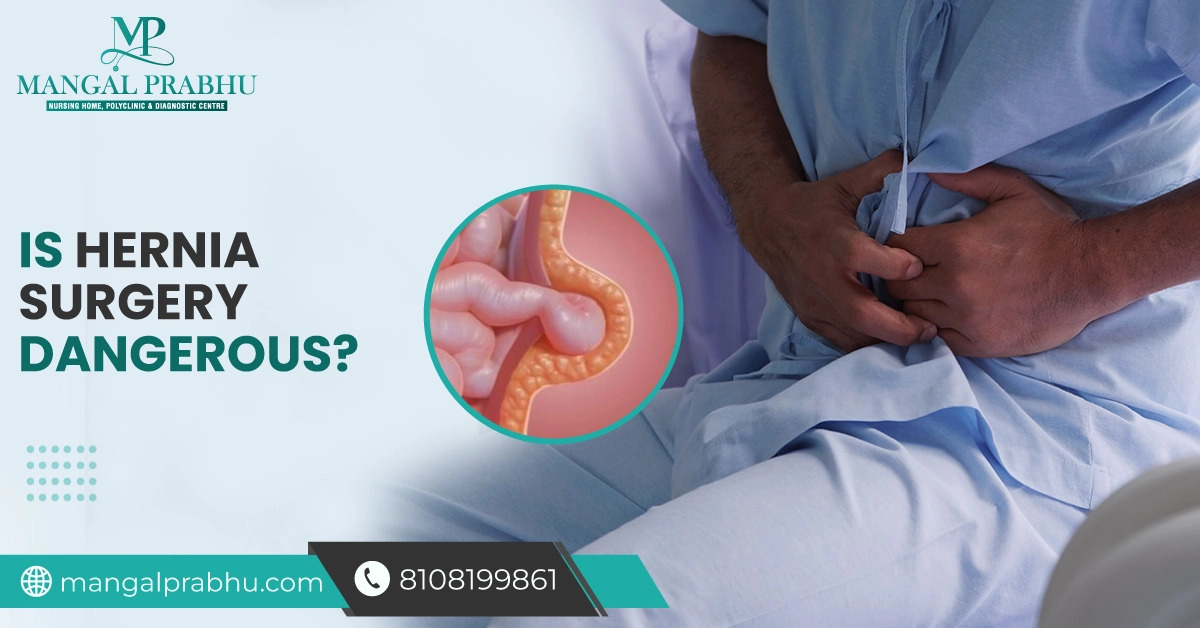
Is Hernia Surgery Dangerous?
What is Hernia Surgery?
Hernias is a condition where an organ or tissue pushes via a weakness in the muscle or connective tissue. Even though hernias can be helped with a change in lifestyle, the surgical remedy is occasionally important, mainly when it causes excessive aches and starts to intervene with everyday existence.
Types of Hernias and Their Risks
There is a huge style of hernia that includes femoral, inguinal, umbilical and hiatal hernias. Every individual of hernia has an excellent amount of danger. For instance, inguinal hernia are discovered greater in guys and might cause bowel obstruction if left untreated. On the other hand hiatal hernias can cause acid reflux and other issues in digestion. Nevertheless, the danger of hernia surgery depends on several factors: the form of hernia, the affected person’s fitness, and the surgical approach that is utilized in surgery. Mangal Prabhu Hospital provides treatment for hernia.
Safety Measures and Advances in Hernia Surgery
The improvement in scientific technology has stepped forward the protection of hernia surgery in the past few years, which has hindered the threat to an exquisite volume. Small and brief strategies consisting of laparoscopic and robot-assisted surgical operation have appreciably reduced the threat of headaches and feature also shortened the recovery time in contrast to conventional open surgical operation. Hernia Treatment in Navi Mumbai deals with sufferers with hernia and presents them with an efficient remedy. Moreover, Surgeons now have a higher right of entry to imaging generation and surgical instruments, permitting them to provide particular and powerful remedies for hernias.
Also Read: Symptoms Of Hernia In Male
Success Rates and Recovery Post-Surgery
In preferred, hernias surgical operation has an extra fee of success than failure; it facilitates in relieving the ache of patients and their symptoms and also reduces the chance of hernias recurrence. The restoration time after the surgical procedure varies depending on the sort of surgery executed and the character affected person. Still, usually, patients return every day for a few weeks after the surgical procedure. Patients must comply with the publish-surgery instructions like averting lifting heavy stuff and increasing bodily hobbies; following those can help and ensure great healing.
Common Concerns and Misconceptions about Hernia Surgery
Despite the good effectiveness of hernia surgery, there are nonetheless common things that should be handled and misconceptions approximately hernia surgical treatment. A large variety of people fear the hazard of infections, bleeding, or nerve damage, while others consider the possibility of recurrence of the hernia. These dangers are a gift with each surgical procedure. Still, they are distinctly low, especially while carried out by means of a professional healthcare professional, including a Hernia Surgeon in Navi Mumbai with a specialized clinical facility.
Conclusion
The conclusion is that common hernia surgical treatment is safe and effective to a notable degree for treating hernias and relieving pain and its various signs. The development in medical generation and surgical techniques is a major key that enables a lot in decreasing the danger involved in traditional open surgical treatment. By knowing the impact and protection measures and development in surgical procedures, patients need to make decisions about their treatment options; in case you are looking for a treatment option, then you definitely need to visit Mangal Prabhu Hospital as they provide a notable remedy.
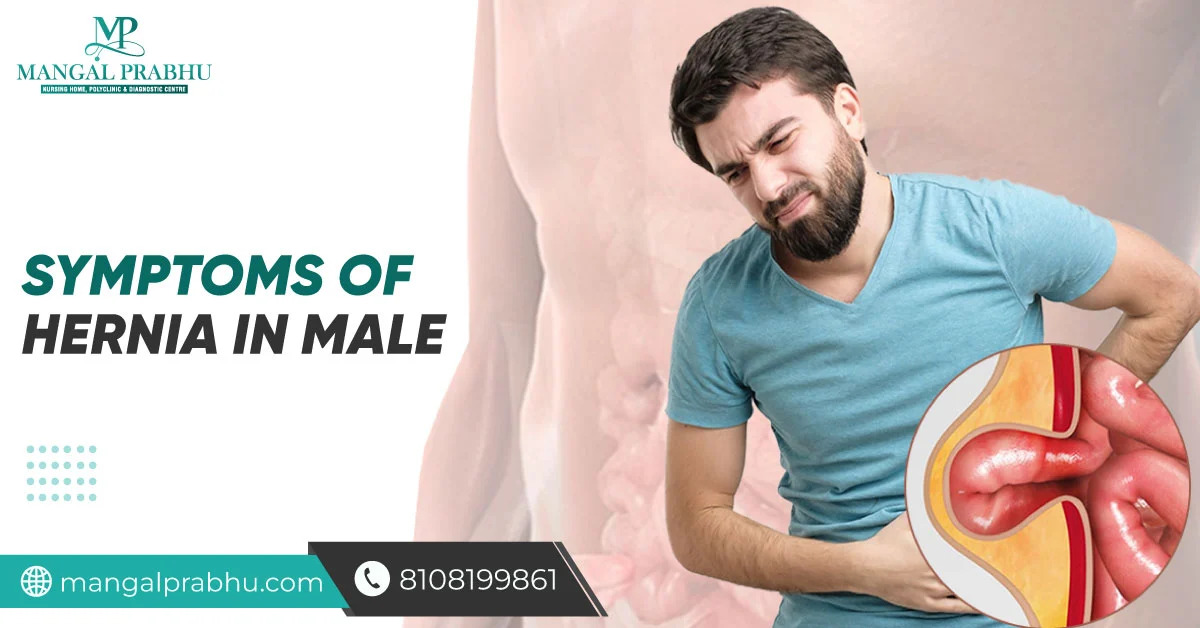
Symptoms Of Hernia In Male
I. Introduction
This condition can develop in various parts of the body, but it commonly occurs in the abdomen or groin area. According to Mangal Prabhu Hospital, recognizing the symptoms of hernia in males is crucial for several reasons. Firstly, timely identification allows for prompt medical intervention, which can prevent complications and alleviate discomfort.
Hernia occurs when an organ or fatty tissue protrudes through a weak spot or tear in the surrounding muscle or connective tissue. Additionally, untreated hernias can lead to more serious complications, making early detection essential for optimal outcomes. Here, you can delve into the various symptoms of hernia in males.
II. Common Symptoms of Hernia in Males
i) Bulge or swelling in the groin or scrotum:
One of the most prominent signs of a hernia in males is a visible bulge or swelling in the groin or scrotum area. This bulge may become more noticeable when standing, coughing, or straining.
ii) Pain or discomfort in the affected area:
Hernias can cause varying degrees of pain or discomfort, ranging from mild to severe. This discomfort may worsen with physical activity or prolonged periods of standing.
iii) Heaviness or pressure sensation:
Some individuals with hernias may experience a sensation of heaviness or pressure in the affected area, particularly during physical exertion or lifting heavy objects.
iv) Difficulty or pain during physical activities:
Engaging in physical activities such as lifting, bending, or exercising may exacerbate hernia symptoms, leading to increased discomfort or pain.
III. Less Common Symptoms of Hernia in Males
While the aforementioned symptoms are more prevalent, hernias can also manifest through less common signs, including:
a) Nausea or vomiting:
In some cases, hernias may cause nausea or vomiting, especially if the protruding organ or tissue becomes obstructed.
b) Changes in bowel movements:
Hernias affecting the abdominal region can sometimes lead to changes in bowel movements, such as constipation or difficulty passing stool.
c) Urinary difficulties:
Inguinal hernias, which occur in the groin area, may cause urinary difficulties such as frequent urination or difficulty emptying the bladder.
IV. When to Seek Medical Attention
If you experience any of the symptoms mentioned above, it’s crucial to consult a healthcare professional like Hernia Surgeon in Navi Mumbai promptly. Delaying medical evaluation and treatment can increase the risk of complications associated with hernias, such as strangulation or obstruction of the protruding tissue.
V. Treatment Options
- Surgical interventions: Repairing weakened muscles or tissues through surgical procedures.
- Non-surgical approaches: Utilizing methods like wearing supportive garments or trusses.
- Lifestyle modifications for prevention: Implementing habits such as proper lifting techniques and maintaining a healthy weight to reduce the risk of hernia development.
VI. Conclusion
Recognizing the symptoms of hernia in males is essential for early diagnosis and prompt intervention. By being aware of the common signs and seeking timely medical attention, individuals can effectively manage hernias and minimize the risk of complications.
If you’re experiencing any symptoms suggestive of a hernia, don’t hesitate to contact Mangal Prabhu Hospital for expert evaluation and hernia treatment in Navi Mumbai. Your health and well-being are our top priorities.
How To Relieve Hernia Pain?
What is a Hernia?
Hernia is a common abdominal issue that can obstruct the overall well-being of an individual. This issue can be caused due to an undesirable strain and weakness in the tissue or muscle. Hernia most commonly happens when fatty tissue in the abdominal area squeezes through a weak spot in a fascia or connective tissue. Hernia issues are harrowing and can get worse with time. Thus, it would be best for an individual to get proper Hernia Treatment in Navi Mumbai to live a healthy and peaceful life. Furthermore, Mangal Prabhu Hospital has world-class doctors who specialize in offering the best treatment plan for Hernia for the betterment of their patients.
Types of Hernia
- Inguinal Hernia: This Hernia most commonly occurs in men’s groin area. Inguinal Hernia contains the protrusion of a part of the intestine via a weak spot in the abdominal tissue.
- Femoral Hernia: Similar to inguinal hernias but occurs lower in the groin, near the upper thigh. It is more common in women.
- Umbilical Hernia: Develops near the navel or belly button and is often seen in infants. It occurs when the abdominal muscles do not close properly after birth.
- Incisional Hernia: Forms at the site of a previous abdominal surgery, where the abdominal muscles have weakened or separated.
Symptoms of Hernia
Hernias often present with the following symptoms:
- Visible Lump or Bulge
- Pain or Discomfort
- Aching or Burning Sensation
- Indigestion or Difficulty Swallowing
Also Read: CAN HERNIA BE TREATED WITHOUT SURGERY?
Causes of Hernia
The development of hernias is often attributed to a combination of muscle weakness and increased pressure on the affected area. Some common causes include:
- Age-Related Muscle Weakness: Muscles naturally weaken over time.
- Persistent Coughing or Sneezing: Increases abdominal pressure.
- Straining During Bowel Movements: Especially in cases of constipation.
- Heavy Lifting: Puts strain on abdominal muscles.
How to Relieve Hernia Pain
Surgery is one of the most effective treatments for Hernia. Thus, consulting with the best Hernia Surgeon in Navi Mumbai from Mangal Prabhu would be best. However, some of the common ways to relieve hernia pain are:
- Medication: It is best to ask your healthcare provider to suggest an over-the-counter painkiller for hernia pain.
- Wearing a Truss or Support Belt: Provides support to the affected area.
- Cold or Warm Compress: Applying to the Hernia may alleviate pain and reduce swelling.
- Avoiding Heavy Lifting: Minimize activities that strain the affected area.
- Maintaining a Healthy Weight: Excess weight can worsen hernia symptoms.
- Dietary Changes: For hiatal hernias, smaller, more frequent meals and avoiding certain foods.
Prevention Tips
Taking proactive steps to prevent hernias or reduce the risk of recurrence includes:
- Maintaining a Healthy Weight: Through a balanced diet and regular exercise.
- Avoiding Straining During Bowel Movements: Ensuring an adequate fiber intake and staying hydrated.
- Lifting Properly: Using proper techniques, such as bending at the knees and keeping the back straight.
- Quitting Smoking: Smoking weakens tissues, increasing the risk of Hernia.
Conclusion
Hernia is a critical issue that requires proper medical attention and treatment. However, by following the preventive measures and taking the precautions mentioned, an individual can quickly get through hernia pain without hassle.
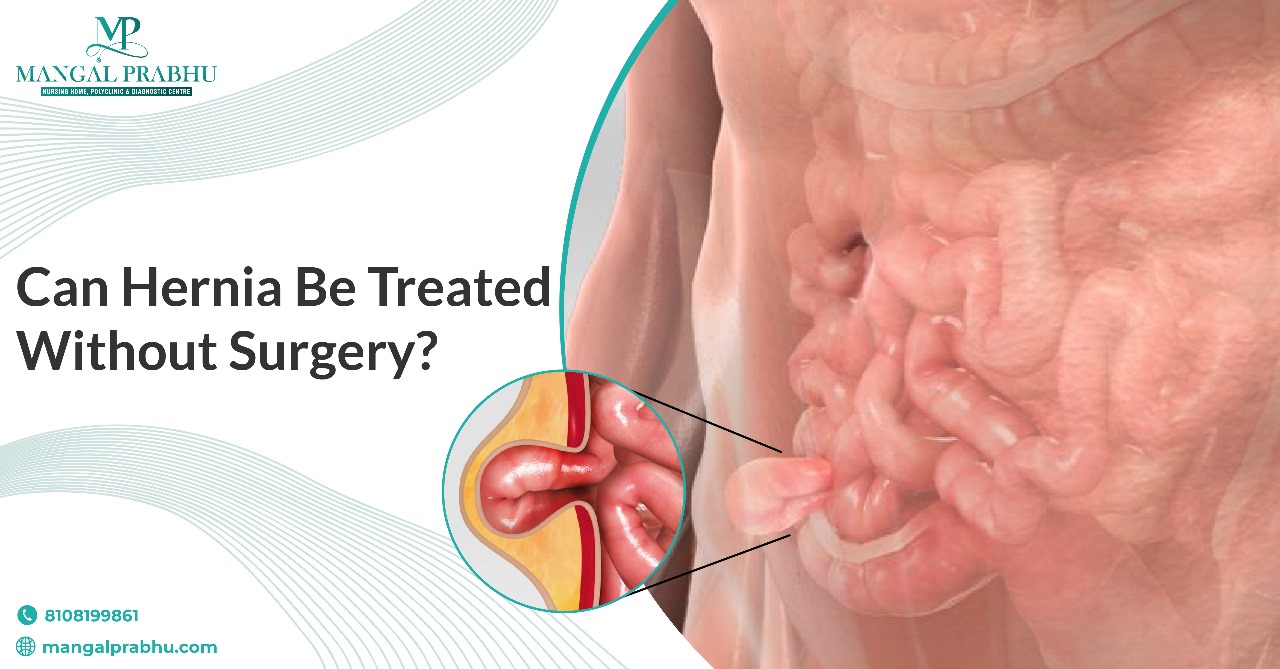
Can Hernia Be Treated Without Surgery?
A hernia is an unusual bulge caused by the organs that push through the weak muscle walls. The bulge is visible when you cough, sneeze, or put any kind of pressure on the affected area. Hernia can occur in the groin area, on your abdomen, and other parts of the body. They can be a birth defect or occur as you age. Hernias are also common in people who have undergone major surgery. Fortunately, hernia treatment in Navi Mumbai is available for those experiencing pain, discomfort, and other symptoms of hernia.
Non-Surgical Treatment Options
Unfortunately, the hernia will require surgery eventually. It doesn’t go away on its own. You can find temporary relief from certain medications, corsets that keep the bulge in place, and mild exercises, but these are only temporary solutions.
1) Medication:
Medication alone can’t help you get rid of a hernia, but it can relieve the symptoms and discomfort. For Hiatal hernia, you can take over-the-counter medication to relieve acid reflux and heartburn. Likewise, painkillers can help relieve pain.
2) Exercise:
If you practice high-intensity exercises or weightlifting, you might have to ask your healthcare provider if that’s safe. Any exercise that puts excess pressure on the bulge can make it worse. Talk to a hernia surgeon in Navi Mumbai and discuss the best exercises to prevent hernia from growing.
3) Dietary Changes:
Hiatal Hernias can cause GERD, heartburn, and many digestive issues. These are often triggered by certain foods that can cause your stomach acid to find its way to your throat. Take note of the foods that trigger these symptoms and focus on a healthy and balanced diet. Try to eat small and frequent meals.
4) Maintain a Healthy Weight:
Being overweight increases your risk of developing or worsening the existing hernia. It’s important to discuss your health goals with a healthcare provider and follow a weight-loss plan to shed those extra pounds.
Pros and Cons of Non-Surgical Treatments
As mentioned previously, hernia cannot be cured nor can it be reduced with manual treatments. You can take some steps to avoid the discomfort, pain, and other symptoms associated with the bulge, but you are eventually going to undergo surgery to have it fixed. The good news is a surgical procedure for hernia is minimally invasive and doesn’t take much time to heal.
You can also consider alternatives to open surgery, like robotic surgery or laparoscopic procedure. That said, not all types of hernias cause symptoms. There’s a chance the condition might go unnoticed and won’t require any repair either. It’s still best to consult your healthcare provider to ensure it won’t cause any complications. Let’s check out the pros and cons of non-surgical hernia treatments.
Advantages
- It can help reduce your hernia symptoms
- The non-invasive procedure doesn’t require any post-operative care
- You can carry out your routine activities
Disadvantages
- High risk of bowel obstruction
- Possibility of strangulation
- Hematoma
- Infections
See a healthcare specialist if you see the signs of hernia. Even if it’s causing any symptoms, it’s best to talk to a professional to rule out the possibility of any complications.
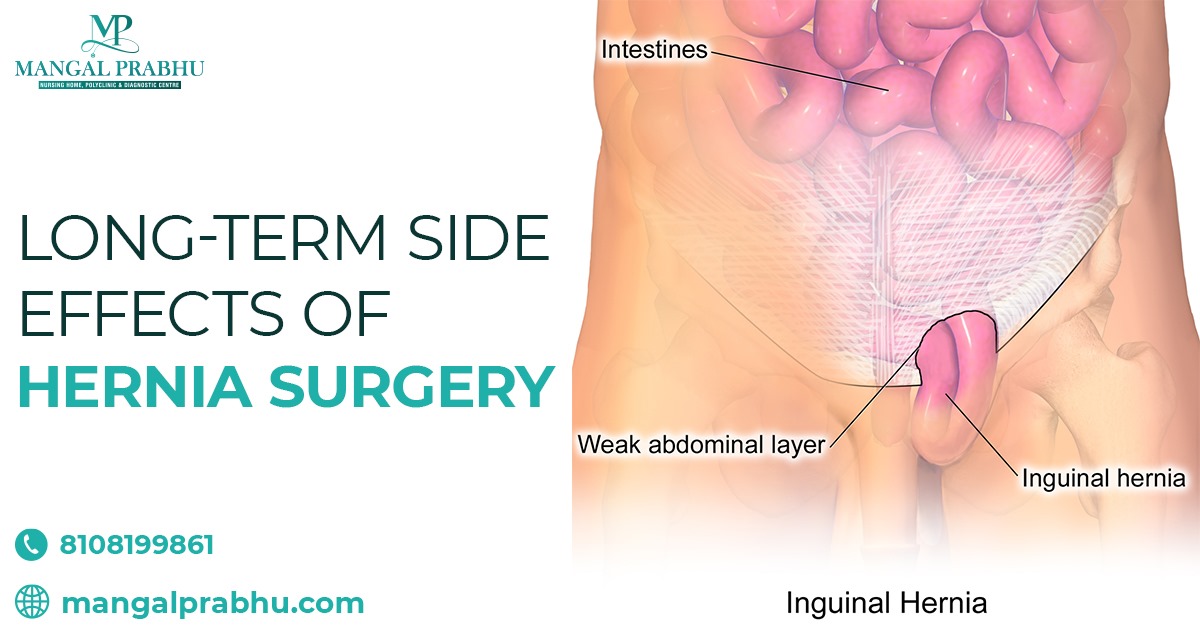
Long-term Side Effects Of Hernia Surgery
Hernia surgery is a common procedure that millions of people undergo each year to repair weakened or torn abdominal muscles. While the surgery is generally safe and effective, it’s essential to be aware of potential long-term side effects that can occur after the procedure. In this article, you can explore the long-term side effects of hernia surgery and strategies for managing them.
Overview of Hernia Surgery
Hernias occur when internal organs or tissues push through weakened or torn muscles, creating a noticeable bulge or lump. Surgery is often recommended to repair the hernia and prevent complications. At Mangal Prabhu Hospital, where you can find the experienced Hernia Surgeon in Navi Mumbai, patients receive comprehensive care and advanced surgical techniques to ensure successful hernia repair.
Short-term Side Effects of Hernia Surgery
Before delving into long-term side effects, it’s important to briefly mention the short-term side effects that patients may experience immediately after hernia surgery. These can include:
- It is normal to experience pain, swelling, and bruising around the surgical site. This discomfort usually subsides in the days and weeks following the surgery.
- Anesthesia and pain medications can cause temporary nausea and vomiting after surgery.
- Patients may need to restrict physical activity and avoid heavy lifting for a certain period to allow the surgical site to heal properly.
Long-term Side Effects of Hernia Surgery
While hernia surgery is generally successful in repairing the hernia, there are some potential long-term side effects that patients should be aware of:
- Some individuals may experience chronic pain or discomfort at the surgical site, known as chronic post-herniorrhaphy pain. This condition can persist for months or even years after the surgery.
- Although hernia surgery is intended to provide a permanent solution, there is a small risk of hernia recurrence. It can happen if the repaired tissues weaken or tear again over time.
- It’s common to experience numbness or altered sensation around the surgical scar. It usually improves over time but may not completely resolve in some cases.
- In rare instances, hernia surgery can lead to scar tissue formation that causes bowel obstruction. Symptoms may include abdominal pain, bloating, and constipation.
Strategies for Managing Post-Surgery Side Effects
If you experience long-term side effects following hernia surgery, here are some strategies to manage them effectively:
- Consult your healthcare provider for pain management options, including physical therapy, medications, or nerve blocks.
- Follow your surgeon’s post-operative instructions diligently, including avoiding heavy lifting and maintaining a healthy lifestyle to reduce the risk of hernia recurrence.
- Gentle massage and moisturizing of the surgical scar can help improve its appearance and reduce sensation changes.
- Schedule regular follow-up appointments with your hernia surgeon to monitor your recovery and address any concerns promptly.
Conclusion
Hernia surgery is a valuable procedure that can relieve and prevent hernia complications. While potential long-term side effects, such as chronic pain or recurrence, are relatively rare. Most patients experience successful outcomes. If you require Hernia Treatment in Navi Mumbai, Mangal Prabhu Hospital is home to experienced hernia surgeons who can provide comprehensive care and guidance throughout your surgical journey. Open communication with your healthcare provider is key to managing any post-surgery side effects and ensuring a successful recovery.
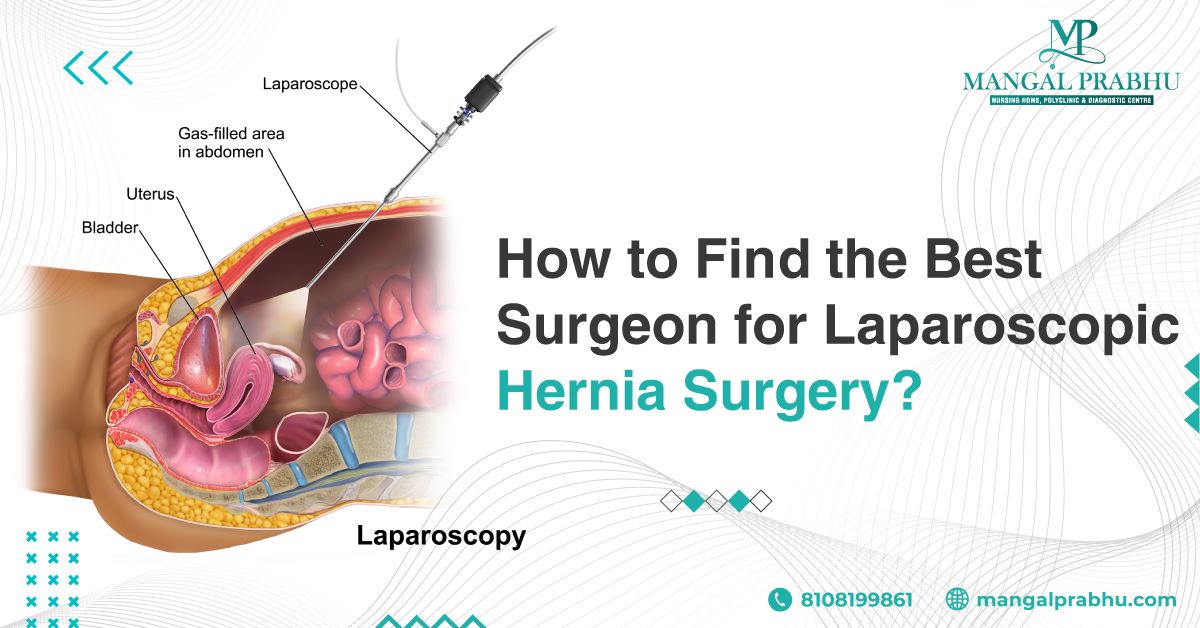
How to Find the Best Surgeon for Laparoscopic Hernia Surgery?
Finding the best surgeon for laparoscopic hernia surgery is a difficult step for having a successful and safe procedure. This blog offers valuable tips for finding the best hernia surgery surgeons in Navi Mumbai. Follow the right method and increase your successful treatment rate.
What is Laparoscopic Hernia Surgery?
Hernia surgery includes using a laparoscope, a thin fiber-optic instrument/tube equipped with a camera. The surgeon cuts the abandonment around the hernia site, and the laparoscopy is inserted through the cut to provide a clear view of the area. The hernia is then repaired using webbing and stitches by which the cuts are closed. You can visit Mangal Prabhu Hospital for this surgery as they have excellent professionals.
Benefits of Laparoscopic Hernia Surgery
Hernia surgery has become so popular Hernia Treatment in Navi Mumbai these days because of its benefits. Some of the benefits of hernia surgery include:
1. Reduction in Pain:
Small cuts in laparoscopic surgery result in less damage compared to general traditional open surgery
2. Faster Recovery:
Since there are small incisions in surgery, the recovery from surgery is way quicker than open surgery
3. Minor Scars:
Laparoscopic surgery doesn’t leave prominent scars, compared to open surgery, which has minimal scars
4. Chances of Fewer Infections:
Laparoscopic surgery reduces the chances of risk of wound infections and other complicated infections
5. Fewer Chances of Recurrence of Hernia:
Laparoscopic techniques have been associated with less rate of recurrence of hernia.
How to Choose a Surgeon for Laparoscopic Hernia Surgery
You must carefully consider a few factors to choose the best surgeon for laparoscopic hernia surgery. Here are some things to consider while looking for a surgeon for laparoscopic surgery.
i. Surgeon’s Qualifications:
Verify the surgeon’s qualifications and certification and check whether he has done training and has experience in laparoscopic hernia surgery.
ii. Experience:
You can inquire about the Surgeon’s Experience. A surgeon with multiple surgeries is likely to have better skills and experience. At Mangal Prabhu Hospital, you can find experienced surgeons who offer excellent treatment for hernias.
iii. Hospital Affiliations:
Hospital affiliations play an essential role. Look for hospitals with better facilities, advanced technologies, and high standards.
Also Read: How To Prevent Hernia?
Questions to Ask Your Laparoscopic Hernia Surgeon
While looking for a surgeon, you must ask him several questions, such as:
- How many laparoscopic hernia surgeries they had performed?
- What is their success rate in terms of hernia repair and recurrence?
- How do they determine if a patient is suitable for laparoscopic hernia surgery?
- What is their preferred technique for laparoscopic hernia repair, and why?
- What measures do they take to ensure patient comfort during and after the procedure?
Tips for Choosing the Right Surgeon
- Ask others’ opinions, as it is better to take others’ opinions while searching for a surgeon.
- Trust the surgeon as trusting them is necessary to find a good surgeon.
- You must ensure your surgeon is willing to listen to what you say to him.
- The location of surgeons’ practice and easy access to the hospital.
Conclusion
Choosing the best Laparoscopic Hernia Surgeon in Navi Mumbai is a hard decision that can affect your overall experience and the outcome of the surgery. You must take the time to research and choose the best hospital and best surgeon.

How To Prevent Hernia?
Hernia occurs when an internal organ or your abdominal tissue pushes through the muscle wall, leading to a bulge in your abdomen. Hernia can be avoided, but whether it can be prevented or not depends on the type. Hernia that occurs following abdominal surgery or childbirth, for example, cannot be predicted or avoided. You will have to consult a hernia surgeon in Navi Mumbai to determine a suitable treatment.
What Causes Hernia?
Hernia is mostly caused by strain on your abdominal muscles or the groin because of weakened muscles. Strenuous exercises, pregnancy, obesity, constipation, and constant coughing are the few common causes of hernia. The bulge worsens as more pressure is applied to the abdominal muscles.
Those who have had multiple pregnancies, a history of abdominal surgery, or perform activities that put excessive pressure on their abdominal walls are at high risk of developing umbilical hernia. The type of hernia is defined based on the area it occurs. A vast majority of the hernias are classified as inguinal hernias that occur when the part of your intestine pushes through the weakened muscle and develops in your groin.
Unfortunately, there’s not much you can do about the weakened muscles that lead to the inguinal hernia, but there are ways to prevent it from worsening. Below we’ve shared some steps recommended by the hernia treatment center in Navi Mumbai for those at a higher risk of developing a hernia.
Also Read: What Is Hernia In Women?
Tips for Preventing Hernia
The right ways to prevent a hernia depend on the type of hernia. An incisional hernia, for instance, develops in your abdomen around the site of the incision. It happens when the intestine pushes through the weakened area. Sadly, there’s not much you can do about it, except for taking general precautions. For other types of hernias, here’s what can help.
1. Lose Weight:
It’s easier said than done. However, obesity is one of the common causes of hernia, and shedding those extra pounds can definitely help. The excess body fat puts extreme pressure on your abdominal wall when you move, sit, stand, or perform any strenuous exercise. It’s advisable to discuss your weight goals with the doctor and develop a diet and exercise plan that works for you.
2. Get Exercise Regularly:
Exercising keeps your body in shape, strengthens muscle walls, and prevents different types of hernias. But exercises that put too much pressure on your abdominal wall can be risky. Pilates, sit-ups, aerobic activities, and Yoga are a few light exercises that may help. You should avoid squats, jumping, and other strenuous exercises.
3. Avoid Constipation:
Take fiber supplements and drink sufficient water to avoid constipation. If increasing your fiber intake, hydration, and lifestyle changes have not helped, consider taking laxatives. Painkillers and anesthesia are the common causes of constipation. And straining during the bowel movement after surgery will particularly increase your risk of getting a hernia.
Other than that, avoid smoking and heavy lifting. Get treatment for an enlarged prostate and persistent coughing to prevent strain on your abdominal muscles.
Conclusion:
In conclusion, healthy behaviors and thoughtful decisions are key to preventing hernias. People can dramatically lower their risk of getting a hernia by keeping a healthy weight, using proper lifting techniques, exercising frequently, and giving up smoking. Furthermore, being aware of any signs and obtaining immediate medical care when required can aid in avoiding complications and encourage early treatment. When it comes to hernias, always remember that prevention is always better than cure.