

Ten Ways to Prevent Cancer
The Big C sounds scary. People who have it know the battle is long and challenging. A combination of chemotherapy, radiation, immunotherapy, targeted therapy, and surgery at a cancer hospital in Navi Mumbai can take a toll on your physical and mental health. While there’s no foolproof way to prevent cancer, some tips, especially lifestyle modifications, can reduce your risk. Here’s a look.
- A Healthy Diet Matters
Choose a Mediterranean diet. Although it doesn’t make you immune to cancer, it can lower the risk. Eat fruits, vegetables, whole grains, legumes, and plant-based foods. Switch red meat with fish.
- Quit Tobacco
Did you know 9 out of 10 deaths due to lung cancer occur because of smoking tobacco? Smoking isn’t only linked to lung cancer, but can increase your risk of getting colorectal, breast, ovarian, head, and neck cancers. If you haven’t quit smoking already, do it now.
- Cover Yourself in the Sun
Many cases of melanoma are linked to constant exposure to the harmful UV rays. When you go out in the sun, cover yourself with a scarf. Wear SPF 30+ sunscreen, protective glasses, and a hat if needed.
- Get Vaccines
Certain viruses can cause cancer. HPV, for example, is associated with increased risk of cervical cancer, although not everyone who has it develops cancer. It’s best to get vaccinated just to be on the safe side.
- Keep Your Weight Under Control
Obesity is also linked to certain types of cancers, like breast, pancreatic, colorectal, and kidney (to name a few). You don’t have to go overboard with dieting. Losing a few pounds can be effective in mitigating your risk.
- Quit Alcohol
Avoid alcohol, as it’s another contributing factor to increased cancer risk. There’s no known safe amount of alcohol that can reduce your risk of developing cancer. It’s best to quit drinking, especially if you have a gene mutation that’s associated with an increased risk of cancer.
- Manage Stress
Although not directly linked to cancer, stress can disrupt hormonal balance, get you into unhealthy habits, like smoking, and make your immune system weak. All of these increase your risk of developing cancer.
- Avoid Prolonged Exposure to Harmful Chemicals
Certain chemicals, such as pesticides, asbestos, and radon, can cause cancer. Radon, specifically, is a common cause of lung cancer in non-smokers. Keep your home well-ventilated and wear protective gear when working in environments with high chemical use.
- Be Physically Active
Physical activity won’t just keep you fit, but is believed to lower your risk of cancer. Walking, biking, and exercise are all ways to keep yourself fit and minimize your cancer risk.
- Get Screenings
A cancer specialist in Navi Mumbai recommends screenings for different types of cancers depending on your age, lifestyle, and genetics. Mammograms, colonoscopies, and pap smear tests are common screenings. It’s advisable to get these early on to detect the cancer before it even begins.
Conclusion
While many types of cancers develop because of mutations in the genes, a family history, and other factors that might not be in your control, most can be prevented with healthy lifestyle choices. From avoiding tobacco and alcohol to eating healthy and exercising regularly, small changes in your lifestyle can make a huge difference.

What Is Chronic Cough? Causes, Symptoms & Treatment Options
Most of us have experienced a persistent cough at some point in our lives. A cough after a cold is normal and usually resolves in a week or two. However, if it lasts longer than 8 weeks in adults and 4 weeks in children, it’s considered a chronic cough. It’s important to see a chest physician in Navi Mumbai to figure out the underlying cause of chronic cough.
Persistent coughing doesn’t only cause physical discomfort, but can be super annoying and might disrupt your sleep. The result is people waking up feeling exhausted. In severe cases, chronic coughing can cause a rib fracture. The good news is that the cough often resolves once the root cause of the cough is identified and treated.
Causes of Chronic Cough
Below, we’ve explained the most common issues that might be the underlying cause of persistent coughing.
Postnasal Drip: The mucus produced by your nose can flow back into your throat, causing a cough reflex. This is a common cause of a persistent cough.
Asthma: While shortness of breath and wheezing are the most common symptoms of asthma, the cough-variant asthma can have cough as the main symptom, especially in children.
Gastroesophageal Reflux Disease: Your cough could be due to GERD, a condition where the acid in your stomach flows up the esophagus. This can cause persistent coughing, which gets worse when you lie down or have a meal.
Infection: If you have had an infection, such as the flu, pneumonia, or COVID-19, you could develop a persistent cough.
Lung Issues: Persistent coughing can also signal a serious condition, like lung cancer, pulmonary fibrosis, and tuberculosis. However, these often come with other warning signs.
Symptoms of Chronic Cough
You can have a chronic cough with other symptoms. Visit a multispecialty hospital in Navi Mumbai if you have:
- Blocked nose
- An urge to clear your throat consistently
- Sore throat
- Hoarse voice
- Heartburn
- Shortness of breath
- Wheezing
- Postnasal drip
- Cough accompanied by blood (though rare)
If you have a whooping cough that’s persistent and doesn’t get better over time, see a healthcare expert to rule out serious underlying issues.
Treatment for Chronic Cough
The treatment depends on the cause of the cough. Here’s what may help:
Antihistamines: If your cough is linked to an allergy, you need to start taking antihistamines.
Inhalers: If you have cough-variant asthma, inhalers help bring the airway inflammation down, relax your airways, and improve lung function over time.
Antacids: If you have persistent coughing due to GERD, antacids can help. Additionally, you must eat smaller meals, avoid lying down after eating, and avoid spicy foods.
Antibiotics or Cough Suppressants: For people with a bacterial infection that causes a cough that lingers for weeks, your doctor may start you on an antibiotic course. Sometimes, cough suppressants are recommended for relief.
Remember, over-the-counter cough suppressants or other medications may treat your cough temporarily, but won’t address the underlying cause of it. See a healthcare professional and take the prescribed tests to find the cause of whooping cough and get treatment accordingly.

Why Do We Need to Sleep
Did you know that an average person spends one-third of their life sleeping? High-quality sleep is just as crucial as food, water, and other essentials for survival. However, it’s often treated as an optional luxury these days. If you have ever spent a night awake, you know how important sleep is to keep your body and brain working. In this post, we’ll learn the science behind sleep, how much sleep you need according to a general physician in Navi Mumbai, and what exactly happens in your body when you are resting.
Understanding Sleep Cycle
Sleep occurs in cycles, each one of which has multiple stages. A sleep cycle lasts 90-120 minutes and repeats several times a night, until your body gets the sleep it needs.
Here’s a quick breakdown of the sleep stages.
Stage 1: Light Sleep
Just when you are about to go into a light sleep state, your heart rate slows, and you doze off. It’s the shortest of all, lasting for only 1-7 minutes. You can still be awakened easily.
Stage 2: Deeper Light Sleep
You spend half of the time sleeping in this stage. Your heart rate and breathing slow further, and your temperature drops. Your eye movement may also stop, and your muscles relax.
Stage 3: Deep Sleep
This is the most crucial phase of sleep. During this stage, your tissues and cells repair, and your immune system gets a boost. You become unresponsive to the noises and activities outside. It’s hard to wake up from a deep sleep stage.
Stage 4: REM Sleep
REM contributes to around 20-25% of your sleep. That’s when you start dreaming. Your eyes move, but your body becomes temporarily paralyzed, so you don’t act on your dreams..
How Much Sleep Your Body Needs
A healthy adult needs to sleep for at least 7 hours, although some may need longer stretches of sleep depending on their age, health, and activity levels.
- Infants (up to 3-4 months old): 14-17 hours
- 4-12 months: up to 16 hours
- 1-2 years: 11-14 hours
- 3-5 years: 10-13 hours
- 6-12 years: 9-12 hours
- 13-18 years: 8-10 hours
- 18+ years: 7 hours
Why Do We Need to Sleep
We need a good night’s sleep to wake up feeling refreshed and focused. It helps physically and emotionally. Here’s what scientists have found about the need for sleep.
- Energy Conservation: Sleep saves our energy and reduces our caloric requirements.
- Cellular Restoration: During sleep, several hormones that are responsible for our growth are released. It enables cellular restoration.
- Brain Function: Sleep clears the clutter from your brain and improves your brain function overall. The areas that your brain works on while you are asleep include memory consolidation, creativity, learning ability, decision-making, concentration, and problem-solving skills.
- Emotional Well-being: Sleep also helps regulate your emotional well-being. People who get enough sleep tend to respond better to stressful situations and fears compared to those who don’t sleep well.
- Weight Management: Sleep suppresses your hunger hormones by preserving your energy.
If you struggle to fall or stay asleep, visit a multispecialty hospital in Navi Mumbai to get the right diagnosis and treatment. Remember, a good sleep routine can do wonders for your physical and mental health.
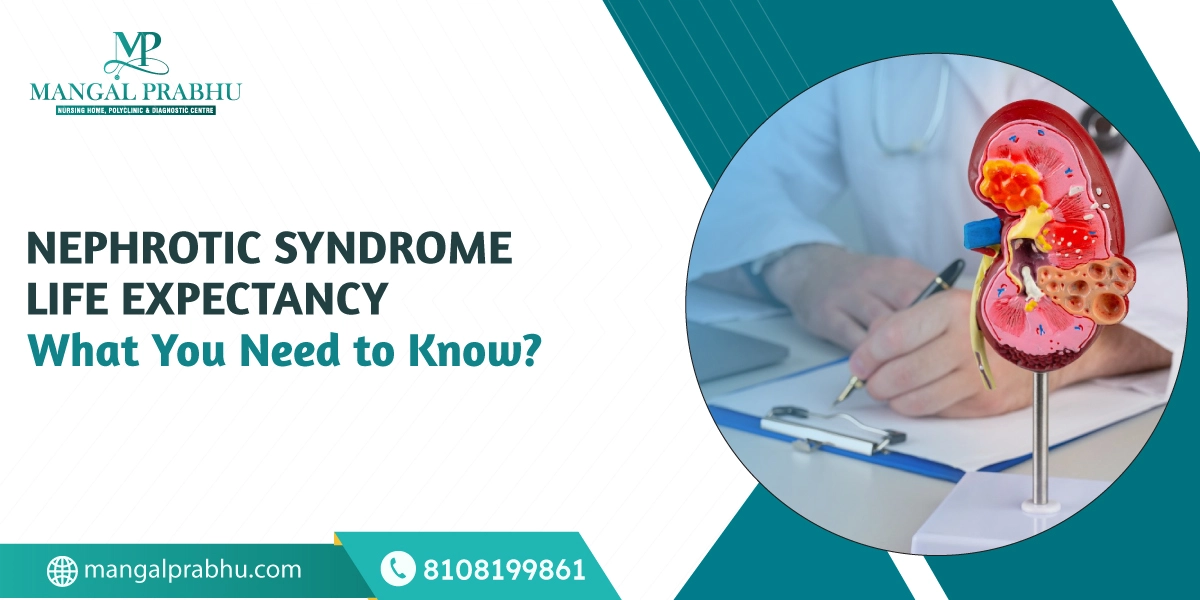
Nephrotic Syndrome Life Expectancy: What You Need to Know
Healthy kidneys do their jobs (filtering waste and excess fluid from your blood) efficiently. In people with diseased kidneys, the filters may not work properly and cause protein to leak into the urine. This causes low levels of protein in your blood and high levels in urine. In medical terms, it’s called Nephrotic Syndrome.
The issue can cause a range of symptoms, such as swelling of the ankles, legs, and other body parts. See a kidney specialist in Mumbai if you experience foamy urine, edema, fatigue, loss of appetite, and other such symptoms that might indicate nephrotic syndrome. In this post, we’ve discussed how the condition affects your life expectancy.
Factors That Affect Life Expectancy
Nephrotic syndrome can make you prone to secondary illnesses due to protein loss. These proteins include immunoglobulins, which fight infections, as well as proteins that prevent blood clots. Fortunately, some people recover fully. Others, however, may need to keep in touch with a nephrologist for regular monitoring.
Here are a few factors that can affect life expectancy in people with nephrotic syndrome.
- Age: Children are likely to recover well and respond better to medication compared to the elderly.
- Lifestyle: A sedentary lifestyle with poor dietary choices can put excessive strain on your already diseased kidneys. Quit smoking and avoid alcohol (if you haven’t already). Both can damage blood vessels, affecting your kidney function. Practice meditation and mindfulness to reduce stress.
- Underlying Issues: Nephrotic syndrome can develop due to underlying medical issues, such as diabetes or lupus. Recovery and life expectancy, in such cases, depend on how well the underlying illness is managed.
- Treatment: Early treatment can help preserve your kidney function. If not diagnosed and addressed soon, nephrotic syndrome can worsen into Chronic Kidney Disease or even kidney failure. The life expectancy of people with advanced kidney disease is often shorter than that of those with healthy kidneys.
How to Improve Life Expectancy with Nephrotic Syndrome
With proper treatment and some lifestyle adjustments, many people can go into remission. The prognosis is good for kids, especially. Here is how you can improve your life expectancy if you have nephrotic syndrome.
- Follow Your Doctor’s Advice: Your healthcare provider may prescribe medication, which may be immunosuppressants, diuretics, or steroids. Medication to keep your blood pressure under control can also be recommended. Stick to the prescribed dosage.
- Manage Blood Pressure and Diabetes: Both can strain your kidneys and reduce their efficiency. Uncontrolled diabetes, especially, can negatively affect your kidney health.
- Follow a Kidney-friendly Diet: Avoid processed foods. Too much sodium, phosphorus, and potassium can also damage your kidneys in the long run. Salt, particularly, can increase blood pressure and cause swelling.
- Get Vaccinated: Get flu shots at a multispecialty hospital in Navi Mumbai to prevent pneumonia and other such infections. This helps reduce the risk of infections, which can worsen nephrotic syndrome.
While nephrotic syndrome is a serious issue, it can often be managed with the right treatment, a nourishing diet, an active lifestyle, and regular checkups. Many people live healthy and normal lives. In fact, some recover completely from nephrotic syndrome.

Hip Pain Causes in Females: Common Reasons & What To Do
Hip pain in women is linked to many causes. Your hip joints are designed to handle wear and tear, but only to a certain degree. You must see an orthopedic doctor in Navi Mumbai if you experience persistent, sharp, or severe hip pain. They will run physical and imaging tests to find out the underlying cause.
Common Causes of Hip Pain in Females
The exact area that hurts might help pinpoint the cause of the pain. Make sure you tell your doctor whether the pain is on the outside of the buttock, around your hips, on the inside, or in another nearby structure. Here are some common causes.
1. Osteoarthritis
The most common cause of hip pain in females is osteoarthritis. If you have persistent hip pain with limited range of mobility, osteoarthritis can be the culprit. With age, your cartilage (that cushions your bones) wears away. Or, it might get damaged from a physical trauma. Without proper cushioning, your bones might rub against each other when you use your hip joint. This can cause stiffness and immense pain.
What to Do: Although it can’t be cured, osteoarthritis symptoms can be managed with physical therapy, pain meds, and corticosteroid injections. In cases where movements are severely restricted or the pain is unbearable, hip replacement surgery in an orthopedic hospital in Navi Mumbai might be your best option.
2. Bursitis
Bursae are the tiny fluid-filled sacs present in different parts of your body, including the hips. They act as cushions between your bones, muscles, and tendons. Repetitive movements, overuse, poor posture, injury, or aging can inflame these bursae. This can cause pain when the affected joint is used.
What to Do: Fortunately, bursitis can heal with home remedies, such as ice and heat massage, physical therapy, rest, stretching, and maintaining good posture. You can also take anti-inflammatory medicine to ease pain and inflammation.
3. Endometriosis
The tissue similar to the uterine lining might grow outside your womb, and in rare cases, outside your pelvis. The pain from endometriosis can radiate to your hip joints. If your hip pain is due to endometriosis, it might worsen during periods.
What to Do: Treatment of endometriosis focuses mainly on relieving pain. NSAIDs, hormonal therapy, and lifestyle adjustments might offer relief. In severe cases, a surgical removal of the endometrial tissue is necessary.
4. Fracture
A fracture occurs when the bone in your hip breaks. If you experience pain in one of the hips after a fall or an injury, accompanied by bruising or swelling, you might have sustained a fracture. The pain is intense and might affect your ability to move or bear weight.
What to Do: See an orthopedic doctor immediately. The treatment for a fracture, as well as whether surgery is needed, depends on its type and severity.
Conclusion
The cartilage, which prevents friction when you move your hip joints, can wear with age or repetitive movements. Overuse of muscles or tendons can cause hip pain in women. There are multiple causes. See your orthopedic doctor to pinpoint the exact reason for hip pain and learn more about your treatment options.

Periods with PCOS: What Every Woman Should Know
Polycystic Ovarian Syndrome is a woman’s hormonal issue. Many don’t even know they have it until they try to become pregnant. Symptoms of PCOS can also vary between women. Some may gain weight and experience difficulty shedding the extra pounds, while others develop facial hair, acne, and suffer from hair loss.
A common issue that most women with PCOS face is irregular periods. A gynecologist in Navi Mumbai can offer personalized treatment for PCOS. Meanwhile, here’s all you should know about PCOS and how it affects your periods.
What Exactly Happens in PCOS?
The main reproductive hormones that a woman’s body produces are estrogen and progesterone. They also produce a small amount of male hormone, called androgen. In women with PCOS, the androgen level surges, causing strange symptoms, like facial hair growth and hair loss. This hormonal imbalance can affect your menstrual cycle. Your period might be late, too early, or absent for months.
This happens when your ovaries develop tiny fluid-filled sacs, called follicles. These contain your eggs. Normally, one of the ovaries releases a mature egg during ovulation. In PCOS, multiple follicles are produced, but they don’t mature. As a result, the eggs are not released.
How PCOS Affects Periods
You are diagnosed with PCOS when you have irregular periods, polycystic ovaries, or a high level of androgen.
Absent or Irregular Periods
A normal menstrual cycle is 28-35 days long. Bleeding lasts for 2-7 days. Many women with PCOS do not get their period for a month. This happens because of absent ovulation. When your ovaries do not release a mature egg, you may not ovulate. As a result, your uterine lining doesn’t shed. Your hormones might get out of control, leading to very few periods or absent periods.
Heavy Periods
Another common symptom of PCOS is heavy periods. This happens when the uterine lining becomes thicker over time due to a lack of ovulation and an irregular menstrual cycle. So, when your period does occur, the built-up lining sheds, causing heavy bleeding. Sometimes, the bleeding can last longer than 7 days. Some women also pass blood clots.
Painful Periods
In PCOS, women get periods after months. The thickened lining makes your uterus contract more than usual to shed the endometrial lining. This may result in pelvic inflammation and painful periods. Sometimes, ovarian cysts can become larger, causing pain in the back or lower abdomen. Severe menstrual cramps in PCOS can also suggest a co-existing medical issue, such as endometriosis.
Other Symptoms of PCOS
Apart from period irregularities, women with PCOS can have these:
Weight Gain: PCOS disrupts your metabolism, making it more challenging to lose weight. As a result, Women with PCOS develop excess weight, especially around the belly. Rapid weight gain in PCOS is also linked to insulin resistance.
Body Hair: High androgen levels lead to hirsutism, which causes unusual facial hair growth.
Acne: High androgen levels also increase sebum production, which makes your skin oily and prone to acne. Fortunately, PCOS treatment in Navi Mumbai offers hope to women who struggle with period issues, infertility, and other hormonal problems due to PCOS.
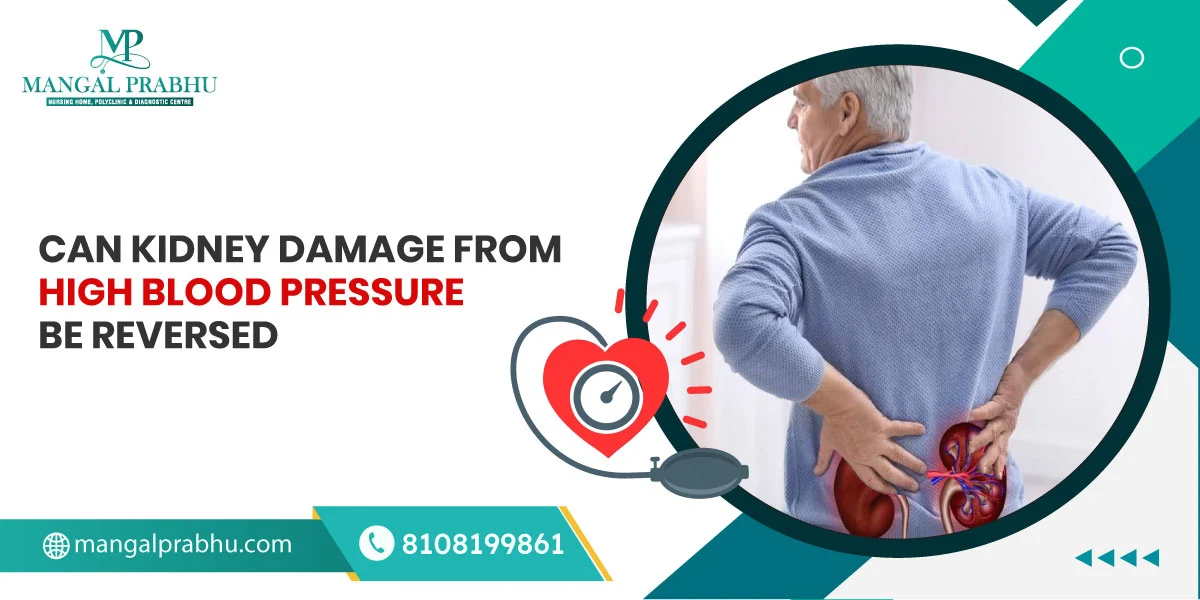
Can Kidney Damage from High Blood Pressure be Reversed?
High blood pressure can damage your blood vessels, which in turn, affect your many vital organs, including the kidneys. A normal blood pressure reading is below 120/80 mm Hg. If you have multiple readings showing a blood pressure higher than normal, you may have hypertension.
It’s important to visit a multispecialty hospital in Navi Mumbai and get prescription medication for keeping your blood pressure levels under control. The question is, how does it affect your kidneys, and whether it’s possible to reverse kidney damage caused by hypertension. Let’s find out.
Effect of High Blood Pressure on Your Kidneys
Your kidneys filter the blood in your body around 40 times a day. They have tiny blood vessels through which the blood passes and gets filtered. The waste products are expelled through urine. High blood pressure can damage these small blood vessels over time, making it harder for your kidneys to do their jobs effectively.
As a result, their filtration capacity declines. This can lead to excess waste, fluid, and salt in your body. The swelling in the feet is a common sign of a kidney disease. It signals fluid retention. This can progress into chronic kidney disease or kidney failure.
Kidneys release a hormone called renin, which regulates your blood pressure. When your kidneys aren’t functioning optimally, they may not eliminate excess fluid from your blood. This fluid buildup can increase blood pressure, which worsens your kidney disease. The cycle continues.
Can Kidney Damage from High Blood Pressure be Reversed?
There’s no clear-cut answer to this. If the damage is minimal, your kidney function can be restored by restoring your blood pressure to normal levels. To stabilize your kidneys, you may have to take prescribed medication, follow a kidney-friendly diet, and adopt a healthy lifestyle.
If the tissues have scarred, the reversal may not be possible. That’s because the scarred kidney tissues can’t be regenerated. However, you can slow the progression of the disease by controlling the blood pressure (if it’s the only underlying cause of CKD).
In patients diagnosed with end-stage kidney disease, dialysis and kidney transplant are the only viable treatment options for survival. See a kidney specialist in Navi Mumbai to discuss your treatment options based on the severity of the damage.
Tips for Reversing Kidney Damage
These tips can help improve your kidney function:
Keep Your Blood Pressure in Check: The doctor may recommend vasodilators to widen the blood vessels for smooth blood flow, ACE inhibitors, and ARBs to stabilize your BP, and Beta Blockers to make it easier for your heart to pump blood effectively. Take your prescription medicines following the right dosage.
Eat Right: Limit salt consumption to 5-6g a day. Your doctor might also advise you to limit protein, potassium, and even fluid intake. Eat leafy greens, fresh fruits, whole grains, and other kidney-friendly foods.
Follow a Healthy Lifestyle: Avoid alcohol and smoking, as they might damage your blood vessels and cause high blood pressure. Exercise regularly to maintain a healthy weight and regulate blood pressure.
Seek medical help immediately if you notice foamy urine, reduced urine output, shortness of breath, swelling in the ankle, face, or legs, and fatigue.
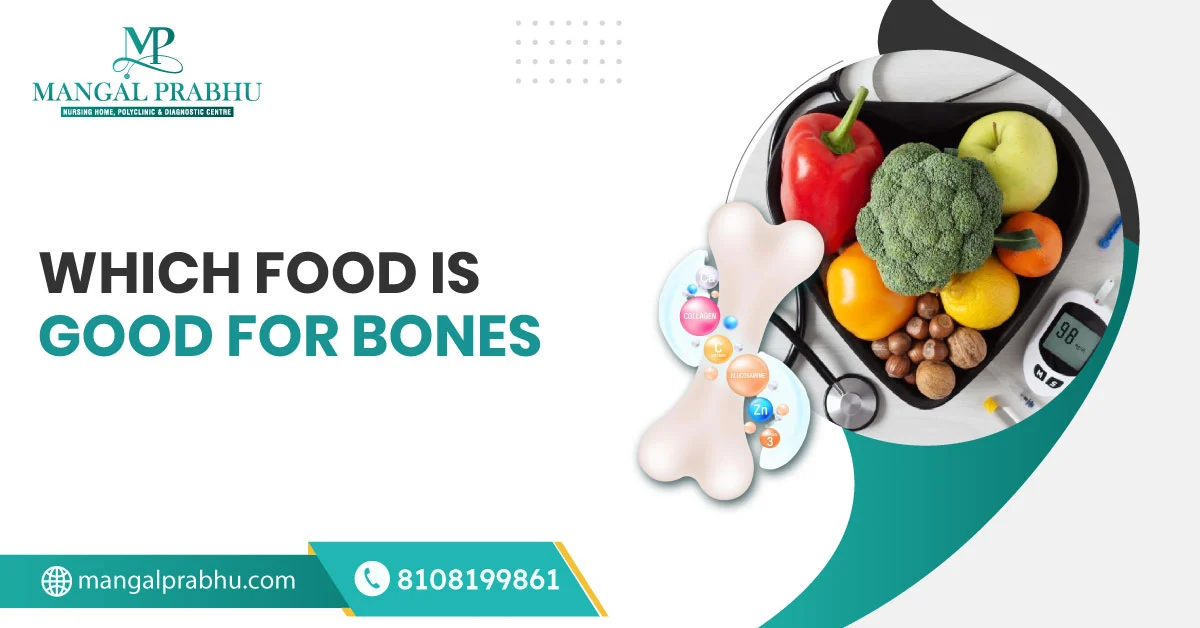
Which Food is Good for Bones
With age, your bone density decreases. Women, particularly, are more likely to experience osteoporosis after menopause, as their estrogen level declines rapidly. Your bones break down and rebuild. However, the rate at which your bones regenerate drops significantly as you grow older.
This heightens your risk of bone fractures, requiring multiple visits to the orthopedic hospital in Navi Mumbai. Among the many factors that affect your bone health is your diet. We’ve researched the top 7 foods that can keep your bones healthy. Here’s a look.
7 Bone-friendly Foods
- Dairy Products
Just one glass of milk (approx 250 ml) has as much as 300mg of calcium. That’s up to 30% of the calcium that you need every day. Cheese is also a delicious and healthy source of calcium. To complement these, you can add yogurt to your diet. It improves calcium absorption.
- Eggs
Eggs, especially the yolk, contain vitamin D, which helps deposit calcium into your bones. It also contains phosphorus, zinc, choline, and protein, which support good bone health. The protein found in eggs offers amino acids, which aid in building and repairing bones.
- Leafy Green Vegetables
Leafy greens like spinach, kale, cabbage, and collard greens are not only an excellent source of calcium, but they also have several nutrients that support your overall bone health.
They have fiber, antioxidants, folate, and vitamin K (which binds calcium in your bones). Gentle cooking will help preserve the vital nutrients in these vegetables. To make the best of it, consider making salads, green chutney, or adding them to Dal.
- Beans and Lentils
Dal is a staple food in India. So, it may not be hard to add them to your bone-friendly diet. Beans, like soybeans and kidney beans, are also great foods for your bone health. They contain plenty of phosphorus, magnesium, and calcium, all of which are vital for building and repairing your bones. Beans and lentils also provide antioxidants that are good for your gut health.
- Fatty Fish
Fatty fish contain omega-3 fatty acids and vitamin D, which support calcium absorption and help control inflammation. Sardines, especially, are known for offering calcium. To get maximum nutrients from fatty fish, consider baking and grilling them instead of deep frying.
- Nuts and Seeds
Nuts and seeds have calcium, magnesium, protein, and healthy fats, all of which are essential for good bone health. Almonds, chia seeds, and walnuts are a few options you can add to your bone-friendly diet.
- Fruits
Three dried figs contain around 90 mg of calcium. Figs, prunes, and other fruits (essentially the ones rich in vitamin C) are often recommended by an orthopedic doctor in Navi Mumbai. They help absorb calcium from plant-based foods, such as leafy green vegetables. You can add these fruits to oatmeal or smoothies. Or, you can have them raw.
Conclusion
A balanced diet with vegetables, healthy fruits, lentils, nuts & seeds, and dairy products makes an excellent choice for people concerned about their bone health. These foods help keep your bones in good health. While calcium supplements can be used for bone health, avoid going overboard with supplements, as they might increase your risk of kidney stones.
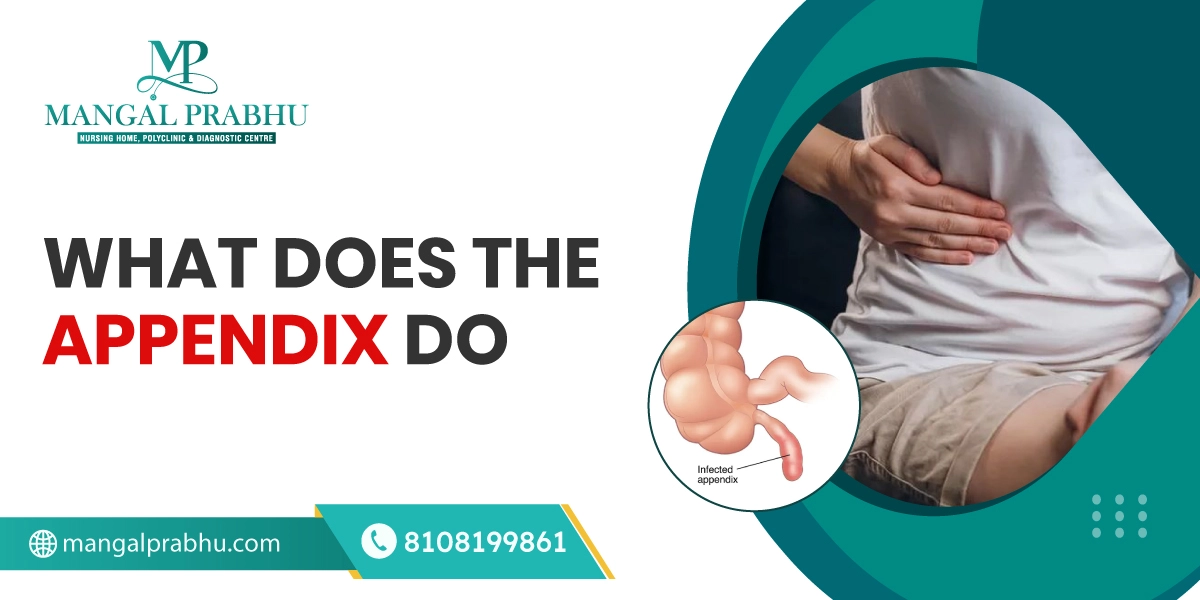
What Does the Appendix Do?
The tiny finger-like pouch that hangs from your large intestine is deemed useless. For instance, when you seek laparoscopic appendectomy treatment in Navi Mumbai, you are told that you’d live a healthy and normal life, like usual, without an appendix.
Appendix can become inflamed and may even rupture, raising the risk of a widespread infection. In rare cases, it can become cancerous. While it carries risks, years of research and recent studies show that the appendix may not be useless. In this post, we’ll take a look at the most commonly asked question, “What does the appendix do?”
Common Beliefs
There’s a common belief that the appendix is a leftover that offers zero benefits to your health. This 4-inch-long tube is located in your lower right abdomen. Scientists believe that the use of the appendix has diminished over time.
Our ancestors would eat raw leaves, roots, and a considerable amount of plant-based meals. The appendix would support their digestive system in breaking down the cellulose. Now that our diets are mostly composed of cooked food, the function of the appendix has been reduced.
Another theory is that removing the appendix in people diagnosed with appendicitis would cause no long-term harm to the patient. So, they drew the conclusion that the appendix had no function in our bodies.
Modern Theories
The appendix serves as a safe place for good gut bacteria. When you have diarrhea or an infection, the good gut bacteria, which help with digestion, might get flushed out. That’s when this backup supplies the good bacteria to your gut, speeding up your recovery and preventing complications.
This may not seem useful in today’s times, especially in places where good sanitation, balanced diets, and healthy lifestyles are observed. But before industrialization, diarrhea and abdominal infections were common. Appendix would play a role in helping people recover by colonizing the gut with healthy bacteria.
It also plays an important role in immune function. Appendix has a significant amount of lymphocytes, immune cells that produce antibodies, which fight off pathogens. They train your immune system to recognize and respond to harmful bacteria or foreign invaders. Simply put, your appendix helps your body remove bad bacteria while keeping the good ones.
What Complications Can It Cause?
The traditional belief has led to a surge in appendectomies (the surgical removal of the appendix). If a person is diagnosed with appendicitis, the safest bet is to have the organ removed. Appendicitis occurs when your appendix becomes inflamed.
The infection can spread rapidly within and outside the appendix. It can spread in your abdominal cavity, increasing the risk of peritonitis, and in severe cases, sepsis. This happens when the inflamed appendix bursts. Although detaching the appendix from your colon and removing it altogether might be the safest way to eliminate the risk of complications of appendicitis, the surgery doesn’t come without risks. Seek immediate medical care from a general surgeon in Navi Mumbai if you suspect appendicitis. If the appendix ruptures, the infection might spread and can lead to life-threatening complications.
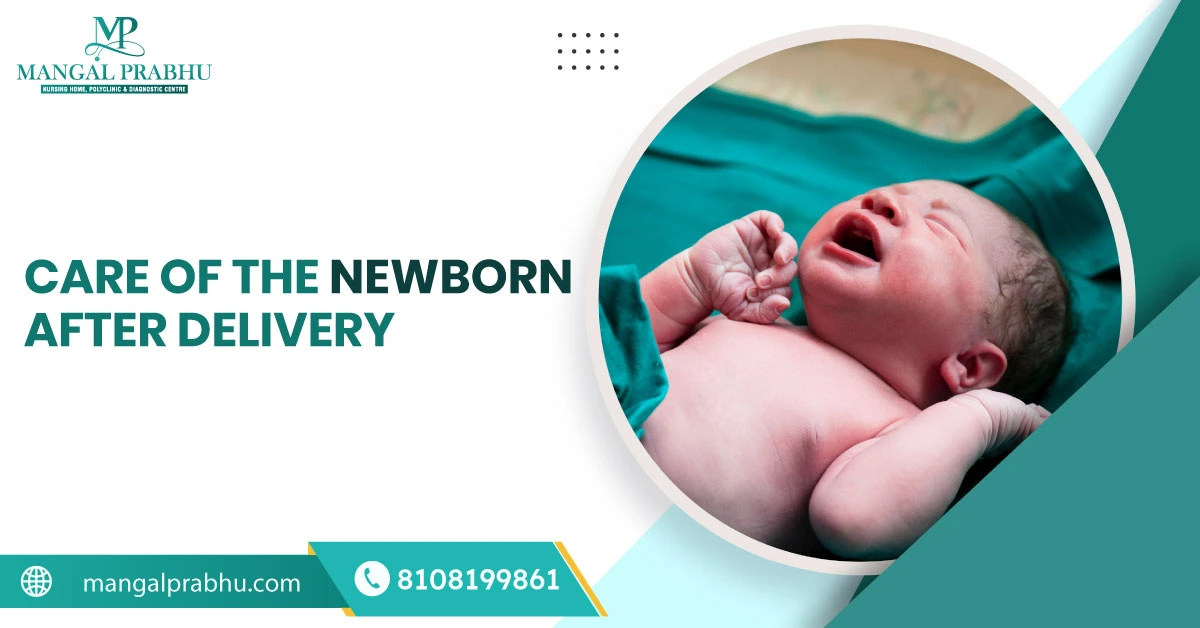
Care of the Newborn After Delivery
Babies have exceptional abilities. They start adapting to life outside the womb from the moment they are born. Until now, they were dependent on your placenta for nutrition and oxygen supply. After birth, their lungs start exchanging oxygen and carbon dioxide.
You may have attended maternity sessions or read articles about how to care for your newborn. However, there are a few essential things that a child specialist in Navi Mumbai recommends for babies shortly after birth. Knowing these care tips can help you stay prepared. Let’s see what care a newborn needs after birth.
1. Provide Warmth
Babies remain in the amniotic fluid in their mother’s womb and are hence born wet. The first thing the healthcare team does at a maternity hospital is to prevent heat loss in the babies. They put a cap on them, wrap them up in a towel, and use heat lamps. Mothers are encouraged to have immediate skin-to-skin contact with the baby to provide them warmth. This contact also strengthens the bond between the mother and the baby and helps mothers initiate breastfeeding.
2. Monitoring Vitals
A pediatrician checks your baby’s vitals, such as pulse rate, skin color, breathing, activity, and reflex response, within a few minutes after birth. Additionally, their weight, head circumference, and length are checked. Underweight or overweight babies might require extra care at a pediatric hospital in Navi Mumbai. This evaluation gives your pediatrician a better idea of whether a baby is healthy or if they need special care at the NICU.
3. Initiate Breastfeeding
It’s advisable to start breastfeeding in the first few hours of your delivery (if you have had a vaginal birth). C-section moms can start breastfeeding as soon as they feel comfortable. Your gynecologist will explain the benefits of breastfeeding, especially in the initial hours after delivery. The first milk is called colostrum, which is rich in antibodies and offers all the nutrients your baby needs to grow. Feeding them shortly after birth also stimulates milk production in mothers.
4. Umbilical Cord Care
Your gynecologist will clamp and cut the cord near the navel. Rest assured, the baby won’t feel any pain. The rest of the stump will fall off on its own within a week. Do not try to pull it. Avoid ointments and powders. Just keep the area clean and dry. When using a diaper, make sure it’s folded or taped below the stump. Visit a pediatrician if you notice pus, redness, swelling, or a foul odor near the stump, as these are signs of infection.
5. Give them Doctor-Prescribed Medications
Babies do not have enough vitamin K. They need a vitamin K shot after birth to prevent serious bleeding. It’s administered within an hour of birth. They are also given eye drops that protect their eyes from infections. Additionally, your pediatrician may prescribe vitamin D drops (which are given for up to a year).
Your doctor will explain the newborn care tips for when you take your baby home. Focus on feeding them every 2-3 hours, keeping them warm and dry, watching for jaundice, and ensuring they sleep on their back.