

Common Health Problems in the Elderly
With age, our organs grow older, too. This, combined with genetics, can make the elderly more likely to develop a chronic medical illness. According to a general physician in Navi Mumbai, most people over 60 years old have at least one chronic condition, and some have multiple.
Understanding chronic and other medical issues that arise with age can prepare you for the future. Although not every medical illness can be prevented, most conditions are treatable when diagnosed early.
Most Common Health Issues in Elders
- Chronic Illnesses: With age, our immune system gets weaker. This makes people more prone to infections and chronic health issues.
- Heart Diseases: The most common cause of death in the elderly is heart disease. It’s linked to high blood pressure, high cholesterol, and a sedentary lifestyle.
- Diabetes: It is another common chronic illness among elders. Diabetes occurs when your body is unable to regulate blood glucose levels because of problems with insulin function. Regular checkups, a diabetes-friendly diet, and a healthy lifestyle are a few ways to manage your blood glucose levels.
- Arthritis: It is the inflammation of your joints due to the worn cartilage. This causes excruciating pain during movements, swelling, joint stiffness, and reduced mobility.
Cognitive Decline
It’s normal to experience difficulty remembering things, but if the memory loss is interfering with your daily life or is affecting your ability to think, judge, and make decisions, it could be a cognitive decline. The most common issue is dementia.
Sensory Problems
Your vision and hearing also decline with age. Eyesight issues are usually part of aging, but they can get worse in patients with an existing chronic illness, like diabetes or hypertension. Likewise, many elders feel isolated due to their reduced hearing capabilities.
Mobility and Fall Risks
Reduced bone density and weaker bones can increase your risk of falls and injuries. Many elders die because of accidental injuries due to osteoporosis or osteoarthritis. With age, your muscles lose strength, and you are likely to have balance issues. Additionally, slower reflexes can lead to falls, which may necessitate hospitalization and invasive treatments.
Mental Health Concerns
Advanced age can also lead to many mental health issues, especially depression and anxiety. Unfortunately, these issues in senior citizens tend to go unaddressed, since people usually associate them with a normal sign of aging. It’s important to see a psychologist at a multispeciality hospital in Navi Mumbai if you experience the symptoms of anxiety or depression.
Prevention and Management
As mentioned earlier, genetic illnesses are not preventable. However, these tips can still make a big difference to your quality of life.
- Healthy Lifestyle Tips: Sleep speeds up your recovery and helps with cognitive function. So, aim for a good 8-9 hours of sleep. Eat green, leafy vegetables, fruits, whole grains, and lean proteins. Stay active. And avoid alcohol and smoking.
- Regular Checkups: A visit to your physician for a routine checkup is all it takes to catch infections, diabetes, high blood pressure, and other issues early on.
- Importance of Support Systems: Support from your loved ones can positively affect your physical and mental health. Whether it’s emotional support or physical help with daily tasks, having someone you can rely on can help you enjoy stress-free aging.

Difference Between Generic and Branded Medicine in India
India’s affordable pharmaceutical industry has made our country one of the leading suppliers of drugs across the world. However, not every drug prescribed by a professional at a hospital in Navi Mumbai is cost-effective. If you have ever wondered whether an affordable counterpart of an expensive, branded medicine is available, you aren’t alone.
Generic medicines offer the same health benefits as their branded counterparts, but at a cheaper price. In this post, we’ll share the details of generic and branded medicines to help you make an informed choice between the two.
Difference Between Generic and Branded Medicine in India
What are Generic Medicines?
Generic medicine has the same chemical composition as its branded versions. The dosage, use, and health benefits of generic and branded medications are similar, except that the branded version comes in fancy packaging and has a unique brand name.
Generic medicines, on the other hand, do not have special packaging. They are affordable because manufacturers do not pay for expensive marketing, advertising, and packaging, making them a cheaper alternative to their branded counterparts. Besides, generic medicines are produced when the manufacturer’s patent expires.
What are Branded Medicines?
When research departments in pharmaceutical companies launch a new drug, they are supposed to run clinical trials and have them approved by the Central Drugs Standard Control Organisation (CDSCO). They sell this newly launched medication under their brand name. These are the original versions of the generic medicines.
The manufacturer spends significantly on marketing to promote the new drug to healthcare companies. Since a single company solely produces branded medication, it is sold at an exponentially higher rate than generic medication.
Key Differences Between Generic and Branded Medicines
Let’s clear the major differences between these two popular medicines:
- Composition: The composition of both drugs is similar, with the same ingredients being used in the generic medicines as in the branded ones. The shape and color, however, may differ. As mentioned above, packaging might also be different, but for most people, both drugs work similarly.
- Pricing: Generic medicines are cheaper than branded drugs. Manufacturers price branded medicines higher to recover their expenditures on production and marketing.
- Regulatory Requirements: Branded drugs are rigorously tested for effectiveness before being released. Authorities match generic medicines with branded ones to see if they are equal to their original variants and have similar effects.
Consumer Awareness and Choice
So, which medicine is better? It’s best to consult your healthcare provider for guidance. They will tell you if a cheaper alternative to a branded medication is available and whether it’s suitable for you. Some doctors advise patients to stick to the branded versions due to individual sensitivity.
However, patients who need a certain drug for long-term use may consider generic drugs, as they offer the same relief and are light on the wallet. Visit an affordable hospital in Navi Mumbai for generic medications.
Always check with your doctor before using generic variants. It’s also advisable to go over the ingredient list to ensure the drug contains no allergens that could trigger a reaction.
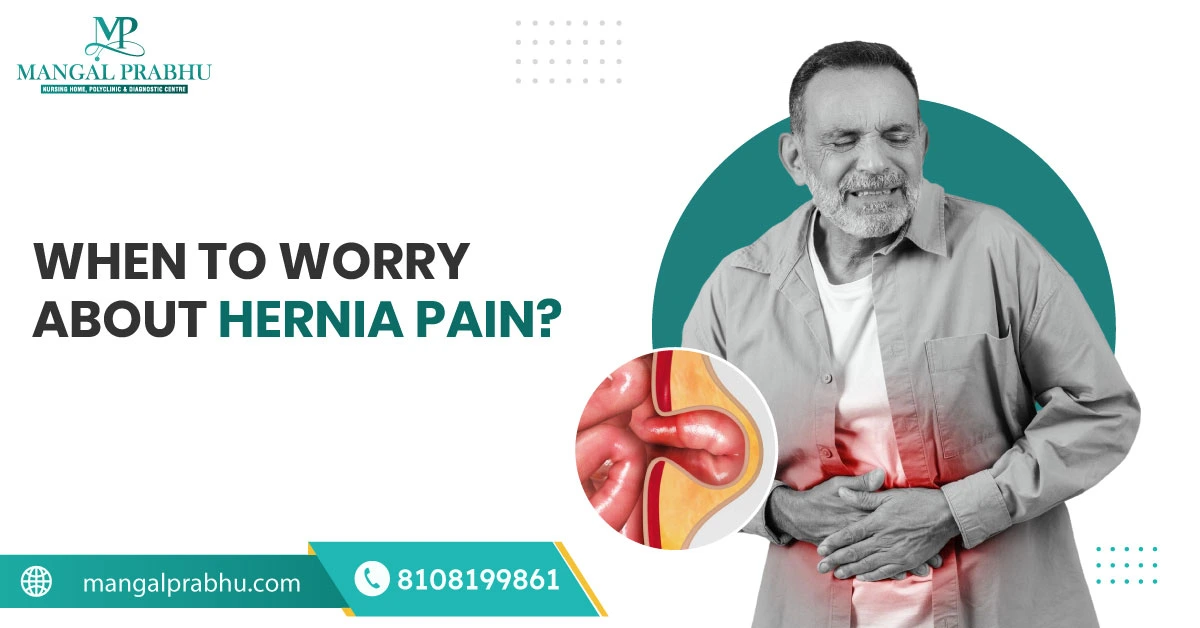
When to Worry About Hernia Pain?
Hernia may appear as swelling at first. However, it can cause immense pain and discomfort. It may sound daunting, but a hernia is a common condition affecting many worldwide. Depending on the severity, you may need to undergo hernia surgery in Navi Mumbai. Before we dive into the signs that call for medical attention, let’s quickly understand a hernia.
Hernia: What Is It?
Hernia occurs when internal organs, like the intestine, poke through the abdominal wall. It might appear as a bulge. Hernia can occur anywhere on the body but is most commonly observed around the groin area and abdomen. This lump is more noticeable when you bend or cough. Putting pressure on the affected site might also make it more prominent. It may disappear when you lie down.
Recognizing Hernia Symptoms
You might have a hernia if you notice these symptoms:
- A lump that’s visible when you strain
- Pain in the affected site
- Bloating
- A heavy sensation
- Nausea or heartburn (if it’s a hiatal hernia)
Hernia pain feels like a dull ache, but can be a stabbing sensation for some people. It worsens when you engage in physical activities such as heavy lifting, bending, or straining, and it eases when you rest.
If the bulge doesn’t seem to disappear or go back to its original place, even when you lie down or push it back, see a general surgeon in Navi Mumbai immediately. Medical attention is important if the hernia turns red, is extremely painful, or becomes hard.
Causes and Risk Factors
Hernias occur in people with weak abdominal muscles, babies, and people recovering from surgery. Repetitive straining, especially when passing a bowel movement or urinating, can also increase your risk of developing a hernia. Here’s a list of the common causes:
- Lifting heavy weights with poor posture
- Sneezing or coughing frequently
- A history of surgery
- Pregnancy
- Constipation
Although people of any age can develop a hernia, older people are at an increased risk because of weakened muscles and tissues. Other risk factors include being overweight, smoking, and having a family history of hernia.
When to Seek Medical Attention
If your hernia causes slight discomfort but gets pushed back in its place, it may not seem concerning. If the pain is intense pain that won’t get better with medication or by pushing the bulge in, it’s best to see a doctor.
Some unusual warning signs of a complication from a hernia include vomiting, inability to pass gas or stool, and redness around the hernia.
Diagnosis and Treatment Options
Your doctor will easily know whether it’s a hernia by looking at the bulge. They might recommend further testing for a thorough evaluation, though. A CT scan, endoscopy, or an ultrasound is commonly used to detect a hernia.
Surgery is often recommended for treating hernias. In an open surgery, the surgeon pushes the hernia back into its original place and reinforces the weakened muscle with a mesh to prevent its recurrence. Laparoscopic surgery can also be performed if the patient wants a less invasive surgical approach.
Sometimes, watchful waiting and lifestyle adjustments can help ease your symptoms. Hernia can be mild or severe, which is why noticing the early signs is important to know whether medical care is necessary.
10 Functions of Hospitals
Everyone is familiar with the word “hospital”. We know we need to get to an affordable hospital in Navi Mumbai when we are sick. But that’s not everything a hospital does. A hospital is the most crucial element of a healthcare system. Here’s the list of the 10 vital functions it’s famous for.
1) Patient Care and Treatment
The primary and most common function of a hospital is patient care. Nurses, doctors, and surgeons work together to diagnose and treat medical illnesses ranging from a simple cold to a more severe disease. Whether it’s inpatient service that requires an overnight stay or outpatient care, a hospital offers care to all kinds of patients.
2) Diagnosis and Medical Investigation
Hospitals are equipped to allow doctors to conduct various tests, such as blood tests, MRIs, CT scans, and ultrasounds. These are used to investigate the root cause of a medical issue, based on which doctors can determine the most viable treatment plan.
3) Emergency and Trauma Services
Hospitals have a room dedicated to patients who sustain severe injuries in accidents or those who experience a critical medical issue that requires prompt attention. The doctors in the hospital can address anything from injuries sustained in a car crash to heart attacks.
4) Surgery and Specialized Procedures
Hospitals have surgeons and specialists who perform critical surgeries. They are familiar with invasive and non-invasive procedures.
5) Maternity and Neonatal Care
A multispecialty hospital in Navi Mumbai has a maternity ward for mothers and a NICU where the baby’s health is monitored. Women can consult a gynecologist to ensure a smooth pregnancy and safe delivery, while parents can see a pediatrician to discuss their children’s health issues.
6) Health Education and Awareness
Many hospitals organize health and wellness programs that educate the general public about the importance of hygiene, early signs of chronic diseases, when to seek medical attention, a nutritious diet, and how to stay healthy.
7) Medical Research and Innovation
A hospital’s research department has scientists who develop new drugs and innovative treatment approaches that improve treatment success and patients’ survival rates.
8) Training and Education of Healthcare Professionals
The hospital is a place for aspiring healthcare experts who want hands-on experience in a professional setting. Interns and resident doctors can learn from their seniors and assist them in complex procedures.
9) Rehabilitation Services
Patients recovering from an injury, illness, or other medical issues that have affected their mobility, strength, and physical or mental health can seek rehabilitation services in a hospital to get back on their feet faster.
10) Administrative and Support Services
A hospital isn’t just a place for the medical staff to care for patients or help people recover from illnesses. There’s a technical team, accounting and HR department, and other such professionals who do a lot to ensure the smooth running of all medical operations. From managing bills to keeping patients’ records and ensuring their confidentiality, there’s a lot that goes on in the background.
These were the top 10 functions of the hospital. There’s a reason a hospital is considered the heart of a healthcare system. It’s a place for people to heal, learn, discover, and get support from professionals.

What are the 4 Stages of Appendicitis?
Appendicitis refers to the infection and inflammation of the appendix, which is located in the lower right abdomen. It requires a visit to the general surgery hospital in Navi Mumbai.
Surgical intervention is often necessary, as removing the infected appendix is crucial to prevent the infection from spreading all over the abdomen and into the bloodstream. This occurs when the appendix bursts. In this post, we’ll discuss the four stages of appendicitis.
i) Initial Stage: Early Appendicitis
In the early stage, appendicitis may cause pain in the navel, which might shift toward the lower right abdomen. The pain is usually not too severe, but might occur with nausea and loss of appetite. Identifying these symptoms and seeing a doctor as soon as possible is important to prevent complications.
ii) Second Stage: Suppurative Appendicitis
The next stage is critical. The pain intensifies, and other symptoms might develop. It can be felt in the lower right side of the abdomen. As the infection progresses, you might develop fever, vomiting, weakness, and a general feeling of being unwell. Suppurative appendicitis is a stage where bacteria might develop and multiply inside the appendix. This can lead to the pus buildup, which eventually leads to increased pressure and a greater risk of rupture.
iii) Third Stage: Gangrenous Appendicitis
If the appendicitis is not addressed, it may lead to the third and a critical stage called gangrenous appendicitis. This carries a significantly increased risk of rupture, as the cells might start to die. The symptoms are similar to the ones mentioned above, with excruciating pain. Meet an appendix surgeon in Navi Mumbai to have the appendix surgically removed immediately.
iv) Final Stage: Perforated Appendicitis
If the appendix has not been removed yet, the infection can progress rapidly, leading to the final stage of appendicitis. Perforation or burst appendix is a serious medical condition. It involves infection spreading to the abdominal cavity and eventually into your bloodstream.
Immediate medical attention is needed if the appendix bursts, as the widespread infection can cause sepsis. The symptoms usually include a sharp pain in the lower abdomen. The pain might shift and be accompanied by a rigid abdomen.
Diagnosis and Treatment
Appendicitis is diagnosed through physical examination. The doctor will check the abdomen and notice your reaction to touching and releasing the painful site. They will also order blood tests, which may suggest an elevated white blood cell count, indicating an infection. To rule out other underlying health issues, imaging tests such as X-rays, ultrasounds, and MRIS can be recommended.
Treatment for appendicitis mainly includes antibiotics to treat the infection, followed by the removal of the appendix. The doctor may also drain the fluid before performing the surgery. If you’re experiencing symptoms of appendicitis, consult a general surgeon in Navi Mumbai for timely diagnosis and treatment.
Recovery After Appendectomy
Recovery after laparoscopic appendectomy might take between 1 and 2 weeks. If you have had open surgery, recovery may take longer. Usually, laparoscopic surgery for the appendix is performed, but if it’s reached an advanced stage, a traditional open surgery might be necessary. Talk to your doctor about the recovery period and follow their instructions to ensure a smooth recovery.
4 Methods for Kidney Stone Removal
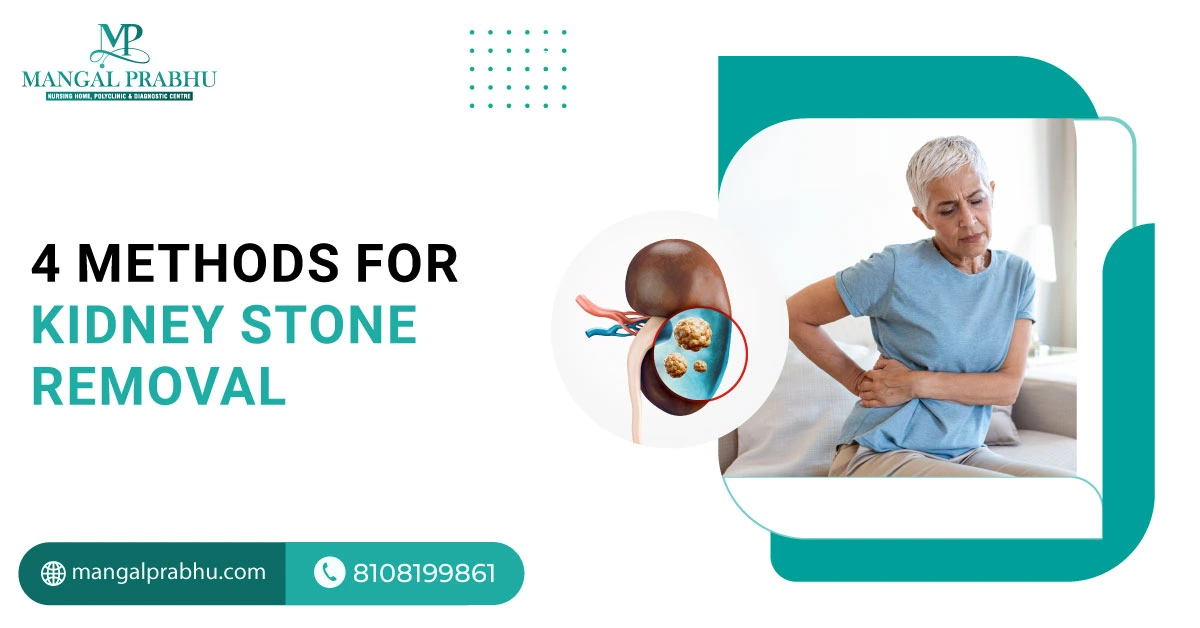
4 Methods for Kidney Stone Removal
Kidney stones can be super painful. While some are small enough to pass naturally through urine, others might get stuck in the ureters and cause immense pain. Fortunately, the urology hospital in Navi Mumbai is equipped with the technology to remove these stones easily. In this post, we’ve discussed the four methods for kidney stone removal. Here’s a look:
Method 1: Extracorporeal Shock Wave Lithotripsy (ESWL)
The doctor for kidney stones in Navi Mumbai will try all non-invasive medical options before considering a surgical intervention. Medication is usually the first line of treatment for kidney stones that are 5 mm or smaller. Alpha-blockers and pain relief medication support the quick and natural removal of the kidney stones.
While one relaxes your ureter’s muscles, the other helps manage pain. That said, the method may not work for every patient, particularly if you have larger stones. Drinking adequate water is also important to flush out kidney stones.
Method 2: Medication and Natural Remedies
This non-invasive method may sound pretty complicated, but it doesn’t involve any cuts or surgical intervention. The doctor uses machines that produce sound waves and target them at the stone location. These sound waves break the stones into smaller, multiple pieces, making them easier to expel through urine.
The procedure involves anesthesia to ensure the patient’s comfort. It lasts 45-60 minutes, and the patient can usually go home the same day. Multiple sessions of Extracorporeal Shock Wave Lithotripsy may be needed, depending on the size, location, and number of stones.
Method 3: Ureteroscopy
It’s another alternative to an open surgery for kidney stone removal. It’s a minimally invasive method to remove kidney stones. Ureteroscopy is performed under anesthesia. The doctor inserts the tool into your urinary tract and guides it to the location of the stone.
Depending on the stone’s size, ureteroscopy can either break kidney stones into multiple pieces or remove them at once. Recovery is quick, and patients can get back to their normal life shortly after ureteroscopy, although the stent might be placed to support urine flow and smooth healing.
Method 4: Percutaneous Nephrolithotomy (PCNL)
Percutaneous Nephrolithotomy (PCNL) is often the last resort for kidney stone removal. It’s an invasive surgical procedure that involves an incision in the back to access your kidneys. With the help of specialized instruments, the doctor breaks the stones for quick removal. The surgery is usually reserved for patients with large kidney stones that are 2 cm or larger.
Although the procedure is comparatively more complex than other kidney stone removal options, it has a higher success rate. The recovery may take a few weeks. You may also have to stay in the hospital for a day or two.
Conclusion
With multiple methods available for removing kidney stones, it can be overwhelming to choose the most appropriate one. It’s best to consult a urologist to know which kidney stone removal method is your best option. Your doctor will evaluate the stone’s size and location to determine which method is the best fit for your case.
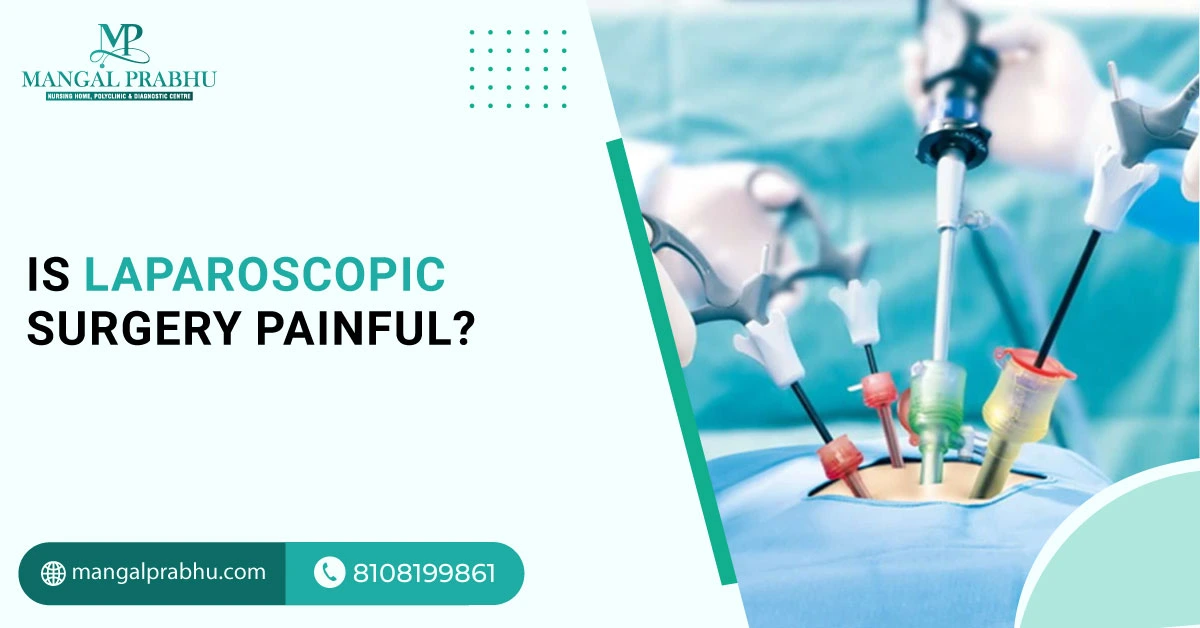
Is Laparoscopic Surgery Painful?
There’s an increasing demand for laparoscopic surgery in Navi Mumbai lately. The reason is its minimally invasive nature. With smaller incisions, it’s obvious that the recovery period will be much shorter than that in traditional surgery.
It’s performed as a diagnostic procedure (to look into your stomach and the pelvic floor for a detailed image of your internal organs) or as a surgical procedure (to fix the underlying issue). A commonly asked question among women undergoing laparoscopic surgery is, “Is the procedure painful?” Let’s find out.
Understanding Laparoscopic Surgery
The surgery is performed using a laparoscope, a rod-like tool with a camera at the end. The tool is inserted into your abdomen with a small cut, around half to one inch in length. The video camera attached to the laparoscope creates a clear picture of your internal organs on the monitor.
With real-time monitoring, the surgeon can move the laparoscope and execute the surgery precisely. The procedure is highly recommended when other non-invasive tests, such as ultrasounds, MRIs, blood tests, and CT scans, have failed to show accurate results. It’s also performed to collect tissues for biopsy.
Pain Levels During and After Surgery
You won’t feel anything during the surgery, as anesthesia (general or local) is used to numb the area. Despite being a minimally invasive procedure, laparoscopy can cause mild pain and discomfort after surgery. The pain can be managed with medication. Shoulder pain after surgery is also pretty normal.
It occurs because of the carbon dioxide used to inflate your belly to get a clear view of the organs. Apart from pain, you might notice bloating, which is another common side effect. It should resolve within a few days, though.
Here’s what affects your pain perception after laparoscopy:
- Your Pain Tolerance: Everyone has a different pain tolerance level. Some have the ability to cope with extreme pain, while others might not be able to handle mild pain. It varies from person to person.
- Surgery Type: Laparoscopy performed for a simple diagnostic procedure will be far less painful than the surgery for endometriosis, fibroid removal, and other complex surgical procedures.
- Surgeon’s Performance: Pain level after laparoscopy also depends on your surgeon’s performance. A qualified and experienced general surgeon in Navi Mumbai can execute the surgery without damaging the surrounding tissues. This can reduce postoperative pain.
- Psychological Triggers: Patients with anxiety, fear, stress, and other mental issues might have a lower threshold for pain than people who are calm.
Managing Pain Post-Surgery
Mild pain after laparoscopy is usually not a cause for concern. Here are a few tips you must follow to ensure less operative pain and faster recovery:
- Get adequate rest
- Eat nourishing foods and drink plenty of water
- Get pain medication
- Practice gentle movement and go for a walk every day to stay fit and prevent blood clotting.
Make sure you follow up with your surgeon for 2-3 weeks following the surgery. They will assess your incision site and overall health. See your doctor immediately if you have bleeding from the incision site, excessive pain that doesn’t respond to medication, fever, and other signs of infection.
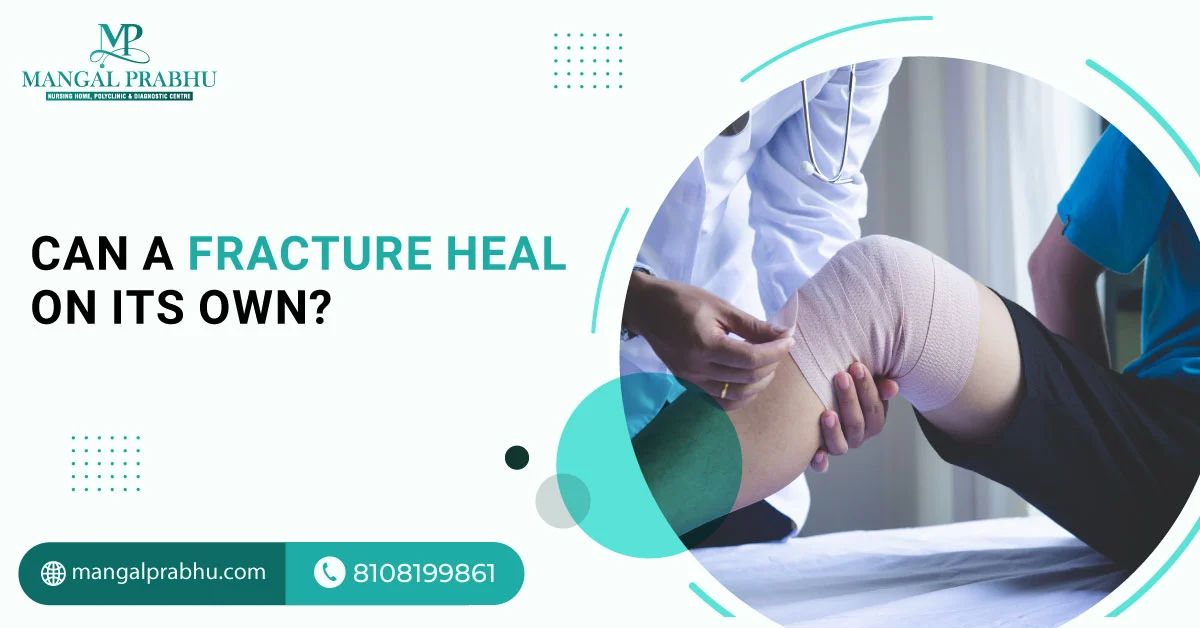
Can a Fracture Heal On Its Own?
Can a Fracture Heal On Its Own?
Our bones have limited flexibility. They can handle pressure only to a certain extent. When exposed to a significant force, they might fracture. While it’s obvious that a severe fracture requires an immediate visit to the orthopedic hospital in Navi Mumbai, people often wonder if mild fractures can heal on their own.
Fractures can often be healed with home remedies. However, this applies only to certain types of fractures. Let’s discuss it in detail:
a) Types of Fractures
A bone fracture is when your bone breaks partially or completely. It may vary in severity, depending on how forcefully your bone got hit. Here is the classification of bone fractures:
i) Simple Vs. Compound Fractures:
In a simple fracture, your bone cracks but does not break through the skin. The fracture isn’t severe enough to cause a deep wound. A compound fracture punctures your skin.
ii) Stable Vs. Unstable Fractures:
In a stable fracture, the broken parts of the bone do not get misaligned, while an unstable fracture causes the misalignment and the risk of further damage to the nearby ligaments.
It’s obvious that compound and unstable fractures require medical attention, while the simple fractures that do not cause any dislocation or skin wound can heal on their own.
b) Natural Healing Process
The timeline for recovery from a bone fracture may vary from person to person. A simple wrist or hand fracture might heal in 6 weeks, but the broken tibia can take up to 20 weeks to heal completely. Here’s the breakdown of the recovery phases:
c) Inflammation
Your body’s inflammatory response activates as soon as you have sustained a bone fracture. Due to the damage to the tissues and blood vessels, bleeding starts and the blood pools around the broken ends of the bone. This blood thickens and turns into a clot.
The dead cells die and are cleaned up from the site. During this phase, you will notice swelling and sharp pain. These are the signs that you are in the inflammatory phase of healing. It lasts 1-2 weeks.
d) Repair Phase
Once the dead cells are removed, your body will work hard to rebuild the new structure. It builds new cells, cartilage, and fibrous tissues. They all form a fracture callus, a soft patch where calcium deposits. It becomes harder to form a new, stabilized bone.
e) Remodeling
At this point, the fracture callus hardens, and the new bone starts forming. The progress is visible on an X-ray. You won’t feel the pain, swelling, and inflammation like before. However, the remodelling might go on for several months.
When Medical Intervention is Necessary
Unfortunately, not all fractures have a simple healing process. Here’s when you need to see a doctor for bone fracture treatment in Navi Mumbai:
- The bone has shattered into multiple pieces and has wounded your skin
- You have diabetes or other medical issues.
- The X-ray shows bone dislocation
Ideally, it’s best to consult a doctor to know whether the fracture is severe enough to require medical attention. Based on your symptoms and reports, you may need a cast, brace, or surgical treatment.
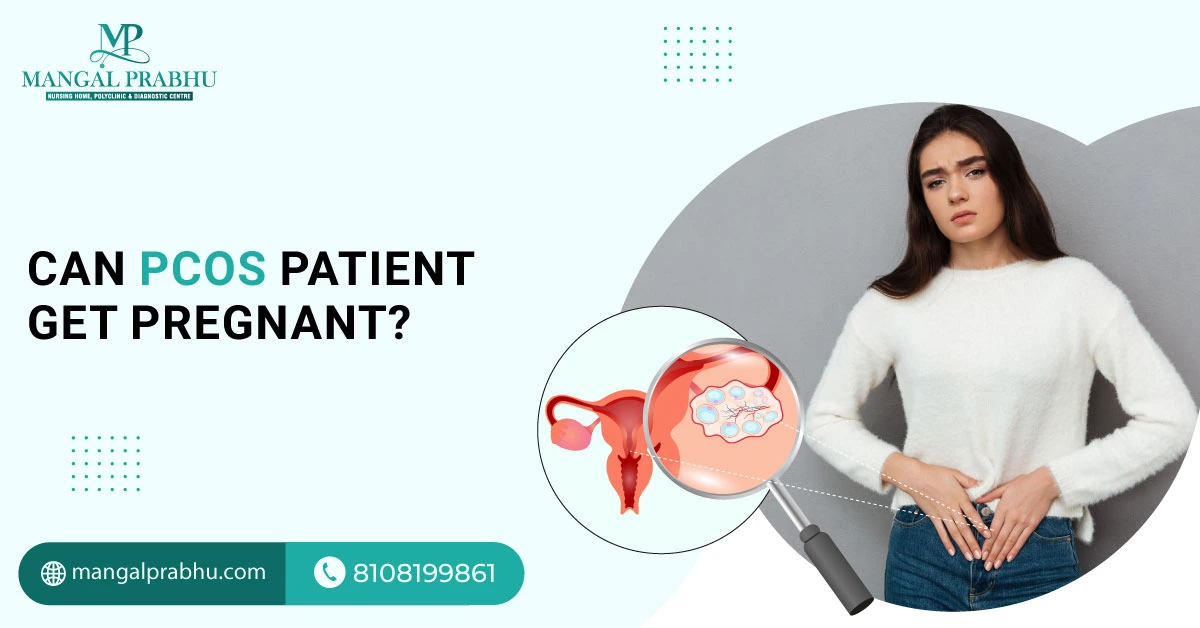
Can a PCOS Patient Get Pregnant?
While women with PCOS might face difficulty getting pregnant, it’s a treatable condition. With medication and lifestyle changes, you can conceive. Women are advised to get PCOS treatment in Navi Mumbai to improve their chances of pregnancy. Let’s take a detailed look at “Can a PCOS patient get pregnant”? And how PCOS is managed in women planning pregnancy.
Can PCOS Patients Get Pregnant?
Polycystic Ovarian Syndrome (PCOS) is a hormonal condition that disrupts a woman’s ovulation cycle. Normally, your ovaries release an egg every month during your ovulation cycle. In PCOS patients, the follicles do not release a mature egg, resulting in irregular periods. This also happens because of a hormonal imbalance.
PCOS results in increased production of androgens (male hormones) and reduced production of estrogen. This affects your fertility. If your follicles do not produce mature eggs, there’s no chance of fertilization. That said, even with PCOS, some women tend to ovulate. It may not be regularly, but occasionally. All you need to do is use an ovulation tracking kit to find the best time to try.
Treatment Options to Enhance Fertility
Here’s what your doctor may advise you if you are trying to conceive with PCOS:
i) Lifestyle Changes
If your BMI is above 30, focus on losing weight. Eat a nourishing diet and stay active. Losing just 5-10 percent of weight will be enough to restore your normal ovulation cycle. Additionally, mental stress can worsen symptoms. Practice meditation and yoga, and indulge in your hobbies to de-stress your mind.
ii) Medical Treatments
Your gynecologist in Navi Mumbai might recommend medication to stimulate your ovaries to produce and release a mature egg every month. You will be prescribed clomid or metformin (if you have insulin resistance with PCOS). The goal is to correct your disrupted ovulation cycle, which may eventually help you conceive.
iii) Assisted Reproductive Technology
If none of the above treatment options work, your last resort is Assisted Reproductive Technology (ART). It’s a collective name for treatments that involve sperm and egg fertilization outside your body. The most common ones are In Vitro Fertilization (IVF) and Intrauterine Insemination (IUI).
A fertility specialist will prescribe medication to stimulate your ovaries to release eggs. These are collected through a minimally invasive surgical procedure. The retrieved eggs are combined with your partner’s sperm in an embryology lab. The fertilized eggs take 3-5 days to turn into an embryo. The last step is embryo transfer into your uterus. You can take a pregnancy test 10-12 days after implantation.
Tips for Managing PCOS While Trying to Conceive
Here’s what you can do to maximize your chances of natural conception despite PCOS.
- Eat low-glycemic index foods, such as green leafy vegetables and whole grains.
- Maintain a habit of exercising at least 20 minutes a day.
- Indulge in calming activities, like meditation and journaling.
- Use ovulation predictor kits to time your intercourse.
Consult your gynecologist to learn more about conception with this hormonal condition and get practical tips for managing PCOS symptoms.
How to Get Normal Delivery Without Pain?
Giving birth is a golden moment in a mother’s life. There’s no feeling greater or better than the joy of holding your precious little bundle of joy in your arms for the first time. As exciting as it sounds, it comes with the worry of labor and childbirth. If you ask any professional obstetrician in Navi Mumbai, they will say there’s no way you can have a completely painless natural delivery.
However, the severity of the pain can be reduced drastically. In this post, we’ll take a look at some ways you can have a normal delivery without experiencing severe pain.
Preparing for a Pain-Free Delivery
Preparing your body and mind for childbirth is the first step to making a painless, normal delivery possible. These quick tips will help prepare you for a smooth labor and childbirth experience.
i) Stay Active:
Physical activities like walking, stretching, yoga, and pelvic-floor strengthening exercises can make labor less painful and build confidence and endurance.
ii) Attend Prenatal Classes:
Every woman has a unique childbirth experience. Instead of listening to others’ stories, you should work with a professional gynecologist. During prenatal classes, you will learn breathing techniques, different methods to ease and manage pain during labor, and more.
iii) Food and Hydration:
Hydration and the right food choices during pregnancy and labor are key to a smooth childbirth experience. Fatigue can make labor pain worse, so it’s advisable to eat well and drink enough water in early labor.
Pain Management Techniques
These tips will help you manage labor pain effectively:
a) Breathing Exercises
Breathing techniques, like Lamaze, can help you have a normal delivery. The technique focuses on controlled breathing, which helps in pain management and improves oxygen supply to the baby.
b) Water Birth
Women can choose to deliver in a birthing pool. Experts believe that floating or simply sitting in warm water can relax muscles and reduce pain perception. It can be very effective in the first stage of labor.
Besides, water mimics the environment that the baby has grown in, so it involves a safer transition from the womb to the outside world for the baby, too.
c) Hypnobirthing
Listening to positive affirmations, practicing breathing techniques, and meditating are a few ways to trick your subconscious mind into remaining relaxed during labor. Our subconscious controls our different sensations, including pain endurance. Hypnobirthing or triggering your self-conscious state to take birthing positively and with a de-stressed mind can do wonders during labor.
d) Get Epidural
If the pain feels unbearable or you seem to be losing too much energy in the first stage of labor, getting an epidural might be a wise move. Choose a hospital for painless delivery in Navi Mumbai that provides epidural and has professionals who can administer it effectively. Epidural blocks the pain signal. It’s usually administered when you are about to enter the active stage of labor, when contractions become more intense and frequent. With an epidural, you won’t feel the contractions and will have adequate energy to push when you are fully dilated.