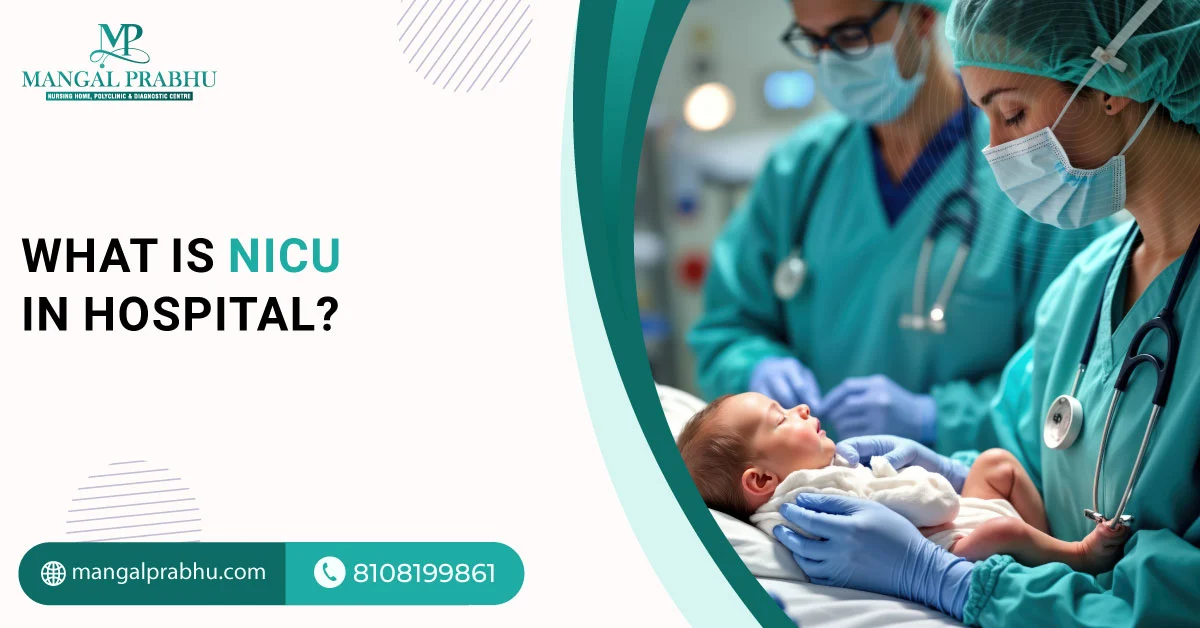
What is NICU in Hospital?
It might be overwhelming for parents to see their little bundle of joy in the Neonatal Intensive Care Unit (NICU). The machines, incubators, and the professionals checking on your babies might seem serious. A NICU hospital in Navi Mumbai is equipped to handle complex cases, such as offering 24/7 monitoring and extensive care to preterm babies. Let’s learn more about NICU and what you can expect.
Who Needs NICU Care?
When a baby leaves the mother’s womb, many physical changes occur. From breathing to nourishment, they rely on their mothers before birth. Now, they have to adjust to life outside the womb. While that may go easy for some babies, others with low birth weight or birth complications are referred to the NICU. It’s mainly for:
1) Premature Infants:
If your baby is delivered before 37 weeks, it will be considered a premature baby. They may need NICU as their lungs and other organs might not be fully developed yet.
2) Newborns with Health Complications:
Mothers who went through a prolonged labor might have to admit their babies to NICU right after birth. That’s specifically required for babies who were deprived of oxygen during labor. Babies diagnosed with severe jaundice might also need NICU for phototherapy.
3) Low Birth Weight:
For babies with a low birth weight (below 2.5 kilograms), a neonatologist in Navi Mumbai may recommend the NICU. This helps the baby breathe, gain weight, and fight infections.
Key Features of a NICU
Here’s what parents can expect from the NICU:
a) Advanced Medical Equipment
NICU is designed for underweight babies and those born with complications. As parents, you can expect your little ones to receive the best possible care. The units are equipped with cutting-edge technology, including incubators that keep babies warm, monitors that track their vitals, ventilators that help with breathing, and feeding tubes.
b) Highly Trained Medical Staff
At the NICU, your little one will receive the best care from neonatologists, respiratory therapists, NICU nurses, and lactation consultants. They will be monitored around the clock by professionals trained to handle complex health issues in babies.
c) Counselors
Some NICUs have counselors and social workers who assist overwhelmed parents. They offer emotional support to parents struggling with stress and concerns about their baby’s health.
Common Conditions Treated in NICU
Here are a few common conditions treated in the NICU:
i) Respiratory Distress Syndrome
Due to their undeveloped lungs, premature babies might experience difficulty breathing. NICUs are equipped with machines that stabilize their vitals.
ii) Neonatal Jaundice
Jaundice is a normal condition in neonates and usually resolves on its own within a few weeks. However, if the baby develops jaundice in the first 24 hours of birth or has too high bilirubin levels, they may need phototherapy and, rarely, blood transfusion.
iii) Congenital Anomalies
Babies born with birth defects, like heart issues, an undeveloped digestive system, spina bifida, musculoskeletal problems, and issues with the central nervous system must be admitted to NICU for specialized care.
Although the neonatal intensive care unit may sound intimidating, rest assured that many babies are discharged as soon as they are strong enough to adapt to the world.

What are the 10 Causes of Malaria?
Malaria is caused by a parasite that enters your body through a mosquito bite. The mosquitoes that spread Malaria survive in countries with hot temperatures. The symptoms include high-grade fever, shaking chills, fatigue, and weakness. Every year, thousands of people get admitted to the hospital for malaria treatment in Navi Mumbai. Let’s check out some common causes of Malaria so you can take preventive actions to reduce your risk.
What are the 10 Causes of Malaria?
1. Plasmodium Parasites
As mentioned above, malaria is caused by a parasite called Plasmodium. It’s divided into five types, with each having the potential to result in an infection. It enters your body when an infected mosquito bites you and injects the parasite into your bloodstream.
2. Anopheles Mosquitoes
Not every mosquito bite results in malaria. It’s caused by female Anopheles mosquitoes that are the primary vector of the plasmodium parasites. Likewise, malaria doesn’t spread from person to person. Sneezing, coughing, or touching the infected person won’t increase your risk of developing malaria.
3. Climate and Environmental Factors
Malaria is more prevalent in countries with temperatures hot enough for the Anopheles mosquitos to thrive. Mosquitoes love warm and humid climates, which is why malaria is often reported in South Africa, South America, and Asia.
4. Poor Sanitation and Water Management
Malaria risk is higher in areas with stagnant water, such as ponds or containers filled with water. Dirty places are also a common breeding ground for these mosquitoes.
5. Weak Immune System
People with weak immunity, such as young babies, elders, and those with existing medical issues, are at an increased risk of malaria, as their immunity might not fight off the infection as effectively as that of a healthy adult.
6. Deforestation
Without trees, forests and other areas collect rainwater, which acts as the perfect breeding ground for malaria-causing mosquitoes.
7. Poverty
People who cannot use preventive measures, keep their surroundings clean, or have basic healthcare facilities might develop and spread malaria.
8. Lack of Access to Healthcare
If people with no access to healthcare facilities develop malaria, they might spread it to other people unknowingly. This happens when the parasite remains in the infected person’s bloodstream. If another mosquito bites them, it catches the parasite and injects it into someone else’s body through a bite. The cycle keeps going.
9. Resistance to Antimalarial Drugs
Incorrect or overuse of anti-malarial drugs can cause resistance. The parasite Plasmodium might develop resistance to these drugs and, hence, not respond to it.
10. Population Movement and Migration
If you travel to a country that’s highly prone to mosquito-related infections, you might be more vulnerable to catching the disease. This is especially true for people who don’t take preventive measures like using mosquito nets and repellants. People migrating to your country from South Africa, Asia, and other countries might also increase your risk of getting malaria.
If you suspect an infection, it’s important to see an infectious disease specialist in Navi Mumbai for treatment of malaria. Fever, headache, nausea and vomiting, muscle or joint pain, and chills are the common signs that indicate you need to see a doctor.
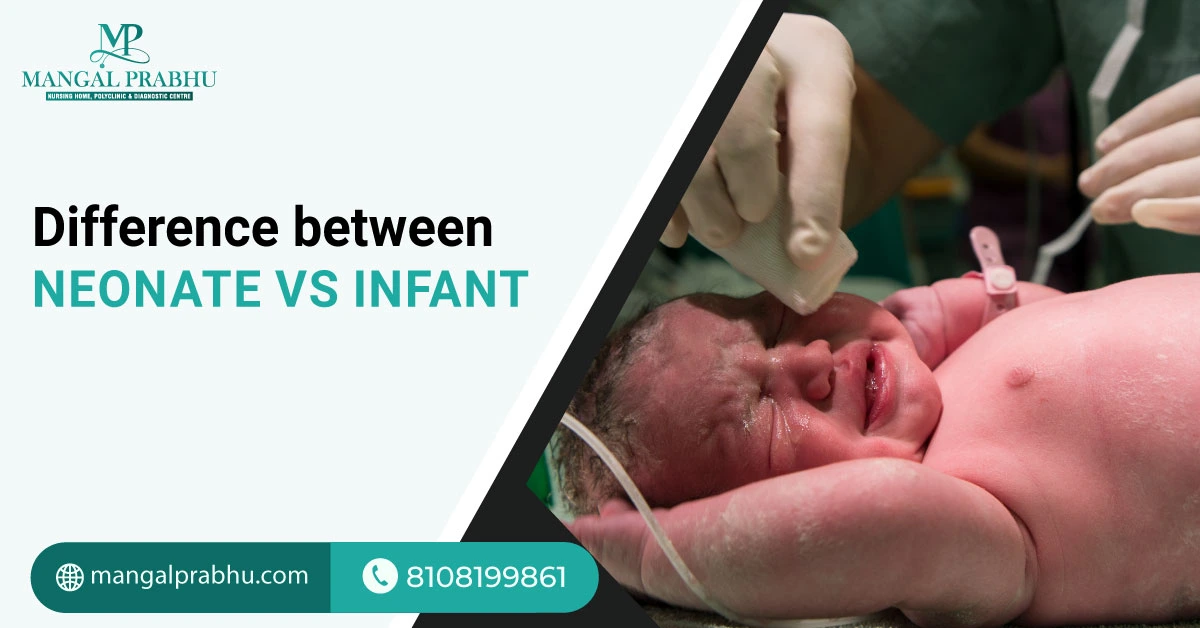
Difference Between Neonate vs Infant
We call babies with different cute terms. But did you know there’s a medical term used for babies of different ages? Neonates, infants, and toddlers are a few of the most common terms people use to describe babies of certain ages. In this post, we’ll take a look at the terms that a paediatrician in Navi Mumbai commonly uses to address a baby. Although the terms “neonate and infants” are often used interchangeably, here’s what makes neonates different from infants and toddlers.
Characteristics of a Neonate
1) Age Range
Generally, people consider children between 2 and 3 months old babies, but medically, they are referred to as neonates. A baby who is 28 days old or younger is called a neonate. During this stage, the baby is adapting to life outside the womb.
2) Physical and Developmental Milestones
Babies tend to develop rapidly in the first few months, usually up to a year. In the first month of their birth, they develop a sucking reflex and startle reflex. They sleep for the longest period, mostly 16-20 hours a day. However, it’s important that you wake them every few hours (as recommended by your pediatrician) for feeding. Crying is their only way to tell their needs.
3) Common Health Considerations
Neonates require extra care from their caregivers and medical staff as they are still adjusting to a new life. They might experience breathing difficulties, a higher risk of jaundice, infections, and feeding difficulties (especially in premature babies).
Characteristics of an Infant
1) Age Range
An infant is one month to one year old and experiences many rapid developments during this time. All neonates are infants, but infants are not considered neonates.
2) Physical and Developmental Milestones
An infant develops at different paces, but most babies tend to recognize their parents, smile, and make sounds by the time they are 3-4 months old. They learn to hold their heads up, follow things, and understand colors and patterns. They start sitting with support by 6 months and grasp objects. They may learn to crawl and stand with support by 9 months until they finally take their first baby steps at one year.
3) Common Health Considerations
Although infants have comparatively stronger immunity than neonates, they are still developing. They might experience teething issues, such as irritability and discomfort. Infection is also common among infants, as they tend to explore their environment and pick random objects. Food allergies can also occur. It’s important to see a specialist at a children’s hospital in Navi Mumbai before starting solids.
Differences Between Neonates and Infants
Here are some common differences between a neonate and an infant:
| Basis | Neonate | Infant |
| Nutritional Needs | Breast milk or formula milk | An infant above 6 months old needs a liquid and semi-solid diet along with formula/breast milk. |
| Sleep pattern | Requires 16-20 hours of sleep | Requires 12-14 hours of sleep |
| Development | Moro and sucking reflex | Sits, crawls, stands, and learns to speak |
Understanding the different phases of childhood will prepare parents to take the best care of their little ones.

How Cashless Hospitalization Works in India?
Cashless hospitalization in India lets policyholders get treatment without upfront payment; the insurer settles bills directly with the hospital.
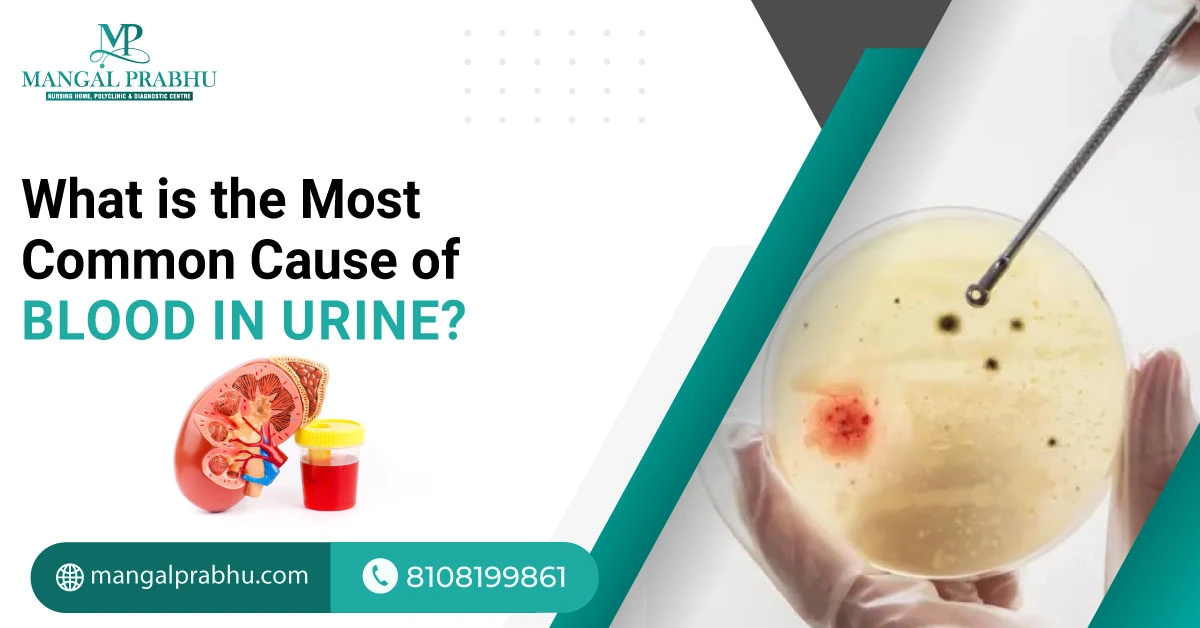
What is the Most Common Cause of Blood in Urine?
Blood in the urine or hematuria is a medical condition that indicates the presence of blood cells in your urine. You can have visible hematuria, i.e., your urine might turn red, pink, or other dark colors. Or, it could be microscopic (the blood cells might not be visible to you) but can be identified by a urine test recommended by a urologist in Navi Mumbai. In this post, we’ll discuss the different causes of hematuria.
Common Causes of Blood in Urine
Usually, when your kidneys make urine, they do not include blood cells. In people with a urinary tract issue, the blood cells might leak into the urine. Here’s why it occurs:
a) Urinary Tract Infections (UTIs)
Bacteria can enter the urethra and bladder, where they multiply, leading to an infection. UTIs can cause hematuria, a burning sensation while urinating, a frequent urge to urinate, and a strong, unusual odor in urine.
b) Kidney Stones
An imbalance in the minerals in your urine can form hard crystals, which eventually turn into stones. These can be different sizes and might be in your bladder or kidneys. They might not cause symptoms unless they get stuck in the ureters or other parts of your urinary tract and block urine flow. They can also cause blood in the urine.
c) Bladder or Kidney Infections
UTIs occur in the lower urinary tract but can sometimes affect the upper part, i.e., your kidneys. If the bacteria reaches your kidneys, they might cause inflammation in the urinary tract and weaken the blood vessels. Hematuria can occur when the blood vessels break, leaking blood into your urine.
Less Common Causes
Here are a few other potential causes of hematuria.
i) Enlarged Prostate
This is a common urinary issue in men over 50. As the prostate gland grows, it puts pressure on the surrounding organs, including the bladder. This can lead to symptoms like blocked urine flow, a constant urge to pee, and hematuria. Blood might also occur due to the fragile blood vessels that tend to break under the pressure of the prostate.
ii) Genetic Diseases
Sickle Cell Anemia and other inherited blood disorders can lead to visible blood in the urine or blood drops that are too small to be seen by the naked eye.
When to Seek Medical Attention
Visit a healthcare provider to discuss the most viable blood in urine (hematuria) treatment in Navi Mumbai. While it may be harmless and not a major issue in some cases, hematuria can also indicate a serious underlying problem that requires immediate medical attention. See a urologist if you experience these symptoms:
- A considerable amount of blood in your urine
- Fever and nausea
- Pain in the back
- Blocked urine flow or frequent urge to urinate
Conclusion
Hematuria isn’t a disease in itself but a symptom that may point to an underlying health issue. It can occur as a sole symptom or accompanied by other potential issues, such as back pain, difficulty urinating, or incontinence. A urologist can diagnose the cause of hematuria and plan the most suitable treatment for your case.
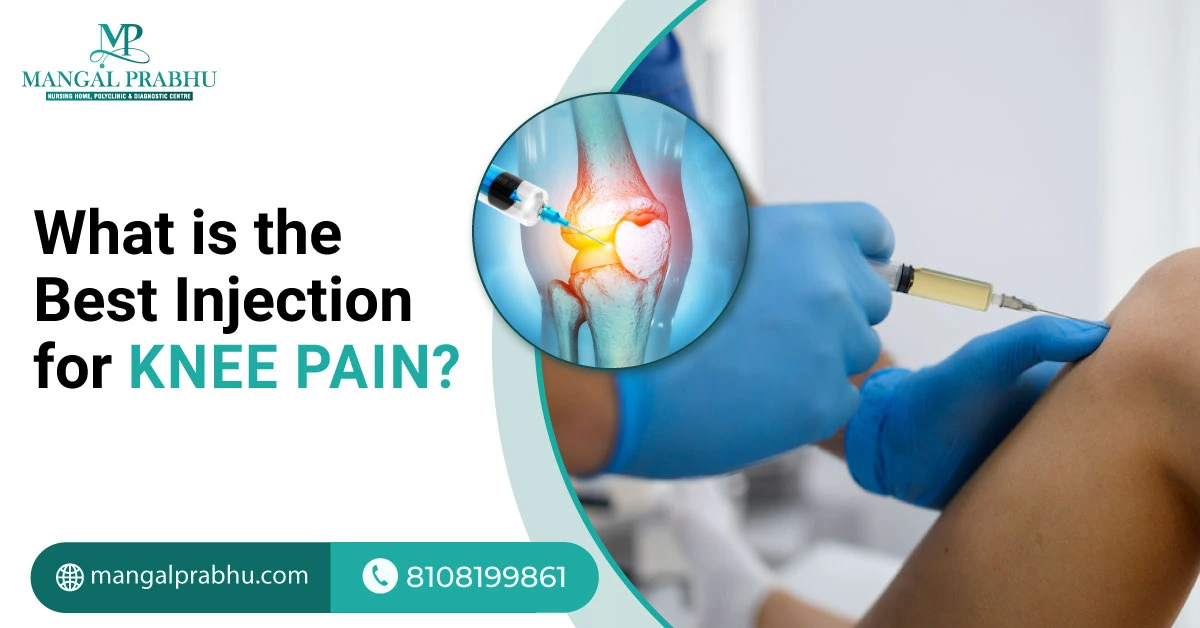
What is the Best Injection for Knee Pain?
Knee pain affects millions of people worldwide. Among the many causes, the most common is arthritis. Chronic knee pain can make your daily activities difficult. Whether it’s walking, climbing stairs, or getting up from a chair, most of your daily tasks will become challenging and painful. It’s important to schedule a visit to the orthopedic hospital in Navi Mumbai to identify the cause of the knee pain and determine the most viable treatment plan. In the meantime, here’s a look at the common causes of knee pain and a few effective injections that may help manage your symptoms.
Common Causes of Knee Pain
Knowing the causes of knee pain will help you decide the best treatment. Here are a few:
a) Arthritis
Osteoarthritis and Rheumatoid Arthritis (RA) are common knee issues that can affect people of any age. Osteoarthritis refers to the wear and tear of the cartilage, which results in excessive pain and stiffness around the affected joint. RA is an autoimmune condition that results in joint inflammation.
b) Injuries
Knee pain is also common in people who work or participate in activities that carry a high risk of joint injuries, such as sports. ACL tears, sprains, strains, and meniscus tears are a few common examples.
c) Overuse
Knee overuse caused by activities that put immense pressure on the knee joint can also lead to excruciating pain, inflammation, and joint stiffness.
What is the Best Injection for Knee Pain?
Injectables can be used for quick and long-term relief from joint inflammation and pain. Your doctor will inject the healing substances directly into your affected joint to help manage your symptoms. Here’s what may work:
i) Corticosteroid Injections
If your knee pain is due to arthritis, an injury, or other conditions that led to excessive joint inflammation, you might be a good candidate for corticosteroid injections. They contain strong anti-inflammatory and numbing substances that bring the inflammation down and offer relief from pain.
ii) Hyaluronic Acid Injections
With your cartilage wearing down, your bones might rub against each other as you move. This also results in the loss of hyaluronic acid, which acts as the lubricant supporting the natural joint movements. Hyaluronic injection, also called viscosupplementation, mimics the natural hyaluronic acid and provides stability and flexibility to your knee. The effect can last for weeks to months, depending on the severity of your knee pain.
iii) Platelet-rich Plasma (PRP) Injections
This modern therapy focuses on injecting your own blood into your knee joint to speed up healing. The procedure involves drawing the patient’s blood, increasing the concentration of platelets, and injecting it back into their knees.
iv) Stem Cell Therapy
Another effective procedure that the doctor for knee pain treatment in Navi Mumbai recommends is stem cell therapy. It aims to slow the deterioration of your knee joint by using your body’s healing mechanism. It involves injecting stem cells, which are drawn from your bone marrow, into the affected knee joint.
Conclusion
Each injection has its advantages and limitations. It’s best to talk to your doctor about your symptoms and medical history. They will run tests on your knee joints to analyze the level of damage before recommending injectables.

Who is Most Likely to Get Cancer?
Cancer is a severe chronic disease that can affect anyone. The World Health Organization states that 30-50 percent of cancers can be prevented. A cancer specialist in Navi Mumbai believes that your lifestyle choices play a significant role in increasing your risk of having cancer. Quitting smoking and having a healthy physical routine (to name a few) can mitigate this risk. In this post, we’ll take a look at who’s most likely to get cancer and why.
Who is Most Likely to Get Cancer?
i) Genetic Factors
While cancer doesn’t directly pass from parents to their offspring, the gene mutations can be inherited. Certain gene variants might increase your likelihood of developing certain types of cancers.
For example, BRCA1 and BRCA2 gene mutations are linked to an increased risk of breast and ovarian cancers. Mutations in the RB1 gene can cause eye cancer in children. That said, having cancer-related gene variants doesn’t mean you will definitely develop cancer. It only increases the risk. It’s advisable to schedule regular checkups with your healthcare expert just to be on the safe side.
ii) Lifestyle Choices
As mentioned above, certain lifestyle choices are associated with an increased risk of cancer. Here are a few:
a) Smoking and Tobacco Consumption:
These are the biggest risk factors for cancer. Smoking interferes with the cell’s DNA, making them more likely to grow aggressively, forming a tumor. These are linked to throat, mouth, bladder, pancreatic, and lung cancer. Not only smoking but exposure to second-hand smoke may also increase your risk.
b) Diet and Exercise Habits:
Your diet also affects your cancer risk. People eating a high amount of red meat, processed foods, saturated fats, and sugary foods are more likely to develop cancer than those eating healthy and nutritious foods, such as leafy greens, whole grains, and fruits. Living a sedentary lifestyle can also negatively affect your risk of having cancer. It’s advisable to be physically active. This will keep your weight and hormones in check.
c) Alcohol Consumption:
Another preventable risk factor of cancer is alcohol consumption. Alcohol is linked to a heightened risk of throat, mouth, esophageal, colorectal, and liver cancer.
iii) Environmental Exposures
Certain environmental factors, such as sunlight and radiation, can expose you to carcinogens, thus increasing your risk of developing melanoma and other types of cancers. Exposure to toxins in the workplace can also contribute to your risk.
iv) Age and Gender
Most patients get cancer after 50, as DNA damage occurs over time. Cancer risk also depends on gender. Women are more likely to develop breast, ovarian, and cervical cancer, while men are at an increased risk of colorectal, prostate, and lung cancer. That said, young people can also develop it. It’s best to visit the cancer hospital in Navi Mumbai for regular screenings.
v) Medical History
People who have had cancer before are more likely to develop it in the future. Certain types of infections, such as HPV, can heighten your risk. Weakened immunity is also associated with an increased risk of cancer, as it makes you more prone to infections. That’s all about the factors affecting your risk of getting cancer. Although you can’t completely eliminate the risk, certain factors that heighten your risk can be controlled.

What is the First Sign of Kidney Problems?
Your kidneys filter waste and excess fluid from your bloodstream. If something goes wrong, you may not notice the symptoms immediately. Instead, the symptoms often crop up when the disease has reached an advanced stage. That’s why it’s important to keep in touch with a nephrologist in Navi Mumbai to ensure your kidneys are working optimally.
Although the only way to know if you have an existing kidney disease is through tests, certain symptoms can also indicate kidney issues. We have discussed a few in this post:
What is the First Sign of Kidney Problems
When your kidneys malfunction, fluid and waste accumulate in your body. Over time, you may start noticing unusual symptoms, the severity of which may vary depending on how much the disease has progressed. Here are a few common signs you’ll see initially.
1) Fatigue and Weakness
People with kidney diseases are likely to feel tired often. Weakness is also a common sign. This happens when impurities accumulate in your blood.
2) Swelling
If your kidneys do not filter your blood effectively, you might develop swelling in the hands, ankles, feet, and face. This occurs because of excess salt and fluid in your body.
3) Changes in Urination
Another common sign of kidney disease is a changed urination pattern. You might feel the urge to urinate more often, particularly at night. You might also notice foamy urine.
4) Blood in the Urine (hematuria)
It is also linked to kidney diseases. Ideally, your kidneys keep the blood cells in your body when creating urine. When they aren’t working well, these blood cells might get leaked into the urine, causing hematuria.
Other Early Indicators
Here are a few other signs that indicate kidney disease:
a) Persistent Back Pain
If you have dull, sharp, and persistent pain on either side of your lower back, it could be a sign of kidney disease. Sharp and severe pain that doesn’t get better with movement might indicate kidney stones.
b) High Blood Pressure
Your kidneys control your blood pressure. When they aren’t working optimally, your blood pressure might spike, which, in turn, might further worsen kidney function.
c) Unexplained Weight Loss
As toxins build up in your blood, patients experience nausea, loss of appetite, and vomiting, all of which contribute to weight loss.
If you have been losing too much weight without trying, and it’s accompanied by swelling, loss of appetite, and changes in the urination pattern, it’s worth checking with your doctor to rule out kidney diseases.
d) Shortness of Breath
Too much fluid accumulation in the lungs can lead to shortness of breath. It can also occur due to anemia.
When to See a Doctor
Identifying the early symptoms of kidney disease is crucial to managing the condition and preventing it from progressing to the advanced stage. Unfortunately, kidney diseases are often left undiagnosed as patients often mistake the symptoms for other common health issues. If you notice the above symptoms with excessive fatigue, extreme weight loss, and frequent urination with foamy texture and unusual odor, it’s time to schedule a visit to a nephrologist to discuss the most viable kidney disease treatment in Navi Mumbai.
Importance of Antenatal Care
Pregnancy and childbirth are the toughest periods for women. Whether it’s your first pregnancy or the third, pregnancy symptoms and the fear of labor can be too overwhelming to handle. To help you cope with these challenges, a gynecologist in Navi Mumbai offers antenatal care.
It’s about ensuring a smooth pregnancy and an easy transition to the postpartum phase. The classes equip you with the knowledge and skills to handle pregnancy, labor, childbirth, breastfeeding, and your parenthood journey effectively. Here’s why antenatal care is important:
Benefits of Antenatal Care
Here’s why every woman needs to consider antenatal classes or an all-inclusive maternity care program:
a) Ensure Healthy Pregnancy:
Antenatal care is mostly about taking care of the mother and the fetus during pregnancy and in the initial stages of parenthood. Your gynecologist will run tests, like blood tests, urinalysis, and ultrasounds, to check your and the baby’s wellbeing.
b) Monitoring Fetal Development:
Regular fetal monitoring is part of your antenatal care program. The doctor will check the baby’s heartbeat, position, and overall growth using physical examination and ultrasound tests.
c) Early Detection of Health Issues:
Some women might develop hypertension, gestational diabetes, anemia, and other medical complications during pregnancy. Identifying and addressing these problems early can prevent complications during delivery.
d) Nutritional Guidance:
Your body demands a nutrient-rich diet, particularly foods rich in fiber, protein, essential vitamins and minerals, etc. Antenatal care ensures that you get sufficient amounts of these nutrients through your diet. If not, your doctor will prescribe calcium, iron, and other supplements to meet your body’s increasing demand for these nutrients.
e) Help Deal With High-Risk Pregnancies:
Women with high-risk pregnancies, such as those with diabetes, high blood pressure, thyroid issues, a history of miscarriage, and other medical conditions, require regular monitoring. Your doctor may also advise you to get an ultrasound every few weeks to ensure your baby’s optimal growth.
Components of Antenatal Care
Here’s what the antenatal care program includes:
i) Regular Checkups and Screenings:
You will need to schedule a visit to the maternity hospital in Navi Mumbai every month or more frequently depending on what your gynecologist advises. You also need to get regular screenings in the first, second, and third trimesters to track your baby’s growth.
ii) Educational Support:
Antenatal care allows you to ask your doctor all the questions you have regarding pregnancy, childbirth, breastfeeding, and postpartum care. Your doctor will prepare you for childbirth by discussing different delivery methods, their pros and cons, recovery after delivery, and so on. You will also learn breathing techniques.
iii) Immunizations and Supplements:
Tetanus shots during pregnancy are necessary for the protection of both you and your baby. For RhD-negative mothers expecting RhD-positive babies, an anti-D injection is given to prevent the formation of antibodies in the mother’s body.
Conclusion
Prenatal checkups are not just about hospital visits and screenings. These are an important part of your pregnancy journey. It’s a comprehensive program that covers everything from your nutrition to labor management techniques. Talk to your healthcare provider about the antenatal care offered and the services included.
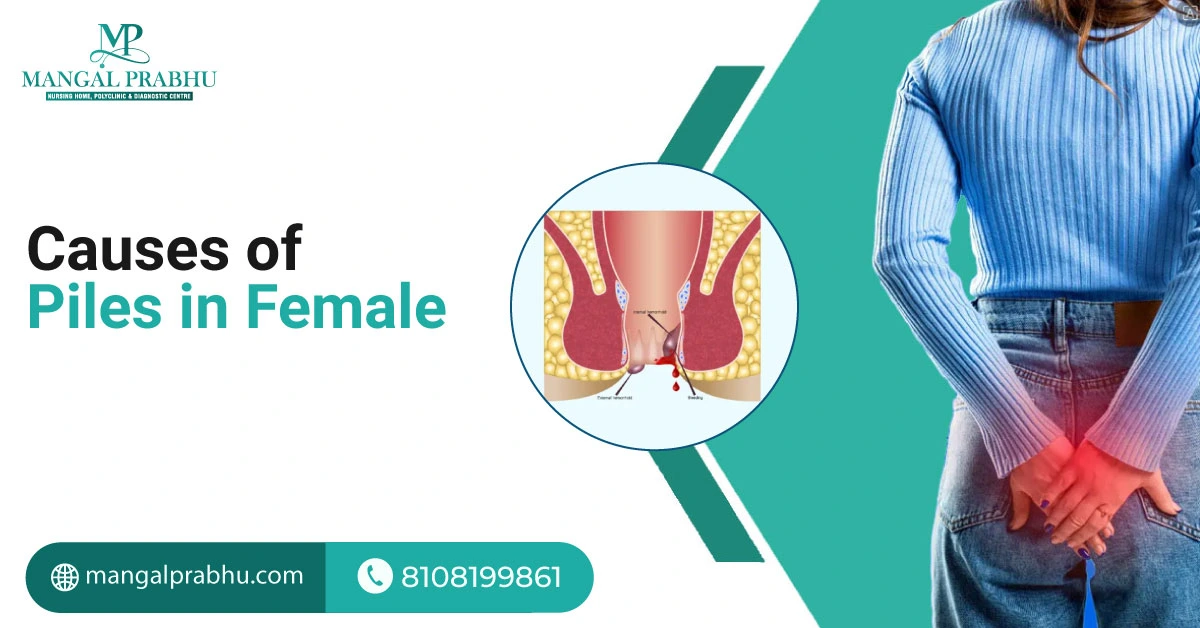
Causes of Piles in Female
Hemorrhoids, also called piles, occur when the veins in your anus or the lower rectum enlarge and become swollen. Piles are painful and can cause itching and sometimes bleeding. A piles specialist doctor in Navi Mumbai will recommend medication, minimally-invasive procedures, and sometimes surgery to ease your symptoms.
In this post, we’ll take a look at the common causes of piles in women.
Common Causes of Piles in Females
a) Pregnancy and Childbirth
Many factors can lead to piles in females during pregnancy and childbirth. For starters, hormonal fluctuations cause your vein walls to relax, which may heighten the risk of piles.
Additionally, as the mother approaches the third trimester, the growing uterus puts pressure on the pelvic region, enlarging the veins. This combined with the slower blood flow to the rectal area can result in the formation of piles during pregnancy. Women may also develop piles during childbirth, as the act of straining can trigger them.
b) Hormonal Changes
A woman undergoes significant hormonal changes during menstrual cycles, pregnancy, and menopause. These hormonal shifts can affect your dietary changes, which might lead to constipation, triggering hemorrhoids.
c) Dietary Factors
If your diet doesn’t contain sufficient amounts of fiber or is mainly composed of processed foods, you might experience hard stools. Excessive strain on the rectal veins can make you more likely to develop piles.
Lifestyle Factors Contributing to Piles
i) Sedentary Lifestyle:
If your job involves prolonged sitting or you live an inactive lifestyle, you might be more prone to developing piles than others. That happens because of reduced blood flow to the rectal area, leading to enlarged veins.
ii) Obesity:
Overweight people or those falling into the obese category are also at an increased risk of piles. The more you weigh, the higher the pressure on the pelvic region. This affects blood circulation, which may eventually result in piles.
Preventative Measures
Visit a hospital for piles treatment in Navi Mumbai to determine the most appropriate treatment plan for your case. Piles in women that occur due to temporary hormonal shifts, such as during pregnancy and childbirth, are likely to resolve on their own. Still, you must take certain preventative measures to reduce your likelihood of getting piles.
1) Dietary Adjustments:
The single most common reason for piles is excess pressure on the anal canal, which occurs when you strain excessively and frequently. To avoid that, eat a diet rich in fiber. Whole grains, green leafy vegetables, and fruits are the best examples.
2) Regular Physical Activity:
Exercise helps prevent hemorrhoids by improving blood flow to the rectal area, strengthening pelvic floor muscles, and keeping weight in check. It controls most factors that might contribute to a heightened risk of piles in females.
3) Drink Enough Water:
Aim to drink 8-10 glasses of water a day to keep the stool consistency soft. Hydration makes stool easily passable, reducing the risk of constipation and piles.
Conclusion
Although both men and women can develop piles, hormonal changes (particularly during pregnancy) make women more prone to developing them. Understanding the causes of piles in females can help you take preventative measures and reduce the risk.