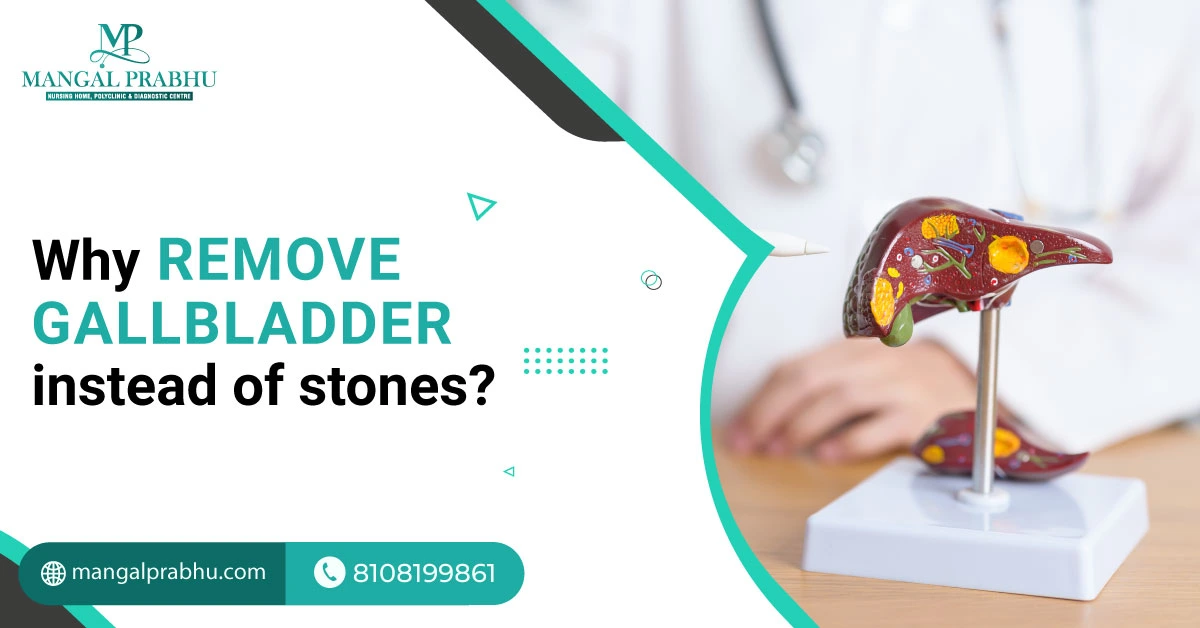
Why Remove Gallbladder Instead of Stones?
Excess cholesterol and bilirubin in the bile can result in hard deposits or gallstones, which form inside the gallbladder. Although a general surgeon in Navi Mumbai may recommend treatment to dissolve these stones or remove them, leaving the gallbladder intact, it’s often advised to have the entire gallbladder removed. To know why removing the gallbladder is a good move, let’s first understand what gallstones are and their symptoms.
Understanding Gallstones
The gallbladder is a pear-shaped organ that stores bile, a digestive fluid that aids in breaking down fatty foods. Occasionally, bile can harden, resulting in stone-like formations. These hardened deposits can vary in size and quantity. Here’s what individuals with gallbladder stones are likely to experience:
- Nausea and vomiting
- Bloating
- Pain in the upper right abdomen
- Back pain
- Jaundice
- Fever and chills
Some people do not experience any symptoms, while others report severe abdominal pain with fever, requiring immediate medical attention.
Treatment Options for Gallstones
If your gallstones are asymptomatic, you may not need treatment. However, if you experience the above symptoms, your doctor will discuss the below-listed invasive and non-invasive treatment options.
1) Non-surgical Treatments:
Medication to dissolve gallstones can help, but it is usually reserved for patients who are unable to undergo surgery. The medication may take months or years to dissolve the stones, and even if they are dissolved, there’s no guarantee that the stones won’t recur. Shock wave lithotripsy is another non-surgical way to remove gallstones with sound waves, but it is also rarely performed.
2) Lifestyle Changes:
Switching to a healthy lifestyle with low-fat diets and exercise can help prevent new stone formation but won’t remove the existing gallbladder stones.
3) Cholecystectomy:
A surgical removal of the gallbladder offers a permanent cure for recurring gallbladder stones. A minimally-invasive Cholecystectomy involves a laparoscopic removal of the gallbladder, thus a shorter recovery and fewer complications.
Why Remove the Gallbladder Instead of Just the Stones?
Cholecystectomy is a more preferred treatment for gallstones than removing just the gallstones or dissolving them with medication. Gallstones form because of an underlying issue with the gallbladder function. While you may remove the stones, the root cause that led to the stone formation in the first place won’t be fixed.
With cholecystectomy, you can have peace of mind knowing that the stones won’t recur, eliminating your risk of developing complications like jaundice, pancreatitis, cholecystitis, and biliary obstruction. Besides that, you can live a healthy and normal life without a gallbadder. Instead of being stored in the gallbladder, the bile will flow from the liver to the small intestine. You won’t experience any significant digestion change after the surgery.
Benefits of Gallbladder Removal
Here’s why the gallbladder removal surgery in Navi Mumbai an ideal choice for patients with gallstones:
- No chance of gallstone recurrence
- Prevents blockages, pancreatitis, and other gallstone-related complications
- Faster recovery
Cholecystectomy is an effective and safe treatment option for gallstone removal. The surgery offers long-term relief from the gallstone symptoms and prevents life-threatening complications. Since it doesn’t impact your digestive function, it’s the most preferred solution to gallbladder stones.

How Long Can You Live on Dialysis?
When kidneys stop functioning, you may need a kidney transplant or dialysis. The latter filters your blood by removing toxins and waste substances, thus imitating the function of your kidneys. You may need to undergo several dialysis sessions every week. It can be done at home or a dialysis center in Navi Mumbai. The question is, how long can a person survive on dialysis? What is the average life expectancy for these patients? And what can you do to improve your quality of life? Let’s find out.
Factors Affecting Life Expectancy on Dialysis
a) Age and Overall Health:
Younger people on dialysis have a higher life expectancy rate than elders. Existing medical conditions like chronic disease might also affect life expectancy.
b) Type of Dialysis Treatment:
The type of dialysis treatment you undergo affects your survival rate and quality of life. People on peritoneal dialysis are likely to survive longer than those on hemodialysis.
c) Lifestyle Changes:
It’s essential to maintain a healthy lifestyle through a kidney-friendly diet. Avoid processed foods, items high in salt and sugar, and any substances that may impair your kidney function. Adhering to your treatment plan is another critical aspect. Delaying or missing dialysis sessions can shorten your lifespan.
Average Life Expectancy on Dialysis
The average mortality rate for those undergoing hemodialysis is 15-20 percent, with a 5-year survival rate of less than 50 percent. Life expectancy increases dramatically by up to 80% for those who consider a kidney transplant.
The life expectancy for people on dialysis depends on several factors. On average, it’s 5-10 years, but some people live healthy and fulfilling lives for 20 years and longer. People with an existing medical condition, such as heart disease, diabetes, or other chronic conditions, may have shorter lifespans.
Also Read: How Do Dialysis Patients Die?
Improving Quality of Life on Dialysis
Being on dialysis can be tough on your mental and physical health. Here’s what may help improve your quality of life.
i) Adhere to the Schedule:
A nephrologist in Navi Mumbai will explain the number of sessions you need every week, how long each session lasts, and other factors. Missing dialysis can cause complications and affect your life expectancy, so stick to the pre-determined schedule.
ii) Eat Right:
Your kidneys’ health is largely affected by your dietary choices. Kidney-friendly food, which is low in potassium, salt, and sugar, is your best bet. Drink enough water to keep yourself hydrated.
iii) Be Physically Active:
Consider yoga, stretching, and light physical exercises to stay active, boost your blood circulation, and uplift your mood.
iv) Take Your Prescribed Medication:
If you have high blood pressure, diabetes, or other medical issues, your doctor will recommend medication to keep them in check. Make sure you never miss a dose.
v) Consider a Long-term Solution:
If you want to improve your survival rates, a kidney transplant is the most practical and effective treatment option. Although it’s an invasive surgical procedure that comes with certain risks and a lengthy recovery period, a transplant is the only way to get rid of the diseased kidneys and live with healthy, functioning ones.
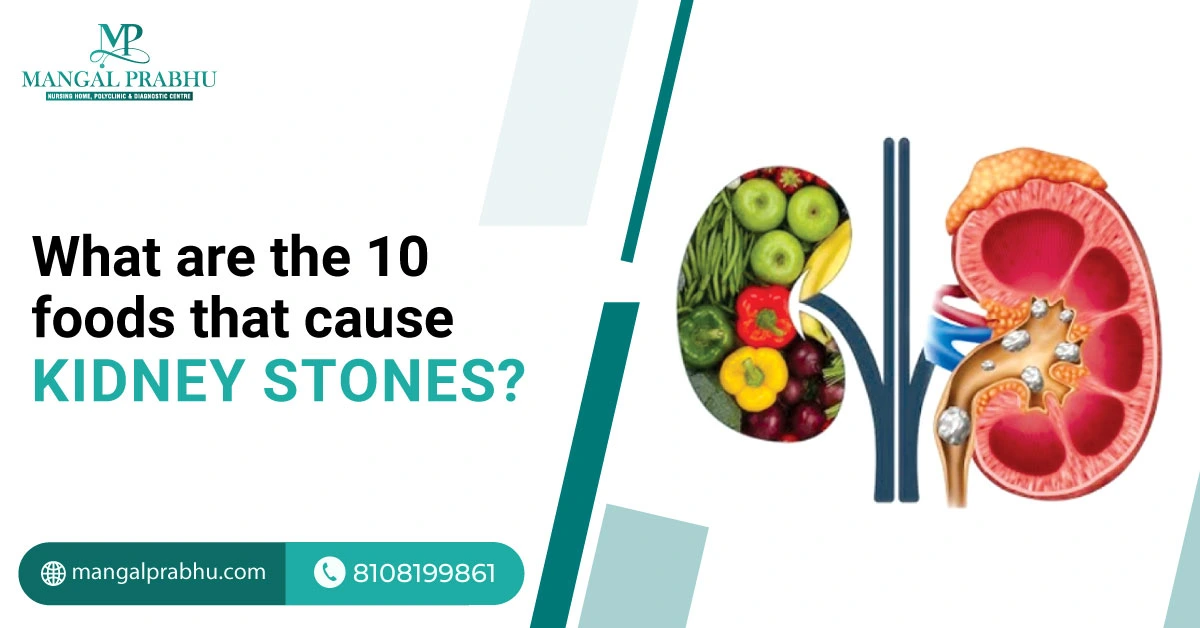
What are the 10 Foods that Cause Kidney Stones?
Kidney stones are hard mineral deposits that form in the kidneys and can pass through the urinary tract. Smaller kidney stones might go unnoticed, as they can pass through urine. Larger kidney stones can get stuck in the ureters and other parts of the urinary tract, blocking urine and causing immense pain. This requires kidney stone treatment in Navi Mumbai. Many factors contribute to the heightened risk of developing kidney stones, but unhealthy food choices are often the most common culprit.
10 Foods That Cause Kidney Stones
Here are the top 10 foods you should avoid to prevent kidney stones.
1) High-Oxalate Foods:
Calcium-oxalate stones form when you eat a diet rich in oxalates with a low intake of calcium. It’s best to eat oxalate-rich foods, such as spinach, beets, nuts, and chocolates, in moderation or combine them with calcium-rich food.
2) Excessive Sodium:
Too much sodium in your diet can lead to a high concentration of calcium in your urine, which can cause kidney stones. Limit your sodium consumption to less than 2,300 mg per day. Avoid packaged foods, canned soups, and junk food.
3) Animal Proteins:
Red meat and organ meats can raise uric acid levels while reducing citrate, increasing your risk of developing kidney stones. Replace them with plant-based proteins.
4) Sugary Foods/Drinks:
Like sodium, sweetened beverages can increase calcium in the urine and may disrupt urinary composition. Avoid too many candies, pastries, desserts, and sweetened drinks.
5) Dairy Products:
Although calcium from dairy products like milk and cheese is healthy, overconsumption of calcium-rich foods or calcium supplements can cause calcium oxalate stones. Eat dairy products in moderation (1200 mg daily) and drink enough water.
6) Caffeine:
Caffeine in moderation is safe, but excessive intake can cause dehydration, which can increase the risk of kidney stones. To stay hydrated, limit your tea and coffee intake to 1-2 cups a day and drink water instead.
7) Alcohol:
By reducing your urine output and causing dehydration, alcohol can increase your risk of developing kidney stones. Quit alcohol and switch to healthier drinks instead.
8) Purine-rich foods:
A purine-rich diet can increase uric acid levels in the body, leading to uric acid or calcium stones. Sardines, shellfish, and organ meats are some examples of purine-rich foods.
9) Processed Foods:
Kidney stone specialists in Navi Mumbai advise people to steer clear of processed foods like frozen meals, instant noodles, and all types of packaged items. That’s because these foods contain a considerable amount of sodium and preservatives, which might increase calcium excretion in urine, causing kidney stones.
10) Supplements Overuse:
Excessive calcium, especially if it comes from supplements, combined with overuse of vitamin C and protein supplements, can cause kidney stone formation. Sticking to natural, whole, and unprocessed foods is best. Supplements should only be used when recommended by a healthcare specialist.
Conclusion
Your dietary choices can cause kidney stone formation. This is particularly true for people who eat calcium-rich, oxalate-rich, purine-rich, and sodium-rich foods. Anything that affects the urinary composition can increase your risk of kidney stone formation.
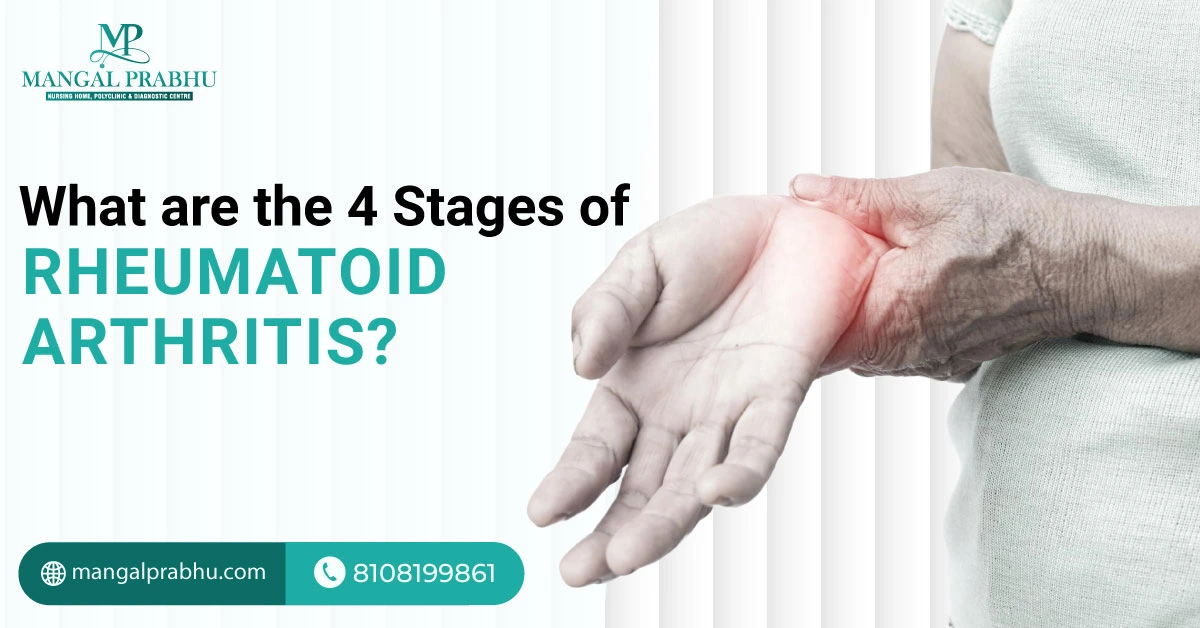
What are the 4 Stages of Rheumatoid Arthritis?
Rheumatoid arthritis is an autoimmune disorder in which your immune system mistakenly attacks your joints, causing inflammation, swelling, pain, and eventually joint damage. Patients with rheumatoid arthritis might experience varying symptoms, but the disease usually progresses in four stages. An orthopedic doctor in Navi Mumbai can recommend a treatment plan based on your stage of RA and how fast it’s progressing.
Early detection is key to slowing the progression of the disease, thus improving your chances of retaining your joint mobility.
Stage 1: Early RA
The initial symptoms of rheumatoid arthritis include joint pain and mild swelling in the feet and hands. The inflammation in the joints can cause swelling in the tissues, which may lead to pain. If it occurs in the hands, you might notice pain in the fingers and knuckles, which might improve with movement. Diagnosis of RA at an early stage is often challenging, as symptoms are often confused with a normal part of aging.
Symptoms
- Mild pain in smaller joints, like those of your hands and feet.
- Fatigue
- Swelling in the joints
Diagnosis
A blood test and imaging tests like X-rays and MRI can show joint damage.
Stage 2: Moderate RA
The second stage of RA damages bones and cartilage. When that happens, you might experience loss of mobility in the affected joint. For instance, it might become difficult for you to move or bend your fingers with second-stage rheumatoid arthritis.
Symptoms
- Increased joint pain
- Prolonged periods of reduced mobility
- Joint stiffness
- Increased swelling
Diagnosis
A blood test can detect RA markers, which can confirm the diagnosis.
Stage 3: Severe RA
The third stage of rheumatoid arthritis is often considered severe. As the cartilage and bone destruction speed up, extreme pain and significantly reduced mobility occur. Joint deformation makes the swelling more visible. Clear examples are twisted fingers with heavily swollen knuckles.
Symptoms
- Carpal tunnel syndrome
- Extreme pain in the joints
- Severe loss of mobility
- Visible joint deformity
Diagnosis
Diagnosis becomes clear at this stage. With symptoms indicating rheumatoid arthritis and your blood tests showing inflammatory markers, your doctor can diagnose RA.
Stage 4: End-stage RA
You might experience severe pain, joint deformity, swelling, and lost mobility at the end-stage RA. You will lose most of your joint function and might experience muscle weakness. This stage mainly affects your mobility. You may need mobility-assisted devices to move your affected joints freely. Due to the compromised mobility combined with pain and swelling, RA at the last stage can affect your quality of life.
How the Disease Progresses
RA progresses gradually. You might experience periods of relief with sudden worsening of the symptoms. Fortunately, most people do not reach the fourth stage. Still, the pain, deformity, and loss of joint function can interfere with your daily life. It’s advisable to seek rheumatoid arthritis treatment in Navi Mumbai as soon as possible. Early treatment can help slow the progression of the disease and offer significant relief from the pain and other symptoms.

Early Signs of Heart Disease in Males
Not every significant heart issue starts with a serious symptom, like severe pain in your chest. Although men and women share many symptoms of heart issues, men are more likely to experience crushing chest pain with a squeezing sensation or a feeling of fullness in the chest. It’s best to see a general physician in Navi Mumbai if you experience the following symptoms.
Signs of Heart Disease in Males
i) Chest Discomfort or Pain:
The most common symptom of heart attack or other heart disease is chest pain. It could be mild discomfort or severe, crushing pain. It indicates a lack of proper oxygen or blood supply to the heart. Mild chest pain is often mistaken for indigestion or strain, which can aggravate the issue.
ii) Shortness of Breath:
If you find it hard to catch your breath after physical activity, it’s time to visit a multispecialty hospital in Navi Mumbai. This could be the early warning signs of coronary artery disease or heart failure.
iii) Fatigue and Weakness:
If you are unable to perform your regular household chores or routine activities that were once easy, it could be a sign your heart isn’t pumping blood efficiently. As your body’s demand for oxygen-rich blood is not met, you will feel extremely tired.
Additional Symptoms of Heart Disease in Males
a) Irregular heartbeat:
Also called Arrhythmia, irregular heartbeat can be the sign of heart issues. Heart palpitations that occur occasionally might not be a cause for concern, but if you notice your heart racing frequently, it needs attention.
b) Swelling in Legs, Ankles, and Feet:
Another sign that your heart needs help is the noticeable swelling in your lower part of the body. This may not be painful, but swelling indicates fluid retention, which occurs due to poor blood flow.
c) Dizziness:
Occasional dizziness could happen due to lack of sleep or dehydration, but if it becomes a recurring thing, you may want to see a cardiologist for a thorough evaluation. Dizziness is a sign that your heart isn’t pumping sufficient blood to your brain.
Risk Factors
Certain risk factors can increase your likelihood of developing heart conditions in the long run. Here are a few that make people more prone to heart disease.
1) Age and Family History:
If heart issues run in your family, you might be at an increased risk of developing the same problems. There’s nothing you can do about genetic heart problems, but knowing your family history and taking proactive steps to maintain your heart health can help.
2) Lifestyle Factors:
Maintaining an active lifestyle can control your weight, improve blood circulation, and strengthen your heart. Certain lifestyle choices, like smoking, can cause high blood pressure and plaque buildup in your arteries. Quit smoking and follow a healthy lifestyle to keep your heart healthy.
3) High Blood Pressure and Cholesterol:
High blood pressure makes your heart work harder, placing you at a greater risk for heart attack, stroke, and other heart diseases. Heart diseases can crop up over time with many subtle signs that tend to go unnoticed. Being aware of the early warning signs and seeking immediate medical care when needed can mitigate your risk of developing heart disease.
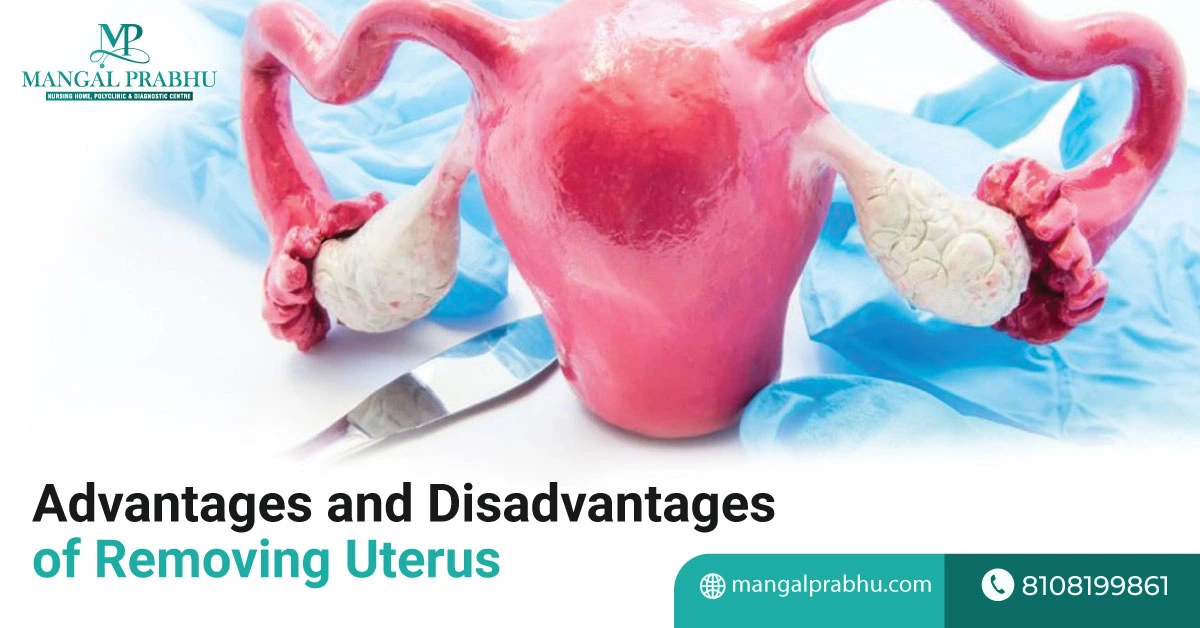
Advantages and Disadvantages of Removing Uterus
Hysterectomy or uterus removal is a major surgical procedure that’s performed in women with fibroids, uterine prolapse, cancer, and other reproductive issues. While the uterus removal surgery in Navi Mumbai can be a life-saving treatment for women, it comes with its share of drawbacks. Your gynecologist will discuss the advantages and disadvantages of removing the uterus to help you make an informed decision. Here’s what you should know.
Advantages of Removing the Uterus
1) Relief From Pain:
For women diagnosed with endometriosis, fibroids, and other uterine issues that cause heavy bleeding and significant pain during and in between the menstrual cycles, hysterectomy is the best possible treatment. It removes the source of these issues, improving your quality of life.
2) Prevent Recurring Fibroids:
Women with fibroids can have them removed while keeping the uterus intact. However, that comes with the risk of recurring fibroids. If you want permanent relief, hysterectomy is the most reliable option.
3) Reduced Risk of Uterine Cancer:
If you have a family history of uterine cancer, you may want to consider getting the uterus removed. That’s the only way to be assured that you won’t get uterine or endometrial cancer. In some cases, ovaries are also removed during the surgery, eliminating the risk of ovarian cancer.
Also Read: Which Surgery is Best for Uterus Removal?
Disadvantages of Removing the Uterus
i) Potential Hormonal Imbalances:
Uterus removal comes with significant hormonal changes, especially if the ovaries are removed. It induces immediate menopause in women, no matter how young they are. Menopause comes with hot flashes, mood swings, reduced bone density, and other symptoms that might be hard to cope with.
ii) Impact on Fertility:
The biggest drawback of hysterectomy is the loss of childbearing potential. Once you have had the surgery, you cannot become pregnant. This can result in a lifetime of regret for women of childbearing age.
iii) Possible Surgical Risks:
Like any major surgery, uterus removal requires an extensive hospital stay. Depending on where you get the surgery and the hospital’s protocol, you can expect to stay 1-3 days in the hospital post-surgery. Besides, it comes with the risk of surgical complications, like pulmonary embolism, hematoma, injury to nearby organs, and more.
Considerations Before Undergoing Surgery
A laparoscopic hysterectomy doctor in Navi Mumbai can perform a minimally invasive surgery, which involves a laparoscope that helps your surgeon remove the uterus without making a large incision on your abdomen. That said, it’s still advisable to consult a healthcare professional and discuss the recovery time and possible post-surgical complications before considering it.
Besides, you don’t necessarily need the uterus removal surgery. Alternatives like getting the fibroids removed (myomectomy), endometrial ablation, and medication can help relieve your symptoms. That said, the most viable treatment plan for you depends on your symptoms, their severity, and your fertility goals.
If you are past your childbearing age and are concerned about recurring fibroids, consider uterus removal. Talk to your gynecologist to figure out the best treatment option for your reproductive health issues. If you’ve decided on getting a hysterectomy, consider working with a gynecologist specializing in laparoscopic hysterectomy to minimize the risk of complications and ensure a faster recovery.
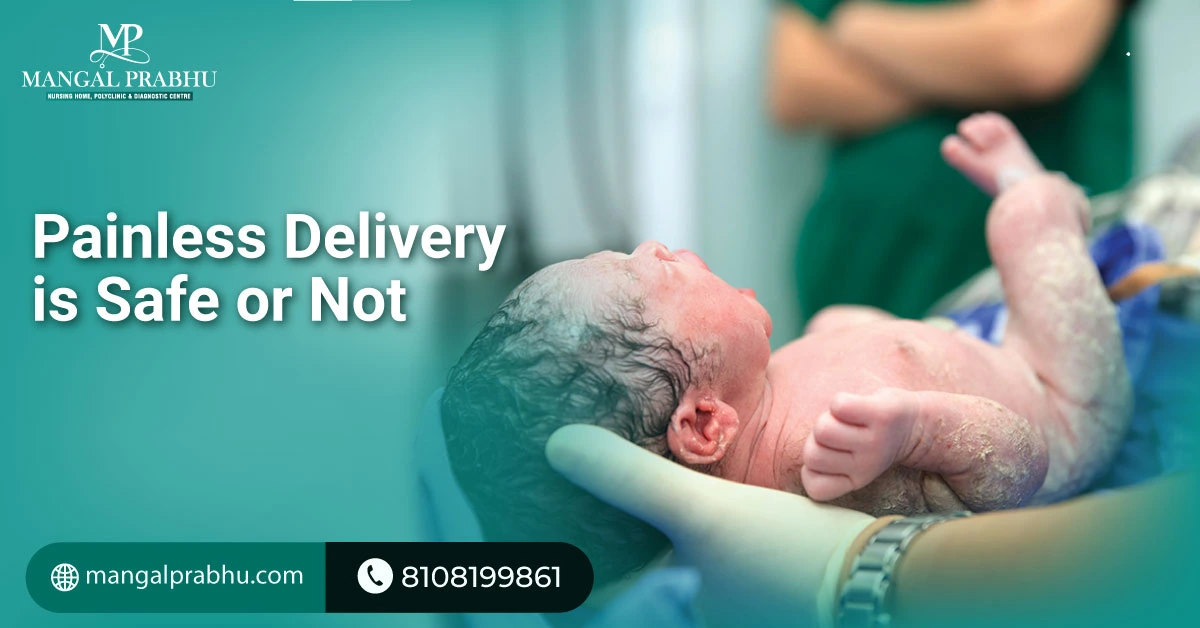
Painless Delivery is Safe or Not
As a woman approaches the delivery date, her fear heightens. Anxiety, fear, and uncertainty are pretty normal feelings during this time. The most intimidating part about childbirth is the excruciating pain. Fortunately, modern science has made childbirth less painful and a more manageable procedure.
Epidural Analgesia, also known as painless delivery, has become the most preferred choice for women undergoing childbirth at a maternity hospital in Navi Mumbai. That said, there are many myths about the concept. The biggest question every woman asks about the procedure is, “Is painless delivery safe or not”? Let’s find out.
Types of Painless Delivery Methods
Here’s how you can deliver your baby vaginally without experiencing labor pain.
1) Epidural Anesthesia:
It’s injected near the spinal cord, in the lower back, to block the pain sensation. The dose is carefully adjusted so that the woman stays awake throughout labor and can push when it’s time to deliver.
2) Spinal Block:
Although it’s commonly used in a c-section delivery, the spinal block can also be administered to women who are attempting a vaginal birth. It’s injected into the spinal fluid, offering immediate pain relief.
3) Laughing Gas:
In some cases, healthcare professionals use laughing gas to help manage your anxiety, which in turn reduces the intensity of pain. It does not eliminate pain completely, but it can help manage it to some level.
Pros of Painless Delivery
Painless delivery is considered safe. Here are its benefits:
i) Reduced Labor Pain:
Pain relief is the biggest advantage of epidural analgesia. It helps mothers relax and experience childbirth without enduring pain.
ii) Increased Comfort for the Mother:
When there is no labor pain, pushing becomes much easier for the mother upon complete dilation. This also reduces anxiety and makes the childbirth experience quite joyful.
iii) Adjustable Dosage:
The dose can be adjusted based on your requirements and the intensity of your pain. It can be increased, reduced, or stopped when needed.
Also Read: Is Normal Delivery Possible After Cervical Cerclage?
Cons of Painless Delivery
When administered by a professional painless delivery doctor in Navi Mumbai, epidurals are generally safe and are quite effective in reducing labor pain. However, there are a few things you should know about painless delivery before considering it.
a) Back Pain:
Women who opt for epidural analgesia might experience soreness around the injection site and difficulty urinating.
b) Prolonged Labor:
There’s a possibility that epidurals can make the pushing phase harder. This can extend your labor.
c) You Can’t Move:
Since your lower body will be under the effect of anesthesia, you can’t move until the epidural is removed.
d) Forceps or C-Section Delivery:
Some women might need to undergo an immediate C-section or an assisted vaginal birth with forceps or vacuums.
e) Added Cost:
Some hospitals charge extra for administering epidural anesthesia during childbirth. This can make painless vaginal delivery expensive. While painless delivery can make your childbirth experience better, it’s best to discuss your health and delivery goals with your gynecologist beforehand. It’s also important to choose a healthcare facility that’s equipped with the technology to offer painless delivery and conduct an emergency c-section delivery.
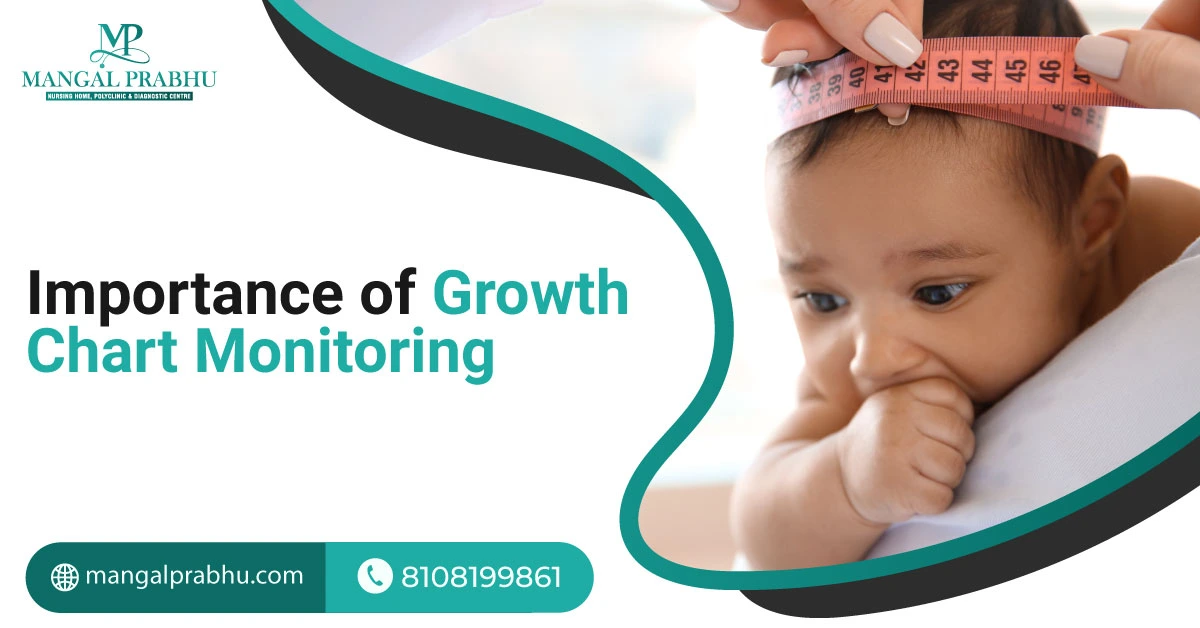
Importance of Growth Chart Monitoring
Holding your little one in your arms for the first time is one of the most rewarding experiences for parents. Parents will see their babies achieve new milestones every month. From flashing the first smile to crawling to taking their first step, each growth phase brings something new. You may also need to visit the children’s hospital in Navi Mumbai regularly to ensure your baby’s growth is on track and they aren’t experiencing any health-related issues.
The question is, how do you know if your infant or toddler is growing at the right pace? A growth chart is the best way to know what milestones your little ones are supposed to achieve by what age. Let’s see what it is, how it works, and the importance of growth chart monitoring.
Understanding Growth Charts
A growth chart consists of some vital parameters, like weight, height, and head circumference. It measures your baby’s growth, compares it with that of other babies, and suggests whether your baby’s growth is on track. Any unusual change in your baby’s growth can be identified and addressed promptly.
Benefits of Growth Chart Monitoring
Here’s why every parent should consider growth chart monitoring.
i) A Must for Newborns:
Babies tend to grow fast in the first few months after birth. Their feeding habits, sleep cycles, behavior, and physical growth change significantly. A growth chart is an effective monitoring tool that ensures your newborn is growing like a normal baby.
Also Read: How to Stop Diarrhea in Infants?
ii) Early Detection:
Growth chart monitoring is a proactive approach that helps parents detect any abnormalities in their babies early on. Before the issue escalates, it’s quickly detected and can be treated promptly.
iii) Proper Nutrition:
It’s hard for parents to know whether their little ones are getting the proper nutrition. If you want to ensure your baby is feeding well and is developing properly, use a growth chart. If you see any deviation, it could be a sign you may need to use supplementation.
How to Use Growth Charts
It may seem daunting at first, but a growth chart is easy to use. Let’s see what parameters you need to measure first:
- Weight
- Height
- Head circumference
Percentile is the next important factor. Ideally, babies should grow at a consistent rate to ensure they are developing normally. If you notice any sudden or severe deviation, see a pediatrician to rule out any potential growth issue. So, how exactly do you understand the percentile? Let’s say your baby’s growth chart shows they are in the 70% percentile for weight. This means they weigh 70% more than kids their age.
It’s important to consult a child specialist in Navi Mumbai regularly for at least the first few months. They will plot your baby’s growth and tell you if their growth is on track.
Conclusion
While a growth chart is an excellent baby’s growth monitoring tool, the numbers in it alone can’t predict or prove anything. Besides, the percentiles tend to fluctuate. If your child seems playful, happy, is feeding well, and seems to be achieving their regular milestones, these are the good signs. Still, if you have any concerns, meet your pediatrician.
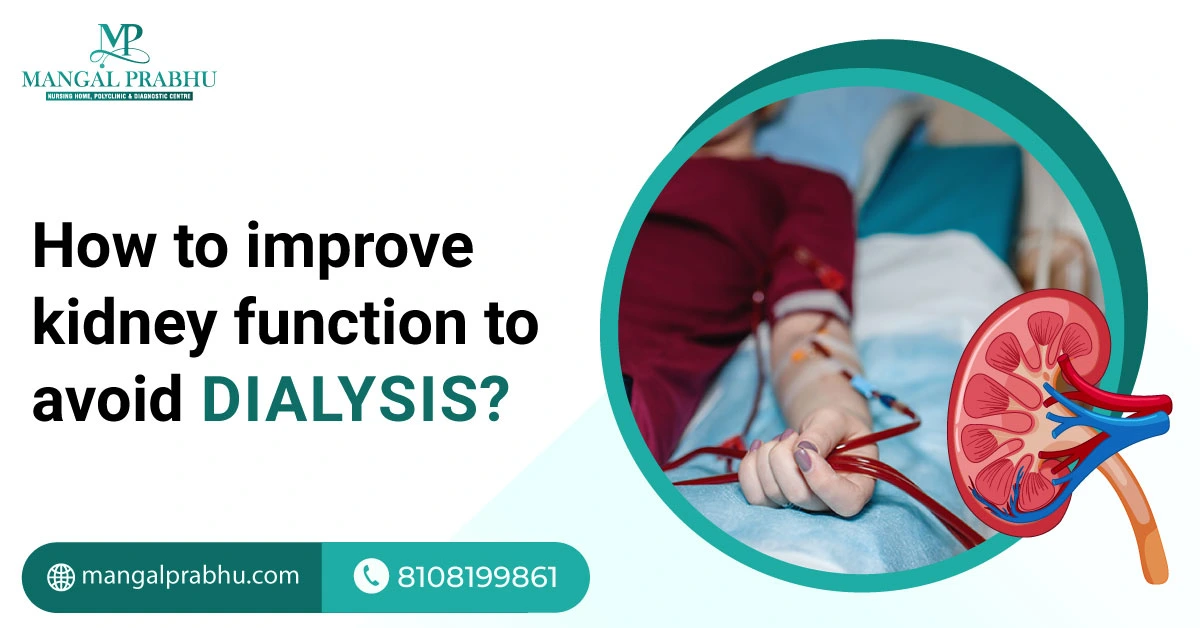
How To Improve Kidney Function to Avoid Dialysis?
Dialysis is a life-saving treatment for patients who are at an advanced stage of kidney disease. While it may be necessary for those who’ve sustained severe kidney damage, there are ways you can avoid going through dialysis. We’ve compiled a list of the best kidney practices recommended by every nephrologist in Navi Mumbai for good kidney health. These can help improve kidney function, making it more efficient at filtering the waste and excess fluid from your bloodstream. Here’s what can help.
Diet and Nutrition
Your diet plays an important role in keeping your kidneys healthy. You should follow a balanced diet with low sodium, moderate amounts of lean proteins, low-potassium and low-phosphorus foods. Try to include more vegetables, fruits, and low-fat products in your diet to protect your kidneys. You can also consult a registered dietician to create a customized, kidney-friendly diet plan for you.
Hydration
Drink plenty of water to flush out toxins from your body. Hydration dissolves minerals and waste products in your bloodstream, including creatinine and urea. Moreover, the risk of kidney stones increases drastically when you are dehydrated. This leads to highly concentrated urine, which can form mineral deposits that turn into kidney stones. That said, you must not drink too much water, as it can cause water intoxication. Ideally, 6-8 glasses of water are sufficient, but always consult your doctor if you have advanced-stage kidney disease.
Lifestyle Changes
1) Exercise:
Incorporating exercise into your routine can significantly impact your lifestyle and reduce your risk of developing chronic diseases. You don’t have to join a gym or practice high-intensity workouts. Just taking a walk every day, doing household chores, and trying aerobic exercises will do.
2) Avoid Stress:
Managing stress is another vital part of reducing your risk of developing chronic kidney disease. Stress is linked to heightened blood pressure, which can narrow the arteries in the kidneys, affecting their ability to filter out waste effectively. Chronic blood pressure can cause kidney disease. Practice meditation, yoga, and other exercises to manage stress. Consult a professional counselor to discuss the best stress management techniques.
3) Regulate Your Blood Sugar Level:
People with diabetes are also more likely to develop kidney diseases compared to those with regulated sugar levels. Like blood pressure, high blood sugar levels can damage the blood vessels in your kidneys, impairing their function. Monitor your blood sugar regularly and take your prescribed medication, including insulin shots, if prescribed.
Monitoring and Medical Check-ups
Schedule regular health checkups if you have a family history of kidney diseases, high blood sugar, high blood pressure, and other conditions that make you more prone to developing kidney issues. Blood and urine tests can help identify unhealthy kidneys early on. Remember, the sooner it’s diagnosed, the better the chances you won’t need to visit a dialysis center in Navi Mumbai. Seek immediate medical care if you experience reduced urine output, fatigue, nausea, loss of appetite, and shortness of breath. These are some warning signs of severe kidney disease.
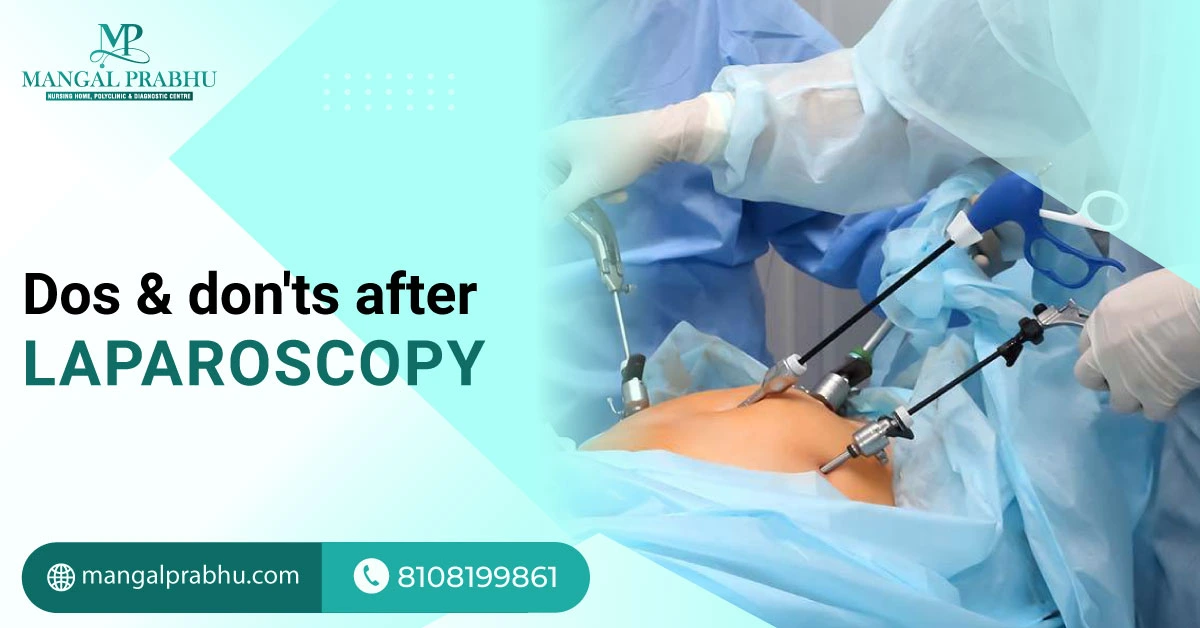
Dos and Don’ts After Laparoscopy
Laparoscopic surgery is a minimally invasive procedure that helps your general surgeon in Navi Mumbai take a deeper look at your internal organs, get the most accurate diagnosis, and figure out a viable treatment plan.
Laparoscopy can be used for diagnosis and treatment. For instance, it can give your surgeon a clear picture of the uterine fibroids while also removing them through several small incisions on your abdomen. The question is, what does recovery look like, and what can you do after laparoscopy to speed up your recovery? Let’s take a look at the several dos and don’ts after laparoscopy.
Dos and Don’ts After Laparoscopy
Dos After Laparoscopy
i) Follow Your Doctor’s Instructions:
Your surgeon will explain post-operative instructions, such as when to wash the incision site, when to start walking, how much physical activity is safe, the medication you should take, and when to see your doctor. Follow their instructions carefully.
ii) Maintain a Balanced Diet:
Eat a diet rich in essential vitamins, minerals, fiber, omega-3 fatty acids, and other nutrients to maintain your energy levels. If you experience stomach ache or gas, switch to bland, low-fat food. Drink enough fluids to maintain hydration.
iii) Engage in Light Physical Activity:
Rest is the key to fast recovery, but that doesn’t mean you need to go into bed rest. Light activity, such as a stroll in your street or gentle stretching a few days after the surgery, can help promote blood circulation, prevent blood clots, and speed up your recovery.
iv) See Your Doctor:
Visit the surgery hospital in Navi Mumbai for your follow-up appointments. Your surgeon will assess your incision and your overall health to ensure you are in good health and recovering normally.
Don’ts After Laparoscopy
a) Avoid Heavy Lifting:
Do not push yourself beyond your limits. While it’s normal to want a quick recovery and to want to get back to your routine life soon after surgery, strenuous exercises must be avoided. Likewise, heavy lifting, including carrying grocery bags, suitcases, pets, and babies, is off-limits.
b) Refrain From Driving Immediately:
Arrange your drive back home after surgery. Driving is usually restricted until you are on pain meds. Besides, sitting for prolonged hours can strain your abdomen.
c) Don’t Neglect Signs of Complications:
See your doctor immediately if you have a high-grade fever that persists for days with swelling and discharge from the incision site. Other signs of complications include severe pain that doesn’t subside with pain-relieving medication, nausea, vomiting, and difficulty breathing.
Tips for a Smooth Recovery
Here’s what you can do to achieve fast recovery:
- Practice light physical activity
- Use a pillow for abdominal support when laughing, sneezing, or coughing
- Avoid household chores until your doctor clears you for it.
- Watch out for unusual signs and seek immediate medical assistance
- Get ample rest
Conclusion
While there’s a general recovery timeline for laparoscopy, every patient has their own recovery journey. Your progress after the procedure depends on the hospital, the doctor’s expertise, the nursing staff, your pain tolerance, the duration of the surgery, and other factors.