
What is a Multi-specialty Hospital?
The first thing you do when you or someone you love falls sick is visit a healthcare provider. However, before you see a doctor, you may wonder if your condition requires a visit to a general or multispecialty hospital in Navi Mumbai.
It has different departments and offers advanced care under one roof. In this post, we’ll explain what a multispecialty hospital is and why you need to consider it.
Overview of Multispecialty Hospital
A multispecialty hospital is an all-in-one clinic where you get all services, from OPD and diagnosis to treatments, ranging from surgery to more complex care. These hospitals also serve patients with various medical needs, including cardiology, neurology, orthopedics, gynecology, and urology, among others.
Such hospitals are highly recommended for patients with complex medical conditions, such as diabetes. Besides, patients mostly visit a multispecialty hospital because of the convenience. It saves you from running back and forth between a diagnostic center and the surgery department.
Multispecialty Hospital Vs. Single-specialty Hospital
These are different from single-specialty hospitals, which are recognized for their single specialized units, such as a cardiology hospital that handles heart-related cases or a neurology hospital that’s for patients with brain or spine issues. While a single-specialty hospital might offer limited health services, if you need specialized care, a multispecialty hospital might be a better choice.
Features of a Multispecialty Hospital
The wide range of services isn’t the only benefit of visiting a multispecialty hospital. Here’s what else you can expect here:
1. Modern Technology
For general and emergency cases, patients prefer multispecialty hospitals due to their cutting-edge technology and modern medical infrastructure. These hospitals keep their technical systems up to date to ensure the best possible care for their patients. You can find MRI scans, CT scans, robot-assisted surgical tools, and other modern medical technologies.
2. Excellent Coordination
A multispecialty hospital has different departments, the professionals in which work together to provide compassionate and comprehensive care to patients. For example, if a diabetic patient with kidney issues needs to undergo heart surgery, the endocrinologist, cardiologist, and nephrologist will work as a team to offer top-notch service.
3. Emergency Care
A multispecialty hospital also serves as an emergency hospital in Navi Mumbai. For all critical cases that require immediate medical assistance, such as accidents or critical illness, the patient is admitted to multispecialty hospitals that have intensive care units, trauma centers, and professionals who are there to assist round-the-clock.
Who Needs to Visit a Multispecialty Hospital?
A multispecialty hospital is for patients with advanced or complex medical issues, such as cancer, kidney failure, brain issues, stroke, or heart disease. These issues require specialized and professional care in a clinic equipped with state-of-the-art technology. A general hospital may not have the necessary tools and infrastructure to provide care to these patients.
A multispeciality hospital is suitable for emergency cases that require orthopedic or neurosurgeons. Additionally, a multispecialty hospital is a practical option if your condition doesn’t improve with consecutive treatments. If you have persistent issues that do not respond to the treatments offered by a general doctor, you must visit a specialist in a multispecialty hospital for a thorough evaluation.

Understanding Newborn Poop Frequency: A Parent’s Guide
Parents of newborns experience many firsts. The first time holding your little one in your arms, the first cuddle, the first feed, the first burp, and more. Among the many concerns that new parents have for their newborns, the most common is their first poop, normal poop consistency and frequency.
It’s normal to wonder if your baby’s poop is normal or if they have too many or too few dirty diapers. To make it easier for you, we’ve compiled a detailed guide that explains newborn poop frequency and what’s normal according to a child specialist in Navi Mumbai.
Normal Newborn Poop Frequency
The color, texture, and frequency of your baby’s poop can vary depending on whether you are feeding breastmilk or formula, as well as their unique digestive patterns.
Within 24-48 hours of their birth, they will pass thick, greenish, or black stool, called meconium. The color may change to a greenish-brown on Days 3 or 4.
1. Breastfed Babies
In the first month, your baby might pass yellow, runny stool after every feed, around 6-10 times a day. It’s also normal for some breastfed babies to poop once every few days, as long as their stools seem soft, yellow, and they are overall comfortable. However, that’s considered normal only after 6 weeks of birth.
2. Formula Fed
Formula-fed babies poop less frequently, but might still pass a stool 1-4 times a day for the first week, until the frequency decreases to once a day or on alternate days. The stool of formula-fed babies can be a little brownish.
Changes in Poop
Changing your baby’s food, such as switching from breastmilk to formula or introducing solid foods, can affect their poop color, consistency, and frequency. For example, if you have recently started giving them solid food, the color of your baby’s poop might change based on what they are fed. You may also notice small, undigested pieces of food in their stools.
When to See a Pediatrician
Any drastic change in your baby’s poop should not be ignored, especially if their diet is not changed. Here’s when to take your baby to the NICU/PICU hospital in Navi Mumbai.
- Unusual Color: The normal color of the stool in newborns is yellow, green (occasional), and brown. Specks of black blood in the stool can be normal if the baby ingested blood from your cracked nipples, but if you notice bright red blood, see a pediatrician. Other abnormal poop colors in newborns are white, gray, and black (after meconium).
- Frequency: If the baby doesn’t defecate within 24-48 hours, consult a pediatrician, as it may indicate they are eating less.
- Consistency: A newborn’s poop must be soft, seedy, and runny. Hard, pellet-like poop with visible signs of discomfort or straining when passing a stool can indicate constipation. If they are passing watery or loose stools multiple times a day, it could be diarrhea.
Remember, diarrhea can lead to dehydration, which requires prompt medical attention. Notice other changes in your baby’s behavior, such as fewer wet diapers, no tears when crying, faster heartbeat, or a dry mouth. If you are unsure about the changes in their poop color or frequency, call a pediatrician for your peace of mind.

5 Types of Hysterectomy
Your uterus or womb is your baby’s home for nine months. That’s where the embryo gets all the nourishment it needs for growth until it’s ready to enter the world. Hysterectomy (uterus removal surgery) in Navi Mumbai can be a life-saving procedure for some women. For others, it’s advised to improve their quality of life.
Hysterectomy is the second-most common surgery among women after cesarean delivery. It often offers relief from heavy bleeding, prolonged and painful periods, endometriosis, uterine prolapse, and other reproductive issues. In this post, we’ll walk you through the five common types of hysterectomy and when they are advised.
1. Partial Hysterectomy
Although less common these days, some women might opt for a partial hysterectomy — a procedure that removes the uterus surgically, but keeps the cervix (the part that connects the uterus to the vagina) in place. Your gynecologist may recommend this option if your cervix appears healthy and normal.
However, with the cervix intact, you may need to take pap smears regularly. The advantage of a partial hysterectomy is that the recovery is slightly smoother and less drastic compared to a total hysterectomy.
2. Total Hysterectomy
This is the most common hysterectomy procedure. As the name suggests, your gynecologist removes the uterus with the cervix. A total hysterectomy can be performed using laparoscopic, robot-assisted, or open-cut procedures.
Your gynecologist in Navi Mumbai may recommend a total hysterectomy if you have fibroids, uncontrollable vaginal bleeding, endometriosis, or uterine cancer. After a uterus removal, your periods will stop, but you won’t enter menopause immediately unless the ovaries are also removed.
3. Radical Hysterectomy
Radical hysterectomy is the most complex form of hysterectomy and is usually reserved for patients with cervical cancer. The surgery removes the uterus, cervix, a part of the vagina, surrounding tissues, and in some cases, lymph nodes.
Since the surgery is considered quite major and may affect your bowel function due to the involvement of healthy surrounding tissues, it’s only performed when absolutely necessary. Your surgeon will most likely weigh the risks and benefits of a radical hysterectomy before recommending this procedure.
4. Hysterectomy with Oophorectomy
Hysterectomy can involve the removal of one or both ovaries. It’s recommended for women with ovarian cancer, pelvic inflammatory disease, or ovaries that look abnormal. Gene mutations, such as BRCA genes, that increase ovarian cancer risk can be the reason your gynecologist might advise you to get a hysterectomy with oophorectomy.
If both ovaries are removed, you’ll enter menopause immediately. The symptoms of menopause include hot flashes, night sweats, mood swings, and an increased risk of osteoporosis.
5. Hysterectomy with Salpingo-Oophorectomy
This surgical procedure removes your uterus with fallopian tubes and ovaries (one or both). The recovery can take 4-6 weeks or less if advanced surgical methods, such as laparoscopic or robotic, are followed. Sometimes, your surgeon may remove lymph nodes, tissues, part of the vagina, both tubes, and both ovaries, along with the uterus, for cancer treatment.
The most suitable procedure for your case depends on your age, health, and the reason for your hysterectomy. Consult a gynecologist to know your best treatment option.

Understanding Cancer Types and Causes: A Complete Guide for Awareness
The word “Cancer” sounds scary. If you know someone who’s diagnosed with cancer, you know the struggle, the vigorous treatment, and the fear of a relapse. An oncologist in Navi Mumbai advises people to be aware of the different types of cancers, their symptoms, and the diagnostic process, so that they know when to seek treatment. In this post, we’ll walk you through the meaning, types, symptoms, and causes of cancer. Read on.
How Cancer Develops
Cancer is not a single disease, but a group of diseases that can occur in any part of the body. Normally, healthy cells in the human body die when they are damaged, so that new cells can replace them. In people with cancer, this normal cell balance is disrupted. The damaged cells, instead of dying, multiply rapidly and form tumors. They can spread through lymph nodes to other parts of the body (also known as metastasis).
Causes of Cancer
A common cause of cancer is changes in your DNA, which give your cells instructions to grow, divide, and die. The changes in the DNA can be inherited or occur due to environmental factors. If one of the parents has gene mutations, they can pass these to their offspring. This increases the child’s risk of developing cancer. Other causes include:
1. Lifestyle Factors: Tobacco consumption and smoking are the major causes of lung, throat, and mouth cancers. Similarly, too much alcohol is linked to breast, liver, and mouth cancers. High intake of sugar, red meat, and processed foods can also increase cancer risk.
2. Environmental Factors: UV rays, too much exposure to radiation through medical imaging, and working with chemicals, such as benzene, are also associated with cancer risk.
3. Infections: Certain viruses and bacteria can cause cancer. Human Papillomavirus, for instance, is linked to a high risk of cervical cancer, especially HPV 16 and 18 variants. Likewise, hepatitis B and C can cause liver cancer, while a stomach infection caused by Helicobacter pylori also carries the cancer risk.
Types of Cancer
People can develop cancer of the breast, lungs, liver, throat, mouth, skin, blood, pancreas, stomach, and reproductive organs. Here are the most common types:
- Breast Cancer: It’s the most common type of cancer in women. Risk factors include obesity, gene mutations, hormonal changes, and late pregnancy. Breast cancer is detected through mammograms and physical checkups.
- Lung Cancer: Tobacco consumption and smoking are the most common causes, although genetic factors are also linked to lung cancer. Second-hand smoke and air pollution are other risk factors.
- Colorectal Cancer: Colorectal cancer is another common type of cancer that can occur in people with a family history of rectum or colon cancer or those living a sedentary lifestyle with poor dietary choices.
- Skin Cancer: Constant exposure to the ultraviolet rays can cause skin cancer, both melanoma and non-melanoma.
- Blood Cancer: Blood cancer creates an abnormal amount of white blood cells, which might disrupt the normal function of your blood.
Treatment for most types of cancers at a cancer hospital in Navi Mumbai includes a combination of chemotherapy, surgery, radiation therapy, immunotherapy, and hormone therapy. The best treatment plan for you depends on how aggressively the cancer grows, where it started, and your overall health.
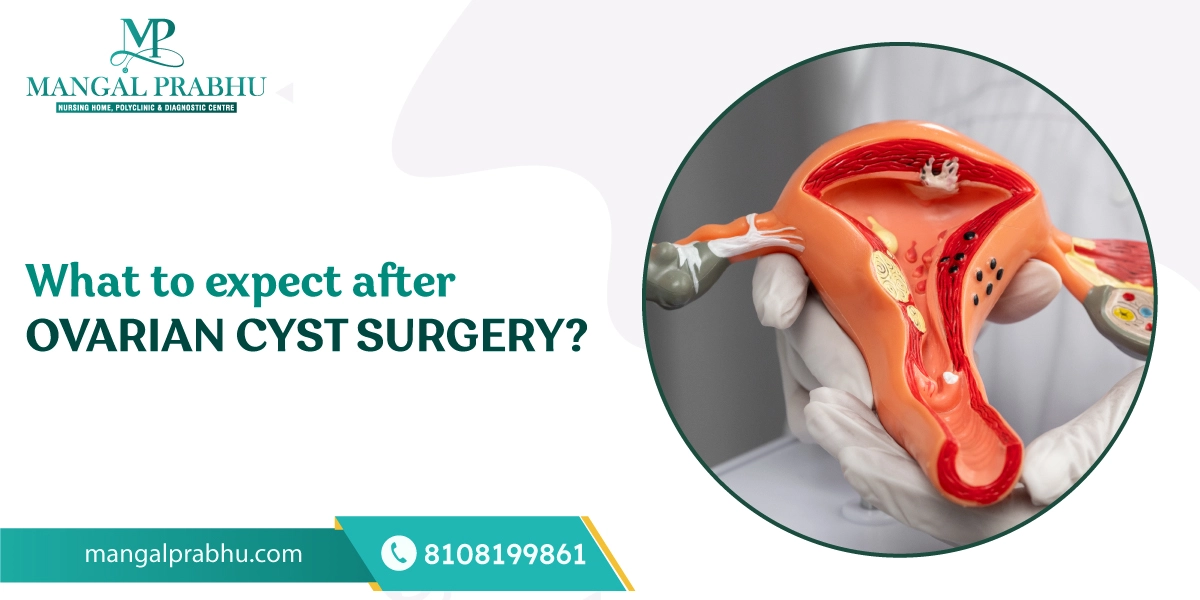
What to Expect After Ovarian Cyst Surgery
Ovarian cystectomy is a surgical removal of the fluid-filled pouches that form on or in the ovaries. While small cysts are common, larger ones (above 7 cm) might require surgical removal. A gynecologist in Navi Mumbai will explain what to expect after ovarian cyst surgery. If you are wondering what recovery after cystectomy is like, this post is for you.
Immediately After Surgery
Since cystectomy is a major surgery, you may need to spend a night or two in the hospital for monitoring. How long you stay in the hospital also depends on whether you have had an open surgery or laparoscopic cystectomy.
Your surgeon will watch your urine output, stools, blood pressure, and other vitals. Pain and bloating are normal after cystectomy. You will be given pain-relief medication to minimize discomfort. The surgeon closes the incision with staples, stitches, or glue. You may need to have them removed if they are not dissolvable.
How Soon Can You Recover Fully After Cystectomy?
Your recovery after the surgery depends on the type of procedure, your age, health, and lifestyle. In the first week after surgery, you are advised to take short walks to improve circulation and prevent constipation and blood clots.
Pain usually subsides by the third or fourth week. You can resume light activities, but don’t indulge in heavy lifting or other strenuous exercises yet or until your doctor gives you the go-ahead. Complete recovery may take 6 weeks in open surgery and around 4 weeks if you’ve had a laparoscopic removal of the cyst.
Tips for Faster Recovery
Before you get a discharge from the gynecological surgery hospital in Navi Mumbai, the surgeon will explain recovery instructions. Here’s what’s advised for most patients:
- Do not take a shower, sit in bathtubs, or practice swimming without asking your doctor first.
- Keep the incision site clean and dry.
- Sexual intercourse is not advisable until 4-6 weeks after surgery. Remember, your body has not healed internally yet. So, any activity that can strain the surgical site should be avoided.
- Eat foods rich in fiber for normal bowel movements.
- Drink plenty of fluids.
- Use a pillow or other lightweight items for support when coughing or sneezing.
- Rest as much as your body needs, but do not stay in bed all day. Light movements can help with recovery.
- Take your pain-relief medication and antibiotics (if prescribed) following the recommended dosage.
- Arrange for a drive home after surgery.
- Ask a friend or a close one to help you with household chores for the first week.
Warning Signs after Ovarian Cyst Surgery
Seek immediate medical support if you notice any warning signs.
- Fever exceeding 100.4°F
- Pain around the incision that doesn’t improve with medication
- Swelling or discharge from the incision
- Chest tightness and pain
- Heavy bleeding
Ovarian sacs are fairly common, especially in women of reproductive age. You may not even know you have them until they are detected in ultrasounds or other routine pelvic tests.
Some cysts, however, might grow large enough to cause pain and discomfort. Although less common, the cysts can become cancerous, requiring surgery. Follow the above tips to ensure a faster recovery after cystectomy.

What is Colorectal Cancer?
Your colon and rectum are part of your large intestine. The colon takes in water from what you eat and turns the waste product into poop, while the rectum is where the poop is stored. Colorectal cancer is the abnormal cell growth in the tissues of the colon or rectum. The term sounds intimidating, but it’s possible to survive colorectal cancer, especially if the disease is caught early.
Colorectal cancer treatment in Navi Mumbai is determined based on the stage of cancer, where it began, and your health. Being aware of its symptoms and seeking medical attention at the right time can help improve the success rate of your treatment.
Causes of Colorectal Cancer
Changes in your genetic material can lead to colorectal cancer. Here’s what else can increase your risk of developing colorectal cancer:
- Being older (the risk increases with age, although cases of colorectal cancer in young people are also seen nowadays)
- A family history of colorectal cancer
- Being diagnosed with ulcerative colitis or Crohn’s Disease
- Drinking excessive alcohol
- Smoking cigarettes
- Being obese
- Living a sedentary or inactive lifestyle
Symptoms of Colorectal Cancer
Early diagnosis is the major challenge with most types of cancer, including colorectal cancer. That’s why oncologists in Navi Mumbai recommend getting colonoscopies once you hit a certain age mark. If symptoms show up, they might include:
- Bright red stools that might indicate a possible internal bleeding
- Abdominal pain
- Thin or pen-like stools
- Unexplained or sudden weight loss without making dietary changes
- Fatigue
- Weakness
Note that these signs aren’t proof that you have colorectal cancer. It’s best to consult your healthcare expert if you notice unusual changes in your bowel movements, especially if they persist.
Diagnosis
Since symptoms alone are not powerful signs of cancer, it’s best to get tests that can help detect it before it has started developing or spreading. It’s advisable to start getting tests when you are 45. Here’s the list of the tools commonly used for diagnosing colorectal cancer.
1. Digital Rectal Exam: The test involves inserting a gloved finger into the rectum to test for polyps and any unusual growth.
2. Colonoscopy: Done under sedation, colonoscopy involves inserting a thin tube with a camera to get an inside view of your large intestine. It’s also used for removing polyps that can turn into cancer later.
3. Stool-based Tests: Your healthcare provider may ask you to provide a stool sample to detect blood in the stool.
Treatment for Colorectal Cancer
Colorectal treatment can vary based on the type and stage of cancer. Here are the common treatment options:
- Surgery to take out the parts of your large intestine affected by cancer cells
- Chemotherapy to remove the remaining cancer cells
- Radiation therapy to shrink the cancerous tumor before surgery or to kill the leftover cells after surgery.
- Target therapy that targets cancer cells
- Immunotherapy that boosts your immune system to fight cancer effectively.
A combination of these treatment options may be used to remove all cancer cells from your large intestine effectively.

How to Know if TB Treatment is Working
Tuberculosis is a lung infection that can also spread to the brain, spine, and other parts of the body. The infection spreads through the air. If you or someone close to you has had tuberculosis, you might wonder how long the treatment will take.
It’s essential to consult a chest physician in Navi Mumbai if you experience a persistent cough that doesn’t resolve within 1-2 weeks, coughing up blood, pain or tightness in the chest due to coughing, and other related symptoms. Here’s all you should know about tuberculosis treatment and the signs it’s actually working.
How Long Does the Tuberculosis Treatment Take?
Unlike other bacterial infections, tuberculosis treatment takes time. The treatment can last for months, up to six months in some cases, to ensure the bacteria are wiped out completely. This prolonged duration is because of the slow-growing bacteria. Usually, in bacterial infections, bacteria multiply within hours.
In tuberculosis, however, the bacteria grow gradually. To kill them all, including the dormant ones that remain hidden in your tissues and might activate later, a physician may prescribe a long course of antibiotics.
Signs TB Treatment is Working
You don’t get better or start to see immediate relief from the symptoms. Progress usually happens gradually. Here are the signs that the treatment is working.
You Feel Better and Stronger: Within a few days of starting TB treatment, you will notice improvement in your energy levels. Fatigue reduces, and your appetite returns to normal.
Reduced Coughing: Coughing is quite severe in people with tuberculosis, with some people noticing phlegm or even blood. However, as you start taking medication, it should gradually reduce. Once the treatment is over, your coughing should disappear completely.
Your Weight Increases: Tuberculosis may result in weight loss, as people tend to lose their appetite in the initial days. Once treatment starts, you may feel hungry as usual and gain weight. A gradual weight gain is the most reassuring sign that the TB treatment is working.
Fever and Night Sweats Gradually Improve: Low-grade fever with night sweats are common signs of TB. If you have been waking up with your clothes drenched in sweat, you should start to notice a gradual improvement in your symptoms after starting the medication.
Test Results Show Signs of Improvement
While the above symptoms may indicate an improvement in your health, they alone do not always mean that the TB bacteria have been completely eliminated.
Your doctor will rely on the test results for an accurate diagnosis. A sputum test, for example, shows the bacteria in your phlegm, and X-rays are used to see if the lung infection is resolving. If your test results show improvement, this means the treatment is working.
Recovering from tuberculosis can be challenging. The duration of treatment, specifically, can be pretty overwhelming. However, it’s important to take your medicines regularly and as prescribed by your physician. Visit a multispecialty hospital in Navi Mumbai if you experience worsening cough, persistent fatigue, fever, night sweats, loss of appetite, or blood in the cough.
Common Pediatric Diseases and When to See a Doctor
As parents, we take every measure to ensure our children’s well-being. But no matter how much we try, children get exposed to germs a lot. Some illnesses are short-lived and usually resolve on their own with home remedies, but others might require a visit to the children’s hospital in Navi Mumbai. Knowing when to seek a pediatrician’s advice is important for your peace of mind. In this post, we’ll walk you through common pediatric diseases and when to see a doctor.
1. Common Cold
Children are more prone to common colds because their immune systems have not yet fully developed. Symptoms include sneezing, a stuffy nose, a cough, mild fever, headache, and a sore throat.
Most cases of the common cold are caused by rhinovirus. These are acute, viral infections that typically do not require pediatric visits. That said, if the symptoms persist for 10 days or longer, see a pediatrician.
2. Ear Infections
Ear infections are not uncommon in children, particularly those under 2 years old. If your child has had a cold, the area behind their eardrum might get filled with fluid. This can make them prone to bacterial or viral infections.
Symptoms include tugging at the ear, earache, difficulty hearing, fever, and loss of appetite. See a pediatrician in Navi Mumbai if you suspect an ear infection. They will likely recommend antibiotics in combination with pain-relief medications.
3. Hand, Foot, and Mouth Disease
HFMD is another viral illness that’s common in children below 5. It causes blister-like rash on the hands, feet, and mouth. Sometimes, the rash appears on the buttocks. Your child may not be able to eat solids or drink fluids due to mouth sores. HFM might also cause fever. It resolves within 7 to 10 days. Medication to reduce the fever and relieve the sore throat may help.
4. Chickenpox
Chickenpox, caused by the varicella-zoster virus, is a common viral infection in children under 12 years of age. Symptoms include rash with red spots, fever, irritability, and constant itching. The infection typically clears within 1 to 2 weeks. You can manage your child’s symptoms with doctor-prescribed antihistamines.
5. Stomach Infection (Gastroenteritis)
Stomach infections are common in young children. These are usually transmitted through contaminated food and water, or through close contact with a sick child. Children with gastroenteritis have diarrhea, vomiting, abdominal pain, fever, tiredness, and loss of appetite. Take your child to a pediatrician if their fever goes above 102°F or they show signs of dehydration.
6. Throat Infections
Another common illness in children is a throat infection. It can be a sore throat or a more serious issue, such as strep throat. If your child has a scratchy or sore throat with fever, pain when swallowing, a hoarse voice, and bad breath, see a pediatrician.
Viral throat infections clear on their own and are usually accompanied by a runny nose, sneezing, and a cough. Strep throat, caused by the bacteria Streptococcus, requires antibiotics.
Conclusion
Illnesses in children are quite common. While most are short-lived and don’t require a hospital visit, you must always trust your instinct. If something feels off about your kids or they are unusually unwell, see a pediatrician.

How to Prevent Ectopic Pregnancy
Ectopic pregnancy occurs when the fertilized egg, which is supposed to travel down the fallopian tubes and attach itself to the uterus, grows outside the uterine cavity. It’s a life-threatening medical emergency that requires an immediate visit to the high-risk pregnancy care hospital in Navi Mumbai for prompt diagnosis and treatment. In this post, we’ll take a look at how you can reduce your risk of having an ectopic pregnancy.
Causes of Ectopic Pregnancy
- Scarring on the fallopian tubes due to pelvic inflammatory diseases
- A history of ectopic pregnancy
- A birth defect in the fallopian tube, which may affect the egg’s movement
- Hormonal imbalances
- Advanced maternal age
- Certain lifestyle choices, like smoking
- A surgery involving the fallopian tubes, uterus, and ovaries
Assisted reproductive technology, such as IVF, is also linked to a slightly higher risk of ectopic pregnancy.
How to Prevent Ectopic Pregnancy
While some factors might not be in your control, others, such as quitting smoking, following a healthy diet, and practicing safe sex, are a few tips that can lower your risk. Here’s a list of the ways to prevent ectopic pregnancy.
Quit Smoking: Smoking is injurious not only to your lungs but also to your reproductive health. Nicotine and other substances found in tobacco can impair your fallopian tubes. This makes it harder for the eggs to travel to the uterus.
Safe Sex: Protection, such as condoms, can minimize your risk of catching sexually transmitted infections. It’s best to limit the number of people you are sexually active with.
Identify Warning Signs: It’s important to see a gynecologist in Navi Mumbai if you have heavy periods, pelvic pain, and other unusual symptoms. These could be the signs of endometriosis and other reproductive conditions, which can cause scarring in your fallopian tubes. This might eventually increase your risk of having an ectopic pregnancy.
Get Ultrasounds: Your gynecologist will conduct an initial ultrasound in the first month to ensure the embryo is implanted in the right place. If you have had a pelvic surgery, especially if it involved your ovaries, fallopian tubes, or the surrounding structure, it’s worth getting an early ultrasound to rule out ectopic pregnancy. Ultrasounds are also a must for women who’ve conceived after IVF, IUI, and other assisted reproductive procedures.
Is Ectopic Pregnancy Serious?
A pregnancy where the fertilized egg grows outside the uterine cavity cannot continue. Most of these cases involve fetal growth in the fallopian tubes, which is considered a medical emergency. If not treated promptly, it can burst your fallopian tube and cause excessive internal bleeding, which can be life-threatening.
In the initial weeks, you may not have pronounced symptoms, making it difficult to diagnose. Only an imaging test, i.e., ultrasound, can tell if the embryo is attached to the uterus or elsewhere.
Treatment includes medication to stop the pregnancy from continuing. If your pregnancy has progressed and the tubes are ruptured, surgical removal of the embryo (along with the affected tube) may be necessary. Sometimes, the tube is repaired and left in place.

Breastfeeding vs Formula: Which Is Best for Your Baby?
After delivery, a pediatrician in Navi Mumbai advises you to start breastfeeding your infant right away. The biggest question that most moms wonder is whether they should switch to formula. Is it as good as breastfeeding? Or, should I consider combination feeding, i.e., breastfeeding and formula feeding?
There’s no correct answer to this question. It depends on your situation, your baby’s health, and your choice. It’s normal to feel guilty about your feeding choices. In this post, we’ll help you understand the difference between breastfeeding and formula feeding, and how to choose the best.
Breastfeeding: Nature’s Most Effective Food for Your Baby
Breastfeeding is recommended for at least six months for all babies.
Here’s why:
Highly Nutritious
Breastmilk contains antibodies, a combination of fats, proteins, and all the vital nutrients that your baby needs for growth in the first few months.
Continuous breastfeeding protects your babies from infections, such as ear infections, meningitis, diarrhea, and respiratory issues. Besides, it’s easily digested by newborns. The only nutrient it lacks is vitamin D, the supplementation of which starts soon after birth.
Free
Unlike a formula that can cost hundreds of dollars if given exclusively, breastmilk doesn’t cost a single cent. Besides, a lower risk of infections or illnesses means fewer trips to the children’s hospital in Navi Mumbai, which can save you significantly in the long run.
Customized Food
The biggest advantage of breastfeeding is that your body produces milk based on your baby’s requirements. The first milk is colostrum, which is rich in antibodies and is super healthy for newborns. The composition of the breastmilk changes regularly, adjusting to your baby’s growing needs. For example, if the baby is unwell, your breastmilk produces immune factors that can fight off the illness.
Formula Milk: An Alternative to Breastmilk
Formula is a healthy alternative to breastmilk. It is carefully prepared in sterile conditions in the manufacturing units. The producers use a complex blend of proteins, fats, and other nutrients found in mother’s milk to make it similar. Here’s what makes it a good choice for infants.
Convenience
It allows both parents to be involved in the baby’s feeding journey. Formula feeding is a convenient choice for working mothers. Anybody can feed formula milk to the baby, allowing the mother to continue her work. Besides, your baby will need fewer frequent feedings (if they are formula fed) compared to breastfed babies, as formula digests slowly.
Most Effective Alternative to Breastmilk
If you couldn’t breastfeed due to a medical reason, formula is the next best choice. Although it can’t match the exact composition of breastmilk, it does have the essential nutrients and is comparatively lighter on the tummy than cow’s milk, although it’s still heavier than breastmilk.
Many women stick to breastfeeding, while some use formula. Others may use combination feeding. Before making a decision, talk to a lactation consultant to learn more about each option. Choose the one that fits your situation.