

First-Time Parents’ Guide to Newborn Baby Care
Welcoming a newborn is the most exciting feeling for parents. However, the thrill often comes with worries and pressure, especially for first-time parents.
There’s no instruction manual that gives the cues about when the baby should be fed, when they need a diaper change, or the warning signs in your newborn that require a visit to the children’s hospital in Navi Mumbai. So, let’s learn the basics.
Start With the Musts
The reassuring part is that you don’t need to be an expert or do everything perfectly to raise healthy, happy kids. In fact, kids are quite resilient. All they need is caring parents. Below we’ve covered the basics that need to be done consistently to ensure your baby is healthy.
1. Feeding
Breastmilk is your baby’s nutritional powerhouse. It supplies all the vital nutrients they need for development. It also passes antibodies that are essential for your baby’s developing immune system. You may wonder when and how often they should be fed.
Follow their demand, not the clock. That’s the golden rule. A newborn may demand 8-12 feeds in 24 hours. They may get hungry every 2-3 hours, or sometimes, more frequently. Formula-fed babies may require less frequent feeding, as formula takes longer to digest.
2. Burp the Baby
Burping matters more than you think. Most newborns tend to swallow air during feeding, especially the formula-fed babies. Once they are done feeding, hold them upright for some time to let the swallowed air escape.
3. Sleep Practices
The most challenging part for new parents is the baby’s unpredictable sleep schedule. While they sleep for 14-17 hours in the 24-hour window, they may not sleep when you want them to. That’s completely normal, as long as they wake up every 2-3 hours for a feed or less frequently once they grow older.
Instead of worrying about their sleep schedules, pay attention to how they are sleeping. They should be placed on their back, on a firm, flat surface with no toys or loose bedding around them.
4. Diaper Changes
Newborns may wet at least 6 diapers daily once they start feeding normally. Clean the area gently with cotton and warm water. Frequent diaper changes prevent diaper rash.
5. Umbilical Cord Care Tips
The umbilical stump should fall off on its own in 2-3 weeks. Avoid folding clothes above the umbilical cord and keep it clean and dry until it loosens. Do not pull the cord off even if it seems dry and loose. See a pediatrician in Navi Mumbai immediately if the area around the cord appears red, swollen, or if you notice foul-smelling discharge.
6. Bathing Your Newborn
Your newborn has super delicate skin. They don’t need to bathe daily. Bathing them 2-3 times a week is enough. A sponge bath is recommended, at least until the cord falls off. After that, you can bathe them with lukewarm water and a mild baby cleanser.
The first few weeks may feel overwhelming. The frequent diaper changes, feeds, skincare, and their overall care can seem difficult, but it’s also the time when you build a strong bond with them.
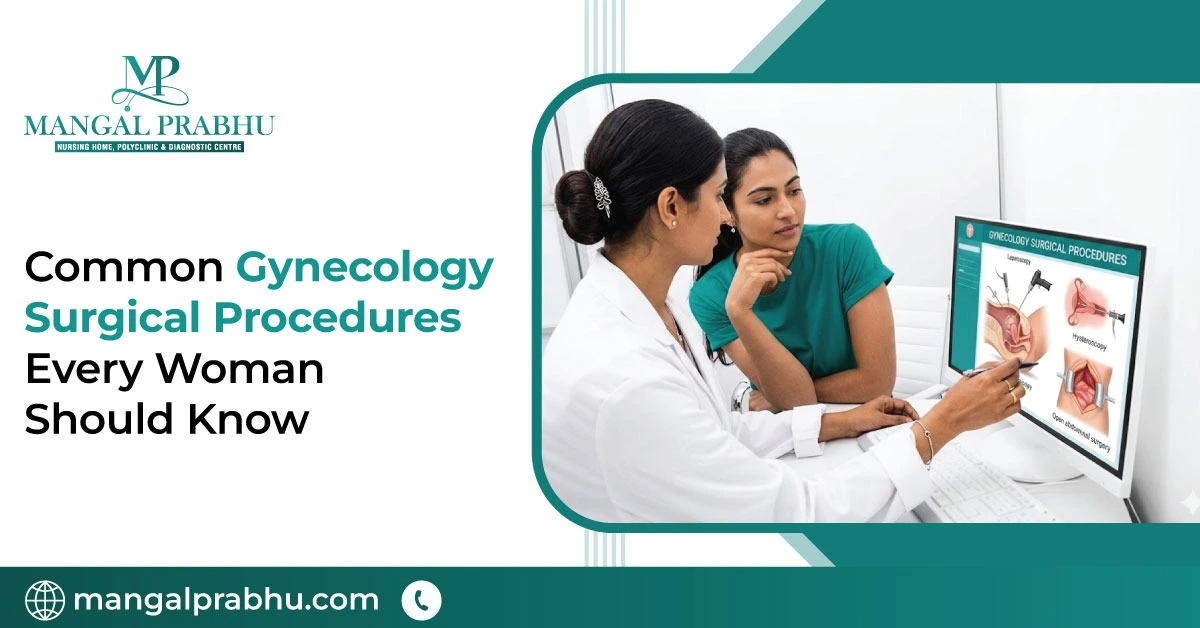
Common Gynecology Surgical Procedures Every Woman Should Know
At a gynecology hospital in Navi Mumbai, many patients who walk in with excruciating period pain, infertility, heavy bleeding, and other gynec issues are advised conservative treatments initially. That happens for most women with mild to moderate reproductive health issues that medications, and sometimes, lifestyle changes, can resolve.
However, for complex issues that won’t respond to medication, surgery is worth discussing. Here’s a look at some common gynecological procedures.
Most Common Gynecological Procedures
It’s natural to feel anxious when you hear the word “surgery”, but for many women, surgery means long-term relief from chronic pain, bleeding, and other issues that affect their personal and social life.
1. Hysterectomy
One of the most widely performed gynecological surgeries today is hysterectomy—the surgical removal of a woman’s uterus. The procedure can also involve the removal of the cervix, fallopian tubes, and ovaries.
It’s recommended for women with large, symptomatic fibroids, heavy or prolonged bleeding for many months, endometriosis, adenomyosis, or gynecological cancers.
2. Myomectomy
Fibroids are benign growths in a woman’s uterus. Depending on their size and location, fibroids can be problematic. A few common symptoms you might experience include heavy bleeding, pelvic pain, pelvic pressure, and sometimes, difficulty getting pregnant.
Myomectomy eliminates these growths through a laparoscopy, hysteroscopy, or open surgery. The uterus remains intact during a myomectomy, thus preserving your fertility.
3. Dilation & Curettage
A short, outpatient procedure, D&C involves dilating the cervix using specialized instruments and suctioning or scraping the uterine lining.
D&C is mostly performed to remove the remaining pregnancy tissue in the uterine lining, but can also be needed to extract sample tissue from the uterus for biopsy or to determine the reasons for abnormal uterine bleeding.
4. C-Section
Cesarean or a C-section birth is a surgery to deliver a baby via the abdomen. Many women with uncomplicated pregnancies deliver vaginally. However, a few may need to undergo a C-section due to pre-existing medical issues or pregnancy-related complications. It’s also performed as an emergency procedure when complications arise during labor. The surgery involves a horizontal or vertical incision near or at the bikini line and the uterus.
5. Tubal Ligation
Tubal ligation is the surgery to get your fallopian tubes cut, clipped, sealed, or removed to prevent future pregnancies. Women choose it when they are certain they do not want children. Once the tubes are cut or sealed, the eggs cannot travel down the tubes. This prevents pregnancy.
6. Hysteroscopy
Used as both a diagnostic and operative procedure, hysteroscopy is a less-invasive gynecological procedure, in which a thin tube with a camera at the tip is inserted into the uterine cavity through the vagina.
The pictures from the inside are generated on the video monitor, allowing a gynecologist in Navi Mumbai to investigate the cause of heavy uterine bleeding, pelvic pain, infertility, and other gynecological concerns.
While gynecological surgeries might sound daunting, modern, minimally invasive surgical approaches, some of which avoid incisions altogether, are considered safer, less complex, and smoother compared to traditional open surgeries.

Why Mangal Prabhu Hospital Is Considered One of the Best Hospitals in Navi Mumbai
When it comes to the health of your loved ones, the right hospital in Navi Mumbai isn’t just the one that’s located close to your home.
It’s a multispecialty hospital that offers advanced care, state-of-the-art technology, a highly skilled team of doctors, emergency care options, and advanced medical infrastructure. That’s what makes Mangal Prabhu a preferred choice of the Navi Mumbai residents.
A Quick Overview of Mangal Prabhu Hospital
Started as a maternity and childcare center, Mangal Prabhu has grown to become a leading multispecialty hospital in Navi Mumbai. It now offers orthopedic, pediatric, urological, oncological, and general medicine under one roof.
What sets the hospital apart from other healthcare facilities in the area is its affordable care. The hospital provides best-in-class medical facilities to patients. Built to facilitate medical assistance to people from all walks of life, Mangal Prabhu values the trust you put in us.
1. In-House NICU and PICU Facilities
Mangal Prabhu is one of the few hospitals in Navi Mumbai with dedicated NICU (Neonatal Intensive Care Unit) and PICU (Pediatric Intensive Care Unit) facilities in-house. We understand that every second matters when it comes to newborns.
To ensure that they go home with you safely, we offer specialized care for newborns who are born prematurely, have breathing difficulties, require feeding tubes, have severe jaundice, or are born with medical issues that require immediate admission to the specialized neonatal care unit. Our trained pediatricians and neonatologists ensure that your child receives the best care.
2. Affordable Healthcare
Since its founding, the biggest philosophy of Mangal Prabhu Hospital has been providing premium care at affordable costs. We believe every patient, irrespective of their financial status, deserves the best medical care.
To make healthcare accessible to all, we offer many advanced medical services at very reasonable prices. Consultation fees at Mangal Prabhu range from Rs. 200 to Rs. 800, depending on your specific medical needs.
Our specialized childbirth packages range from Rs. 20,000 to Rs 35,000 for normal delivery and Rs. 35,000 to Rs 50,000 for C-section birth.
Kidney dialysis sessions in our hospital cost Rs. 1,000 to Rs. 1,500 per cycle, making us one of the most affordable private hospitals for patients with urological or nephrological issues.
3. Cutting-Edge Technology for Specialized Care
Newer technology in medical science has made many procedures, especially invasive surgeries, less complicated and more effective than conventional approaches.
From modern operating theaters and fully equipped ICU facilities to in-house dialysis centres, chemotherapy units, and a pharmacy that’s open round the clock, we are here to help our patients in all possible ways.
Our emergency department is equipped to handle trauma, chronic illnesses, infections, and other critical conditions that require prompt medical care.
4. Experienced Staff
Our multispecialty hospital serves as the one-stop destination for patients with different health concerns. Whether you need maternity care or pediatric services, our team of medical experts is committed to delivering compassionate care to all.
We have a dedicated team for pediatrics, obstetrics and gynaecology, orthopaedics, general surgery, oncology, pulmonology, and internal medicine.
Kidney Dialysis Cost in Navi Mumbai: Price, Factors & What to Expect
When your kidneys do not function optimally, dialysis treatment in Navi Mumbai might be advised. The procedure focuses on mimicking your kidney’s function. It filters your blood by removing toxins and excess fluid through a machine.
Dialysis might be needed temporarily, i.e., until you get a kidney transplant, or it could be a lifelong procedure. This isn’t just a cause of health concern but can be financially difficult for many. After all, it’s not a one-time procedure but a regular one with multiple sessions.
Cost of Dialysis in Navi Mumbai
The average cost of dialysis in Mumbai is between ₹1,500 and ₹5,000, depending on the facility you choose. If you choose a premium facility, the dialysis cost can be between ₹12,000 and ₹60,000, or even higher depending on the number of sessions needed each week. Most patients require 2-3 sessions per week.
Peritoneal dialysis has a different price structure. Since it’s done at home, you don’t have to pay for visiting the dialysis centre in Navi Mumbai. However, peritoneal dialysis comes with different expenses, such as paying for the medical supplies. Overall, its cost can range from ₹20,000 to ₹50,000.
At Mangal Prabhu Hospital in Mumbai, hemodialysis costs ₹1,000 to ₹1,500 per session, making it one of the most affordable hospitals for dialysis in the city. We accept TPA, GIPSA, and other insurances, providing cashless experiences to many patients.
What Might Influence Dialysis Cost?
Here’s what affects your dialysis package:
- Healthcare Facility: Multispecialty hospitals that are equipped with emergency departments, advanced equipment, and qualified professionals might charge a large fee for dialysis compared to dialysis centers.
- Procedure Type: Hemodialysis and peritoneal dialysis come at different prices. Hemodialysis in India, for most people, is cheaper compared to peritoneal dialysis. The latter requires regular tubing, fluids, and other supplies, which may turn out to be more expensive than attending hemodialysis sessions at a dedicated dialysis center.
- Overall Health: The cost can also vary by patient. Individuals with other health concerns, such as diabetes, heart disease, or infections, might require advanced monitoring and additional medications, plus lab tests. This can add to the overall cost.
- Frequency: On average, patients need dialysis thrice a week. However, the frequency depends on many factors, such as the patient’s remaining kidney function, blood tests, fluid retention, and the type of dialysis performed. Some may require two sessions of hemodialysis, while others may need more.
- Other Expenses: Dialysis also comes with additional expenses, such as travel costs, which can be higher for people who travel long distances for dialysis every few days a week. Medication, consultation, and diagnostic tests can add up over time.
Although cost may be the first thing people consider when selecting a dialysis center, the cleanliness, convenience, nephrologist’s experience, emergency care, and infection-control practices are all equally important.
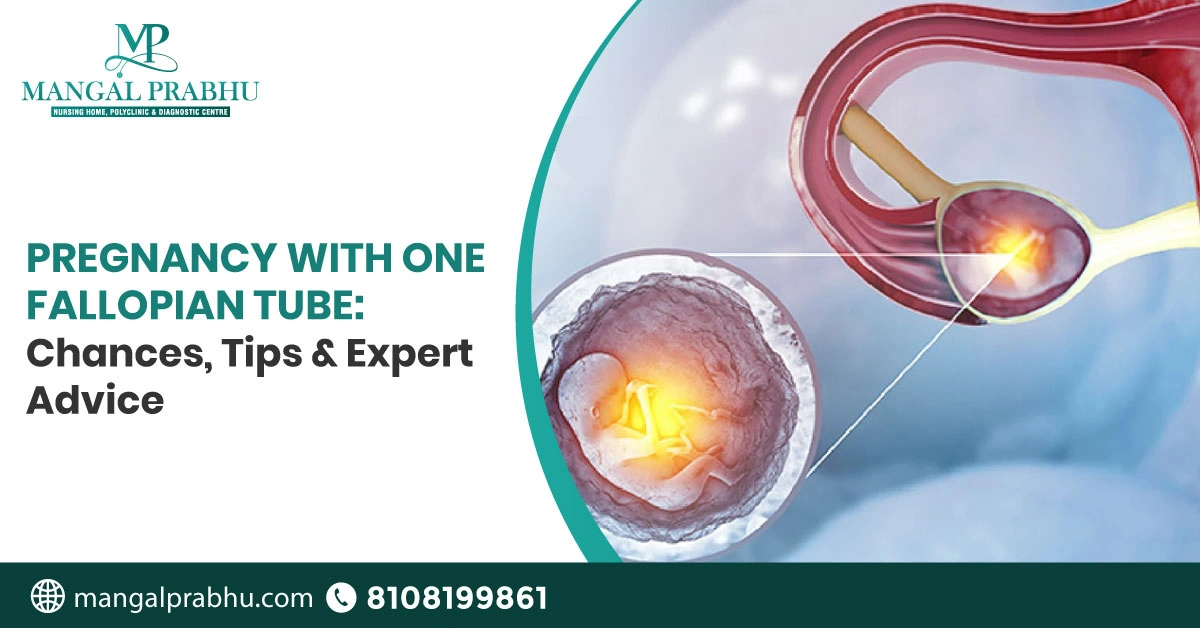
Pregnancy with One Fallopian Tube: Chances, Tips & Expert Advice
Most of us have dreamed of becoming a mother. Some are lucky enough to conceive within months of trying. Others, however, experience difficulty getting pregnant despite trying regularly. Infertility is linked to many causes. However, if both fallopian tubes are blocked, you can’t get pregnant naturally.
The question is, what if you have only one fallopian tube working? Is pregnancy possible, and what can you do to increase the chances of pregnancy with a single functioning tube? If you ask a gynecologist in Navi Mumbai, here’s what they will say:
Understanding the Fallopian Tubes and Their Role in Pregnancy
Most women are born with two fallopian tubes, which connect their ovaries to the uterus. Every month, during an ovulation cycle, your ovaries release a mature egg. One of the tubes picks the egg. The egg stays in the tube for around 24 hours.
If sperm swim up the fallopian tubes and unite with the egg, fertilization occurs, and the resulting embryo will travel down to the uterus and attach to the uterine lining. That’s how pregnancy occurs.
Is Pregnancy Possible With a Single Fallopian Tube?
Yes, absolutely. Even if one tube is blocked, missing, or not functioning well, the other one can take over its job. In fact, you may not need any fertility treatment to conceive with a single fallopian tube, given that it’s open, working, and overall in good shape.
Surprisingly, the women’s reproductive system is quite adaptable. A healthy fallopian tube can, sometimes, pick up an egg released from the opposite ovary. It’s called transperitoneal migration of the egg.
Conception still requires other factors to work together properly. For example, sperm’s health and motility, your ovulation cycle, age, and the presence of any existing medical condition, such as PCOS or endometriosis, all matter when determining your chances of conceiving naturally with one fallopian tube.
Tips for Improving Your Chances of Conception with One Tube
Here are a few lifestyle habits and other conception tips that can improve your chances of getting pregnant naturally.
- Track Your Ovulation: Keeping track of your ovulation cycle can help you time your intercourse, increasing your chances of getting pregnant fast. You can use ovulation predictor kits, ultrasound scans, or track ovulation symptoms, such as increased basal body temperature or changes in cervical mucus.
- Maintain Your Weight: Increased weight is linked to hormonal disorders, such as Polycystic Ovarian Syndrome, while low weight means you may not have enough fat stores to ensure proper production of reproductive hormones. Both can affect the ovulation cycle, hormonal balance, and eventually, your ability to conceive.
- Follow a Healthy Lifestyle: Avoid alcohol and smoking strictly if you are planning a baby. Both can damage egg quality. Follow a nutritious, fertility-friendly diet, rich in foods containing folate, iron, calcium, protein, omega-3 fatty acids, healthy fats, and essential vitamins.If you still can’t conceive, do not delay treatment. Visit a pregnancy hospital in Navi Mumbai for a thorough evaluation.
Can the Kidneys Start Functioning Normally After Dialysis?
Dialysis is a life-saving treatment for people with kidney failure, but it’s also years of restrictions and the reminder that your kidneys aren’t working. When you are advised to start dialysis treatment in Navi Mumbai, you might have several questions in mind. Is it going to last until you are alive? How does it affect your kidney function? Most importantly, can your kidneys start functioning again?
Dialysis: What Exactly Does it Involve?
Your kidneys do an incredible job of filtering out toxins from your blood. They maintain fluid balance, balance blood pressure, and help in red blood cell production. When your kidneys fail, whether suddenly or gradually, toxins can build up in your bloodstream. That’s where dialysis steps in. It involves machines that work as artificial cleansers.
Your blood is drawn out of your body through a small tube and passed through this machine, where toxic substances are removed while useful elements are preserved. The filtered blood returns to your body, and the cycle continues.
Can Your Kidneys’ Function Return to Normal?
Yes, kidneys can bounce back and may start functioning normally, but only in certain cases. Acute Kidney Injury (AKI), for example, can disrupt your kidneys’ function suddenly, but usually temporarily. Many things can cause AKI.
Severe dehydration deprives your kidneys of essential nutrients, temporarily shutting them down. Sepsis, a life-threatening infection, certain medications, or low blood pressure can all affect your kidney function, but don’t permanently destroy them.
Dialysis in such cases serves as a support system that takes over your kidneys’ function and gives them time to heal. The doctor can’t tell when the kidneys will heal, but for most mild cases, your kidneys’ function may return to normal within weeks. Severe infections or trauma can take months to heal.
When do the Kidneys Not Recover?
Long-standing medical illnesses that can affect the delicate blood vessels in your kidneys, such as diabetes or hypertension, can damage your kidneys’ filtering unit, affecting their ability to filter waste effectively. Chronic Kidney Disease can cause permanent damage to your kidney cells. Symptoms aren’t noticeable at first, making it hard to detect the disease in time.
When it reaches the last stage, called End-Stage Kidney Disease, severe damage has already occurred to the kidney cells. Unlike the liver, your kidneys do not have the ability to regenerate. For such cases, dialysis isn’t just a temporary solution, but your long-term partner that balances your fluids and removes waste from your blood.
Signs Your Kidneys are Improving?
So, how do you know if your kidneys’ function is returning? Doctors pay attention to these signs to tell if your kidneys are improving and how long you may need to visit the dialysis center in Navi Mumbai.
- Increased urine output
- Stabilized creatinine and urea levels
- Improved fluid balance
If these improvements continue, your doctor may adjust the frequency of your dialysis sessions or stop them completely.
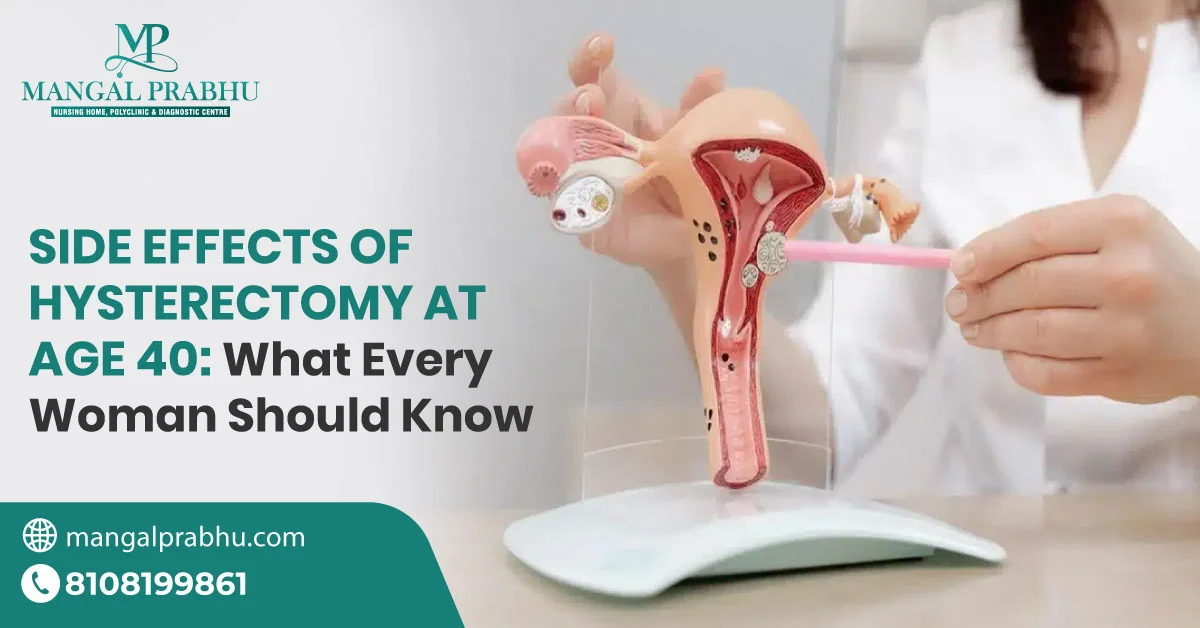
Side Effects of Hysterectomy at Age 40: What Every Woman Should Know
Undergoing hysterectomy surgery in Navi Mumbai in your 40s isn’t something you may have anticipated. However, this age brings many changes in your physical and emotional health, and sometimes, tough medical decisions.
For many women, a hysterectomy is not a choice. It’s a life-saving treatment that seems like the only solution to chronic pelvic pain, fibroids, heavy and prolonged bleeding, or other uterine issues that won’t respond to medication. The real question is, what happens after having a hysterectomy at 40? Does it come with side effects?
Hysterectomy: The Procedure and Types
Hysterectomy, in simple words, is the surgery to remove your uterus or womb — the organ where a baby grows during pregnancy. Now, the uterus may not be the only reproductive organ removed during the procedure.
Depending on the underlying medical issue or your current diagnosis, a gynecologist in Navi Mumbai may remove the uterus with cervix and, in some cases, ovaries. The changes in your overall hormonal and physical health after a hysterectomy depend on the type of surgery.
If only the uterus and cervix are removed (total hysterectomy), your hormonal function will be largely preserved, but your periods will stop permanently, and you won’t be able to get pregnant.
If ovaries are also removed (oophorectomy), you will enter menopause immediately, even if you are just 40. That will trigger menopause symptoms, such as hot flashes, mood swings, sleep disturbances, and long-term effects on your bone health.
Common Side Effects of Hysterectomy at 40
Here are the common side effects linked to a hysterectomy.
1. Early Menopause
Many women who undergo a hysterectomy also have their ovaries removed. Your ovaries produce estrogen. With ovaries removed, the estrogen level drops rapidly. The sudden drop triggers early menopause, which in turn triggers menopausal symptoms, which are much more intense than natural menopause.
2. Hormonal Changes
Even with your ovaries intact, they may not function the same as before. With the surrounding support structure removed, your ovarian function may be slightly reduced. Your periods may stop, but hormones might fluctuate. Menopause may arrive earlier with a hysterectomy, but not immediately. So, there still will be a gradual transition.
3. Emotional Changes
Hysterectomy doesn’t just bring physical changes, but can also affect your emotional health. While the surgery may offer relief from chronic pain or bleeding, making your life smoother, women also feel a sense of loss. That’s especially true in women who are still of reproductive age. At 40, a hysterectomy can stir feelings of anxiety, sadness, and emotional shifts that can affect your mental health silently.
4. Changes in Sexual Life
Many women report an improved sexual life after a hysterectomy, especially if they experienced pain during sex earlier. That said, many experience reduced libido due to hormonal changes and vaginal dryness.
Hysterectomy at the age of 40 may seem overwhelming, but it’s a safe and life-saving treatment. Rest assured that with the right guidance and proper treatment, you can live a healthy and fulfilling life after a hysterectomy.
How to Prevent Fibroids from Growing During Pregnancy
It’s not uncommon to be diagnosed with pre-existing medical conditions during pregnancy. While high blood pressure and diabetes are common concerns, uterine fibroids are another issue that can make mothers worried. Some women are aware of fibroids before pregnancy, while others discover them accidentally during routine pregnancy ultrasounds.
Either way, it’s possible, and in fact, common to have an uneventful pregnancy and delivery with fibroids. Still, fibroid treatment in Navi Mumbai is an option for women concerned about pregnancy with these uterine growths.
Can Uterine Fibroids Grow?
Around 40-60 percent of women develop these non-cancerous growths during their reproductive years. Fibroids are rarely a cause for concern during pregnancy. Whether it affects pregnancy depends largely on where they are located, how many there are, and whether they are large.
Fibroids can grow during pregnancy. They rely on hormones progesterone and estrogen. Since your body produces these hormones in larger amounts to support the growing baby, these increased hormones can cause fibroids to enlarge. That said, it doesn’t work like that for everyone.
Fibroids might grow, shrink, or remain unchanged, which is why a gynecologist in Navi Mumbai often recommends regular monitoring.
Tips for Preventing Uterine Fibroids from Growing During Pregnancy
Fibroids caught before or after pregnancy can be removed surgically or treated with medication, but myomectomy or other procedures can’t be performed during pregnancy because of the risks to the baby. Treatment is usually avoided unless fibroids put the mother’s or the baby’s health at risk. That said, there are a few tips that can help support your pregnancy.
1. Regular Checkups
Regular prenatal visits are the best you can do to monitor fibroids’ growth. Ultrasounds are used to check fibroids’ growth and location.
Detecting changes early will allow your doctor to make timely decisions, such as planning for a C-section or a safer delivery method if the fibroid is seen around the cervix or near the placenta. Interestingly, fibroids tend to shrink after delivery, as your hormone levels return to normal.
2. Supporting Your Pregnancy
Although there’s nothing you can do about the changing hormones during pregnancy, you can prepare your body to handle them better. A good diet definitely helps. Add more foods that build your immunity, keep you energetic, and support pregnancy.
Avoid too much processed, packaged, or junk food. They may not directly affect fibroid growth, but they are linked to hormonal imbalance and inflammation, which do affect fibroid growth.
3. Practice Light Activities
Physical activities may not seem important during pregnancy, and you might not have the energy to engage in physical activities, but they can make a difference. Physical activity doesn’t affect fibroid growth, but it helps keep your weight in check, which in turn prevents hormonal imbalance. Secondly, physical activities regulate blood circulation, which supports your uterine health.
Always consult your gynecologist before starting exercises.

Chemotherapy cost in Navi Mumbai, India
For many cancer patients, physical and emotional symptoms are not the only concerns. Finance is one of the biggest challenges. Cancer treatment in Navi Mumbai, especially chemotherapy, comes with a high price tag.
The city’s growing medical infrastructure and access to advanced cancer care make treatment financially stressful for many families. The cost varies significantly, not just because of different clinics and varying experiences of oncologists, but mainly because the treatment itself is personalized.
Chemotherapy: What Is It?
Chemotherapy is a common treatment for most types of cancer, including those at advanced stages. It’s not a one-time procedure, but a series of treatment cycles that are conducted over the course of several weeks or months (sometimes, a year or longer) with rest periods in between.
There is no standard cost of chemotherapy in Navi Mumbai that could be applied to all patients. It varies depending on the number of sessions needed, aggressiveness of the cancer, and whether additional treatments are performed with chemotherapy.
Factors Influencing Chemotherapy Cost
Chemotherapy cost varies depending on multiple factors. Here are a few common ones:
1. Chemotherapy Drugs
Not all chemo drugs are the same. Some are traditional and easily accessible, others may be newer or have advanced formulas that target specific cancers. The newer ones can be more expensive, as they are not easily manufactured and may not be available in large volumes.
2. Number of Cycles
Chemotherapy is performed in cycles. Some may need fewer sessions, others may need more, sometimes 10+ cycles. Some patients need chemotherapy both before and after surgery. The more cycles you need, the higher the overall cost of chemotherapy will be.
3. Cancer Type and Stage
Some cancer types respond better to traditional chemo drugs, while others spread more aggressively and may require a combination of advanced drugs. Earlier-stage cancer may require fewer chemotherapy sessions. Advanced-stage, on the other hand, may require multiple cycles, which are sometimes combined with immunotherapy, adding to the overall expense.
4. Hospital and Oncologists
Navi Mumbai has government, private, and cancer-specific hospitals. The cost of chemotherapy depends largely on the hospital you choose, the infrastructure, and the oncologists practicing there. Government hospitals are more affordable than private ones, but may have longer waiting periods and may lack advanced equipment.
Cancer hospitals have access to modern medical technology, highly experienced oncologists, and an advanced infrastructure for comprehensive care. This results in more expensive treatment.
5. Additional Costs
Expect additional costs during your chemotherapy treatment. This includes expenses for medicines to control chemotherapy side-effects, like nausea, vomiting, and fatigue, scans needed before or after sessions, doctor consultation, and follow-up visits.
Besides, the total cost for cancer treatment won’t be confined to chemotherapy bills. Depending on the type and stage of cancer, patients may need additional treatments, such as targeted therapy, immunotherapy, hormonal therapy, radiation, and surgery to kill cancer cells or slow their growth. Each contribute to the total cost.

How the Period Cycle Works
The sudden mood swings, cramps, and bleeding that happen every month aren’t random. Your menstrual cycle is actually an absolutely normal yet complex process that works behind the scenes. It’s important to understand the menstrual cycle, what happens in your body around this time, and why it’s important.
So, if anything seems off with menstruation, you can see a gynecologist in Navi Mumbai and discuss the best treatment options. This post walks you through a detailed explanation of the menstrual cycle and how it works.
Understanding Menstruation
Menstruation is a crucial part of your body’s reproductive function. It’s your body’s way of preparing for a possible pregnancy, irrespective of whether you plan a pregnancy or not. An average menstrual cycle lasts 28 days, but the length can vary from woman to woman. It’s absolutely normal if your menstrual cycle lasts 21 days or 35. The key here is consistency.
Four Phases of the Menstrual Cycle
Menstrual cycle is divided into four stages. Each comes with its own unique physical symptoms, mood changes, and energy levels. Here’s a quick breakdown of each stage.
1. Your Period
Your endometrium, or the uterine lining, becomes thick to support implantation in case a pregnancy occurs. When the egg isn’t fertilized in the menstrual cycle, this thickened lining is no longer needed. So, it sheds. This causes bleeding.
- Cramps: The cramps you experience during menstruation are due to the contraction. Your uterus contracts to shed the tissues and blood through the cervix and vagina. Sometimes, this reduces blood flow to the uterus, which explains the achy cramps. Treatment for menstrual cramps in Navi Mumbai is needed if you have an extremely painful period (dysmenorrhea).
- Other Changes: Your body goes through a lot internally during a period, which is why you feel low on energy, bloated, and less motivated than usual. Headaches, mood swings, and emotional symptoms are common around this time.
2. Follicular Phase
Starting on the first day of your period, your ovaries prepare to release an egg. Multiple follicles containing immature eggs develop, but only a single egg matures and is released. Your estrogen levels rise, and the endometrium starts getting thicker again.
3. Ovulation
The most important phase of your menstrual cycle is ovulation. That’s when the mature egg travels through the fallopian tube. The egg remains for 24 hours. This is the most fertile window. If sperm travels up the cervix to the fallopian tube, it may fertilize the egg, resulting in a pregnancy. You might notice clear, stretchy discharge, along with increased libido and increased energy.
4. Luteal Phase
The follicle that released an egg turns into the corpus luteum, which produces the vital hormone progesterone. This hormone plays a crucial role in maintaining your uterine lining so that if implantation occurs, your uterus is well-prepared to receive a fertilized egg, so it can thrive.
If you don’t get pregnant, both estrogen and progesterone drop, the uterine lining sheds, and a new cycle begins all over again. Breast tenderness, bloating, mood swings, irritability, and food cravings are the common signs you may notice around the luteal phase.