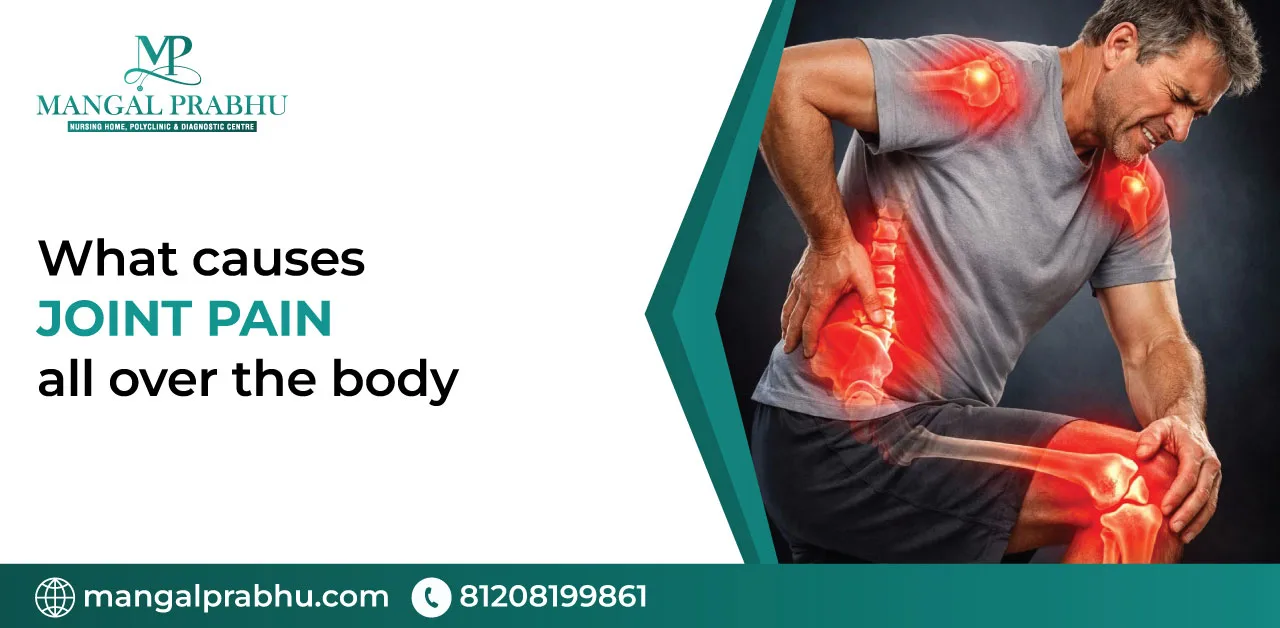
What Causes Joint Pain All Over the Body
Common causes of joint pain all over the body include viral infections, rheumatoid arthritis, gout, lupus, fibromyalgia, and osteoarthritis.
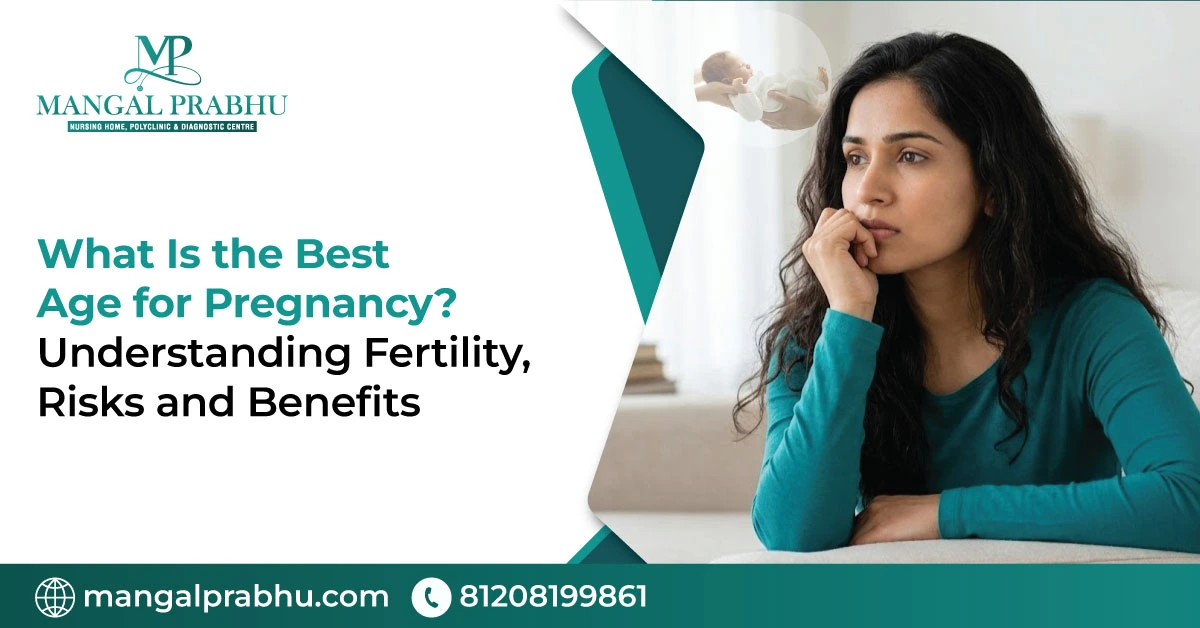
What Is the Best Age for Pregnancy? Understanding Fertility, Risks and Benefits
Motherhood brings a unique sense of happiness, gratitude, and thrill. But not every woman is ready to conceive in their early 20s or 30s. When you should start a family is totally your choice, but you can’t ignore the biological clock.
A gynecologist in Navi Mumbai recommends conceiving early in your reproductive age to ensure a smooth, uncomplicated pregnancy. But does that mean you can’t conceive after your 30s or an older age? Let’s find out.
Delayed Pregnancy
Some delay pregnancy because of educational or career goals. Some do not find the right partner at a young age. Others, unfortunately, get a diagnosis they never expected. Whatever the reason is, it’s best to discuss your pregnancy goals with a gynecologist to get a deeper understanding of your fertility status and fertility preservation options.
Age and Pregnancy: What’s the Connection?
You may wonder what age has to do with pregnancy. Technically, a woman can get pregnant once she starts menstruating until she goes into menopause. However, that doesn’t make 12-18 or 45 the perfect age to try getting pregnant.
Ideally, the 20s and early 30s are considered the best age to start a family, but that doesn’t mean you can’t conceive after 35. Age and fertility are closely connected. A girl is born with a certain number of eggs in her ovaries. The ovarian reserve keeps depleting as she ages. The count significantly decreases in the late 30s and early 40s.
Not only does the egg count decline, but quality also declines with advancing age.
Fertility in 20s
For most healthy couples, pregnancy chances are the highest in the early 20s. The risk of complications, such as gestational diabetes, high blood pressure, chromosomal abnormalities, and miscarriage, is generally lower than for women at an advanced maternal age.
However, it doesn’t mean pregnancy in the 20s is a smooth experience for every woman. Factors other than age can still affect your chances of conception or an overall healthy pregnancy. For example, endometriosis, PCOS, male-factor infertility, and thyroid disorders can affect couples at any age.
Fertility in Early 30s
The early 30s is also a reasonable age to consider pregnancy. Success rates are good. The biggest benefit is the personal and financial stability. Many women reach a point in their lives when they feel mentally and physically ready to start a family.
That said, fertility in the early 30s may be comparatively reduced compared to that in the 20s. Still, for most women, fertility doesn’t decline rapidly around this time.
Can You Get Pregnant After 35?
Gynecologists at a maternity hospital in Navi Mumbai may use the word “Advanced Maternal Age” for women who conceive after 35. Remember, age itself doesn’t always make a pregnancy high-risk. Besides, your fertility doesn’t change significantly on a specific birthday. Shifts in your ovarian reserve and egg quality are gradual. They occur over time and are more noticeable in the late 30s and early 40s.
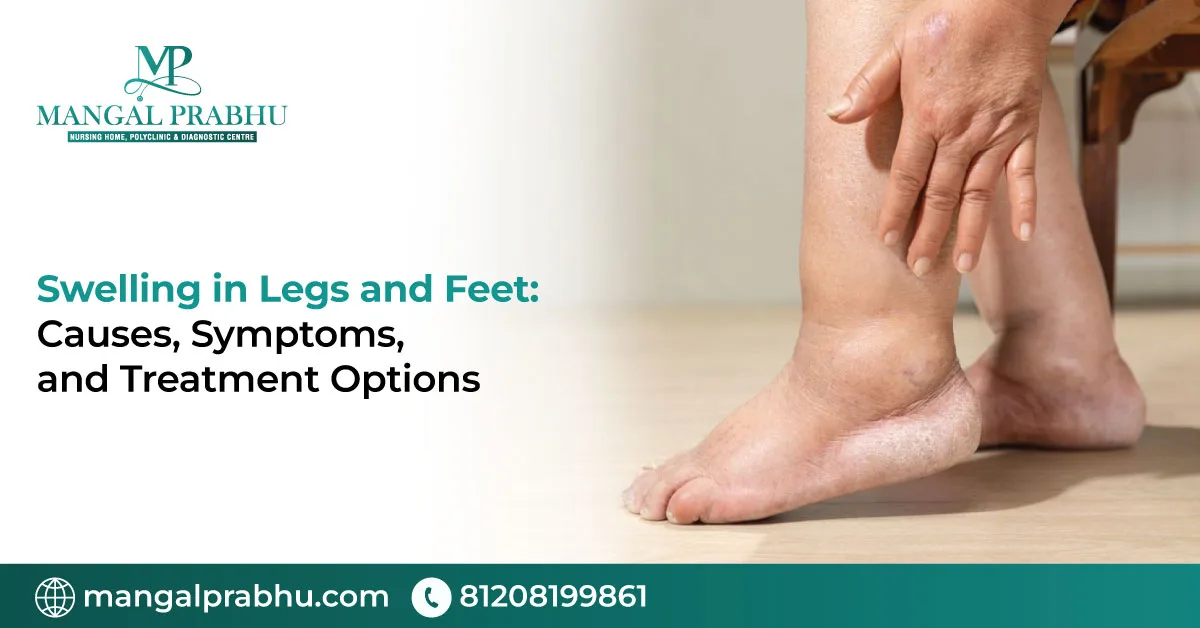
Swelling in Legs and Feet: Causes, Symptoms, and Treatment Options
Swelling in the legs is not uncommon after spending long hours on your feet or extended sitting. Sometimes, the feet become puffy or sore for no obvious reason and stay like that despite trying rest, elevation, and home remedies.
Not all leg or feet swelling are dangerous. However, sometimes persistent swelling, especially when accompanied by other unusual symptoms, can be a warning sign of an underlying condition. Knowing what’s normal and what requires an immediate visit to the multispecialty hospital in Navi Mumbai can help you make the right decision.
Causes of Swelling in Legs
Swelling occurs when excess fluid accumulate in the tissues in your lower limb. This can happen for many reasons.
1. Sitting or Standing for Hours
Long flights or jobs that require you to sit or stand in one position for several hours can lead to fluid accumulation in your lower limb. This causes swelling.
2. Pregnancy
Mild swelling in the lower limb is common during second and third trimesters. Increased blood volume, hormonal fluctuations, and the growing baby can all slow the fluid return from the lower limb to the heart.
This causes fluid retention, and thus swelling. Extreme and sudden swelling that occurs with severe headaches and vision changes require an immediate visit to the gynecologist, as these can be the signs of preeclampsia.
3. Venous Insufficiency
When valves of the veins are damaged, the blood, which should flow back toward the heart, collects within the veins. This causes pressure inside the veins, eventually leading to the fluid leaking into the nearby tissues, and thus swelling.
4. Injuries
Sprained ankle, a muscle strain, or fracture are other causes of swelling in the ankle and leg. An injury triggers an inflammatory response in your body, where excess blood and fluid move down to the injured area to support healing. This results in swelling, bruising, and pain.
5. Underlying Medical Conditions
Swelling can sometimes be a sign of heart, kidney, or liver diseases. Fluid can build up in your legs when the heart fails to pump blood effectively throughout the body or your kidneys’ ability to remove excess fluid and salt from the body is impaired.
Liver diseases, such as cirrhosis, can impair the liver’s function, including its ability to produce proteins that keep fluid in the blood vessels. This causes the fluid to leak, resulting in swelling.
6. Infections
Certain skin infections can cause swelling in the legs or ankles, along with redness, warmth, tenderness, and fever.
Treatment for Swelling in the Legs
The best treatment for swelling depends on the underlying causes. Mild swelling after a long flight will come down with movement and elevation. Compression stockings are great for those with venous insufficiency and varicose veins. They encourage gentle flow of the blood back to the heart.
For persistent swelling due to liver, kidney, or heart diseases, identifying and treating the underlying causes will often reduce swelling. Talk to an orthopedic doctor in Navi Mumbai if your swelling is persistent or exists with other symptoms.
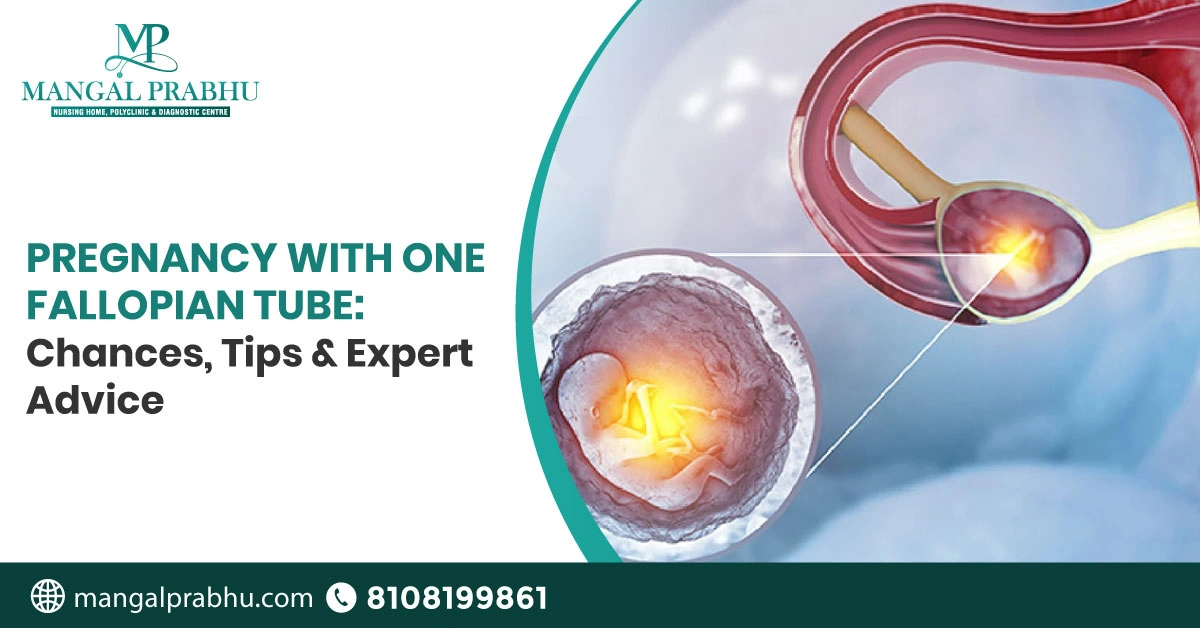
Pregnancy with One Fallopian Tube: Chances, Tips & Expert Advice
Most of us have dreamed of becoming a mother. Some are lucky enough to conceive within months of trying. Others, however, experience difficulty getting pregnant despite trying regularly. Infertility is linked to many causes. However, if both fallopian tubes are blocked, you can’t get pregnant naturally.
The question is, what if you have only one fallopian tube working? Is pregnancy possible, and what can you do to increase the chances of pregnancy with a single functioning tube? If you ask a gynecologist in Navi Mumbai, here’s what they will say:
Understanding the Fallopian Tubes and Their Role in Pregnancy
Most women are born with two fallopian tubes, which connect their ovaries to the uterus. Every month, during an ovulation cycle, your ovaries release a mature egg. One of the tubes picks the egg. The egg stays in the tube for around 24 hours.
If sperm swim up the fallopian tubes and unite with the egg, fertilization occurs, and the resulting embryo will travel down to the uterus and attach to the uterine lining. That’s how pregnancy occurs.
Is Pregnancy Possible With a Single Fallopian Tube?
Yes, absolutely. Even if one tube is blocked, missing, or not functioning well, the other one can take over its job. In fact, you may not need any fertility treatment to conceive with a single fallopian tube, given that it’s open, working, and overall in good shape.
Surprisingly, the women’s reproductive system is quite adaptable. A healthy fallopian tube can, sometimes, pick up an egg released from the opposite ovary. It’s called transperitoneal migration of the egg.
Conception still requires other factors to work together properly. For example, sperm’s health and motility, your ovulation cycle, age, and the presence of any existing medical condition, such as PCOS or endometriosis, all matter when determining your chances of conceiving naturally with one fallopian tube.
Tips for Improving Your Chances of Conception with One Tube
Here are a few lifestyle habits and other conception tips that can improve your chances of getting pregnant naturally.
- Track Your Ovulation: Keeping track of your ovulation cycle can help you time your intercourse, increasing your chances of getting pregnant fast. You can use ovulation predictor kits, ultrasound scans, or track ovulation symptoms, such as increased basal body temperature or changes in cervical mucus.
- Maintain Your Weight: Increased weight is linked to hormonal disorders, such as Polycystic Ovarian Syndrome, while low weight means you may not have enough fat stores to ensure proper production of reproductive hormones. Both can affect the ovulation cycle, hormonal balance, and eventually, your ability to conceive.
- Follow a Healthy Lifestyle: Avoid alcohol and smoking strictly if you are planning a baby. Both can damage egg quality. Follow a nutritious, fertility-friendly diet, rich in foods containing folate, iron, calcium, protein, omega-3 fatty acids, healthy fats, and essential vitamins.If you still can’t conceive, do not delay treatment. Visit a pregnancy hospital in Navi Mumbai for a thorough evaluation.

How to Prevent Ectopic Pregnancy
Ectopic pregnancy occurs when the fertilized egg, which is supposed to travel down the fallopian tubes and attach itself to the uterus, grows outside the uterine cavity. It’s a life-threatening medical emergency that requires an immediate visit to the high-risk pregnancy care hospital in Navi Mumbai for prompt diagnosis and treatment. In this post, we’ll take a look at how you can reduce your risk of having an ectopic pregnancy.
Causes of Ectopic Pregnancy
- Scarring on the fallopian tubes due to pelvic inflammatory diseases
- A history of ectopic pregnancy
- A birth defect in the fallopian tube, which may affect the egg’s movement
- Hormonal imbalances
- Advanced maternal age
- Certain lifestyle choices, like smoking
- A surgery involving the fallopian tubes, uterus, and ovaries
Assisted reproductive technology, such as IVF, is also linked to a slightly higher risk of ectopic pregnancy.
How to Prevent Ectopic Pregnancy
While some factors might not be in your control, others, such as quitting smoking, following a healthy diet, and practicing safe sex, are a few tips that can lower your risk. Here’s a list of the ways to prevent ectopic pregnancy.
Quit Smoking: Smoking is injurious not only to your lungs but also to your reproductive health. Nicotine and other substances found in tobacco can impair your fallopian tubes. This makes it harder for the eggs to travel to the uterus.
Safe Sex: Protection, such as condoms, can minimize your risk of catching sexually transmitted infections. It’s best to limit the number of people you are sexually active with.
Identify Warning Signs: It’s important to see a gynecologist in Navi Mumbai if you have heavy periods, pelvic pain, and other unusual symptoms. These could be the signs of endometriosis and other reproductive conditions, which can cause scarring in your fallopian tubes. This might eventually increase your risk of having an ectopic pregnancy.
Get Ultrasounds: Your gynecologist will conduct an initial ultrasound in the first month to ensure the embryo is implanted in the right place. If you have had a pelvic surgery, especially if it involved your ovaries, fallopian tubes, or the surrounding structure, it’s worth getting an early ultrasound to rule out ectopic pregnancy. Ultrasounds are also a must for women who’ve conceived after IVF, IUI, and other assisted reproductive procedures.
Is Ectopic Pregnancy Serious?
A pregnancy where the fertilized egg grows outside the uterine cavity cannot continue. Most of these cases involve fetal growth in the fallopian tubes, which is considered a medical emergency. If not treated promptly, it can burst your fallopian tube and cause excessive internal bleeding, which can be life-threatening.
In the initial weeks, you may not have pronounced symptoms, making it difficult to diagnose. Only an imaging test, i.e., ultrasound, can tell if the embryo is attached to the uterus or elsewhere.
Treatment includes medication to stop the pregnancy from continuing. If your pregnancy has progressed and the tubes are ruptured, surgical removal of the embryo (along with the affected tube) may be necessary. Sometimes, the tube is repaired and left in place.
Nephrotic Syndrome Life Expectancy: What You Need to Know
Healthy kidneys do their jobs (filtering waste and excess fluid from your blood) efficiently. In people with diseased kidneys, the filters may not work properly and cause protein to leak into the urine. This causes low levels of protein in your blood and high levels in urine. In medical terms, it’s called Nephrotic Syndrome.
The issue can cause a range of symptoms, such as swelling of the ankles, legs, and other body parts. See a kidney specialist in Mumbai if you experience foamy urine, edema, fatigue, loss of appetite, and other such symptoms that might indicate nephrotic syndrome. In this post, we’ve discussed how the condition affects your life expectancy.
Factors That Affect Life Expectancy
Nephrotic syndrome can make you prone to secondary illnesses due to protein loss. These proteins include immunoglobulins, which fight infections, as well as proteins that prevent blood clots. Fortunately, some people recover fully. Others, however, may need to keep in touch with a nephrologist for regular monitoring.
Here are a few factors that can affect life expectancy in people with nephrotic syndrome.
- Age: Children are likely to recover well and respond better to medication compared to the elderly.
- Lifestyle: A sedentary lifestyle with poor dietary choices can put excessive strain on your already diseased kidneys. Quit smoking and avoid alcohol (if you haven’t already). Both can damage blood vessels, affecting your kidney function. Practice meditation and mindfulness to reduce stress.
- Underlying Issues: Nephrotic syndrome can develop due to underlying medical issues, such as diabetes or lupus. Recovery and life expectancy, in such cases, depend on how well the underlying illness is managed.
- Treatment: Early treatment can help preserve your kidney function. If not diagnosed and addressed soon, nephrotic syndrome can worsen into Chronic Kidney Disease or even kidney failure. The life expectancy of people with advanced kidney disease is often shorter than that of those with healthy kidneys.
How to Improve Life Expectancy with Nephrotic Syndrome
With proper treatment and some lifestyle adjustments, many people can go into remission. The prognosis is good for kids, especially. Here is how you can improve your life expectancy if you have nephrotic syndrome.
- Follow Your Doctor’s Advice: Your healthcare provider may prescribe medication, which may be immunosuppressants, diuretics, or steroids. Medication to keep your blood pressure under control can also be recommended. Stick to the prescribed dosage.
- Manage Blood Pressure and Diabetes: Both can strain your kidneys and reduce their efficiency. Uncontrolled diabetes, especially, can negatively affect your kidney health.
- Follow a Kidney-friendly Diet: Avoid processed foods. Too much sodium, phosphorus, and potassium can also damage your kidneys in the long run. Salt, particularly, can increase blood pressure and cause swelling.
- Get Vaccinated: Get flu shots at a multispecialty hospital in Navi Mumbai to prevent pneumonia and other such infections. This helps reduce the risk of infections, which can worsen nephrotic syndrome.
While nephrotic syndrome is a serious issue, it can often be managed with the right treatment, a nourishing diet, an active lifestyle, and regular checkups. Many people live healthy and normal lives. In fact, some recover completely from nephrotic syndrome.
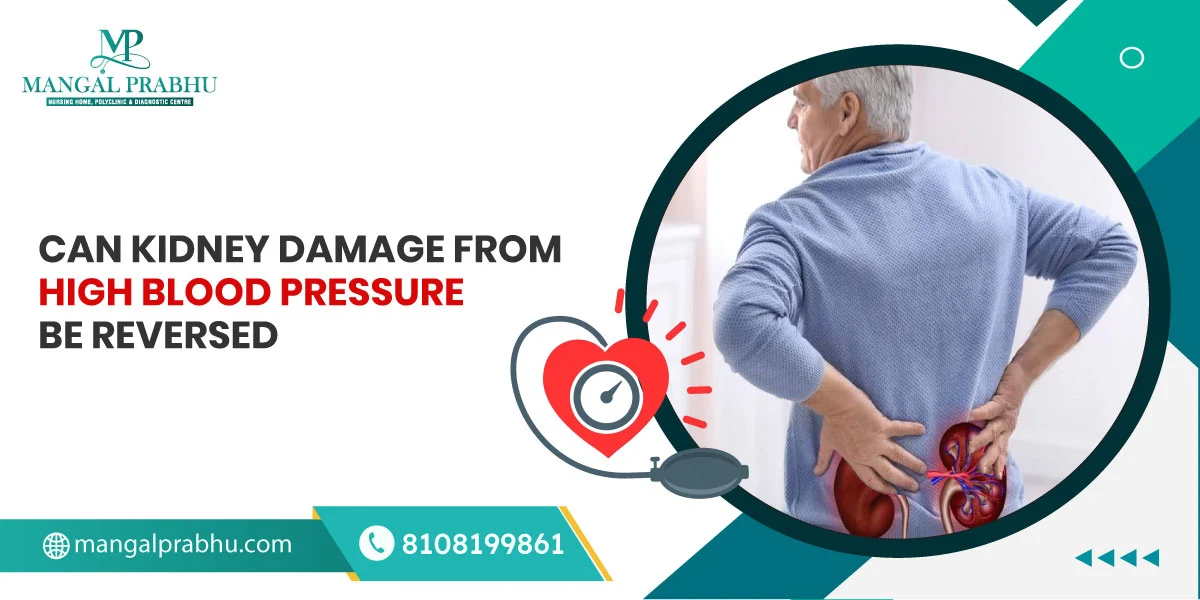
Can Kidney Damage from High Blood Pressure be Reversed?
High blood pressure can damage your blood vessels, which in turn, affect your many vital organs, including the kidneys. A normal blood pressure reading is below 120/80 mm Hg. If you have multiple readings showing a blood pressure higher than normal, you may have hypertension.
It’s important to visit a multispecialty hospital in Navi Mumbai and get prescription medication for keeping your blood pressure levels under control. The question is, how does it affect your kidneys, and whether it’s possible to reverse kidney damage caused by hypertension. Let’s find out.
Effect of High Blood Pressure on Your Kidneys
Your kidneys filter the blood in your body around 40 times a day. They have tiny blood vessels through which the blood passes and gets filtered. The waste products are expelled through urine. High blood pressure can damage these small blood vessels over time, making it harder for your kidneys to do their jobs effectively.
As a result, their filtration capacity declines. This can lead to excess waste, fluid, and salt in your body. The swelling in the feet is a common sign of a kidney disease. It signals fluid retention. This can progress into chronic kidney disease or kidney failure.
Kidneys release a hormone called renin, which regulates your blood pressure. When your kidneys aren’t functioning optimally, they may not eliminate excess fluid from your blood. This fluid buildup can increase blood pressure, which worsens your kidney disease. The cycle continues.
Can Kidney Damage from High Blood Pressure be Reversed?
There’s no clear-cut answer to this. If the damage is minimal, your kidney function can be restored by restoring your blood pressure to normal levels. To stabilize your kidneys, you may have to take prescribed medication, follow a kidney-friendly diet, and adopt a healthy lifestyle.
If the tissues have scarred, the reversal may not be possible. That’s because the scarred kidney tissues can’t be regenerated. However, you can slow the progression of the disease by controlling the blood pressure (if it’s the only underlying cause of CKD).
In patients diagnosed with end-stage kidney disease, dialysis and kidney transplant are the only viable treatment options for survival. See a kidney specialist in Navi Mumbai to discuss your treatment options based on the severity of the damage.
Tips for Reversing Kidney Damage
These tips can help improve your kidney function:
Keep Your Blood Pressure in Check: The doctor may recommend vasodilators to widen the blood vessels for smooth blood flow, ACE inhibitors, and ARBs to stabilize your BP, and Beta Blockers to make it easier for your heart to pump blood effectively. Take your prescription medicines following the right dosage.
Eat Right: Limit salt consumption to 5-6g a day. Your doctor might also advise you to limit protein, potassium, and even fluid intake. Eat leafy greens, fresh fruits, whole grains, and other kidney-friendly foods.
Follow a Healthy Lifestyle: Avoid alcohol and smoking, as they might damage your blood vessels and cause high blood pressure. Exercise regularly to maintain a healthy weight and regulate blood pressure.
Seek medical help immediately if you notice foamy urine, reduced urine output, shortness of breath, swelling in the ankle, face, or legs, and fatigue.
Postpartum Depression Symptoms
Giving birth to a baby you have carried for nine months might be the most beautiful experience for a mother. However, it comes with certain physical and emotional challenges. In this post, we have explored postpartum depression and its symptoms when you need a visit to the maternity hospital in Navi Mumbai. Let’s take a look.
What is Postpartum Depression?
Many moms experience baby blues, which include crying spells, restlessness, mood swings, and anxiety. These usually start a couple of days after delivery and last up to two weeks.
However, if your symptoms persist for weeks and worsen, it could be a more severe issue, such as postpartum depression. The question is, how do you know if what you are experiencing is just baby blues or depression? Watch for these symptoms of postpartum depression after delivery.
Symptoms of Postpartum Depression
Unlike baby blues, postpartum depression is not short-lived. It can start any time within the first year of giving birth, often within a few weeks after delivery.
The symptoms are often confused with those of baby blues, but they are more intense and can make your daily tasks difficult. Women with postpartum depression find it hard to take care of their babies or themselves. Here’s a quick overview of the common symptoms.
1. Low Mood
While sadness that occurs occasionally is normal after delivery, PPD involves a persistent low mood. Symptoms may include crying without a clear reason or not wanting to talk or share your feelings. This “feeling down” can affect your ability to manage your day-to-day responsibilities.
2. Loss of Energy
Another common sign of PPD is extreme fatigue. Loss of energy is not uncommon in postpartum mothers. However, if you feel exhausted even after resting for hours, you may have something more serious than the normal blues. Postpartum depression causes fatigue that makes it difficult to get up, perform small tasks, or simply hold your baby and feed them.
3. Sleep Issues
Mothers may find themselves unable to fall or stay asleep even when their babies are sleeping. Some may use sleep as a way to escape from their anxieties.
4. Feeling Worthless
Postpartum depression can bring about a feeling of worthlessness. Not being able to handle yourself and the baby can make you feel like you have failed your baby.
5. Anxiety
Most mothers worry about their babies, but PPD can worsen anxiety. You might feel worried all the time. Whether it’s your baby’s feeding patterns, their health, or changes to your body, anything can trigger anxiety in women with PPD.
6. Suicidal Thoughts
In severe cases of postpartum depression, mothers might develop suicidal thoughts. They might feel like hurting themselves won’t make any difference to anybody’s life, and will only make things easier for everyone. It’s essential to seek immediate postnatal care in Navi Mumbai if such thoughts cross your mind.
Physical exhaustion and hormonal changes in mothers after childbirth can lead to PPD. If you have the symptoms listed above, you are not alone. Remember, treatment for PPD is available. You, too, can enjoy motherhood like others.

How Soon Is It Safe to Walk After Hernia Surgery?
Hernia repair surgery in Navi Mumbai is considered an effective treatment for preventing recurrent hernia and its complications. During surgery, your weakened abdominal wall, through which the hernia protrudes, is repaired and reinforced with a mesh. The tissue that pokes through the weakened muscle is pushed back into its original place, and the incision is closed.
A common question that patients ask is, How soon can I walk after hernia surgery? The good news is that you are advised to walk on the same day as the surgery. To know more about physical activities you can and can’t engage in, read on.
When to Start Walking After Hernia Repair?
Walking is the first step in your transition to normal life after a major surgery. Whether you have had an open hernia surgery or a laparoscopic procedure, walking is recommended shortly after the procedure, usually when the effects of anesthesia wear off.
Here’s why doctors advise you to get back on your feet as soon as you have regained consciousness:
- Promotes blood circulation
- Prevents blood clots (These can travel to the lungs and get trapped in an artery, blocking blood flow)
- Prevent constipation
Your initial walk will be short and only a few steps. It’s best to take things slow initially, as you are still healing from a major surgery. You can increase the intensity over time.
Tips for Ensuring a Safe Walk
Here are a few tips for walking safely and cautiously after hernia surgery:
- Talk to Your Surgeon: A general surgeon in Navi Mumbai will schedule your follow-up visits to check your progress and the wound. If you are doing well and feeling comfortable, you’ll get a green light to begin walking.
- Walk on a Slip-Resistant and Safe Floor: For the first few weeks, walk on a flat and stable surface. Avoid slippery platforms or uneven paths, as they can increase the risk of tripping.
- Use Walking Aids: Have walking support to minimize the risk of accidents. You can bring a partner for support or use walking aids, like a cane, to practice safe walking.
- Listen to Your Body: Avoid overexertion. If you feel tired, rest. If you don’t feel like walking, avoid it. Do what your body allows you to do.
It’s important to know what’s safe and what must be delayed. For instance, while walking is generally recommended shortly after surgery, you may not be allowed to climb stairs, jump, run, or walk for long distances for the first few days.
What to Avoid After Hernia Surgery
By the third and fourth week, you will feel much better. You will get back to your normal life and resume most activities, including walking multiple steps a day. However, avoid strenuous tasks or activities that can strain the incision site. Here’s what to avoid:
- Heavy lifting
- High-intensity workout sessions
- High-impact movement
- Activities that involve sudden twists
Walking after a hernia surgery might sound scary, but it’s an essential part of your recovery. Your surgeon will provide detailed guidelines on which physical activities are safe and when to return to your regular lifestyle.
How to Prevent Genetic Disorders in Pregnancy?
Abnormalities in the baby’s DNA can lead to birth defects. Certain birth defects are also linked to chromosomal abnormalities, which can cause miscarriage or might result in a baby being born with abnormalities. Unfortunately, there’s no guaranteed way to prevent all kinds of genetic disorders in a baby, but with proper pregnancy management in Navi Mumbai, it’s possible to mitigate your risk of giving birth to a baby with genetic disorders. Here’s how.
Understanding Genetic Disorders
A baby can be born with genetic disorders if either parent has one. It can be a chromosomal abnormality, i.e., the baby might have an abnormal pair of chromosomes or a genetic illness that runs in the parents’ families. The birth defects can lead to physical deformities or chronic illnesses. Examples include single-gene disorders, Down Syndrome, Spina Bifida, and Sickle Cell Anaemia. Certain birth defects can slow a baby’s development, affecting their speech, motor, or social skills.
Preconception Planning
Preconception counselling is an essential part of your pregnancy. That’s specifically needed for couples with either partner having a family history of a genetic disorder. Knowing the risk factors and the likelihood of passing the genetic disease to the offspring will help you decide whether to proceed with conception or switch to alternative options like IVF and surrogacy.
IVF with preimplantation genetic testing (PGT) can reduce the risk of passing on defective genes to your baby. The procedure selects the healthiest embryo for implantation. During your visit to the maternity hospital in Navi Mumbai, make sure you specify any genetic disease in your family. Your gynecologist will run tests accordingly.
Prenatal Screening and Testing
Your healthcare provider will order ultrasounds and blood tests in the first and second trimesters to detect birth defects in the baby. These tests, including an anomaly scan, which checks the baby’s growth and potential anomalies, so parents can make an informed decision before the child is born.
Noninvasive prenatal testing (NIPT) assesses the likelihood of the baby being born with Down Syndrome. Other screenings, such as ultrasounds, amniocentesis, and Chorionic Villus Sampling, give detailed reports of the baby’s health.
Healthy Lifestyle Choices
Apart from medical help, you can do a lot at home to minimize the risk of birth defects in your baby. Here’s what can help:
- Get the Recommended Amount of Folic Acid: Folic acid is the most essential nutrient that an expecting mother needs to prevent brain and spinal defects in their baby. The recommended dosage is 400–800 micrograms daily, starting at least a month before pregnancy and continuing throughout the pregnancy.
- Avoid Harmful Substances: Tobacco, cigarettes, and drugs can be intensely risky for your little one. Alcohol, particularly, can cause birth defects and developmental delays, making it the most hazardous thing to consume during pregnancy. You must also steer clear of radiation, toxins, and drugs (excluding those recommended by your gynecologist).
- Nutrition and Hydration: A good diet and hydration are key to a healthy pregnancy. A diet full of the right nutrients will promote your baby’s growth and lower the risk of birth defects.