
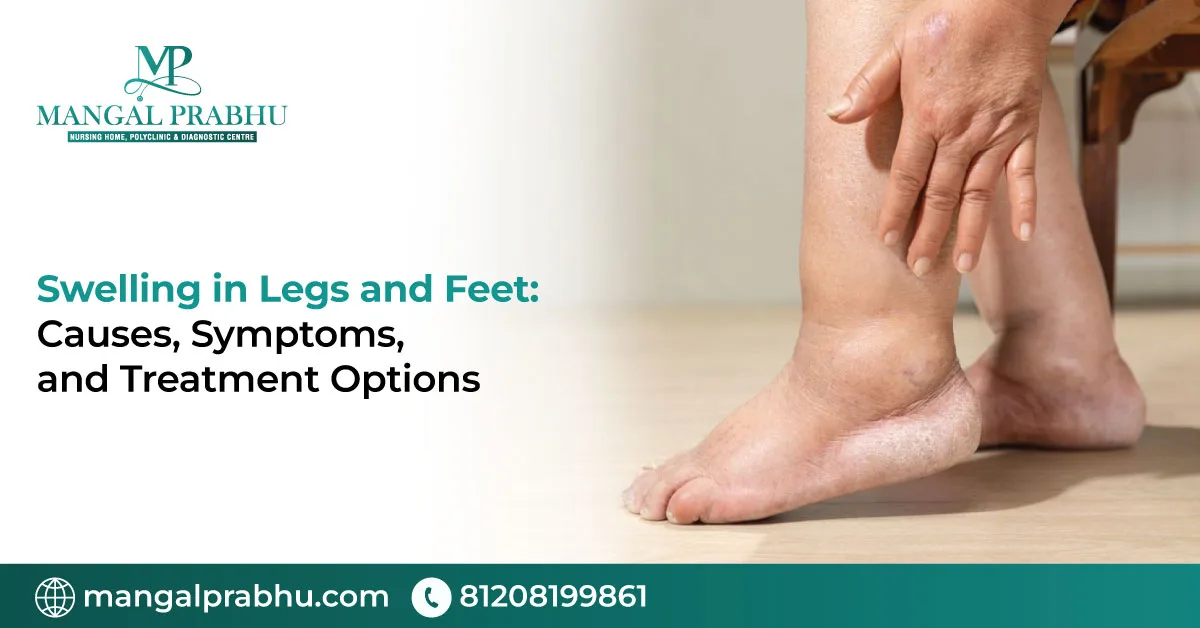
Swelling in Legs and Feet: Causes, Symptoms, and Treatment Options
Swelling in the legs is not uncommon after spending long hours on your feet or extended sitting. Sometimes, the feet become puffy or sore for no obvious reason and stay like that despite trying rest, elevation, and home remedies.
Not all leg or feet swelling are dangerous. However, sometimes persistent swelling, especially when accompanied by other unusual symptoms, can be a warning sign of an underlying condition. Knowing what’s normal and what requires an immediate visit to the multispecialty hospital in Navi Mumbai can help you make the right decision.
Causes of Swelling in Legs
Swelling occurs when excess fluid accumulate in the tissues in your lower limb. This can happen for many reasons.
1. Sitting or Standing for Hours
Long flights or jobs that require you to sit or stand in one position for several hours can lead to fluid accumulation in your lower limb. This causes swelling.
2. Pregnancy
Mild swelling in the lower limb is common during second and third trimesters. Increased blood volume, hormonal fluctuations, and the growing baby can all slow the fluid return from the lower limb to the heart.
This causes fluid retention, and thus swelling. Extreme and sudden swelling that occurs with severe headaches and vision changes require an immediate visit to the gynecologist, as these can be the signs of preeclampsia.
3. Venous Insufficiency
When valves of the veins are damaged, the blood, which should flow back toward the heart, collects within the veins. This causes pressure inside the veins, eventually leading to the fluid leaking into the nearby tissues, and thus swelling.
4. Injuries
Sprained ankle, a muscle strain, or fracture are other causes of swelling in the ankle and leg. An injury triggers an inflammatory response in your body, where excess blood and fluid move down to the injured area to support healing. This results in swelling, bruising, and pain.
5. Underlying Medical Conditions
Swelling can sometimes be a sign of heart, kidney, or liver diseases. Fluid can build up in your legs when the heart fails to pump blood effectively throughout the body or your kidneys’ ability to remove excess fluid and salt from the body is impaired.
Liver diseases, such as cirrhosis, can impair the liver’s function, including its ability to produce proteins that keep fluid in the blood vessels. This causes the fluid to leak, resulting in swelling.
6. Infections
Certain skin infections can cause swelling in the legs or ankles, along with redness, warmth, tenderness, and fever.
Treatment for Swelling in the Legs
The best treatment for swelling depends on the underlying causes. Mild swelling after a long flight will come down with movement and elevation. Compression stockings are great for those with venous insufficiency and varicose veins. They encourage gentle flow of the blood back to the heart.
For persistent swelling due to liver, kidney, or heart diseases, identifying and treating the underlying causes will often reduce swelling. Talk to an orthopedic doctor in Navi Mumbai if your swelling is persistent or exists with other symptoms.
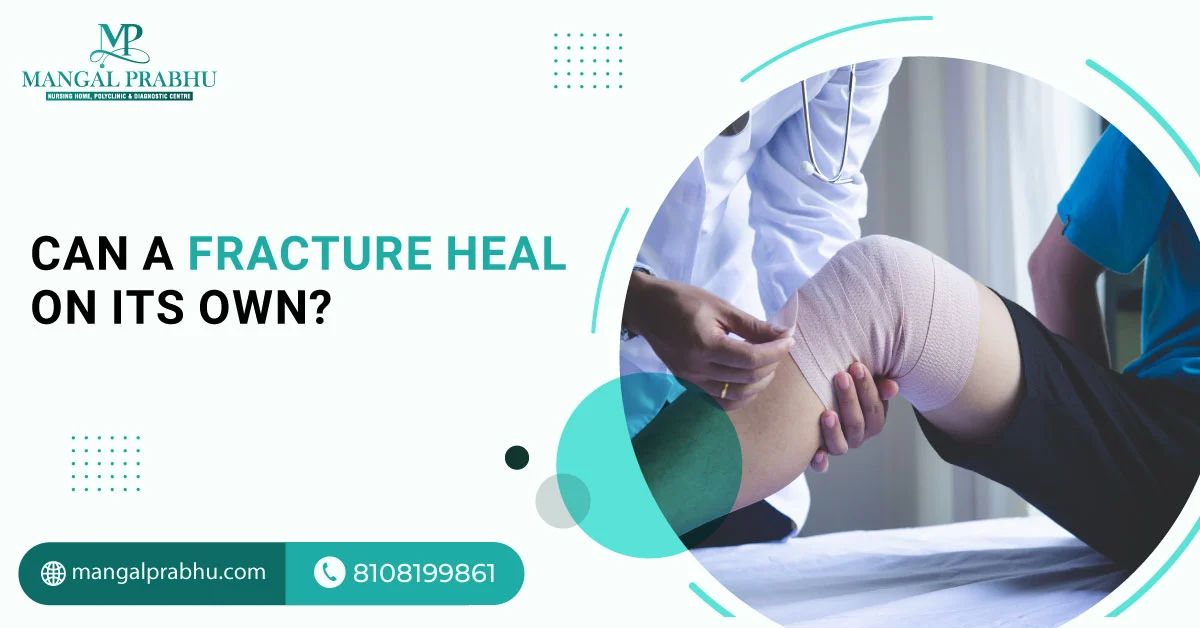
Can a Fracture Heal On Its Own?
Can a Fracture Heal On Its Own?
Our bones have limited flexibility. They can handle pressure only to a certain extent. When exposed to a significant force, they might fracture. While it’s obvious that a severe fracture requires an immediate visit to the orthopedic hospital in Navi Mumbai, people often wonder if mild fractures can heal on their own.
Fractures can often be healed with home remedies. However, this applies only to certain types of fractures. Let’s discuss it in detail:
a) Types of Fractures
A bone fracture is when your bone breaks partially or completely. It may vary in severity, depending on how forcefully your bone got hit. Here is the classification of bone fractures:
i) Simple Vs. Compound Fractures:
In a simple fracture, your bone cracks but does not break through the skin. The fracture isn’t severe enough to cause a deep wound. A compound fracture punctures your skin.
ii) Stable Vs. Unstable Fractures:
In a stable fracture, the broken parts of the bone do not get misaligned, while an unstable fracture causes the misalignment and the risk of further damage to the nearby ligaments.
It’s obvious that compound and unstable fractures require medical attention, while the simple fractures that do not cause any dislocation or skin wound can heal on their own.
b) Natural Healing Process
The timeline for recovery from a bone fracture may vary from person to person. A simple wrist or hand fracture might heal in 6 weeks, but the broken tibia can take up to 20 weeks to heal completely. Here’s the breakdown of the recovery phases:
c) Inflammation
Your body’s inflammatory response activates as soon as you have sustained a bone fracture. Due to the damage to the tissues and blood vessels, bleeding starts and the blood pools around the broken ends of the bone. This blood thickens and turns into a clot.
The dead cells die and are cleaned up from the site. During this phase, you will notice swelling and sharp pain. These are the signs that you are in the inflammatory phase of healing. It lasts 1-2 weeks.
d) Repair Phase
Once the dead cells are removed, your body will work hard to rebuild the new structure. It builds new cells, cartilage, and fibrous tissues. They all form a fracture callus, a soft patch where calcium deposits. It becomes harder to form a new, stabilized bone.
e) Remodeling
At this point, the fracture callus hardens, and the new bone starts forming. The progress is visible on an X-ray. You won’t feel the pain, swelling, and inflammation like before. However, the remodelling might go on for several months.
When Medical Intervention is Necessary
Unfortunately, not all fractures have a simple healing process. Here’s when you need to see a doctor for bone fracture treatment in Navi Mumbai:
- The bone has shattered into multiple pieces and has wounded your skin
- You have diabetes or other medical issues.
- The X-ray shows bone dislocation
Ideally, it’s best to consult a doctor to know whether the fracture is severe enough to require medical attention. Based on your symptoms and reports, you may need a cast, brace, or surgical treatment.
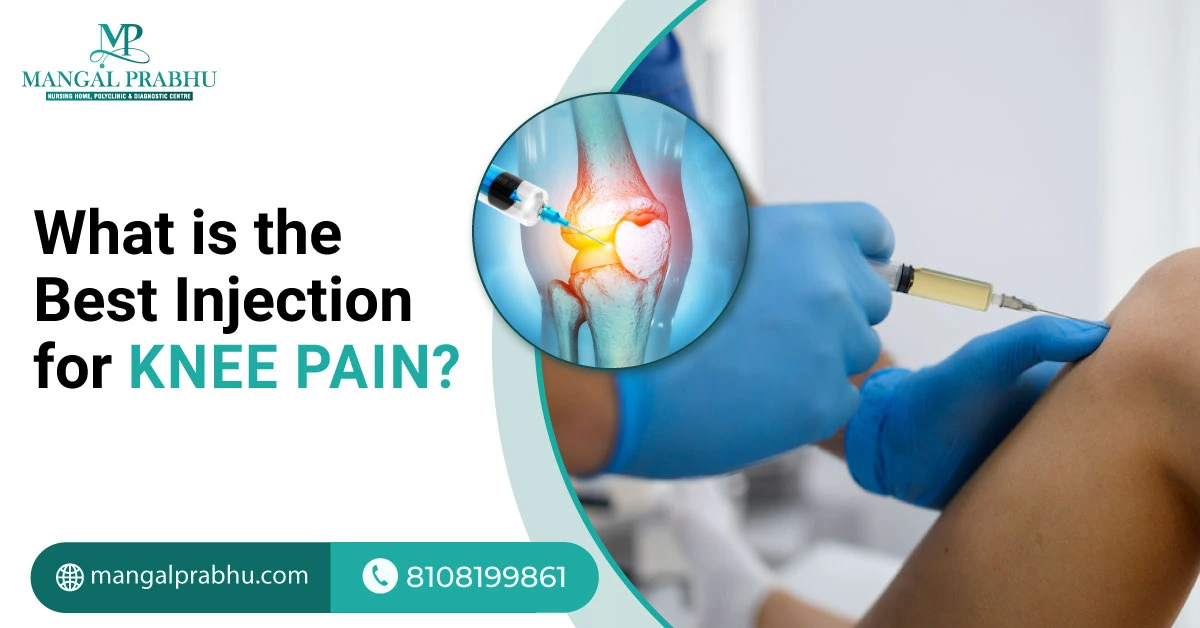
What is the Best Injection for Knee Pain?
Knee pain affects millions of people worldwide. Among the many causes, the most common is arthritis. Chronic knee pain can make your daily activities difficult. Whether it’s walking, climbing stairs, or getting up from a chair, most of your daily tasks will become challenging and painful. It’s important to schedule a visit to the orthopedic hospital in Navi Mumbai to identify the cause of the knee pain and determine the most viable treatment plan. In the meantime, here’s a look at the common causes of knee pain and a few effective injections that may help manage your symptoms.
Common Causes of Knee Pain
Knowing the causes of knee pain will help you decide the best treatment. Here are a few:
a) Arthritis
Osteoarthritis and Rheumatoid Arthritis (RA) are common knee issues that can affect people of any age. Osteoarthritis refers to the wear and tear of the cartilage, which results in excessive pain and stiffness around the affected joint. RA is an autoimmune condition that results in joint inflammation.
b) Injuries
Knee pain is also common in people who work or participate in activities that carry a high risk of joint injuries, such as sports. ACL tears, sprains, strains, and meniscus tears are a few common examples.
c) Overuse
Knee overuse caused by activities that put immense pressure on the knee joint can also lead to excruciating pain, inflammation, and joint stiffness.
What is the Best Injection for Knee Pain?
Injectables can be used for quick and long-term relief from joint inflammation and pain. Your doctor will inject the healing substances directly into your affected joint to help manage your symptoms. Here’s what may work:
i) Corticosteroid Injections
If your knee pain is due to arthritis, an injury, or other conditions that led to excessive joint inflammation, you might be a good candidate for corticosteroid injections. They contain strong anti-inflammatory and numbing substances that bring the inflammation down and offer relief from pain.
ii) Hyaluronic Acid Injections
With your cartilage wearing down, your bones might rub against each other as you move. This also results in the loss of hyaluronic acid, which acts as the lubricant supporting the natural joint movements. Hyaluronic injection, also called viscosupplementation, mimics the natural hyaluronic acid and provides stability and flexibility to your knee. The effect can last for weeks to months, depending on the severity of your knee pain.
iii) Platelet-rich Plasma (PRP) Injections
This modern therapy focuses on injecting your own blood into your knee joint to speed up healing. The procedure involves drawing the patient’s blood, increasing the concentration of platelets, and injecting it back into their knees.
iv) Stem Cell Therapy
Another effective procedure that the doctor for knee pain treatment in Navi Mumbai recommends is stem cell therapy. It aims to slow the deterioration of your knee joint by using your body’s healing mechanism. It involves injecting stem cells, which are drawn from your bone marrow, into the affected knee joint.
Conclusion
Each injection has its advantages and limitations. It’s best to talk to your doctor about your symptoms and medical history. They will run tests on your knee joints to analyze the level of damage before recommending injectables.
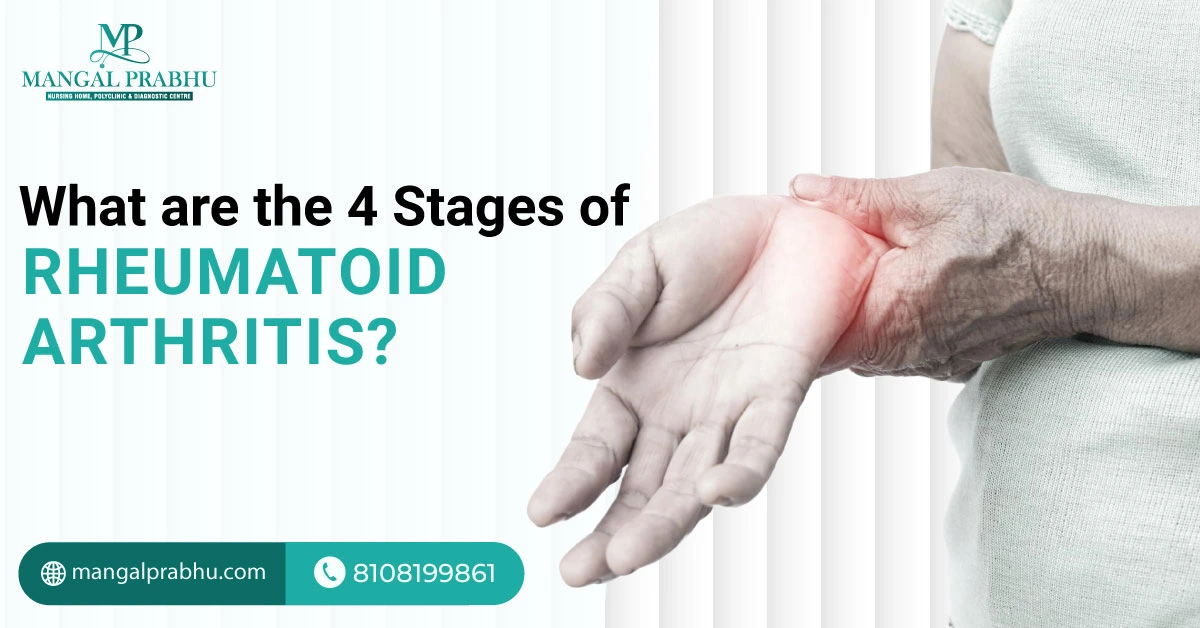
What are the 4 Stages of Rheumatoid Arthritis?
Rheumatoid arthritis is an autoimmune disorder in which your immune system mistakenly attacks your joints, causing inflammation, swelling, pain, and eventually joint damage. Patients with rheumatoid arthritis might experience varying symptoms, but the disease usually progresses in four stages. An orthopedic doctor in Navi Mumbai can recommend a treatment plan based on your stage of RA and how fast it’s progressing.
Early detection is key to slowing the progression of the disease, thus improving your chances of retaining your joint mobility.
Stage 1: Early RA
The initial symptoms of rheumatoid arthritis include joint pain and mild swelling in the feet and hands. The inflammation in the joints can cause swelling in the tissues, which may lead to pain. If it occurs in the hands, you might notice pain in the fingers and knuckles, which might improve with movement. Diagnosis of RA at an early stage is often challenging, as symptoms are often confused with a normal part of aging.
Symptoms
- Mild pain in smaller joints, like those of your hands and feet.
- Fatigue
- Swelling in the joints
Diagnosis
A blood test and imaging tests like X-rays and MRI can show joint damage.
Stage 2: Moderate RA
The second stage of RA damages bones and cartilage. When that happens, you might experience loss of mobility in the affected joint. For instance, it might become difficult for you to move or bend your fingers with second-stage rheumatoid arthritis.
Symptoms
- Increased joint pain
- Prolonged periods of reduced mobility
- Joint stiffness
- Increased swelling
Diagnosis
A blood test can detect RA markers, which can confirm the diagnosis.
Stage 3: Severe RA
The third stage of rheumatoid arthritis is often considered severe. As the cartilage and bone destruction speed up, extreme pain and significantly reduced mobility occur. Joint deformation makes the swelling more visible. Clear examples are twisted fingers with heavily swollen knuckles.
Symptoms
- Carpal tunnel syndrome
- Extreme pain in the joints
- Severe loss of mobility
- Visible joint deformity
Diagnosis
Diagnosis becomes clear at this stage. With symptoms indicating rheumatoid arthritis and your blood tests showing inflammatory markers, your doctor can diagnose RA.
Stage 4: End-stage RA
You might experience severe pain, joint deformity, swelling, and lost mobility at the end-stage RA. You will lose most of your joint function and might experience muscle weakness. This stage mainly affects your mobility. You may need mobility-assisted devices to move your affected joints freely. Due to the compromised mobility combined with pain and swelling, RA at the last stage can affect your quality of life.
How the Disease Progresses
RA progresses gradually. You might experience periods of relief with sudden worsening of the symptoms. Fortunately, most people do not reach the fourth stage. Still, the pain, deformity, and loss of joint function can interfere with your daily life. It’s advisable to seek rheumatoid arthritis treatment in Navi Mumbai as soon as possible. Early treatment can help slow the progression of the disease and offer significant relief from the pain and other symptoms.
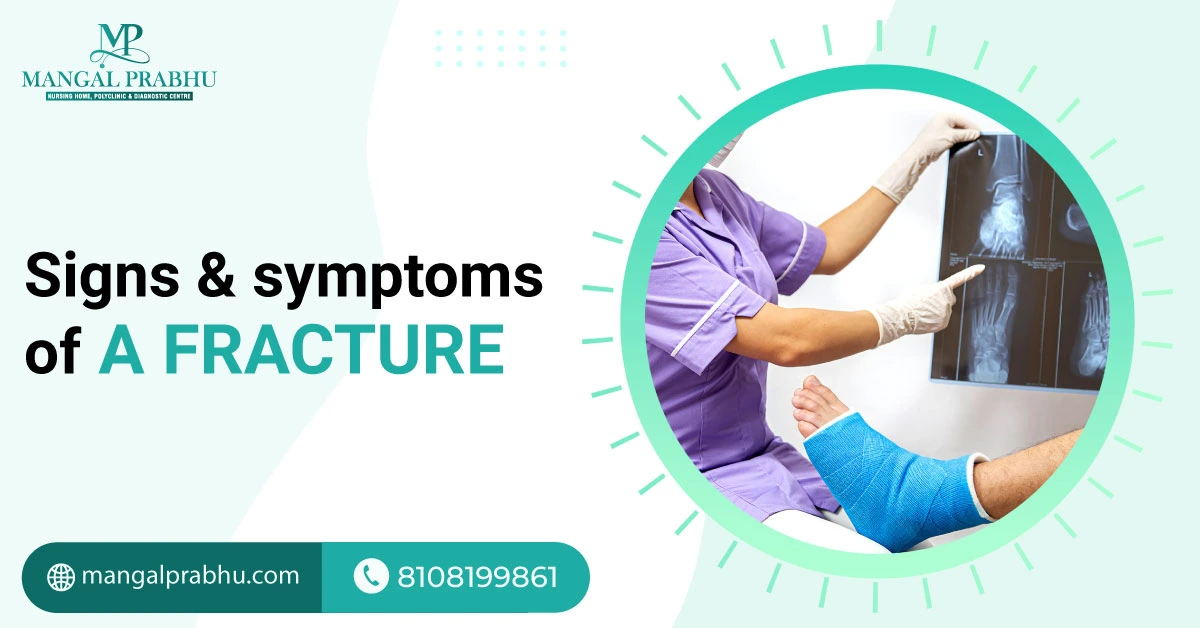
Signs and Symptoms of a Fracture
A crack in your bone due to trauma or stress can lead to a fracture. People diagnosed with osteoporosis and bone cancer are also at an increased risk of developing fractures. Depending on the severity of the trauma, a fracture could be closed (the bone cracks but doesn’t break through your skin) or comminuted (the bone breaks into multiple pieces). If you suspect a fracture, get to the nearest orthopedic hospital in Navi Mumbai for the best care.
Common Causes of Fractures
i) Accidents and falls:
Healthy bones are strong enough to withstand pressure effortlessly. However, if you experience a serious fall or an accident that puts a great deal of force on your bones, they might break.
ii) Sports injuries:
Sports that require a lot of twisting and turning can cause fractures. People involved in sports can develop spiral, transverse, comminuted, hairline, and stress fractures.
iii) Osteoporosis and bone weakening conditions:
With age, your bone density and resilience decrease significantly, making you more prone to sustaining a fracture even with low-impact trauma.
Signs and Symptoms of a Fracture
a) Pain and tenderness:
Intense pain on the injured site is the hallmark symptom of a fracture. It’s your body’s way of telling you that something isn’t right and requires medical attention. People with fractures might feel pain when touching the site, moving it, or putting weight on it. It may not get better with rest.
b) Swelling and bruising:
The tissue damage can cause swelling, which won’t go down. You might also notice bruising (your skin turning blue, purple, or yellow) that indicates bleeding under your skin.
c) Deformity or abnormal appearance:
Fractured bone appears deformed, as the bone breaks and causes a significant misalignment. In some cases, the bone may pierce through the skin, which makes its deformity pretty obvious.
d) Inability to move or bear weight:
Bone fractures are extremely painful. The pain, combined with swelling and nerve damage, can restrict your movement. You won’t be able to lift weights or perform any physical activity until the bone gets back in shape.
Types of Fractures
Fractures are classified into different types based on the severity of the wound.
1) Simple vs. compound fractures:
In simple fractures, your bones crack but do not penetrate the skin. So, there’s no visible open wound. Compound fracture does penetrate the skin and requires immediate medical care.
2) Stress fractures:
It refers to a small crack in your bones caused by repetitive movements or overuse of your bones.
3) Greenstick and comminuted fractures:
Greenstick fractures are more likely to occur in children, as they have soft, flexible bones. The bone bends and cracks slightly without breaking completely. Comminuted fractures are more severe and are often caused by a serious fall or an accident. In this, the bone breaks into multiple pieces. You must see a fracture treatment doctor in Navi Mumbai if there’s a noticeable deformity combined with excruciating pain and a severe misalignment of the bones after an injury. Medical treatment is specifically required if the pain persists and you experience restricted movements.
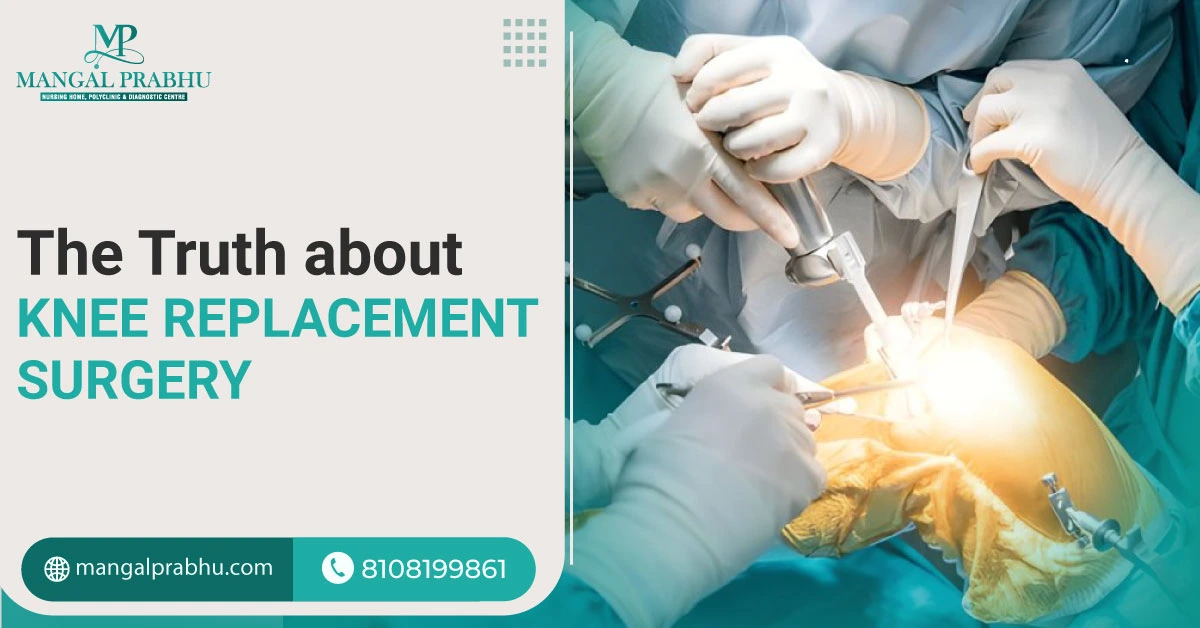
The Truth about Knee Replacement Surgery
With age, your joints face wear. Excessive wear and tear on knee joints significantly reduces their function and mobility. We live in a world where adults approach orthopedic surgeons in Navi Mumbai and consider knee replacement to get relief from debilitating pain.
However, like any invasive medical procedure, knee replacement surgery comes with its share of risks. If you’re unable to walk or experience severe knee pain, you might be a good candidate for knee replacement. In this post, we’ve mentioned some basic things you should know about the surgery.
Common Reasons for Knee Replacement
1) Osteoarthritis:
The most common reason for considering knee replacement is osteoarthritis. It occurs when cartilage breaks down, causing excessive pain and limiting mobility.
2) Rheumatoid Arthritis:
It’s an autoimmune disorder in which your immune system attacks your cartilage, bone, and surrounding structure, often requiring a total knee replacement. When the inflammation and joint damage go beyond repair and won’t respond to medication, a surgical intervention might be your only option.
3) Severe Knee Injuries:
A traumatic event that fractures your knee joint or causes severe cartilage damage might also require knee replacement surgery in Navi Mumbai.
The Surgery Process
Before the surgery, you’ll be advised to stop certain medications or supplements (if you are on those). Avoid eating anything on the day of surgery.
The surgery takes 1-2 hours, and you’ll be sedated throughout the procedure. The surgeon could also administer local anesthesia, which only numbs the area where surgery is to be performed. Here’s the detailed steps of the procedure:
- The doctor makes a cut on your knee
- Removes the damaged cartilage
- Place the artificial implants
- They will close the incision with stitches.
Post-surgical recovery involves a short hospital stay, usually 2-3 days, but some patients are discharged the same day. During this time, your vitals are monitored. Your surgeon will soon recommend physical therapy to help strengthen your muscles and restore mobility. You need to start walking with walking aids to mitigate the risk of blood clots.
Follow your doctor’s advice for faster recovery. Painkillers will help manage pain and discomfort. Rest as much as possible, keep your leg elevated, and use cold compresses to relieve swelling and pain.
Benefits and Risks
Knee replacement can be beneficial if you’ve lost mobility or significant knee function. Here’s how it may help:
- Restore your mobility
- Provide relief from excruciating pain
- Improve your quality of life
- Allow you to carry out your routine tasks and physical activities like before
Risks
- There’s a risk of infection and blood clots
- Long recovery
Alternatives to Knee Replacement
Surgery is not your only option. Your doctor will initially explore other non-invasive procedures, such as medication, physical therapy, and a cane. Physical therapy will improve your muscle strength and your knee function. Medication can help with inflammation and pain. If none of these work, partial knee replacement is still an option if you want a quick recovery. Talk to your surgeon to learn more about total knee replacement, its cost, and recovery.
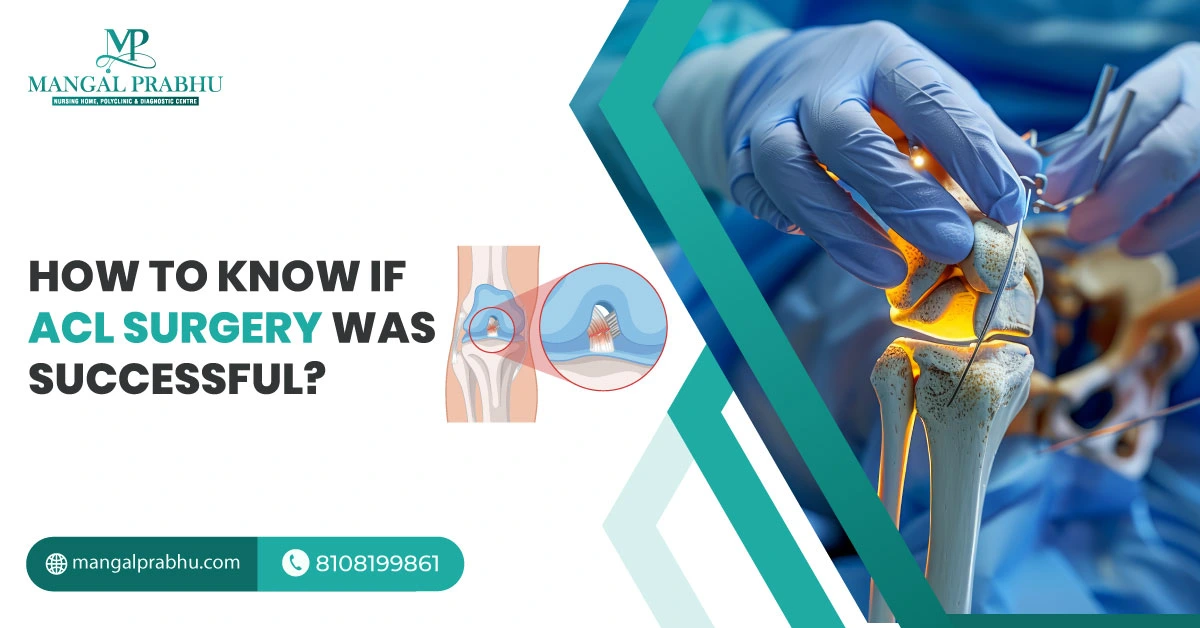
How to Know If ACL Surgery Was Successful?
ACL, short for Anterior Cruciate Ligament, can tear from sudden twisting or turning motion. It’s most likely to happen in athletes, school-goers, and those frequently practicing high-intensity workout sessions and physical activities. Unlike other ligaments, ACL can’t regenerate itself. In fact, in some cases, it doesn’t heal without surgical intervention.
If the tear is too severe, you may need to consult an orthopedic surgeon in Navi Mumbai for potential treatment options. If you have undergone surgical repair, here’s how to know if ACL surgery was successful.
Early Post-Surgery Indicators
Your therapist will set recovery milestones and a timeframe for each. For instance, you should be able to walk without support within a few weeks of surgery and carry out your routine tasks, including physical activity, by 3-4 months. That said, each patient is unique, and so is their recovery period. It’s possible that you can’t walk soon after surgery, but that doesn’t mean your ACL repair surgery has failed. Here are a few early post-surgical indicators of a successful ACL surgery.
i) Reduced Pain
Some pain after ACL surgery is normal. Your surgeon will prescribe medication to relieve post-operative pain. Pain and swelling should resolve in a few days. You can use the RICE (rest, ice, compression, and elevation) to get relief from swelling. If the pain persists or the swelling gets worse after surgery, it might be a sign of graft failure or an infection.
ii) You Can Walk and Move
Another sign of post-operative recovery is the restored range of motion. You will be able to utilize your knee joints like earlier, although the recovery timeline can vary from patient to patient. Mostly, patients are able to straighten their knee joints by week three and bend them after physiotherapy. You can practice quad sets and heel slides to speed up your recovery and restore your full range of motion.
iii) Back To Your Normal Life
Long-term recovery can take time, but you should be able to move your knee joint and perform most activities by the time you hit the 3-month mark. You can gradually start sports within 6-9 months. One of the crucial signs of a successful ACL repair is the absence of instability.
Your knee will feel stable, and you can walk, climb stairs, and execute your routine tasks without collapsing. If you don’t see any improvement in your knee stability and range of motion, it may indicate graft failure. This may require reassessment and revision surgery.
iv) Follow-up Appointments and Imaging
Your surgeon will schedule follow-up appointments to ensure proper and quick healing. They will carefully evaluate your knee stability, movements, and surgical site to rule out postoperative complications.
After ACL surgery in Navi Mumbai, you can have relief from the pain due to arthritis, knee injury, or torn ligaments. If the new graft is precisely implanted and is fully functional, you will see the results within weeks. Improved mobility, reduced pain, minimal to no swelling, and the ability to straighten, bend, and move your knee in all directions are indicators of a successful ACL repair surgery.
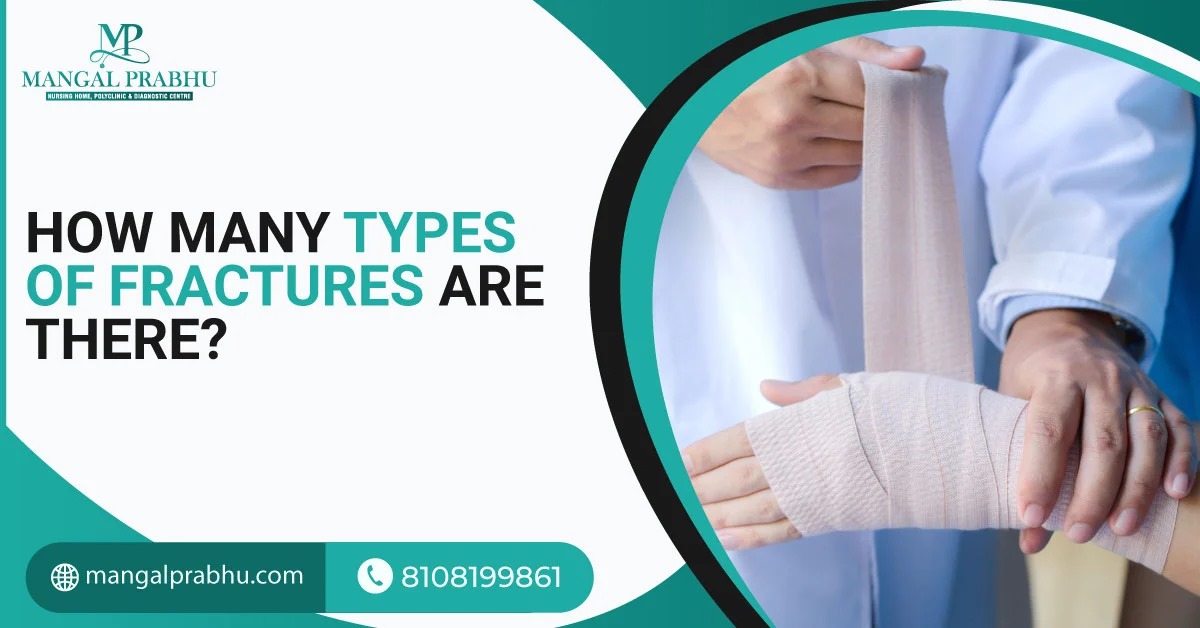
How Many Types of Fractures Are There?
Your bone density tends to decrease with age, increasing the risk of bone fracture. A bone fracture occurs when a heavy object hits your bones with a force greater than the bone can bear. The fracture can be minor; the bone may crack but doesn’t break completely. This can be fixed with casting and splinting. Or, it can be severe enough to break through the skin, increasing the risk of infection and other complications. In either case, it’s important to seek fracture treatment in Navi Mumbai to get your bones realigned. Read on to find out how many types of fractures are there.
Major Types of Fractures
a) Simple/Closed Fractures:
The bones break inside your skin but do not pierce through the skin. These are less complicated and often get better with immobilization and casting.
b) Compound/Open Fractures:
In a compound fracture, the bone fragments are visible on your skin. It creates a deep wound that requires immediate medical attention. You must see an orthopedic surgeon in Navi Mumbai to have it surgically repaired.
c) Greenstick Fractures:
Due to their increased bone flexibility, children are mainly affected by greenstick fractures. These occur when something hits their bones, breaking one side of the bone and bending the other.
d) Comminuted Fractures:
This is the worst type. The bones in comminuted fractures break into more than two pieces, often requiring a surgical repair. Because of their severity, comminuted fractures occur mostly during accidents and severe falls.
Specific Fracture Types
i) Transverse Fractures:
A transverse fracture results in the bone breaking horizontally into two pieces. It’s common in your leg or forearm bones. Treatment requires splints or surgery, depending on the severity of the damage.
ii) Oblique Fractures:
A sudden trauma to the bone can cause it to break diagonally. Oblique fractures are common in athletes, as they twist their arms and legs often during sports.
iii) Spiral Fractures:
Bones can also break spirally. Like oblique fractures, spiral fractures are common in people who forcefully twist their bones.
iv) Impacted Fractures:
Impacted fractures result in one end of the bone pushing into another due to serious trauma to the bones. These fractures can affect your ankles, hips, arms, and wrists. Since the bones do not break into pieces, you have a certain level of stability. That, however, doesn’t mean your bones are aligned. Treatment is required to restore your bones to their normal position.
Special Cases
A) Stress Fractures:
A fracture might occur from repetitive activities that put pressure on your bones. These are called stress fractures.
B) Pathologic Fractures:
These fractures occur because of a medical condition that can result in bone weakening to a degree that even a minor trauma can cause a severe fracture.
Prevention and Recovery
You can’t prevent situations, such as accidents or falls, that can lead to bone fractures. Here are a few tips that can help reduce your risk:
- Eat a diet rich in vitamin D and calcium
- Exercise regularly
- Resolve underlying medical conditions, such as osteoporosis.
Conclusion
Fractures are common during accidents and falls. Although anyone can get their bone fractured, people with low bone density are at an increased risk.
8 Types of Bone Fractures
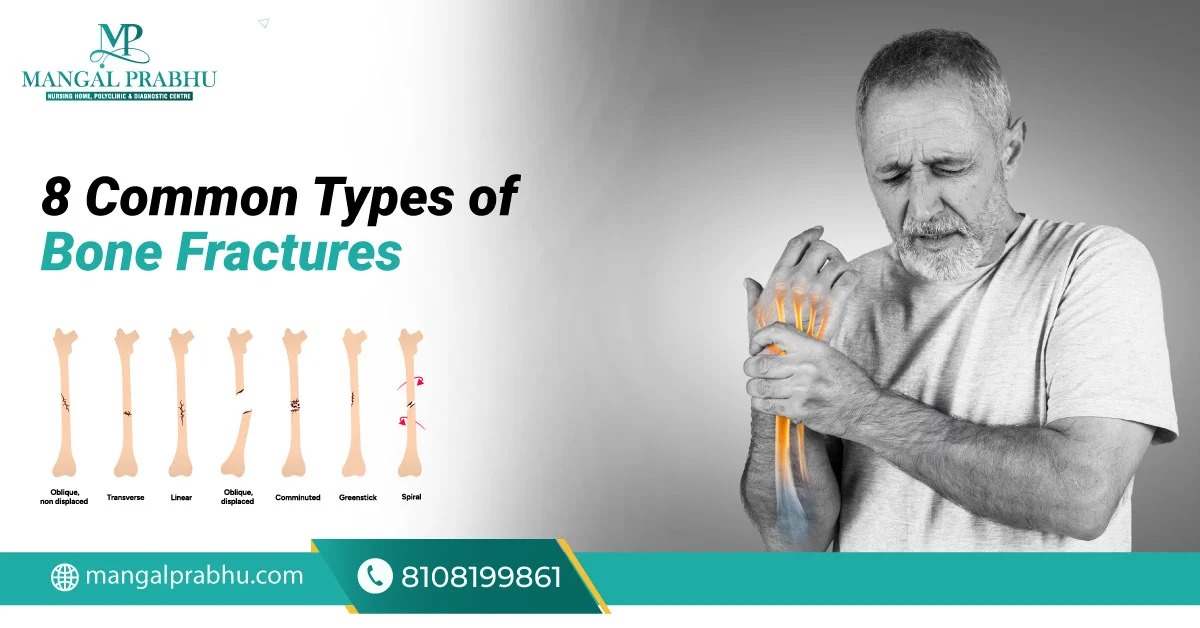
Bone fracture refers to the broken or cracked bones. Although anyone at any age can experience a bone fracture, they are more common in older people (above 50 years). The risk is higher in people diagnosed with osteoporosis. Visit an orthopedic hospital in Navi Mumbai for bone density screening. The test detects weak and brittle bones and also suggests your likelihood of getting bone fractures. In the meantime, let’s explore the eight most common types of bone fractures.
8 Types of Bone Fractures
1) Simple Fracture
A simple fracture occurs when the bone breaks but does not cause any visible injury on the skin or break through your skin. There’s no severe tissue damage, as the bone is contained within your body. The bone might slightly displace or remain completely aligned with little damage to the soft tissue. Rest and immobilization are the most effective treatment options for simple fractures.
2) Compound Fractures
A compound fracture is more severe than a simple fracture. It occurs when the bone breaks and pierces your skin, leading to a severe wound. It’s caused by a fall from a great height or a car accident that puts excessive force on your bones, causing them to break and injure your skin. You will notice the bone sticking out of your skin and severe bleeding. See an orthopedic doctor in Navi Mumbai immediately if you notice these signs.
3) Comminuted Fractures
A car crash or other severe accident can result in your bone getting broken into many pieces. It’s another serious type of bone crack that requires hospitalization. The treatment for comminuted bone fractures is a surgical repair. The broken bones can take a year or longer to heal completely.
4) Greenstick Fractures
In greenstick fractures, your bone bends so much that it cracks slightly but does not break into multiple pieces. They result from sports injuries, falls, and other kinds of trauma. They are common in children, as children’s bones are weaker compared to adults.
5) Transverse Fractures
A transverse fracture is a bone crack that goes straight across the bone. It looks like a horizontal cut. The crack occurs from a fall or a heavy object hitting your bone. Immobilization is usually recommended for transverse fracture, but surgery might be needed if the bones’ alignment is affected.
6) Oblique Fractures
An oblique fracture is a diagonal crack, usually found in the long bones. These also occur from trauma to your bone due to a fall or an accident.
7) Spiral Fractures
Spiral fractures occur due to a sudden twisting motion, especially during strenuous physical activities or sports. These look like a corkscrew, a spiral line that goes all the way around the bone.
8) Compression Fractures
Compression fractures occur in the vertebra in your spine. They are most common in people with osteoporosis or a weakened spine, which is likely to collapse if you experience a fall, injury, or any accident that hits your spinal area.
Conclusion
Bone fractures are common and mostly occur because of trauma to your bones. These are more common in people with weaker bones (especially elders) than healthy ones. Treatment includes immobilization and surgery in severe cases.
Reasons Not to Have Hip Replacement
Do you have constant hip pain that won’t resolve with over-the-counter medication, therapy, or non-invasive medical procedures? Are you diagnosed with arthritis? People with worn-out hip joints might experience severe pain in their hips, which worsens when you move, lift objects, or practice strenuous physical exercise that involves your hip joint.
A hip replacement surgeon in Navi Mumbai will most likely recommend a surgical removal of the damaged joint and its replacement with an artificial implant made of plastic, ceramic, or metal. But is it the right choice? Let’s find out.
Potential Risks and Complications
Hip replacement has many benefits. It helps you regain your mobility. Total hip replacement strengthens your hip joint and makes movements easier and painless. But like any invasive procedure, hip replacement doesn’t come without risks.
It’s important to weigh the risks and benefits before proceeding with hip replacement. Let’s explore the common risks and complications of the surgery.
1) Infection:
Although your surgeon will use sterile equipment and prescribe antibiotics, there’s still a possibility of infection post-surgery. If the infection goes deep near the prosthesis, another surgery might be required to replace the infected portion with a new implant.
2) Blood Clot:
Lack of movement after surgery can put you at risk of Pulmonary Embolism (PE) — a medical condition in which the blood clot travels to your lungs, blocking the blood flow. You must start a movement within 24-48 hours after surgery. Your healthcare provider will recommend blood thinners to prevent blood clots.
3) Dislocation of Implants:
The tissues around the incision site take time to heal. During this time, they might not be strong enough to provide support to the artificial implants. If you move too much, bend a lot, or practice stretching and other movements, there’s a risk of joint dislocation. A surgery is required to re-position your artificial hip joints.
4) Nerve Damage:
Nerve damage is a rare but possible complication of hip replacement surgery. Damage to the surrounding nerves can make the affected site numb, weak, and painful.
Alternative Treatment Options
If you are not a good candidate for hip replacement or are simply looking for alternative treatment options, a few non-invasive procedures can help improve your mobility. Here’s what may help.
- Weight loss plans to prevent excess strain on your hip joint
- Physical exercise, like walking and swimming, to strengthen your hip joint, regain your mobility, and maintain flexibility
- Use canes, crutches, and other walking aids to offer relief to the damaged hip
- Pain relief and anti-inflammatory medication
- Acupuncture and massage therapy for pain relief
Long-Term Considerations
Mild stiffness and pain around the incision site are pretty common. They resolve on their own within a few weeks following surgery. Remember, the implants used to replace the damaged joints can wear in 5-10 years or sooner, depending on the material used and your movements. Some patients develop an allergic reaction to the implant material, requiring a revision surgery.
Hip replacement surgery in Navi Mumbai is beneficial for patients with extreme pain and loss of mobility, but you should always opt for noninvasive procedures first.