

Nephrotic Syndrome Life Expectancy: What You Need to Know
Healthy kidneys do their jobs (filtering waste and excess fluid from your blood) efficiently. In people with diseased kidneys, the filters may not work properly and cause protein to leak into the urine. This causes low levels of protein in your blood and high levels in urine. In medical terms, it’s called Nephrotic Syndrome.
The issue can cause a range of symptoms, such as swelling of the ankles, legs, and other body parts. See a kidney specialist in Mumbai if you experience foamy urine, edema, fatigue, loss of appetite, and other such symptoms that might indicate nephrotic syndrome. In this post, we’ve discussed how the condition affects your life expectancy.
Factors That Affect Life Expectancy
Nephrotic syndrome can make you prone to secondary illnesses due to protein loss. These proteins include immunoglobulins, which fight infections, as well as proteins that prevent blood clots. Fortunately, some people recover fully. Others, however, may need to keep in touch with a nephrologist for regular monitoring.
Here are a few factors that can affect life expectancy in people with nephrotic syndrome.
- Age: Children are likely to recover well and respond better to medication compared to the elderly.
- Lifestyle: A sedentary lifestyle with poor dietary choices can put excessive strain on your already diseased kidneys. Quit smoking and avoid alcohol (if you haven’t already). Both can damage blood vessels, affecting your kidney function. Practice meditation and mindfulness to reduce stress.
- Underlying Issues: Nephrotic syndrome can develop due to underlying medical issues, such as diabetes or lupus. Recovery and life expectancy, in such cases, depend on how well the underlying illness is managed.
- Treatment: Early treatment can help preserve your kidney function. If not diagnosed and addressed soon, nephrotic syndrome can worsen into Chronic Kidney Disease or even kidney failure. The life expectancy of people with advanced kidney disease is often shorter than that of those with healthy kidneys.
How to Improve Life Expectancy with Nephrotic Syndrome
With proper treatment and some lifestyle adjustments, many people can go into remission. The prognosis is good for kids, especially. Here is how you can improve your life expectancy if you have nephrotic syndrome.
- Follow Your Doctor’s Advice: Your healthcare provider may prescribe medication, which may be immunosuppressants, diuretics, or steroids. Medication to keep your blood pressure under control can also be recommended. Stick to the prescribed dosage.
- Manage Blood Pressure and Diabetes: Both can strain your kidneys and reduce their efficiency. Uncontrolled diabetes, especially, can negatively affect your kidney health.
- Follow a Kidney-friendly Diet: Avoid processed foods. Too much sodium, phosphorus, and potassium can also damage your kidneys in the long run. Salt, particularly, can increase blood pressure and cause swelling.
- Get Vaccinated: Get flu shots at a multispecialty hospital in Navi Mumbai to prevent pneumonia and other such infections. This helps reduce the risk of infections, which can worsen nephrotic syndrome.
While nephrotic syndrome is a serious issue, it can often be managed with the right treatment, a nourishing diet, an active lifestyle, and regular checkups. Many people live healthy and normal lives. In fact, some recover completely from nephrotic syndrome.
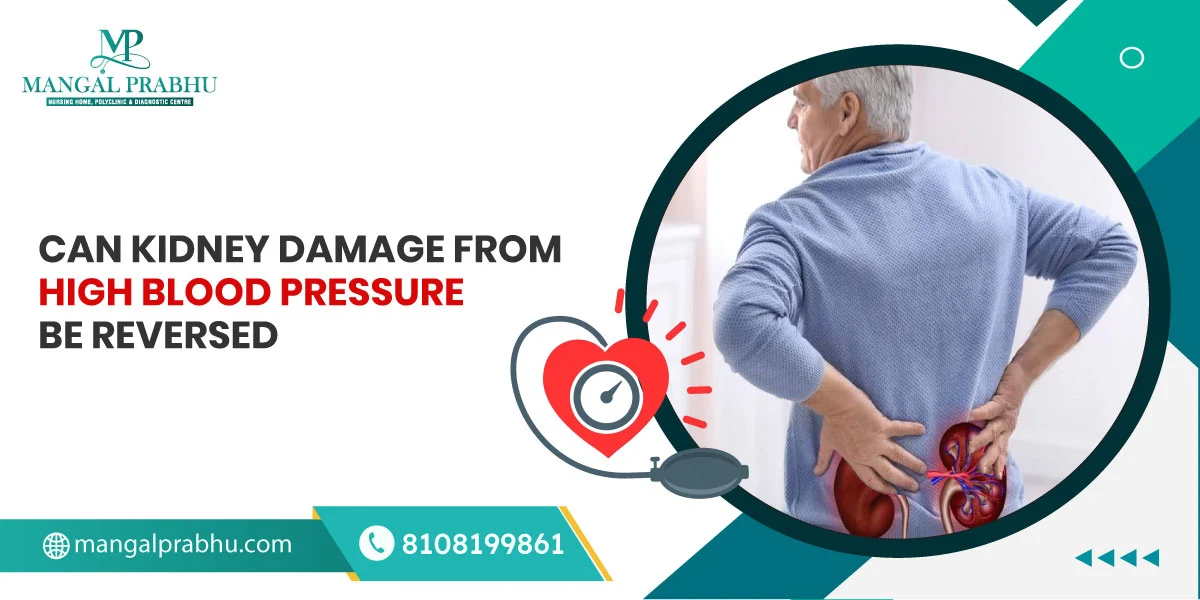
Can Kidney Damage from High Blood Pressure be Reversed?
High blood pressure can damage your blood vessels, which in turn, affect your many vital organs, including the kidneys. A normal blood pressure reading is below 120/80 mm Hg. If you have multiple readings showing a blood pressure higher than normal, you may have hypertension.
It’s important to visit a multispecialty hospital in Navi Mumbai and get prescription medication for keeping your blood pressure levels under control. The question is, how does it affect your kidneys, and whether it’s possible to reverse kidney damage caused by hypertension. Let’s find out.
Effect of High Blood Pressure on Your Kidneys
Your kidneys filter the blood in your body around 40 times a day. They have tiny blood vessels through which the blood passes and gets filtered. The waste products are expelled through urine. High blood pressure can damage these small blood vessels over time, making it harder for your kidneys to do their jobs effectively.
As a result, their filtration capacity declines. This can lead to excess waste, fluid, and salt in your body. The swelling in the feet is a common sign of a kidney disease. It signals fluid retention. This can progress into chronic kidney disease or kidney failure.
Kidneys release a hormone called renin, which regulates your blood pressure. When your kidneys aren’t functioning optimally, they may not eliminate excess fluid from your blood. This fluid buildup can increase blood pressure, which worsens your kidney disease. The cycle continues.
Can Kidney Damage from High Blood Pressure be Reversed?
There’s no clear-cut answer to this. If the damage is minimal, your kidney function can be restored by restoring your blood pressure to normal levels. To stabilize your kidneys, you may have to take prescribed medication, follow a kidney-friendly diet, and adopt a healthy lifestyle.
If the tissues have scarred, the reversal may not be possible. That’s because the scarred kidney tissues can’t be regenerated. However, you can slow the progression of the disease by controlling the blood pressure (if it’s the only underlying cause of CKD).
In patients diagnosed with end-stage kidney disease, dialysis and kidney transplant are the only viable treatment options for survival. See a kidney specialist in Navi Mumbai to discuss your treatment options based on the severity of the damage.
Tips for Reversing Kidney Damage
These tips can help improve your kidney function:
Keep Your Blood Pressure in Check: The doctor may recommend vasodilators to widen the blood vessels for smooth blood flow, ACE inhibitors, and ARBs to stabilize your BP, and Beta Blockers to make it easier for your heart to pump blood effectively. Take your prescription medicines following the right dosage.
Eat Right: Limit salt consumption to 5-6g a day. Your doctor might also advise you to limit protein, potassium, and even fluid intake. Eat leafy greens, fresh fruits, whole grains, and other kidney-friendly foods.
Follow a Healthy Lifestyle: Avoid alcohol and smoking, as they might damage your blood vessels and cause high blood pressure. Exercise regularly to maintain a healthy weight and regulate blood pressure.
Seek medical help immediately if you notice foamy urine, reduced urine output, shortness of breath, swelling in the ankle, face, or legs, and fatigue.

What is the Most Common Cause of Blood in Urine?
Blood in the urine or hematuria is a medical condition that indicates the presence of blood cells in your urine. You can have visible hematuria, i.e., your urine might turn red, pink, or other dark colors. Or, it could be microscopic (the blood cells might not be visible to you) but can be identified by a urine test recommended by a urologist in Navi Mumbai. In this post, we’ll discuss the different causes of hematuria.
Common Causes of Blood in Urine
Usually, when your kidneys make urine, they do not include blood cells. In people with a urinary tract issue, the blood cells might leak into the urine. Here’s why it occurs:
a) Urinary Tract Infections (UTIs)
Bacteria can enter the urethra and bladder, where they multiply, leading to an infection. UTIs can cause hematuria, a burning sensation while urinating, a frequent urge to urinate, and a strong, unusual odor in urine.
b) Kidney Stones
An imbalance in the minerals in your urine can form hard crystals, which eventually turn into stones. These can be different sizes and might be in your bladder or kidneys. They might not cause symptoms unless they get stuck in the ureters or other parts of your urinary tract and block urine flow. They can also cause blood in the urine.
c) Bladder or Kidney Infections
UTIs occur in the lower urinary tract but can sometimes affect the upper part, i.e., your kidneys. If the bacteria reaches your kidneys, they might cause inflammation in the urinary tract and weaken the blood vessels. Hematuria can occur when the blood vessels break, leaking blood into your urine.
Less Common Causes
Here are a few other potential causes of hematuria.
i) Enlarged Prostate
This is a common urinary issue in men over 50. As the prostate gland grows, it puts pressure on the surrounding organs, including the bladder. This can lead to symptoms like blocked urine flow, a constant urge to pee, and hematuria. Blood might also occur due to the fragile blood vessels that tend to break under the pressure of the prostate.
ii) Genetic Diseases
Sickle Cell Anemia and other inherited blood disorders can lead to visible blood in the urine or blood drops that are too small to be seen by the naked eye.
When to Seek Medical Attention
Visit a healthcare provider to discuss the most viable blood in urine (hematuria) treatment in Navi Mumbai. While it may be harmless and not a major issue in some cases, hematuria can also indicate a serious underlying problem that requires immediate medical attention. See a urologist if you experience these symptoms:
- A considerable amount of blood in your urine
- Fever and nausea
- Pain in the back
- Blocked urine flow or frequent urge to urinate
Conclusion
Hematuria isn’t a disease in itself but a symptom that may point to an underlying health issue. It can occur as a sole symptom or accompanied by other potential issues, such as back pain, difficulty urinating, or incontinence. A urologist can diagnose the cause of hematuria and plan the most suitable treatment for your case.

What is the First Sign of Kidney Problems?
Your kidneys filter waste and excess fluid from your bloodstream. If something goes wrong, you may not notice the symptoms immediately. Instead, the symptoms often crop up when the disease has reached an advanced stage. That’s why it’s important to keep in touch with a nephrologist in Navi Mumbai to ensure your kidneys are working optimally.
Although the only way to know if you have an existing kidney disease is through tests, certain symptoms can also indicate kidney issues. We have discussed a few in this post:
What is the First Sign of Kidney Problems
When your kidneys malfunction, fluid and waste accumulate in your body. Over time, you may start noticing unusual symptoms, the severity of which may vary depending on how much the disease has progressed. Here are a few common signs you’ll see initially.
1) Fatigue and Weakness
People with kidney diseases are likely to feel tired often. Weakness is also a common sign. This happens when impurities accumulate in your blood.
2) Swelling
If your kidneys do not filter your blood effectively, you might develop swelling in the hands, ankles, feet, and face. This occurs because of excess salt and fluid in your body.
3) Changes in Urination
Another common sign of kidney disease is a changed urination pattern. You might feel the urge to urinate more often, particularly at night. You might also notice foamy urine.
4) Blood in the Urine (hematuria)
It is also linked to kidney diseases. Ideally, your kidneys keep the blood cells in your body when creating urine. When they aren’t working well, these blood cells might get leaked into the urine, causing hematuria.
Other Early Indicators
Here are a few other signs that indicate kidney disease:
a) Persistent Back Pain
If you have dull, sharp, and persistent pain on either side of your lower back, it could be a sign of kidney disease. Sharp and severe pain that doesn’t get better with movement might indicate kidney stones.
b) High Blood Pressure
Your kidneys control your blood pressure. When they aren’t working optimally, your blood pressure might spike, which, in turn, might further worsen kidney function.
c) Unexplained Weight Loss
As toxins build up in your blood, patients experience nausea, loss of appetite, and vomiting, all of which contribute to weight loss.
If you have been losing too much weight without trying, and it’s accompanied by swelling, loss of appetite, and changes in the urination pattern, it’s worth checking with your doctor to rule out kidney diseases.
d) Shortness of Breath
Too much fluid accumulation in the lungs can lead to shortness of breath. It can also occur due to anemia.
When to See a Doctor
Identifying the early symptoms of kidney disease is crucial to managing the condition and preventing it from progressing to the advanced stage. Unfortunately, kidney diseases are often left undiagnosed as patients often mistake the symptoms for other common health issues. If you notice the above symptoms with excessive fatigue, extreme weight loss, and frequent urination with foamy texture and unusual odor, it’s time to schedule a visit to a nephrologist to discuss the most viable kidney disease treatment in Navi Mumbai.
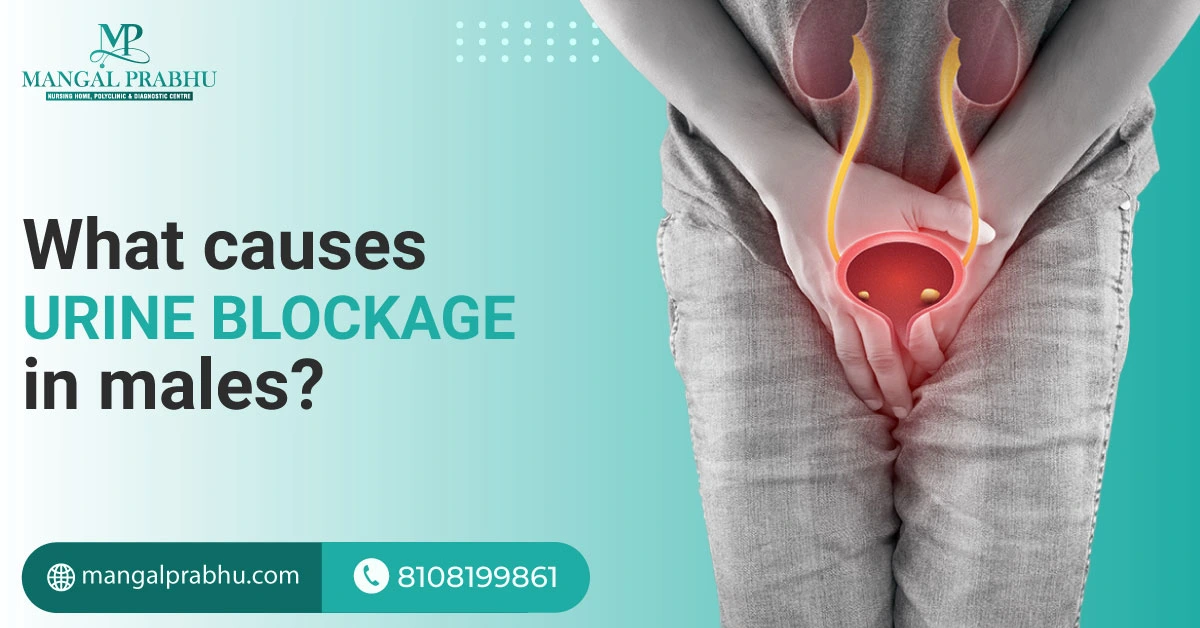
What Causes Urine Blockage In Males?
An obstruction in any part of the man’s urinary tract can interrupt the normal urine flow. The blockage could be in the kidneys, which produce urine, or the urethra (responsible for releasing it). It’s important to see a urologist in Navi Mumbai if you suspect urine blockage, as an untreated obstruction can lead to uncomfortable symptoms, infection, and, in severe cases, kidney damage. The question is, what causes urine blockages in males? Let’s delve into some common reasons that might contribute.
What Causes Urine Blockage In Males?
1) Benign Prostatic Hyperplasia (BPH):
This is the most common cause of urine blockages in men. With age, the prostate gland that sits right beneath the bladder tends to get bigger. Its increased size can squeeze the urethra, affecting the urine flow. If your urinary obstruction is caused by BPH, you might also experience frequent urination, an inability to empty the bladder, and a weak or slow stream.
2) Kidney Stones:
These are hard mineral deposits that form in your kidneys and might travel down the ureters, causing an obstruction. These crystals can block the ureters (which carry urine to the bladder). The hallmark sign of kidney stones is debilitating pain in the back. Some people experience blood in the urine and nausea.
3) Urinary Tract Infections (UTIs):
UTI cases are more common in women, but men can also get this bacterial infection. It can block the urethra, disrupting the urine flow. If the blockage occurs due to UTI, you might notice cloudy urine, pain with a burning sensation while urinating, hematuria, and an uncontrollable urge to urinate.
4) Urethral Stricture:
Men who’ve had surgery or experienced a trauma that resulted in scar tissue formation in the urethra can also develop urine blockage. This happens due to the narrowing of the urethra due to scar tissue, inflammation, or an infection.
Symptoms and Diagnosis
Urinary obstruction can occur suddenly or gradually. Symptoms usually vary depending on the severity of the blockage. Here are some common symptoms people with a blocked urinary tract might experience:
- Difficulty starting to urinate
- Slow urine stream
- Frequent urge to urinate
- The feeling of unemptied bladder
- Pain during urination
- Blood in the urine
- Back pain
Treatment Options
Treatment of urinary obstruction in Navi Mumbai is determined based on what’s caused it. Here are a few options a urologist will discuss with you.
a) Medications:
Certain medications can help bring the prostate back to its normal size, although these may not always be effective. If you have a UTI, antibiotics can help clear the infection.
b) Surgical Interventions:
Surgery to widen the urethra may be necessary in case of urethral stricture. Surgery might also be needed in men with enlarged prostate or kidney stones that are too big to be removed naturally.
c) Lifestyle Changes:
A few lifestyle tips, such as limiting your caffeine and alcohol intake, drinking plenty of fluids, and peeing when you feel the urge to urinate, can help ensure optimal kidney function. See a urologist immediately if you experience a complete urinary tract obstruction with the inability to urinate.

What Happens When a Hydrocele Bursts?
Hydrocele is a common condition in newborns, affecting around 10% of male babies. It can also occur in adults. Although it might look serious, hydrocele disappears on its own and usually does not require treatment. However, seeing a urologist in Navi Mumbai is still advisable to rule out other serious issues that could have caused the swelling. Let’s learn more about this medical condition, its symptoms, and what happens when a hydrocele bursts.
What is a Hydrocele?
A hydrocele is a swollen scrotum (the pouch holding your testicles) caused by fluid accumulation. It can be caused by inflammation, infection, or any injury to the area. Most of the time, hydroceles are harmless and painless, although they can sometimes rupture and require medical intervention.
The most obvious symptom of hydrocele is painless swelling in the scrotum, which can make the scrotum feel heavier than usual. The doctor will conduct a physical exam to identify the cause of the swelling. They will ensure it’s not because of an inguinal hernia or an infection.
Possible Complications of a Burst Hydrocele
An underlying infection or excessive pressure on the swollen scrotum can sometimes lead to the sac rupturing, which can cause fluid leakage in the surrounding areas. This can cause symptoms like sudden throbbing pain in the scrotum and a softer scrotum after the sac bursts. There’s a risk of hemorrhage due to trauma, but that’s rare. If you suspect a ruptured hydrocele, seek immediate medical attention to prevent any life-threatening complications.
Treatment Options
1) Pain-Relief:
If there’s no sign of infection or any complication, your doctor will observe you. You can take over-the-counter pain-relief medication and use home remedies like cold compresses and keeping the scrotum elevated to minimize swelling.
2) Antibiotics:
If you develop an infection from a ruptured hydrocele, doctors may recommend a course of antibiotics to prevent the infection from spreading.
3) Surgical Options:
A minimally invasive procedure—needle aspiration—is used to remove the excess fluid. However, that offers temporary relief only. A more invasive surgery, called hydrocelectomy, is required if the sac bursts and does not heal or if the patient reports frequent ruptures and infection. This hydrocele treatment in Navi Mumbai is safe, although the recovery time can be longer (usually up to 2-3 weeks).
Preventive Measures
Hydrocele occurs due to injury, inflammation, or infection in the scrotum. You can follow preventive measures to prevent the fluid-filled sac from bursting. Here’s what may help:
a) Avoid Pressure:
Do not put any pressure or perform any strenuous physical activity that could cause trauma to the scrotum.
b) Get Treatment for Infections:
Infections can increase the risk of the sac bursting and lead to a widespread infection requiring immediate medical attention. Make sure you get immediate treatment for infection.
c) Watch Your Symptoms:
The warning signs of a burst hydrocele are pain and discomfort, as well as changes in the shape and size of the scrotum. See your doctor immediately if you experience pain, fever, chills, a discolored scrotum, or discharge. Early diagnosis and treatment are key to quick recovery, so get evaluated promptly if you notice the above signs.

Signs of Bladder Stones in Females
A combination of minerals can crystallize and form a mass in your bladder, leading to bladder stones. Some of these are small and often pass on their own through urine. Others, however, might require a surgical removal. Although it’s more common in older males, anyone, including women, can develop bladder stones.
The common signs are abdominal pain and difficulty urinating. We’ve researched the most common and less obvious yet possible warning signs of bladder stones. Let’s check out the symptoms and when to seek help from a urologist in Navi Mumbai.
Common Signs of Bladder Stones in Females
a) Painful Urination:
The most obvious sign of bladder stones in females is pain while urinating. This happens when the stone obstructs the flow of urine or irritates the bladder lining, making urination painful. The pain is exacerbated if the stones lead to an infection or inflammation in the bladder.
b) Frequent Urge to Urinate:
Stones block the urine flow, making it difficult to empty the bladder fully. This can lead to frequent urination or the urge to urinate more often than usual. The stone can also put pressure on the bladder, causing frequent urination.
c) Hematuria:
Hematuria, or blood in the urine, occurs when the stones in your bladder irritate the bladder lining, which might result in visible blood in your pee. This happens when the stones sit around for a prolonged period or grow in size.
d) Dark Urine:
Less fluid intake or the presence of blood in the urine can make it appear darker. Certain types of stone composition can also change the urine color.
Less Common Signs of Bladder Stones in Females
There are a few less obvious signs that indicate bladder stones. Although they don’t occur in every patient, it’s important to watch out for these symptoms and report them to your urologist.
A) Lower Abdominal Pain:
Bladder stones can cause abdominal pain, which can be mild or severe, depending on the size of the stone. In women, particularly, the pain might radiate to the pelvic floor muscles and the back.
B) Painful Intercourse:
In females, bladder stones can put pressure on the pelvic organs, leading to painful sexual intercourse.
C) Recurrent Urinary Tract Infections:
Bladder stones can lead to stagnant urine, in which the urine doesn’t leave your system because of the obstruction in its flow. This creates a perfect environment for bacteria to thrive, increasing your risk of catching urinary tract infections frequently.
D) Nausea and Vomiting:
If the stones have blocked a significant part of the bladder responsible for regulating urine flow, the patient might experience nausea and vomiting. That’s more common in women with UTI.
When to Seek Medical Help
Visit a urology hospital in Navi Mumbai if you experience persistent pain that gets intense in your lower abdomen. Prompt medical attention is necessary if the pain is accompanied by other bladder stone symptoms, including hematuria, difficulty peeing, high-grade fever, chills, and vomiting.
Bladder stones can grow if they remain undetected and untreated for a long time. Depending on the size and location of the stone, the urologist will either prescribe medication to pass it through urine or remove it surgically.
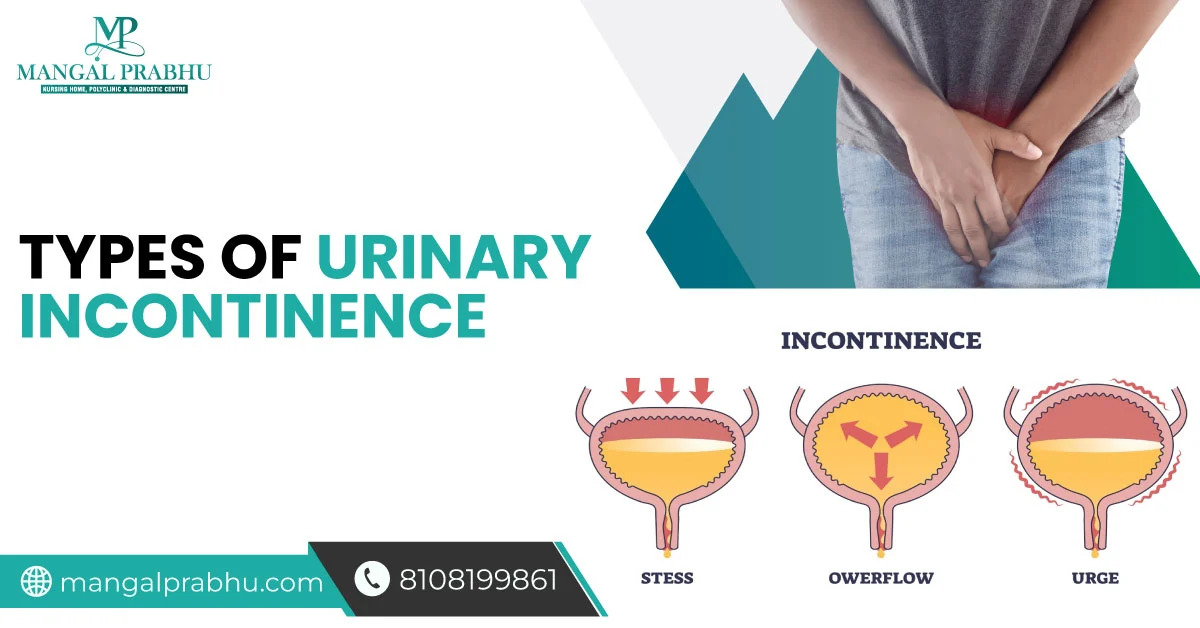
Types of Urinary Incontinence
Urinary incontinence is the unplanned loss of urine from the bladder. Various factors trigger it affecting all people. Expert treatment from a Urologist in Navi Mumbai usually resolves the condition in most cases. This article examines different types of urinary incontinence, their causes, symptoms, diagnosis and individualised treatment strategies that can offer respite from such distressful episodes.
Types of Urinary Incontinence
1) Stress Incontinence
One of the things that lead to stress incontinence is when you get physically involved in things like coughing and sneezing hence exerting force that goes to the bladder resulting in spillage; mainly found in girls.
2) Urge Incontinence
Conversely an urge incontinence condition comes about with a very high urgency followed by leakage, which can be associated with an instance of reflected bladder activity.
3) Overflow Incontinence
Overflow incontinence is the inability to completely empty your bladder during urination due to obstruction of urine passage each time.
4) Functional Incontinence
In the event that you have mobility problems for instance, you may experience what is referred to as functional incontinence mainly because of difficulties reaching the bathroom.
5) Mixed incontinence
A person has characteristics of both stress and urge incontinence. Many women have both types.
Causes, symptoms, and treatment options
Most frequently, stress incontinence results from giving birth or gaining weight leading to weakened pelvic muscles. A person may manifest signs like leaks when exercising or raising an object. Procedures like kegel exercises, pelvic floor physiotherapy, and support devices can ease this condition. People with urge incontinence usually suffer from either cystitis or hyperactive bladders. Signs of this disorder are frequent urgency in washing the vagina.
Behavior changes, medication, and nerve stimulation may help. Overflow incontinence may be due to an enlarged prostate gland in men. Symptoms are frequent dribbling. Treatment focuses on clearing blockages. Functional incontinence requires mobility aids and toileting assistance. Mixed incontinence requires managing multiple symptoms.
Diagnosis
Medical History, Physical Exams
To determine the probable type, the individual’s symptoms and medical history shall be looked at by a urologist in Navi Mumbai. The issues are examined on the bladder, urethra, and pelvic floor muscles.
Diagnostic Test Significance
Tests like bladder diaries, pad tests, and urine tests help clarify the diagnosis by measuring urine loss and checking for infections. Imaging scans show the bladder and organs. Urodynamics assesses bladder function using small tubes. Cystoscopy uses a thin camera to examine the bladder internally. Together these assist accurate diagnosis for correct treatment planning.
Treatment
Behavior Changes Medication, Devices, and Surgery.
Treating incontinence involves a customized plan by a urologist based on type and severity. Simple changes like limiting fluids before bedtime may help, along with pelvic floor exercises. Medications aim to relax or strengthen the bladder. Pessaries and catheters offer containment support. For severe cases, surgery restores bladder support or implants a sling or artificial urinary sphincter.
Customized Treatment Plans
The urologist will monitor the response and adjust treatment, which may involve a combination approach. Some need lifestyle modifications alone, while others benefit from medications, physiotherapy, or minor procedures in Navi Mumbai. Surgery is usually the last option. Following the plan helps manage symptoms long term for improved quality of life.
Conclusion
With the right understanding and treatment from an experienced urologist who do Urinary Incontinence Treatment in Navi Mumbai, incontinence need not control one’s life. Effective management is often possible with lifestyle changes, therapies, and modern options.

What is The Best Treatment for Bladder Leakage?
The feeling of urgency to urinate can be quite embarrassing, especially when you are in a public place. It often occurs in people diagnosed with urinary incontinence, a medical condition that makes it difficult for the patient to hold their urine.
It can be caused by pelvic floor diseases, during pregnancy and childbirth, and due to an enlarged prostate (to name a few). You must see a urologist in Navi Mumbai to pinpoint the exact cause of urinary incontinence and choose a treatment that suits your needs and health.
Causes and Risk Factors of Bladder Leakage
The causes can be temporary, such as pregnancy or a chronic medical condition. Sadly, the symptoms last until the root cause is treated. Here are the short-term and long-term causes of bladder leakage:
- Pregnancy: The weight of the baby plus your uterus pressing your bladder down can make it hard to hold urine, thus causing bladder leakage. The symptoms resolve after delivery.
- Urinary Tract Infection: A UTI is an infection of the bladder and kidneys. Your doctor will prescribe antibacterial medication to treat it.
- Diabetes: Diabetes increases your urine frequency, increasing the risk of bladder leakage.
- Menopause: Your pelvic floor muscles get loose and weak during menopause. This affects your bladder function and can lead to urinary incontinence.
Symptoms of Bladder Leakage
The common symptom of bladder leakage or urinary incontinence is the uncontrollable urge to urinate and the leakage of urine (in small amounts or large volumes). This can be occasional or regular, depending on the cause. You might notice the leakage when coughing, sneezing, laughing, or when you are engaged in physical exercises or sports.
Treatment Options for Bladder Leakage
Treatment for urinary incontinence depends on the underlying cause. Your doctor might recommend a combination of treatments to relieve your symptoms.
1) Lifestyle Changes
Sometimes, incontinence occurs because of certain lifestyle habits. For instance, drinking certain beverages in larger than recommended dosages or taking certain medications can cause bladder leakage. Changing these habits can help relieve your symptoms. Moreover, practicing pelvic floor muscle exercises can strengthen your pelvis and improve bladder function.
2) Medications
Medication helps relax your bladder and improves its ability to hold more urine. It also helps empty your bladder at once, so you need fewer trips to the washroom. Anticholinergics are commonly used to reduce urge incontinence. Other medications that may help are alpha-blockers, topical estrogen, and mirabegron.
3) Surgery
If the noninvasive urinary incontinence treatment in Navi Mumbai fails to deliver results, you might require a surgical procedure. A sling procedure involves placing a mesh under your urethra.
It prevents urine leakage due to stress incontinence. If the incontinence is caused by pelvic organ prolapse, surgery to fix the prolapse plus a sling procedure is required to treat the incontinence.
Conclusion
Urinary incontinence occurs because of an existing medical condition or an underlying issue that makes your bladder too weak to hold urine. Talk to your urologist about different treatment options. They will help you identify the best procedure for urinary incontinence based on the underlying cause and your health.

Understanding Female Urethral Stricture
The urethra is an essential part of the body for passing urine outside. However, sometimes, tranquil flow may obstructed due to sudden blockades or a stricture. Though less common in women, this formidable foe poses a challenge to the natural passage of urine, sending ripples of discomfort and frustration. However, an individual must consider the best urethral stricture treatment in Navi Mumbai from Mangal Prabhu Hospital to quickly get through all the difficulties in urination and other associated complications.
Causes of Female Urethral Stricture
A) Common causes
While childbirth can contribute to female urethral stricture, it’s not the only major cause of urethral stricture in women. Surgeries, infections like UTI, STI, trauma, and even radiation therapy can leave their mark, leading to scar tissue and a narrowed urethra. And unlike men, where strictures are more common, FUS often gets overlooked in women, leaving them suffering in silence. Other causes, including falls, accidents, and other injuries, can damage the delicate tissues of the urethra, laying the groundwork for future stricture development. And for cancer survivors who’ve undergone radiation therapy in the pelvic region, the potential for FUS becomes an additional concern, a hidden consequence of their fight for health.
B) Risk factors
- Previous Urethral Surgery: Past procedures may leave a lasting imprint, predisposing individuals to future strictures.
- Chronic Inflammation or Infection: Those battling recurrent UTIs or chronic inflammatory conditions may find themselves on a collision course with urethral strictures.
Also Read: What Does a Urologist Do?
Symptoms and Diagnosis
a) Signs and symptoms
- Initiating Urinary discomfort and difficulty: Strictures can make it challenging to kickstart urination.
- Stream Struggles: A gentle stream reduced to a mere trickle, a narrowed urethra can disrupt the flow and cause a weak and intermittent urine stream.
- Burning Sensation: an individual may feel the fiery Sensation of passing urine, signalling irritation along the urethral pathway.
- UTIs: Recurring signs of urinary tract infections are often triggered by the stagnation caused by strictures.
- Urinary Retention: Like a clogged drain, complete blockage leads to urinary retention or a harbinger of discomfort.
b) Diagnostic tests and procedures
- Uroflowmetry: it helps in monitoring the rate and volume of urine flow to uncover obstructions.
- Cystoscopy: It helps in diagnosing the depth of the urethral and visualizing strictures and hidden abnormalities.
- Urethral Dilation: A gentle stretch to widen the narrow path to relieve symptoms.
Treatment Options
i) Non-surgical approaches
- Stretching strategies or urethral dilation: A Urologist in Navi Mumbai uses a unique instrument for gradual dilation to clear the path and restore the flow.
- Medication: It helps in fighting inflammation and infections head-on, empowering the body’s defences to ease symptoms.
- Self-Care: It helps empower patients with the skills to navigate the narrow passage, ensuring regular clearance and comfort.
ii) Surgical interventions
Surgical interventions like urethroplasty, urethral stent placement and laser therapy help in removing issues and offering better passage of urine.
Conclusion
Female urethral stricture is a rare yet trouble-making issue; thus, gaining knowledge and consulting with the best doctor may help to eliminate the risk. So, it would be best for an individual to consult the best urologist at Mangal Prabhu Hospital to get the best possible treatment without any hassle.