

How Stones Are Formed In Kidney?
Kidney stones, scientifically known as nephrolithiasis, are a common and painful urological condition. These small, solid, crystalline masses can form in the kidneys, causing immense discomfort and sometimes requiring medical intervention.
Let’s explore the formation of kidney stones, their causes, symptoms, and available treatment options. Here, you can also learn about the preventive measures, and the importance of seeking specialized care, such as Kidney Stone Treatment in Navi Mumbai at a leading healthcare facility for urological concerns.
What is a Kidney Stone?
Kidney stones are hard deposits in the kidneys when certain minerals and salts in the urine bind together. These stones can vary in size, from tiny particles resembling grains of sand to larger, more noticeable masses. Kidney stones can be composed of different substances, with calcium oxalate being the most common.
Causes of Kidney Stones
Understanding the formation of kidney stones begins with recognizing the factors that contribute to their development:
- A diet high in oxalate-rich foods like spinach, beets, nuts, and chocolate can increase the risk of kidney stone formation. Excessive consumption of sodium and animal protein can also be culprits.
- Inadequate fluid intake can lead to concentrated urine, making it easier for minerals to crystallize and form stones.
- Certain conditions like hyperparathyroidism and urinary tract infections can promote stone formation.
- Some medications, such as diuretics and antacids containing calcium, may contribute to kidney stone development.
Symptoms of Kidney Stones
The presence of kidney stones can result in a range of symptoms, including:
- Painful urination.
- Frequent urination in small amounts.
- Blood in the urine.
- Nausea and vomiting.
- Fever and chills.
- Severe pain in the back or side, often radiating to the lower abdomen and groin.
Also Read: Foods To Avoid With Kidney Stones
Treatment Options for Kidney Stones
When addressing kidney stones, prompt and appropriate treatment is essential. Kidney stone treatment at Mangal Prabhu Hospital in Navi Mumbai is offered by specialists who employ advanced techniques to manage this condition effectively.
a) Medication
Medication to relieve pain and facilitate stone passage may be prescribed for smaller stones that can be passed naturally.
b) Extracorporeal Shock Wave Lithotripsy
This non-invasive procedure uses shock waves to break down stones into smaller pieces, making them easier to pass.
c) Ureteroscopy
A thin tube with a camera is inserted into the urinary tract to locate and remove or break up stones.
Prevention of Kidney Stones
Taking steps to prevent kidney stones is crucial, especially if you have a history of stone formation or are at risk due to dietary choices or medical conditions:
- Stay well-hydrated by drinking plenty of water throughout the day to dilute urine and prevent mineral buildup.
- Limit high-oxalate foods, sodium, and animal protein consumption. Increase your intake of citrate-rich foods like citrus fruits.
- If you have a history of kidney stones, regular check-ups with a kidney stone specialist in Navi Mumbai can help monitor your condition and make necessary adjustments to your treatment plan.
Conclusion
Kidney stones are a painful and potentially recurrent condition that can significantly impact one’s quality of life. If you or a loved one is experiencing symptoms of kidney stones, seeking specialized care, like kidney stone treatment at Mangal Prabhu Hospital in Navi Mumbai, can make a significant difference in managing and preventing this condition. Remember that early intervention and preventive measures can help you enjoy a life free from the discomfort of kidney stones.
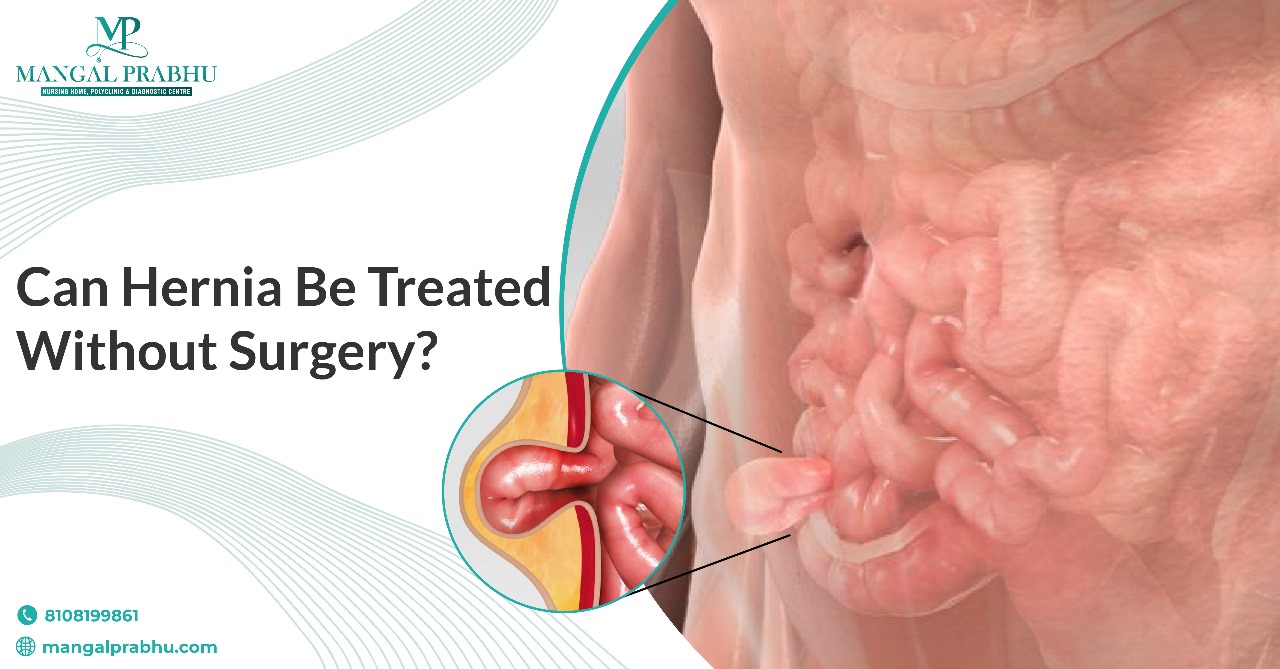
Can Hernia Be Treated Without Surgery?
A hernia is an unusual bulge caused by the organs that push through the weak muscle walls. The bulge is visible when you cough, sneeze, or put any kind of pressure on the affected area. Hernia can occur in the groin area, on your abdomen, and other parts of the body. They can be a birth defect or occur as you age. Hernias are also common in people who have undergone major surgery. Fortunately, hernia treatment in Navi Mumbai is available for those experiencing pain, discomfort, and other symptoms of hernia.
Non-Surgical Treatment Options
Unfortunately, the hernia will require surgery eventually. It doesn’t go away on its own. You can find temporary relief from certain medications, corsets that keep the bulge in place, and mild exercises, but these are only temporary solutions.
1) Medication:
Medication alone can’t help you get rid of a hernia, but it can relieve the symptoms and discomfort. For Hiatal hernia, you can take over-the-counter medication to relieve acid reflux and heartburn. Likewise, painkillers can help relieve pain.
2) Exercise:
If you practice high-intensity exercises or weightlifting, you might have to ask your healthcare provider if that’s safe. Any exercise that puts excess pressure on the bulge can make it worse. Talk to a hernia surgeon in Navi Mumbai and discuss the best exercises to prevent hernia from growing.
3) Dietary Changes:
Hiatal Hernias can cause GERD, heartburn, and many digestive issues. These are often triggered by certain foods that can cause your stomach acid to find its way to your throat. Take note of the foods that trigger these symptoms and focus on a healthy and balanced diet. Try to eat small and frequent meals.
4) Maintain a Healthy Weight:
Being overweight increases your risk of developing or worsening the existing hernia. It’s important to discuss your health goals with a healthcare provider and follow a weight-loss plan to shed those extra pounds.
Pros and Cons of Non-Surgical Treatments
As mentioned previously, hernia cannot be cured nor can it be reduced with manual treatments. You can take some steps to avoid the discomfort, pain, and other symptoms associated with the bulge, but you are eventually going to undergo surgery to have it fixed. The good news is a surgical procedure for hernia is minimally invasive and doesn’t take much time to heal.
You can also consider alternatives to open surgery, like robotic surgery or laparoscopic procedure. That said, not all types of hernias cause symptoms. There’s a chance the condition might go unnoticed and won’t require any repair either. It’s still best to consult your healthcare provider to ensure it won’t cause any complications. Let’s check out the pros and cons of non-surgical hernia treatments.
Advantages
- It can help reduce your hernia symptoms
- The non-invasive procedure doesn’t require any post-operative care
- You can carry out your routine activities
Disadvantages
- High risk of bowel obstruction
- Possibility of strangulation
- Hematoma
- Infections
See a healthcare specialist if you see the signs of hernia. Even if it’s causing any symptoms, it’s best to talk to a professional to rule out the possibility of any complications.
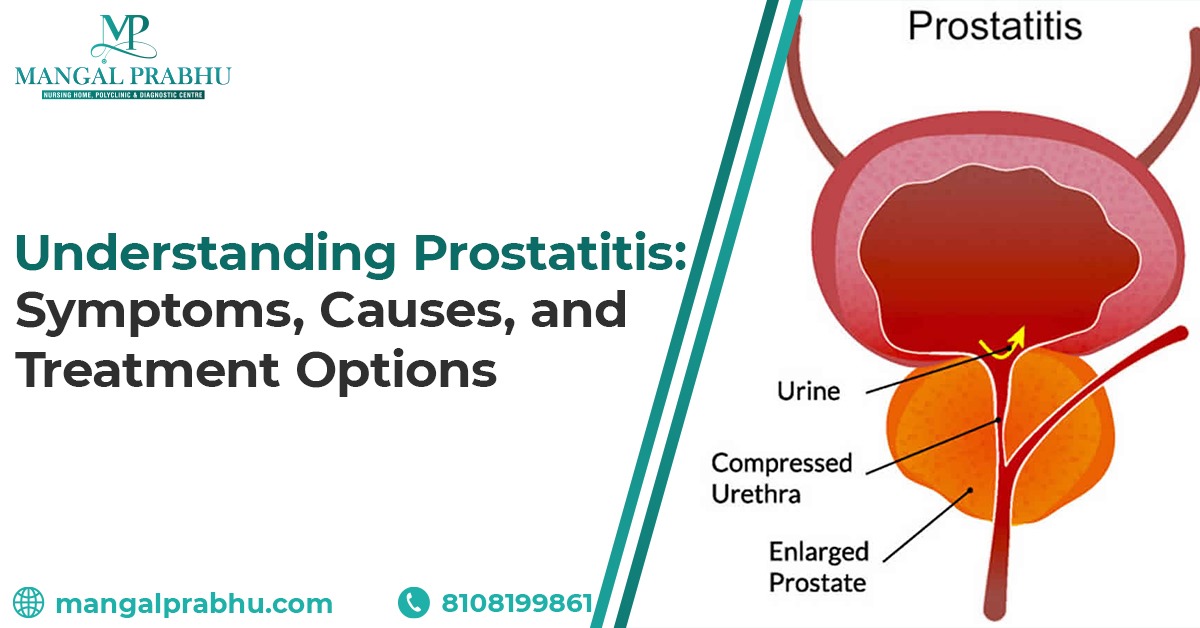
Understanding Prostatitis: Symptoms, Causes, and Treatment Options
Introduction to Prostatitis
Prostatitis is a common condition that affects many men. It refers to the inflammation of the prostate gland. The prostate gland is a small, walnut-sized organ located just below the bladder in men. It plays a crucial role in the reproductive system, producing semen that carries sperm. Prostatitis can cause various symptoms and discomfort. Hence, you should understand its symptoms, causes, and available treatment options. Here, you can learn about the available options for Prostate Infection Treatment in Navi Mumbai.
Symptoms of Prostatitis
Prostatitis can manifest in several ways. Its symptoms can range from mild to severe. Here are some common symptoms associated with prostatitis:
- Patients often experience pain in the lower abdomen. It can be sharp, dull, or throbbing in nature.
- Prostatitis can lead to urinary problems.
- Some men with prostatitis may notice sexual dysfunction.
- In some cases, prostatitis can cause flu-like symptoms.
Causes of Prostatitis
Prostatitis can have various causes, including bacterial infections, nonbacterial causes, and inflammatory conditions. Bacterial prostatitis occurs when bacteria infect the prostate gland, leading to inflammation. On the other hand, nonbacterial prostatitis can result from factors like autoimmune disorders or physical injury to the prostate.
Also Read: When Should I See A Urologist?
Treatment Options for Prostatitis
The treatment for prostatitis largely depends on its underlying cause and severity. Here are some common treatment options that Mangal Prabhu Hospital offers:
- Bacterial prostatitis is typically treated with antibiotics to eliminate the infection.
- For nonbacterial or chronic prostatitis cases, anti-inflammatory medications may help reduce inflammation and alleviate symptoms.
- Over-the-counter pain relievers like ibuprofen or acetaminophen can help manage pain and discomfort associated with prostatitis.
- In some instances, alpha-blockers may be prescribed to relax the muscles in the prostate and bladder, improving urinary symptoms.
- Pelvic floor physical therapy can benefit individuals with chronic prostatitis by targeting muscle tension and improving pelvic floor function.
- Making lifestyle changes such as avoiding spicy foods, caffeine, and alcohol, as well as managing stress.
Prevention Tips for Prostatitis
While not all cases of prostatitis can be prevented, there are steps you can take to reduce your risk:
- Use condoms to reduce the risk of sexually transmitted infections that could lead to prostatitis.
- Drinking plenty of water can help maintain urinary tract health and reduce the risk of infection.
- Eating a balanced diet of fruits, vegetables, and whole grains can support prostate health.
- Staying physically active can help improve circulation and reduce the risk of prostate problems.
- Chronic stress can weaken the immune system, making the body more susceptible to infections. Practice stress-reduction techniques like meditation and yoga.
Conclusion
Prostatitis is a condition that can affect men of all ages, causing discomfort and disrupting daily life. If you experience prostatitis symptoms, seeking medical attention is essential. You can receive comprehensive care and specialized treatment for prostatitis and other urological conditions at Mangal Prabhu Hospital, a renowned healthcare facility with an expert Urologist in Navi Mumbai. Early diagnosis and appropriate treatment can help you manage prostatitis effectively and improve your quality of life. Remember to follow prevention tips and consult a healthcare professional for personalized guidance on prostate health.
How Long Does Chemo Take To Shrink A Tumor?
What is Chemotherapy, and How Does it Work
Chemotherapy is a medical treatment that uses powerful drugs to target and destroy cancer cells. It is a widely used approach in cancer treatment, either as a standalone therapy or combined with other treatments such as surgery or radiation therapy. Chemotherapy works by interfering with the growth and division of cancer cells, ultimately leading to their death. Visit an Oncologist in Navi Mumbai at Mangal Prabhu Hospital to learn more about chemotherapy treatment and its need.
Factors that Affect How Long Chemotherapy Takes
The duration it takes for chemotherapy to shrink a tumor can vary widely from person to person and depends on several factors:
i) Type of Tumor
The type of cancer and its aggressiveness play a significant role in determining how long chemotherapy will take to shrink a tumor. Some cancers respond more rapidly to chemotherapy than others.
ii) Size of Tumor
Larger tumors may require more time to respond to chemotherapy and show noticeable shrinkage. Smaller tumors may respond more quickly.
iii) Location of Tumor
The tumor’s location within the body can influence the time it takes for chemotherapy to have an effect. Tumors in easily accessible areas may respond more rapidly than those in challenging locations.
iv) Patient Health
A patient’s overall health and immune system strength can impact their response to chemotherapy. Patients in better health may tolerate and respond to treatment more effectively.
Treatment Options for Shrinking Tumors
Chemotherapy is just one of the treatment options available for shrinking tumors. The choice of treatment depends on the type and stage of cancer. Here are some common treatment options:
- Surgical removal of the tumor is often the first choice for solid tumors that are localized and haven’t spread. In some cases, surgery may be followed by chemotherapy to eliminate any remaining cancer cells.
- Radiation therapy uses high-energy rays to target and shrink tumors. Depending on the cancer type, it may be used with chemotherapy or as a standalone treatment.
- Immunotherapy enhances the body’s immune system to recognize and attack cancer cells. It has shown promising results in treating certain types of cancer.
Challenges Associated with Chemotherapy
While chemotherapy is a valuable tool in cancer treatment, it comes with challenges and potential side effects, including:
- Chemotherapy can cause various side effects.
- Some tumors may become resistant to chemotherapy over time, making it less effective.
- Chemotherapy is often administered in cycles, with rest periods in between. The overall duration of treatment can vary, ranging from a few weeks to several months or more.
Conclusion
The duration it takes for chemotherapy to shrink a tumor can vary based on several factors, including the type of tumor, its size, location, and the patient’s overall health. Chemotherapy is just one of the many treatment options available. Hence, you should choose the treatment after consulting with an oncologist specializing in cancer care.
At Mangal Prabhu Hospital, a leading Chemotherapy Center in Navi Mumbai, experienced oncologists work closely with patients to develop personalized treatment plans. Whether it’s chemotherapy, surgery, radiation therapy, or a combination of treatments, the goal is to provide the most effective and comprehensive care to combat cancer.

Is Walking Good For Torn Ligaments?
Torn ligaments can be a painful and debilitating injury, often raising questions about appropriate activities during the healing process. This article will explore the nature of torn ligaments, their symptoms, diagnosis, and whether walking is a suitable exercise during recovery. Here, you can also learn about the Mangal Prabhu Hospital. It is a trusted healthcare facility with an experienced Knee Replacement Surgeon in Navi Mumbai.
What are Torn Ligaments?
Ligaments are strong, fibrous bands of tissue that connect bones. They also provide stability to joints. When subjected to excessive force or trauma, these ligaments can tear. Hence, it results in a condition known as a torn ligament. This injury most commonly occurs in joints like the knees and ankles.
What are the Symptoms of Torn Ligaments?
Torn ligaments typically present with a set of distinct symptoms, including:
- Pain and Tenderness
- Swelling and Bruising
- Limited Range of Motion
- Joint Instability
- Popping or Snapping Sensation
How to Diagnose Torn Ligaments?
Accurate diagnosis of torn ligaments is crucial for determining the appropriate course of treatment. A healthcare professional will typically use a combination of methods, including:
i) Physical Examination:
The healthcare provider will examine the injured area, looking for signs of swelling, tenderness, and joint stability.
ii) Imaging Tests:
X-rays or MRI scans may be ordered to assess the extent of the ligament injury and rule out any accompanying bone damage.
iii) Medical History:
A detailed discussion of the injury, including how it occurred and the progression of symptoms, is essential for diagnosis.
Also Read: Is Orthopedic Surgery Worth It?
Is Walking Good For Torn Ligaments?
Walking can be a beneficial activity during the recovery from torn ligaments. But you should approach it with caution and under the guidance of a healthcare professional. In many cases, initial treatment may involve rest and immobilization. However, controlled and gentle walking exercises may be introduced as part of a rehabilitation program as healing progresses.
Walking can help maintain joint mobility, prevent muscle atrophy, and improve blood circulation, all supporting healing. Following a structured rehabilitation program prescribed by a medical professional is crucial. Attempting to resume normal walking too soon or overexerting oneself can delay healing or lead to further injury.
Other Exercises That Can Help Reduce Pain and Heal Torn Ligaments
In addition to walking, various exercises can aid in reducing pain and promoting the healing of torn ligaments. These exercises may include:
- Range of Motion Exercises.
- Strengthening Exercises.
- Balance and Stability Exercises.
- Low-impact activities such as swimming or stationary cycling can improve cardiovascular fitness without placing excessive stress on the injured ligament.
Conclusion
Walking can be beneficial during the recovery from torn ligaments, provided it is done cautiously and under professional guidance. Initial treatment often involves rest, but a structured rehabilitation program may incorporate walking and other exercises as healing progresses.
If you have suffered a ligament injury or require expert guidance on your recovery, consult knee replacement surgeons at Mangal Prabhu Hospital, a leading Knee Replacement Hospital in Navi Mumbai. Remember that patience, adherence to the prescribed treatment plan, and avoiding activities that could hinder healing are key to a successful recovery.
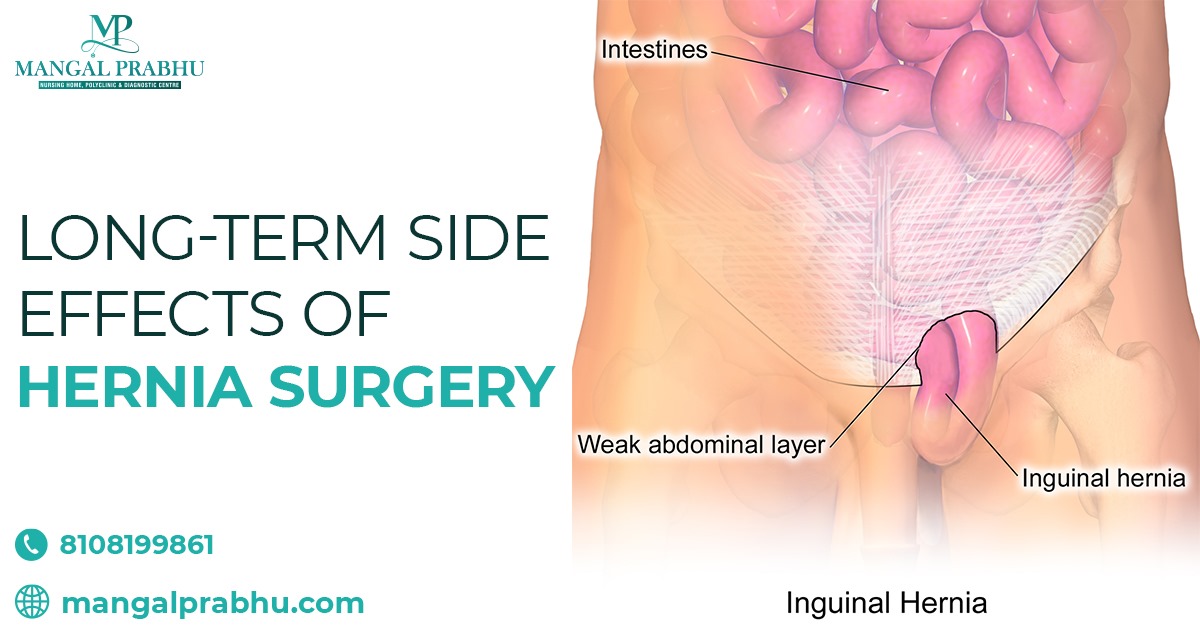
Long-term Side Effects Of Hernia Surgery
Hernia surgery is a common procedure that millions of people undergo each year to repair weakened or torn abdominal muscles. While the surgery is generally safe and effective, it’s essential to be aware of potential long-term side effects that can occur after the procedure. In this article, you can explore the long-term side effects of hernia surgery and strategies for managing them.
Overview of Hernia Surgery
Hernias occur when internal organs or tissues push through weakened or torn muscles, creating a noticeable bulge or lump. Surgery is often recommended to repair the hernia and prevent complications. At Mangal Prabhu Hospital, where you can find the experienced Hernia Surgeon in Navi Mumbai, patients receive comprehensive care and advanced surgical techniques to ensure successful hernia repair.
Short-term Side Effects of Hernia Surgery
Before delving into long-term side effects, it’s important to briefly mention the short-term side effects that patients may experience immediately after hernia surgery. These can include:
- It is normal to experience pain, swelling, and bruising around the surgical site. This discomfort usually subsides in the days and weeks following the surgery.
- Anesthesia and pain medications can cause temporary nausea and vomiting after surgery.
- Patients may need to restrict physical activity and avoid heavy lifting for a certain period to allow the surgical site to heal properly.
Long-term Side Effects of Hernia Surgery
While hernia surgery is generally successful in repairing the hernia, there are some potential long-term side effects that patients should be aware of:
- Some individuals may experience chronic pain or discomfort at the surgical site, known as chronic post-herniorrhaphy pain. This condition can persist for months or even years after the surgery.
- Although hernia surgery is intended to provide a permanent solution, there is a small risk of hernia recurrence. It can happen if the repaired tissues weaken or tear again over time.
- It’s common to experience numbness or altered sensation around the surgical scar. It usually improves over time but may not completely resolve in some cases.
- In rare instances, hernia surgery can lead to scar tissue formation that causes bowel obstruction. Symptoms may include abdominal pain, bloating, and constipation.
Strategies for Managing Post-Surgery Side Effects
If you experience long-term side effects following hernia surgery, here are some strategies to manage them effectively:
- Consult your healthcare provider for pain management options, including physical therapy, medications, or nerve blocks.
- Follow your surgeon’s post-operative instructions diligently, including avoiding heavy lifting and maintaining a healthy lifestyle to reduce the risk of hernia recurrence.
- Gentle massage and moisturizing of the surgical scar can help improve its appearance and reduce sensation changes.
- Schedule regular follow-up appointments with your hernia surgeon to monitor your recovery and address any concerns promptly.
Conclusion
Hernia surgery is a valuable procedure that can relieve and prevent hernia complications. While potential long-term side effects, such as chronic pain or recurrence, are relatively rare. Most patients experience successful outcomes. If you require Hernia Treatment in Navi Mumbai, Mangal Prabhu Hospital is home to experienced hernia surgeons who can provide comprehensive care and guidance throughout your surgical journey. Open communication with your healthcare provider is key to managing any post-surgery side effects and ensuring a successful recovery.

Normal Delivery Vs Cesarean Delivery, Which Is Better?
Childbirth is a life-altering experience for women. Regarding childbirth, doctors perform two primary methods: normal and cesarean. Both have advantages and disadvantages, and their choice often depends on various factors. In this article, with the guidance of a trusted Obstetrician in Navi Mumbai at Mangal Prabhu Hospital, you can learn the difference between these delivery procedures. You can also define and explore normal and cesarean deliveries’ benefits and health risks.
Definition of Normal Delivery vs. Cesarean Delivery
Normal Delivery
Normal delivery is also known as vaginal birth. It is the most natural way of bringing a baby into the world. It involves the baby passing through the birth canal, typically headfirst. Normal delivery can occur without medical interventions, but pain relief methods or assistance may sometimes be used.
Cesarean Delivery
It is often called a C-section. It is a surgical procedure where the baby is delivered through an incision in the mother’s abdomen and uterus. Doctors typically use it when complications or risks are associated with a vaginal birth.
Benefits of Normal Delivery:
- Mothers who deliver vaginally recover quicker than those who undergo C-sections. They can often resume their regular activities sooner.
- Since no abdominal surgery is involved, the infection risk is lower with normal delivery.
- Vaginal births often facilitate immediate skin-to-skin contact and bonding with the baby, making breastfeeding initiation easier.
Benefits of Cesarean Delivery:
- Cesarean deliveries are typically scheduled or planned, providing a controlled environment for the birth, which can be beneficial in certain medical situations.
- C-sections can reduce the risk of birth injuries, especially when the baby is in an abnormal position or size.
- Some women may prefer C-sections to avoid the potential pain and trauma associated with vaginal delivery.
Also Read: What Are The Side Effects Of A C-section Delivery?
Health Risks Associated with Normal Delivery:
- Vaginal births can result in perineal tears, which may require stitches and lead to discomfort during recovery.
- There is a risk of pelvic organ prolapse, where the pelvic organs shift from their normal position, causing discomfort and requiring further medical attention.
- Some women may experience urinary or fecal incontinence due to the strain placed on the pelvic floor during vaginal birth.
Health Risks Associated with Cesarean Delivery:
- C-sections involve surgery, which comes with inherent risks such as infection, bleeding, and anesthesia-related complications.
- Mothers who undergo C-sections have a more extended recovery period and may experience pain and discomfort at the incision site.
- Immediate skin-to-skin contact and bonding with the baby can be delayed in C-sections due to the surgical procedure.
Conclusion
Both normal and cesarean delivery have advantages and disadvantages. Their choice should be based on individual circumstances, including medical conditions, risks, and the mother’s and healthcare provider’s preferences. Expectant mothers must have open and thorough discussions with their obstetricians, such as those at Mangal Prabhu Hospital, a trusted maternity/pregnancy hospital in Navi Mumbai, to make the most informed decision.
Ultimately, there is no one-size-fits-all answer to whether normal or cesarean delivery is better. The well-being of both the mother and the baby should be the primary consideration, and the chosen delivery method should align with their unique needs and circumstances.
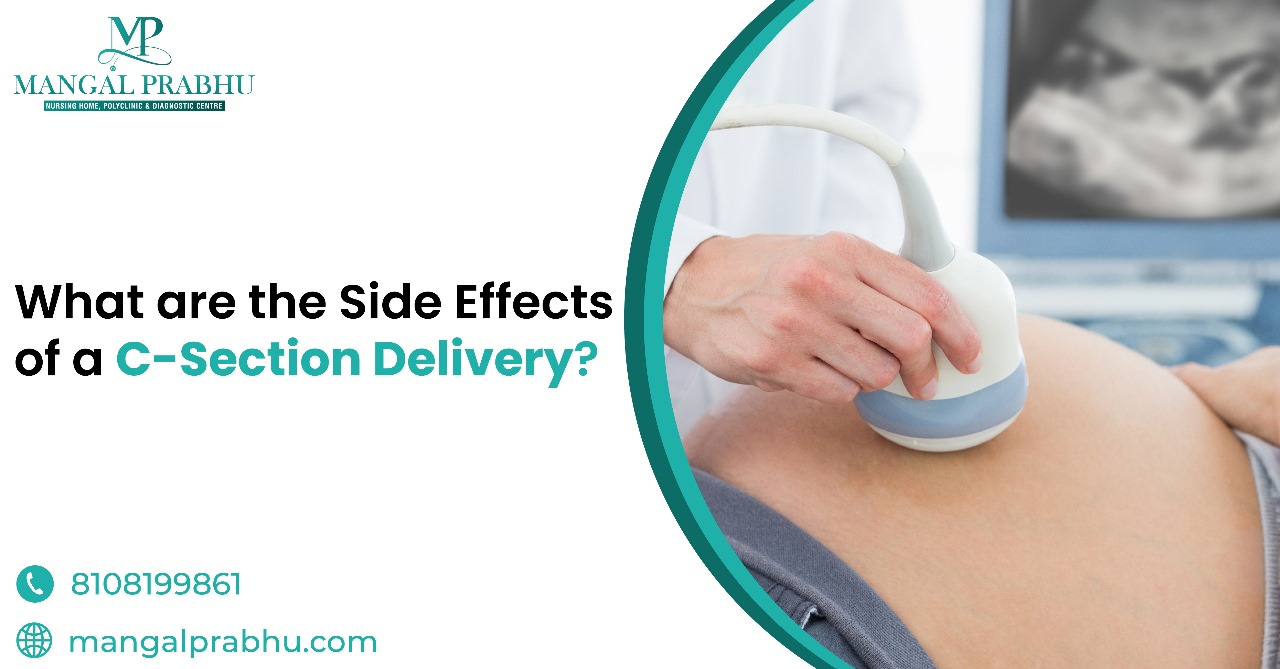
What Are The Side Effects Of A C-section Delivery?
C-section or Cesarean delivery is the birth of a baby through a surgical incision on the mother’s abdomen instead of delivering it through the vagina. You must need to visit a professional surgeon at a cesarean delivery hospital in Navi Mumbai to determine whether or not you are an ideal candidate for a vaginal delivery.
You might need a c-section if your baby’s heartbeat seems to be getting abnormal, your labor isn’t progressing, you have twins, a blockage in the birth canal, a prolapsed umbilical cord, etc. Women who had their first child delivered through C-section might be advised to have their future deliveries through an abdominal incision.
Short-Term Side Effects
Like any surgery, a C-section comes with its share of risks, including pain and discomfort for a few days following the surgery. It also leads to the risk of infection around the incision site. Infections occur when the bacteria spread inside the uterus.
If you notice unusual swelling, redness, and bleeding at the site of incision and excessive pain that won’t go away on its own, visit the pregnancy care hospital in Navi Mumbai to rule out the possibility of infection. High fever, fatigue, and a foul-smelling discharge are also common signs of bacterial infection.
Also Read: Understanding Vaginal Birth After Cesarean (VBAC)
Long-Term Side Effects
There can be long-term side-effects of c-section, such as blood clot formation in your veins or a surgical injury that can damage your bladder or bowel. Let’s check out a few common adverse effects of the C-section.
1. Reaction to Anesthesia:
Depending on the type of anesthesia given, you might experience a sore throat, nausea, vomiting, fever, and other complications.
2. Injury from the Surgery:
It’s a rare complication of a C-section delivery but is possible. A surgical injury can occur to the bladder, bowel, and other surrounding organs. It can also cause injury to the baby.
3. Complicated Future Pregnancies:
C-section increases the risk of complications in future pregnancies. Although it’s possible to deliver a child normally after one c-section, most doctors recommend c-sections for future deliveries. Frequent cesarean deliveries can also cause placenta accreta, placenta previa, and other such complications.
What Does Recovery from C-section Look Like?
Recovery might take anywhere between 4 and 6 weeks after the surgery, and longer depending on the complications in your pregnancy. You will be advised to avoid strenuous activities, heavy lifting, and physical exercises for the first few weeks.
You might experience slight cramping and bleeding from the incision site, but all these side effects are temporary and will eventually fade once you have recovered fully. You will be given painkillers for the first few days. You must refrain from having intercourse for a few weeks or until your surgeon gives you the green light.
Conclusion
If there are any complications in your pregnancy or there’s a risk to the baby or the mother’s health, the doctor might recommend an emergency c-section. This can produce the above-listed symptoms, although not everyone experiences complications. Ask your surgeon for more information about full recovery and post-partum care.

How Do A Woman Get An Urinary Tract Infection?
UTI is a common issue that can obstruct the overall body functioning of a woman. It can lead to numerous health conditions which can make the life of women challenging. However, it would be best to consult the experts from Mangal Prabhu Hospital, who have the best Urologist in Navi Mumbai. They offer the best treatment plan according to an individual’s needs and preferences.
Common Causes of UTI in Women
Women have to suffer from numerous health conditions in their lives more than men. One of the most common health conditions most women experience once in their life is Urinary Tract Infection. Urinary tract infections can be caused for various reasons, but one of the most common causes is bacteria entering the body through the urethra.
Bacteria enter the different parts of the urinary tract through the tube that carries urine from the bladder. The bacteria can also enter the body from the skin around the urethra or through the bloodstream. However, some of the most common causes of UTI in women are:
- Menopause
- Hormonal imbalance
- Anatomical factors
- Immunocompromised status
- Improper sexual activity
- Urinary tract obstruction
- Diabetes
Symptoms of UTI in Women
Some other symptoms demonstrate that you have a UTI. So let’s see the most common symptoms of UTI in women.
- Burning sensation or pain during or after peeing
- Lower back pain
- Urgent need to pee
- Cloudy or bad-smelling urine
- Pus or blood in the urine
- Craps, soreness, or pressure in the lower abdomen, back, or sides
- Chills
- Fever
- Fatigue
- Nausea and vomiting
Also Read: How To Recognize, Treat, And Prevent Urinary Tract Infections (UTI’s)?
Diagnosis and Treatment of UTI in Women
Mangal Prabhu Hospital is well-known as the best Urology Hospital in Navi Mumbai. They offer comprehensive treatment plans and diagnoses to treat urinary tract infections. Doctors usually diagnose UTIs according to the severity and symptoms of the condition. However, the best urologist recommends a urine test and performs a physical exam to check the presence of bacteria in the urinary tract area.
UTI can be treated very quickly with the antibiotics prescribed by doctors. However, the dosage and the type of medication also depend on the type of bacteria. Besides medication, a patient has to follow some prevention tips to get through the UTI.
Prevention of UTI in Women
UTI is a critical condition that can get back if one does not care for their health. However, there are various things that every woman should consider to prevent UTIs and other infections.
- Drink a lot of water
- Get proper diet
- Get regular workout
- Avoid holding pee
- Pee regularly
- Wipe the genital area from front to back
- Pee every time before and after sex
- Wear loose and breathable clothing
- Avoid using scented products
Conclusion: How to reduce the risk of UTI in Women
UTI is a critical bacterial infection that occurs in the urinary tract region, including the bladder, ureters, kidney, and urethra. It can easily be treated but also come back if one does not properly care for the genital area. However, the tips mentioned above are clinically proven to prevent the risk of developing UTI and help to keep the urinary tract area healthy and safe.

Symptoms Of Blood Cancer In Females
People with blood cancer usually experience symptoms very slowly, but it can spread in the body very quickly. However, if you encounter any sign of blood cancer, it would be best to acquire expert consultation from Mangal Prabhu Hospital, as they have the best hematologist in Navi Mumbai.
Definition of Blood Cancer
Blood cancer is a critical and life-threatening health-related issue that is often challenging to diagnose during the early stage. Blood cancer is a dangerous issue that involves the production of cancer-causing blood cells. The cancer-causing blood cells attack the healthy blood cells and interfere with the functioning of blood cells. Blood cancer can be categorized into various types.
Symptoms of Blood Cancer in Females
Symptoms of blood cancer are difficult to diagnose during its early stage, but some of the common symptoms of blood cancer in females are:
- Fever
- Pale skin fatigue
- Weight loss
- Easy bleeding or bruising
- Swollen lymph nodes
- Pain
- Frequent infection
However, symptoms of blood cancer in females may differ according to the different types. So let’s discuss the different types of blood cancer in females with its possible signs.
Signs of Leukemia
Leukemia is a common type of blood cancer that attacks white blood cells so they cannot fight against infection. Some of the signs of leukemia in females are:
- Easy nosebleeds
- Petechiae
- Dark urine
- Gum bleeding
- Jaundice
- Hepatomegaly
- Splenomegaly
Signs of Lymphoma
Lymphoma is when an abnormal cell attacks the lymph nodes so the body cannot fight potential infection again.
- Shortness of breath
- Fever
- Swollen lymph nodes
- Skin rash
- Cough
- Fatigue
- Unexplained weight loss
Signs of Myeloma
In myeloma, the blood cells affect plasma cells, so the body cannot produce antibodies. Some of the signs of myeloma in females are:
- Anemia
- Bone pain
- Infection
- Kidney issue
- Tingling or numbness
- Fatigue
- Weight loss
Diagnosis and Treatment
Mangal Prabhu is the best blood cancer hospital in Navi Mumbai that offers the best treatment plan and diagnoses the issue through a combination of tests. So, let’s see the variety of tests and treatment options for blood cancer.
Also Read: The Pros And Cons Of Chemotherapy: Is It Right For You?
Diagnosing Blood Cancer
- MRI
- CT scan
- Blood tests
- Bone marrow biopsy
Treatment Options
- Stem cell transplant
- Chemotherapy
- Radiation therapy
Coping with Blood Cancer
The treatment and diagnosis of blood cancer depends on the type and severity of the cancer. An individual has to take good care of their body besides having treatment. Patients require proper care and physical and emotional support from their friends and family to cope with blood cancer.
Managing Symptoms
Some of the ways to manage blood cancer symptoms are:
- Exercise
- Stay hydrated
- Eat healthy food and take proper rest
- Manage emotions
- Meditate and Yoga
Support Resources
Some support resources you can consider during treatment are:
- Joining a support group
- Talk to a therapist or take counseling
- Take care of mental and physical health
- Use relaxation techniques
Conclusion
Blood cancer is a severe condition, and its diagnosis is difficult. However, it would be best to consult the best hematologist when you experience any sign of blood cancer to get better treatment. When you opt for early diagnosis, it will help you to get through the blood cancer quickly and efficiently.