

What Can Cause Miscarriage in Early Pregnancy?
Definition of Miscarriage:
It refers to the loss of a pregnancy before the 20th week. It can be a challenging and emotionally taxing experience for couples hoping to start or expand their families. Seeking support from a specialized Pregnancy Care Hospital in Navi Mumbai, such as Mangal Prabhu Hospital, becomes crucial during such delicate times. The compassionate care and guidance provided by experienced professionals in these dedicated healthcare facilities can aid couples in navigating the emotional and physical aspects of miscarriage.
What Causes Miscarriage in Early Pregnancy
A) Genetic Abnormalities:
The majority of early pregnancy miscarriages are attributed to genetic abnormalities in the developing embryo or fetus. These abnormalities disrupt the normal progression of pregnancy, hindering its viability.
B) Hormonal Imbalances:
Maintaining a healthy pregnancy relies on intricate hormonal balance. Disruptions in these hormonal levels can impede the normal development of the embryo, increasing the risk of miscarriage.
C) Infections:
Certain infections, whether bacterial or viral, directly threaten the developing fetus. It can compromise fetal health and contribute to the occurrence of miscarriage.
D) Structural Abnormalities:
Issues within the uterus or cervix’s structure can disrupt the embryo’s proper development. Structural abnormalities create challenges for the embryo to implant and thrive, potentially leading to miscarriage.
Also Read: A Guide To Having A Healthy Pregnancy: Essential Antenatal Advice For Mothers
Risk Factors
- Age: Advanced maternal age, especially over 35, increases the risk of miscarriage. Similarly, very young maternal age can also be a factor.
- Health Conditions: Pre-existing health conditions like diabetes, autoimmune disorders, or thyroid problems may elevate the risk.
- Use of Drugs or Alcohol: Substance abuse, including the use of tobacco, alcohol, or illicit drugs, can significantly increase the likelihood of miscarriage.
- Exposure to Certain Environmental Factors: Prolonged exposure to environmental hazards, such as radiation or toxic chemicals, may contribute to miscarriage.
Signs and Symptoms
1) Vaginal Bleeding:
One of the most common signs of a miscarriage is vaginal bleeding. While not all bleeding leads to a miscarriage, it is a concerning symptom that requires immediate medical attention.
2) Abdominal Pain:
Persistent abdominal pain, especially if accompanied by cramping, may indicate a potential miscarriage.
3) Back Pain:
Back pain, particularly in the lower back, can be a symptom of miscarriage. It is essential to consult with an obstetrician in Navi Mumbai, such as those at Mangal Prabhu Hospital, if experiencing such symptoms.
Prevention
i) Healthy Habits:
Adopting a healthy lifestyle, including a balanced diet, regular exercise, and avoiding harmful substances, can contribute to a healthier pregnancy.
ii) Regular Prenatal Care:
Early and consistent prenatal care is crucial for monitoring the health of both the mother and the developing fetus. Visiting a pregnancy care hospital, like Mangal Prabhu Hospital, ensures proper guidance and monitoring.
Conclusion
While not all miscarriages can be prevented, understanding the causes, risk factors, and signs can empower expectant parents to make informed decisions and seek timely medical attention. Consulting with a knowledgeable obstetrician in Navi Mumbai and prioritizing regular prenatal care are essential steps toward promoting a healthy and successful pregnancy journey. Miscarriage is a complex and emotionally sensitive topic, and support from healthcare professionals and loved ones plays a pivotal role in navigating through such challenging times.
How is Pneumonia Treated?
Pneumonia is the infection and inflammation of the lungs that can cause fever, cough, and mucus that could be yellow or bloody. Pneumonia can be caused by a viral or bacterial infection and can affect one or both lungs. It’s important to see a general physician in Navi Mumbai if you have trouble breathing and excess cough with fever. Pneumonia can spread through contact with the infected person or inhaling the infected air.
Symptoms of Pneumonia
Symptoms of pneumonia may vary from person to person. It can be different for adults and kids. The symptoms can appear suddenly or might develop gradually and worsen over time. Here’s what you might experience if you have contracted pneumonia.
- High fever
- Rapid and trouble breathing
- Chest pain from constant coughing
- Loss of appetite
- Shortness of breath
- A blue tint on lips and skin
- Extreme fatigue
- Confusion
Viral pneumonia can produce other symptoms, including dry cough and weakness. The symptoms can be different in kids. They might have trouble and noisy breathing with chills and fever.
Treatment of Pneumonia
For diagnosis, your doctor may conduct a physical exam where they check your breathing. They will conduct additional tests, including X-rays and blood tests to confirm the diagnosis. They will check how well your lungs are functioning and the amount of fluid inside each lung. Here’s how it’s treated.
- Antibiotics: Pneumonia can be caused by viral or bacterial infection. The latter produces more complicated symptoms and is more difficult to treat than a viral infection, which may sometimes resolve on its own. If it’s a bacterial infection, your healthcare provider may prescribe you antibiotics.
- Over-the-counter medications: You can get relief from the symptoms, such as high fever and constant coughing from over-the-counter medication.
- Bed Rest: Your doctor will advise you to take ample rest to keep the symptoms at bay. You must use a humidifier and drink enough fluids to prevent dehydration.
Also Read: Signs And Symptoms Of Asthma
How to Prevent Pneumonia?
Certain prevention tips can help protect you from catching pneumonia in the first place. Here’s what can help you prevent it.
1) Vaccines
Getting vaccinated for pneumococcal bacteria can help keep you from pneumonia, although vaccination alone doesn’t guarantee protection from pneumonia caused by different viruses and bacteria. Vaccination does help prevent the condition from getting worse, though.
2) Good Hygiene Practices
A few healthy habits and some changes in your lifestyle can help reduce your risk of catching pneumonia. Here’s what can help.
- Quit smoking
- Avoid touching your face with your hands, especially without sanitizing. Wash your hands before eating and drinking
- Avoid physical contact with people with severe cough, fever, and other symptoms of pneumonia.
- Eat a balanced diet with green leafy vegetables, fruits, and other healthy foods.
- Exercise regularly and get ample rest
- Get immediate treatment for any infection, as that increases the risk of contracting pneumonia
- Quit alcohol
Conclusion
Pneumonia can cause symptoms that are often confused with a regular cold and flu. However, if you notice anything unusual, such as cough and bloody mucus, get immediate pneumonia treatment in Navi Mumbai.

How to Diagnose Appendicitis?
The appendix is a small tube-like organ attached to your large intestine. It doesn’t perform any critical function but can get clogged or inflamed. Appendicitis is a serious condition that requires immediate treatment, preferably surgery. Appendicitis treatment in Navi Mumbai is for patients with severe abdominal pain in the lower abdomen. The condition can lead to a swollen appendix, which might eventually burst and become a life-threatening condition.
Causes and Symptoms of Appendicitis
Appendicitis occurs because of the bacterial overgrowth in the appendix. The bacteria from your large intestine can travel to the appendix, infect it, and clog the tube. Here are the symptoms of appendicitis:
- Abdominal pain around the belly button accompanied by nausea and vomiting
- Pain that’s persistent and keeps worsening
- Fever
- Bloated abdomen
- Frequent urination
- Diarrhea
If left untreated for a long time, your appendix can burst and the infection can spread throughout your body.
Diagnosing Appendicitis
The most common sign of appendicitis is pain in the abdomen, which shifts toward your appendix (lower part). Your healthcare provider will ask about your history of symptoms and run a few tests to diagnose appendicitis.
A) Physical Exam
Physical exam, i.e. putting pressure on the abdomen will worsen your pain. This happens because of the inflamed peritoneum. A digital rectal exam is another procedure that helps your doctor identify an inflamed appendix.
B) Imaging Tests
Imaging tests, like abdominal ultrasound and an X-ray, can help diagnose appendicitis easily. They will conduct further imaging tests, like a CT scan or an MRI, for a more accurate diagnosis. If the symptoms are confusing, imaging tests are used to identify the cause of pain.
C) Blood Tests
Blood tests help diagnose an infection in your body by checking the white blood cell count. The increased number of white blood cells indicates an active infection in your body.
In addition to these tests, the doctor will order a urinalysis to rule out the possibility of an infection of the bladder, urethra, and kidneys. These conditions can produce a similar range of symptoms. Likewise, the doctor will recommend a pregnancy test for women of their childbearing age.
Also Read: How to Reduce Appendix Pain?
Treatment of Appendicitis
The doctor for appendicitis surgery in Navi Mumbai will recommend an invasive surgical procedure to remove the inflamed appendix. That’s the only treatment for appendicitis. But before that, they will prescribe antibiotics to reduce infection. They will also conduct the above-listed imaging tests to evaluate the severity of the infection.
i) Medication
Appendicitis can be treated with antibiotics, but it’s unlikely that it will resolve with the medication alone. Your healthcare provider might recommend medication to treat the infection before they perform surgery. Note that appendicitis doesn’t resolve on its own. It will most likely return if the appendix is left intact and the pain and symptoms are resolved with medication.
ii) Surgery
Appendectomy is a surgical procedure used to remove the appendix either through an open surgery or a laparoscopic procedure. If you have had a laparoscopic procedure, you will recover faster and get discharged within a day or two.
Conclusion
In conclusion, it is critical to identify the signs of appendicitis and seek immediate medical assistance. To precisely diagnose the ailment, the diagnostic process includes physical examinations, imaging studies, and blood testing. Antibiotics can be helpful, but surgery is the best course of action; open or laparoscopic operations are two alternatives. Prompt intervention is essential to avoid complications, and following the prescribed treatment regimen guarantees a full recovery and return to health.

What Does a Urologist Do?
What is a Urologist?
A urologist is a healthcare professional specializing in the urinary tract system of men, women, and children. They also treat conditions related to reproductive health, such as the inability to keep and maintain an erection. Your reproductive organs and the urinary tract are located close to each other and are thus linked to the urinary system. Your urinary tract includes the parts that are responsible for eliminating waste from your body. This includes your kidneys, bladder, urethra, and ureters. Here’s all you should know about a urologist in Navi Mumbai and their role.
What Conditions Do Urologists Treat?
In the ancient period, patients were recommended a urine test to determine the cause of the issue in the urinary tract. The treatment was planned based on these reports. Today, urology has become a different field of medicine, which comprises several testing procedures and treatment options. The main role of a urologist is to identify and treat conditions related to your urinary tract, including common and rare diseases. Here’s what they treat:
- Urinary incontinence (inability to hold pee or sudden urge to urinate)
- Enlarged prostate
- UTIs (urinary tract infection)
- Cloudy urine, blood in the urine, and pain during urination
- Erectile dysfunction
- Kidney stones
- Cancer of the urinary tract system (bladder cancer, kidney cancer, or cancer in any part of your urinary system)
Urologists may or may not practice surgeries, but they are all trained to perform surgeries as and when needed. Their area of specialization includes kidney transplantation, male infertility, oncology, pediatric urology, and so on.
Also Read: How Stones Are Formed In Kidney?
Diagnosis and Treatment Methods
Depending on your symptoms, the urologist might conduct a physical examination or recommend other tests to diagnose the underlying cause of the disease. Here are a few common tests a urologist recommends.
A) Physical Examination:
The urologist performs a physical examination, which might vary for men and women. For men, the urologist conducts a rectal exam, and for women, a pelvic test.
B) Urinalysis:
The doctor will collect your urine or semen sample to diagnose infections and other medical illnesses.
C) Imaging Tests:
Based on your symptoms, the doctor will order CT scans, ultrasound, or an MRI for a proper diagnosis. Cystoscopy is another common procedure that’s used to diagnose the enlarged prostate and other urology issues.
Treatment depends on the diagnosis. The urologist can perform nephrectomy (kidney removal), prostate biopsy, vasectomy, and so on.
Benefits of Seeing a Urologist
Visiting a urology hospital in Navi Mumbai can help you treat infections and other urinary tract issues before it advances. Certain conditions like frequent UTIs need proper treatment. The same goes for chronic health issues, like cancer of the urinary tract system or enlarged prostate.
Your doctor may not necessarily recommend an invasive procedure unless it’s a serious issue. Medication, physical therapies, and lifestyle changes are often enough to treat general urology issues.
Conclusion
If you notice any unusual symptoms related to your urinary tract system, see a urologist immediately. They will recommend the tests to diagnose the problem and recommend a suitable treatment based on your age, health condition, and goals.

Protecting Your Child from Common Childhood Diseases: A Parent’s Guide
Introduction
In today’s time ensuring the health and well-being of children is difficult. Thus, individuals must consult with Mangal Prabhu Children Hospital in Navi Mumbai for their world-class childcare services. However, this guide aims to provide essential information on identifying, preventing, and managing these illnesses to promote a healthy upbringing for your little one.
What are the Common Childhood Diseases?
1) Chickenpox (Varicella):
It presents with an itchy rash, fever, and general discomfort. Vaccination is available and highly recommended.
2) Measles (Rubeola):
Measles is a viral respiratory infection causing a characteristic red rash, cough, and fever. It is preventable through timely vaccination, and outbreaks can be severe.
3) Mumps:
It is a viral infection leading to swelling of the salivary glands, often accompanied by fever.
4) Whooping Cough (Pertussis):
A bacterial respiratory infection leads to severe coughing spells and can also cause other severe complications.
5) Rotavirus:
This issue mainly causes severe vomiting and diarrhea in children, and it quickly gets worse over time.
How to Protect Your Child from Diseases
A) Immunization:
Parents must follow the recommended vaccination as it helps the immune system recognize and fight specific pathogens and also helps prevent severe illness.
B) Hygiene Practices:
Regular handwashing is a simple yet effective measure to reduce the spread of infectious agents. Thus, teach your child proper handwashing techniques and other hygiene measures for a healthy life.
C) Healthy Diet:
It would be best for parents to provide their children with a healthy and nutrient-rich diet and avoid junk food to protect them from potential diseases.
D) Limit Exposure:
During flu seasons or disease outbreaks, minimize contact with individuals showing symptoms of illness. It includes avoiding crowded places when possible.
Also Read: What Does A Pediatrician Do?
Tips for Building a Healthy Immune System
i) Regular Exercise:
Physical activity promotes a healthy immune system. Encourage age-appropriate exercise and outdoor play to keep your child active.
ii) Probiotics:
Food containing probiotics helps maintain a balanced gut microbiome, linked to improved immune function.
iii) Adequate Hydration:
Proper hydration supports overall health, including immune function. Ensure your child drinks an appropriate amount of water throughout the day.
Vaccines: Pros and Cons
a) Pros:
Vaccines are very effective in preventing potential childhood and other diseases. It helps to reduce the risk of infections and boost immune support. Vaccination is also a very affordable way of reducing the future possibilities of medical issues.
b) Cons:
Vaccines have some mild side effects like fever, soreness, and allergic reactions in rare cases.
When to Visit the Doctor
An individual must seek expert consultation for their child whenever they experience fever, unexplained rashes, breathing difficulties, pain, or other issues. Consult with the doctors immediately, as it can worsen the citation. Moreover, an individual can also consider Mangal Prabhu Hospital as they have the best pediatrician in Navi Mumbai who can offer quick and proper diagnoses and treatment plans according to their needs.
Conclusion
Children are more likely to be affected by diseases as they have weak immune support. Thus, it would be best for every parent to educate themselves regarding childhood diseases and seek the best childcare doctor’s help whenever they feel suspicious about their child’s health.
A Guide to Understanding the Recovery Time for Hip Replacement Surgery
Introduction
When it comes to recovery duration after hip replacement surgery, people are more likely to assume a more extended period than the actual recovery time. However, this guide has shed light on the recovery time and other aspects of hip replacement surgery so an individual can make a better decision before their hip surgery. Moreover, it would be best to consult with the best Hip Replacement Surgeon in Navi Mumbai from Mangal Prabhu Hospital to make a better decision regarding surgery.
Definition of Hip Replacement Surgery
Hip replacement surgery is a transformative solution for an individual suffering from the challenges of severe hip conditions. This surgical procedure helps in reducing pain and allows better flexibility, mobility, and functionality in daily work performance.
Benefits of Hip Replacement Surgery
- Patients often regain independence daily, as they can perform challenging tasks before the surgery.
- It removes the damaged part of the hip, which helps overcome chronic pain and improves quality of life.
- An individual can regain the functionality of their hip joint and can also improve mobility after the surgery. Thus, consulting with the best doctors at Mangal Prabhu Hospital for hip replacement surgery in Navi Mumbai would be the best to attain all the benefits.
Recovery Time for Hip Replacement
A. Immediate Recovery
This recovery period refers to the duration directly after the surgery when the patient is closely monitored in the hospital to avoid complications. The doctor may suggest pain management and mobility exercises during this period.
B. Short-Term Recovery
This period starts after discharge from the hospital and may last for up to six weeks. During this period, patients gradually regain mobility and begin physical therapy.
C. Long-Term Recovery
This period starts from the initial six weeks after surgery to several months or years. A patient continues therapies and other precautions to regain optimal joint function.
What to Expect During Recovery
a. Pain Management
Medications, both oral and sometimes intravenous, are prescribed to control pain levels. As healing progresses, the reliance on pain medications typically decreases.
b. Physical Therapy
Physical therapy helps in improving strength, flexibility, and joint function. Therapists guide patients through exercises that enhance mobility and stability, focusing on the hip and surrounding muscles.
c. Diet and Nutrition
A balanced diet rich in nutrients and an adequate protein intake supports muscle recovery, while vitamins and minerals contribute to overall health.
Tips for a Smooth Recovery
i. Follow the Directions of the Doctor and Physical Therapist
Adhering to the recommendations and instructions provided by the medical team is crucial. It includes taking medications as prescribed, attending physical therapy sessions, and following any activity restrictions.
ii. Listen to Your Body
It would be best to rest and perform activities according to an individual’s body needs, which helps reduce potential pain and discomfort.
iii. Maintain a Positive Mindset
Patience is vital, as improvements may be gradual. Staying optimistic and celebrating small milestones can help alleviate emotional challenges during recovery.
V. Conclusion
Hip replacement surgery offers significant benefits for individuals suffering from hip-related issues. However, it would be best to understand the recovery time and consult the best surgeon before surgery to get the best possible solution.

How To Relieve Hernia Pain?
What is a Hernia?
Hernia is a common abdominal issue that can obstruct the overall well-being of an individual. This issue can be caused due to an undesirable strain and weakness in the tissue or muscle. Hernia most commonly happens when fatty tissue in the abdominal area squeezes through a weak spot in a fascia or connective tissue. Hernia issues are harrowing and can get worse with time. Thus, it would be best for an individual to get proper Hernia Treatment in Navi Mumbai to live a healthy and peaceful life. Furthermore, Mangal Prabhu Hospital has world-class doctors who specialize in offering the best treatment plan for Hernia for the betterment of their patients.
Types of Hernia
- Inguinal Hernia: This Hernia most commonly occurs in men’s groin area. Inguinal Hernia contains the protrusion of a part of the intestine via a weak spot in the abdominal tissue.
- Femoral Hernia: Similar to inguinal hernias but occurs lower in the groin, near the upper thigh. It is more common in women.
- Umbilical Hernia: Develops near the navel or belly button and is often seen in infants. It occurs when the abdominal muscles do not close properly after birth.
- Incisional Hernia: Forms at the site of a previous abdominal surgery, where the abdominal muscles have weakened or separated.
Symptoms of Hernia
Hernias often present with the following symptoms:
- Visible Lump or Bulge
- Pain or Discomfort
- Aching or Burning Sensation
- Indigestion or Difficulty Swallowing
Also Read: CAN HERNIA BE TREATED WITHOUT SURGERY?
Causes of Hernia
The development of hernias is often attributed to a combination of muscle weakness and increased pressure on the affected area. Some common causes include:
- Age-Related Muscle Weakness: Muscles naturally weaken over time.
- Persistent Coughing or Sneezing: Increases abdominal pressure.
- Straining During Bowel Movements: Especially in cases of constipation.
- Heavy Lifting: Puts strain on abdominal muscles.
How to Relieve Hernia Pain
Surgery is one of the most effective treatments for Hernia. Thus, consulting with the best Hernia Surgeon in Navi Mumbai from Mangal Prabhu would be best. However, some of the common ways to relieve hernia pain are:
- Medication: It is best to ask your healthcare provider to suggest an over-the-counter painkiller for hernia pain.
- Wearing a Truss or Support Belt: Provides support to the affected area.
- Cold or Warm Compress: Applying to the Hernia may alleviate pain and reduce swelling.
- Avoiding Heavy Lifting: Minimize activities that strain the affected area.
- Maintaining a Healthy Weight: Excess weight can worsen hernia symptoms.
- Dietary Changes: For hiatal hernias, smaller, more frequent meals and avoiding certain foods.
Prevention Tips
Taking proactive steps to prevent hernias or reduce the risk of recurrence includes:
- Maintaining a Healthy Weight: Through a balanced diet and regular exercise.
- Avoiding Straining During Bowel Movements: Ensuring an adequate fiber intake and staying hydrated.
- Lifting Properly: Using proper techniques, such as bending at the knees and keeping the back straight.
- Quitting Smoking: Smoking weakens tissues, increasing the risk of Hernia.
Conclusion
Hernia is a critical issue that requires proper medical attention and treatment. However, by following the preventive measures and taking the precautions mentioned, an individual can quickly get through hernia pain without hassle.
A Guide to Having a Healthy Pregnancy: Essential Antenatal Advice for Mothers
The two positive lines on the pregnancy test are one of the best feelings for parents. As exciting as this phase is, pregnancy can bring a unique set of challenges. With everyone giving you different advice, it’s difficult to know who to follow. It’s important to see your obstetrician in Navi Mumbai immediately if your pregnancy test is positive. They will prescribe folic supplements (if you aren’t already taking them) and nutrition tips to keep the mother and the baby healthy. In the meantime, let’s see how you can prepare yourself for pregnancy.
Preconception Health: What You Need to Know Before You Get Pregnant
If you are planning a pregnancy, your healthcare provider will discuss your medical condition, any complications in previous pregnancies, any medication you are currently taking, and your family history of medical issues to rule out the possibility of any complications in conceiving. You should start 400mg of folic supplements right away.
You also need to stop the consumption of alcohol, drugs, and smoking to prevent the risk of pre-term birth, stillbirth, or miscarriage. Starting a healthy lifestyle with a balanced diet and regular exercising is key to maintaining a healthy weight for pregnancy.
Nutrition During Pregnancy
The calorie count for the day increases as your pregnancy progresses. Ideally, your body needs 300 extra calories daily to meet your baby’s growth requirement. You should get it from protein, vegetables, fruits, and other healthy foods. Cut down on sweets, junk food, and other unhealthy foods that offer little to no nutrition. Here’s what to include in your pregnancy diet:
- Green leafy vegetables and fruits
- Fat-free dairy items
- Foods rich in vitamins and omega-3 fatty acids, like fish
- Lamb, fish, beans, and other sources of protein
Also Read: What Is A High-risk Pregnancy?
Common Pregnancy Complications and How to Manage Them
Pregnancy complications can occur in any phase of your pregnancy. In the first trimester, there’s an increased risk of ectopic pregnancy or miscarriage due to genetic defects or a medical condition.
Later in your pregnancy, you should get screened for gestational diabetes and hypertension. Anemia is also a common problem in women during the second trimester. If you notice any unusual symptoms during pregnancy, reach out to your obstetrician immediately to prevent further complications.
Preparing for Labor and Delivery
A pregnancy care hospital in Navi Mumbai recommends you take antenatal classes to learn about labor and prepare your body for it as early as possible. Talk to your gynecologist about the exercises during pregnancy.
You will start with walking, swimming, and basic exercises in the first trimester. As your pregnancy progresses, your healthcare provider will recommend strength training and exercises that can help during labor.
Postpartum Care
The first few weeks after delivery are crucial for the mother’s health. With the responsibility of a newborn, the mothers sometimes forget they have delivered a baby. Your body needs rest and time to heal. Eat well and avoid heavy lifting, climbing stairs often, etc. Practice mild exercises, as recommended by your obstetrician, and keep the stressors away.

How Chemotherapy Is Done?
Introduction to Chemotherapy
The journey through cancer treatment often involves various therapeutic approaches, and one of the most well-known is chemotherapy. This widely recognized treatment plays a crucial role in combating cancer cells, and understanding how chemotherapy is administered can empower individuals facing cancer. In Navi Mumbai, centers like Mangal Prabhu Hospital offer comprehensive care under the expertise of skilled Oncologists in Navi Mumbai.
What is Chemotherapy?
Chemotherapy, often referred to as “chemo,” is a medical treatment that employs powerful drugs to target and destroy rapidly dividing cells. While cancer cells are the primary target, chemotherapy can also affect healthy cells that divide quickly, such as bone marrow, digestive tract, and hair follicles.
What is the Purpose of Chemotherapy?
The primary goal of chemotherapy is to eliminate or control the growth of cancer cells. It can be used at different stages of cancer treatment:
a) Before Surgery:
Neoadjuvant chemotherapy aims to shrink tumors before surgery, making them more manageable to remove.
b) After Surgery:
Adjuvant chemotherapy is administered after surgery to eliminate any remaining cancer cells and reduce the risk of recurrence.
c) Primary Treatment:
In cases where surgery or radiation therapy may not be viable, chemotherapy is the immediate treatment.
d) For Palliative Care:
In advanced stages, chemotherapy can alleviate symptoms and improve the quality of life.
How Chemotherapy is Done?
The process of chemotherapy involves several key steps:
A) Consultation and Planning:
Patients undergo a thorough consultation with an oncologist before initiating chemotherapy. A personalized treatment plan is developed based on cancer type, stage, overall health, and medical history.
B) Drug Administration:
Chemotherapy drugs can be administered in various ways, including intravenously (IV), orally (in the form of pills or liquids), or through injections. The chosen method depends on the specific drugs and the patient’s condition.
C) Treatment Cycles:
Chemotherapy is often administered in cycles, each consisting of a treatment period followed by a rest period. This approach helps minimize damage to healthy cells and allows the body to recover.
D) Outpatient or Inpatient:
Depending on the intensity and duration of treatment, chemotherapy sessions may be conducted on an outpatient basis, allowing patients to return home afterward or in an inpatient setting for more extensive regimens.
What are the Side Effects of Chemotherapy?
While chemotherapy is a powerful tool against cancer, it can also lead to side effects due to its impact on average, rapidly dividing cells. Common side effects may include:
- Fatigue
- Nausea and Vomiting
- Hair Loss
- Bone Marrow Suppression
- Gastrointestinal Issues
- Mouth Sores
- Neuropathy
Conclusion
Chemotherapy is a dynamic and evolving aspect of cancer treatment, representing a cornerstone in the fight against this formidable disease. In Navi Mumbai, facilities like Mangal Prabhu Hospital, with dedicated oncologists, play a vital role in providing comprehensive Chemotherapy Treatment in Navi Mumbai. While the process can be challenging, understanding the purpose, procedure, and potential side effects empowers individuals on their cancer journey. With ongoing advancements in medical science, chemotherapy significantly improves outcomes and enhances the quality of life for those undergoing cancer treatment.
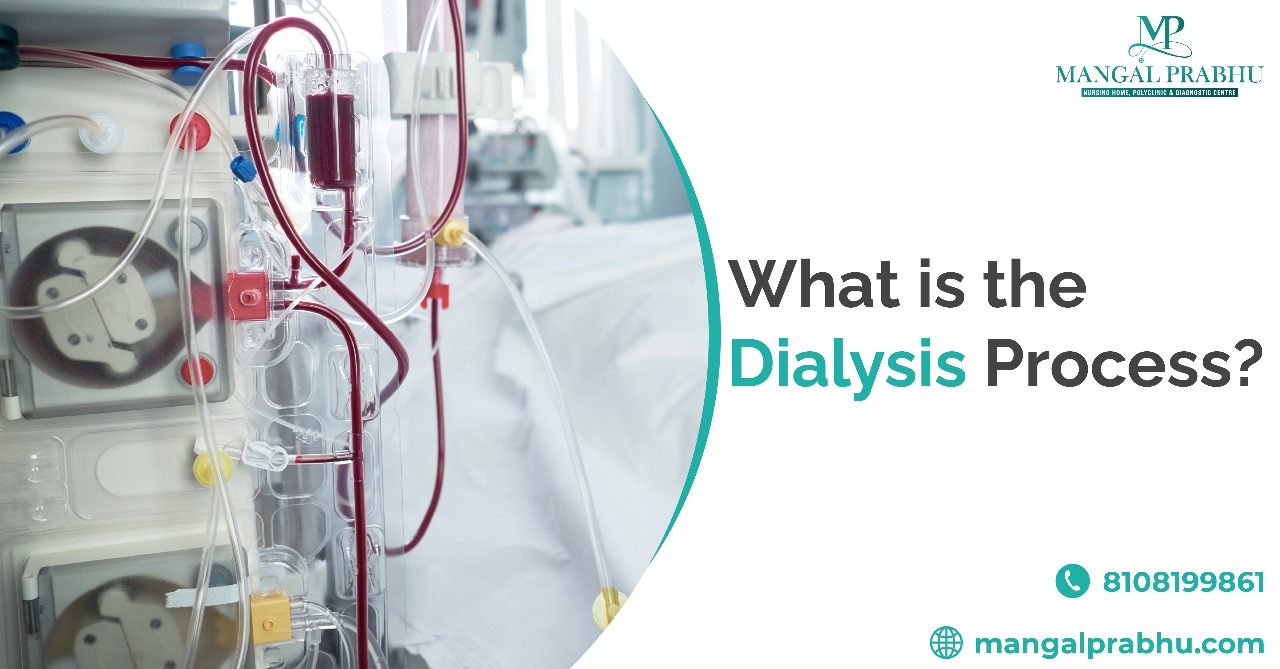
What is the Dialysis Process?
Those with failed kidneys can either get a kidney transplant or consider dialysis. The latter is an ongoing procedure, which does the work of your kidneys by filtering waste and excess liquid from your blood. The procedure is done at a dialysis center in Navi Mumbai and is considered an effective way to eliminate waste that might otherwise accumulate in your bloodstream. Patients whose 90% of the kidneys have stopped functioning are good candidates for dialysis. Let’s see the procedure, how it works, its types, and more.
Types of Dialysis
There are three main types of dialysis and each works in different ways, although the purpose of each is the same.
Hemodialysis
In hemodialysis, an artificial kidney filters your blood and returns it to your body after removing all the waste and fluid. The procedure is done 3 times a week and is usually a 3-4 hour procedure, which can be done at home or the dialysis center. Before you start dialysis, your healthcare provider will perform a small surgery to enlarge your veins so that it’s easier to insert a catheter into the veins, as well as, improve the blood flow in and out of your body.
Peritoneal Dialysis
Peritoneal dialysis filters waste from your blood through the tiny blood vessels in your abdominal lining. A special dialysis solution, containing minerals and glucose, is used to conduct kidney dialysis. The solution stays in your peritoneum overnight and the waste is collected in the dialysis solution. It can be drained into an empty bag within 60 minutes. The procedure must, however, be performed at least 4 times a day.
Benefits of Dialysis
- The procedure maintains an adequate level of calcium, potassium, and other minerals in your body.
- It’s quite effective in treating kidney failure and can do most of the job of a healthy kidney.
- Dialysis can be done at home while traveling, and when you are asleep. It’s convenient.
Risks and Complications of Dialysis
The most common risk of dialysis is the infection in the graft, which is implanted into your abdomen in peritoneal dialysis. Patients can contract peritonitis from the catheter. There’s also a risk of skin infection due to the catheter. People who choose peritoneal dialysis report excess fatigue due to the lack of protein and other nutrients. There’s also a risk of a hernia around the abdominal area.
Life After Dialysis
Life with dialysis is pretty normal. You can travel, eat, sleep, raise families, and work as usual as long as you get the dialysis treatment as and when required. You can consider self-dialysis by getting the dialysis machine and solution at home. It can also be done when you are asleep. However, dialysis is mostly seen as a temporary solution to replace your kidney function with artificial kidneys. You might eventually need to undergo a kidney transplant to ensure normal and healthy kidney function.
That was all about kidney dialysis and its types. See a kidney dialysis specialist in Navi Mumbai to learn more about the procedure and the risk factors.