
10 Most Common Pregnancy symptoms and how to manage them.
Pregnancy is an exciting time, but it can also come with a range of symptoms that can be uncomfortable or even painful. These symptoms can be caused by hormonal changes, changes in the body, and increased blood flow to the uterus.
According to one of the Gynaecologist in Navi Mumbai, here are some of the most common pregnancy symptoms and tips on how to manage them.
Most common pregnancy symptoms and tips on how to manage them:
1. Morning sickness:
Morning sickness is one of the most common symptoms of pregnancy. It usually occurs in the first trimester and can include nausea, vomiting, and fatigue. To manage morning sickness, it is important to eat small, frequent meals throughout the day, stay hydrated, and avoid foods that trigger nausea. Ginger and peppermint tea can also be helpful in easing nausea.
2. Fatigue:
Pregnancy can cause fatigue, especially in the first and third trimesters. To manage fatigue, it is important to prioritize rest and get plenty of sleep. Napping during the day and taking breaks when needed can also help.
3. Back Pain:
As the baby grows, it can put pressure on the lower back and cause pain. To manage back pain, it is important to maintain good posture, avoid standing or sitting for long periods of time, and use a pregnancy pillow for support when sleeping.
4. Constipation:
Hormonal changes during pregnancy can slow down digestion, leading to constipation. To manage constipation, it is important to drink plenty of water, eat fiber-rich foods, and stay physically active.
5. Swelling:
Pregnancy can cause swelling in the hands, feet, and legs. To manage swelling, it is important to stay hydrated, rest with your feet elevated, and wear comfortable supportive shoes.
Also Read: Breastfeeding And Your Sleep- How Do You Rest When The Baby Needs You All The Time?
6. Heartburn:
Hormonal changes during pregnancy can cause heartburn and acid reflux. To manage heartburn, it is important to eat smaller, more frequent meals, avoid spicy or acidic foods, and avoid lying down immediately after eating.
7. Mood swings:
Hormonal changes during pregnancy can cause mood swings and anxiety. To manage mood swings, it is important to practice self-care, prioritize rest and relaxation, and talk to a healthcare provider if symptoms persist.
8. Varicose veins:
Pregnancy can cause varicose veins, which are swollen veins in the legs. To manage varicose veins, it is important to stay physically active, avoid standing or sitting for long periods of time, and wear compression stockings.
9. Braxton Hicks contractions:
Braxton Hicks contractions are common in the third trimester and can feel like mild cramping or tightening of the uterus. To manage Braxton Hicks contractions, it is important to stay hydrated, rest when needed, and practice relaxation techniques like deep breathing.
10. Stretch marks:
As the baby grows, the skin can stretch and cause stretch marks. To manage stretch marks, it is important to stay hydrated, use a moisturizing lotion or oil, and wear clothing that is comfortable and not too tight.
Conclusion:
In conclusion, pregnancy can come with a range of symptoms that can be uncomfortable or even painful. However, with proper management and care, many of these symptoms can be minimized or eliminated. It is important to talk to a healthcare provider if you have any concerns or symptoms that persist.
A lot of people may be concerned with the expenses that come with healthcare needs, especially for pregnant women but there are centers now that are budget-friendly, an affordable pregnancy hospital in Navi Mumbai is known for efficient and advanced care with the moderate expense.
With the right care and support, pregnancy can be a happy and healthy experience for both you and your baby
Essential Health Screening After 40
People around the age 40 have highly demanding jobs, responsibilities of elderly parents and growing children or all of the above, and therefore it’s easy to ignore health aside, though unintentionally. But 40 is the time to evaluate your overall wellbeing, and to plan for the long-run. It is considered a milestone when the risk of many health conditions increases. It could be due to lifestyle habits, negligent of health due to busy schedules and responsibilities, stress factors or hereditary. With today’s advance technology, most of the health issues are detectable and curable if treated at the right time. And the only way to stay on top of it is adopting measures such as lifestyle enhancement and regular medical check-ups and follow-ups.
Health Issues after 40.
Health screenings are generally an essential aspect of preventative health for people of all ages but as we grow older, regular check-ups for various factors must be considered as a priority. Health Care Providers in a Multispecialty Hospital in Navi Mumbai has shared the conditions they often spot in patients of this age.
- Overactive bladder.
- Perimenopausal Symptoms.
- Kidney stones.
- Urinary tract and prostate infections.
- Food allergies.
- Osteoarthritis.
- High blood pressure.
- Erectile dysfunction.
- Skin cancer.
- Depression.
- Anxiety.
Health Screenings for Men of 40.
- Prostate checks.
Prostate cancer spreads slowly, and early detection usually lead to successful treatment. The two main screening exams for prostate cancer are:
- Prostate-specific antigen (PSA test).
- Digital rectal exam (DRE).
- Colonoscopy.
Colorectal cancer (CRC) accounts for a lot of death and disease all over the world and is especially on the rise in the West. According to experts in the matter, if a polyps/tumours found on colonoscopy is small then they are easily removable, and the disease is stopped at that moment. It is highly recommended to begin CRC screening at an earlier age especially if there is a family history of CRC.
- Cholesterol Check.
Cholesterol tests should be a standard part of annual health check-ups, since cholesterol is seen as a biomarker of potential disease.
- Blood Sugar Test.
Blood sugar testing, and monitoring for good health, is highly advisable as it is one of the risk factors for metabolic syndrome. Blood sugar testing alone can alarm the health care providers that there may be a problem in the person’s health.
- Electrocardiograms (ECG).
The ECG reads the electrical impulses of the heart, and many cardiac abnormalities can be detected from these tests.
- Bone density tests.
Low bone density leading to hip fractures is a major medical problem. It is recommended that men with any of the above risk factors must consult their doctor for treatment and care.
- Dental check-ups.
Dental health is an important part of an adult’s overall health and wellness and being negligent towards it can pave the way for several other diseases.
- Eye Exams.
Eye exams can spot early signs of many chronic eye diseases, many of which do not have early symptoms.
Health Screenings for Women of 40.
1.Body mass index (BMI)/obesity screening.
Your weight and height are measured to calculate your BMI. The higher your BMI, the more chance you have of developing heart disease, high blood pressure, type 2 diabetes, certain cancers and other diseases.
2. Depression screening.
A test consisting of series of questions is administered to determine if you’re depressed or at risk for suicide.
3. Alcohol, smoking and substance misuse screening.
A test consisting of series of questions is administered to determine amounts and frequency of use.
4. Blood pressure check.
If you have history of blood pressure issues in your family, you should keep track of it by regular check. The goal is to have a blood pressure lower than 130/80 as an adult.
5. Cholesterol screening.
A cholesterol screening (also called a lipid panel) is a blood test that measures the amount of cholesterol and triglycerides in your blood.
6. Diabetes screening as part of a cardiovascular risk assessment.
It involves checking the glucose level in your blood while you are empty stomach. If your blood glucose level is too high, a retest is done to confirm a diabetes diagnosis.
7. Mammogram screening for breast cancer.
Women should begin mammogram tests (it’s an X-ray of the breast) at age 40 every year to stay on top of the matter.
8.Pap test screening for cervical cancer.
It is a test that looks for any abnormal cells on the cervix, as well as for HPV (human papillomavirus) infection.
9.Eye and dental exams.
You should have eye exams at least every two years if you’ve reached the age of 40. Schedule dental cleanings and exams every six months, and be diligent about following dental care regime.
10.Human immunodeficiency virus (HIV) screening.
HIV should be tested regardless of sexual activity, lifestyle, age or gender.
Understanding Endometriosis, Causes & complications
Understanding Endometriosis
Endometriosis is a painful medical condition in which the tissues forming the lining of your uterus grow outside the uterus, i.e. either within the pelvic area or outside that. It makes your periods painful and can also lead to fertility issues in women.
These tissues are called the endometrium. Between every menstrual cycle, these tissues grow surrounding the wall of your uterus and shed if you don’t conceive. The same endometrium-like tissues can grow in other parts of your body, including your abdomen and chest. If you notice the below-listed symptoms of endometriosis, contact a gynecologist in Juinagar, Navi Mumbai for treatment.
Causes and Symptoms of Endometriosis
The main cause of endometriosis is still unknown, but researchers believe there’s a genetic connection. If your mother, grandmother, or other females from your family have a history of endometriosis, talk to your gynecologist about your risk. People also link it to the defect in your ovaries, fallopian tubes, and other pelvic organs.
A common symptom of endometriosis is mild or severe pain in your lower abdomen or lower back. Some women may not experience any symptoms at all, which explains why endometriosis is often left undetected in most cases. Here’s what you might experience.
- Extreme pain in your abdomen
- Abdominal pain during or before periods
- Painful sexual intercourse
- Extreme bleeding
- Infertility
The symptoms may vary from one person to another. Some people might experience extreme pain, while others may have no pain at all (despite the severity of the condition). Some might also experience pain in bowel movements during periods.
Treatment for Endometriosis
Your gynecologist will ask about your future pregnancy plans, age, and the severity of the condition to determine the most suitable treatment for endometriosis. The doctor might prescribe pain medication to relieve your symptoms, although that isn’t a permanent cure for endometriosis. Or, they might recommend hormonal therapy.
The best treatment for endometriosis is laparoscopic myomectomy surgery in Navi Mumbai with medications. However, endometriosis is a chronic condition that might return a few years after the surgery. How soon it returns depends on the severity of the disease.
So, consult your healthcare provider about the risk of its recurrence. Myomectomy is suitable for people with pregnancy plans for the future. If you are not planning any pregnancy, you can get laparoscopic hysterectomy surgery in Navi Mumbai for complete relief.
Complications of Endometriosis
Endometrial tissues that grow outside your uterus can lead to adhesions and scar tissues. This can make your period pain worse over time. Some women with endometriosis might experience fertility issues. There’s a possibility that endometriosis might disappear over time and the lesions and scar tissues that formed due to the endometrial lining can get smaller. This mostly happens when the level of estrogen in your body drops.
It’s best to discuss your health goals with a healthcare provider and work with them to manage endometriosis and its symptoms. Although it’s not a medical emergency, the condition can cause unbearable pain and complications like your pelvic organs sticking to each other or scar tissue formation. These symptoms can get unmanageable.
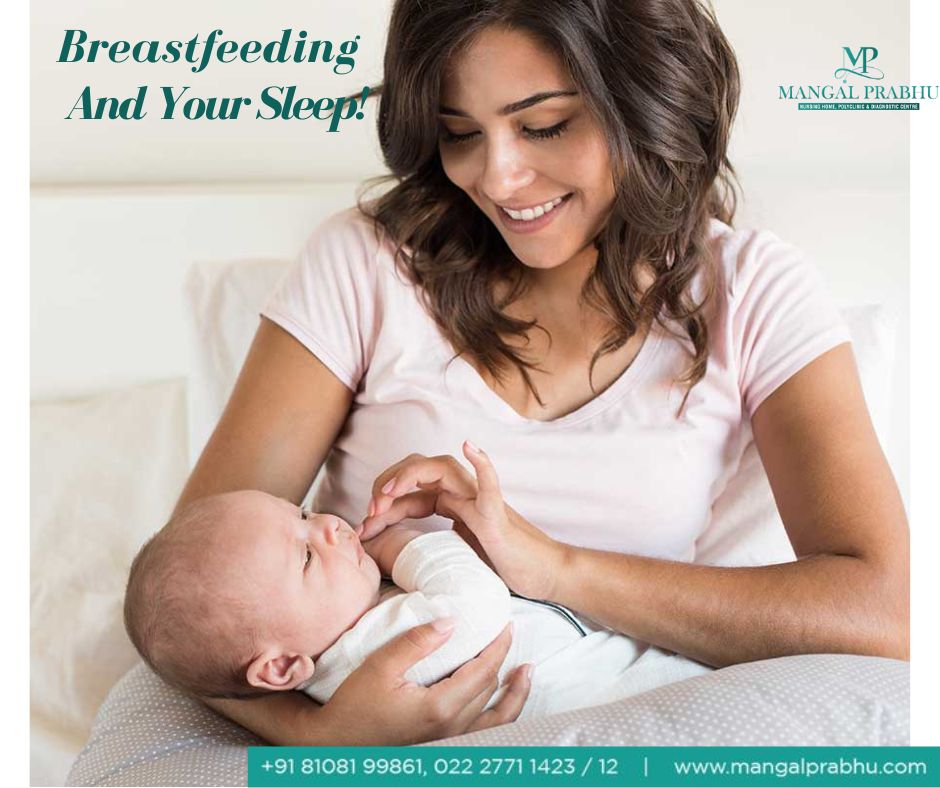
Breastfeeding And Your Sleep- How Do You Rest When The Baby Needs You All The Time?
Breastfeeding is a beautiful thing. It’s hard work, yes, but it’s also incredibly rewarding. Breastfeeding can make you feel amazing and help your body in so many ways, but there may be times when you feel like you’re doing everything right and still not getting enough sleep. Here are some tips for finding restful sleep while breastfeeding:
Tips for getting more sleep by gynecologist in Navi Mumbai:
- Try to go to bed each night at the same time.
- Have a relaxing bedtime routine, including reading books or listening to music before going to sleep, taking deep breaths while lying down and focusing on your breathing, keeping your room dark, and making sure there are no distractions like electronics and/or pets nearby that could disrupt sleep, such as televisions or phones ringing. If you’re not comfortable with this step, then try using an alarm clock instead of relying on the sun rising so that you can sleep through the night without having any interruptions from outside noise sources like traffic noise, which may wake them up during nap periods when they need the most restful rest breaks after lunchtime meals!
- Avoid caffeine after 2 pm because this makes people feel wired later in the afternoon, which interferes with falling asleep easily.
Most importantly, rest when and how you can!
When you’re breastfeeding, it can be difficult to get enough sleep. Your baby needs you all the time! But if you are getting a good night’s rest and still feel like you have so much energy, then try some of these tips:
- Try to get some sleep when the baby sleeps. They usually fall asleep around 7 pm or 8 pm and wake up around 6 am or 7 am (usually earlier if they suckle more). This means that you’ll usually have about 2 hours before your next feeding is due – this gives time for naps as well!
- If possible, try not to take naps during your breastfeeding times because this will affect how long both parties have left in bed together before their next feeding session begins again, which could lead them into exhaustion mode faster than normal (but don’t worry too much about this one).
Everybody is different, but these tips may help you find the right solution for your needs.
If anything is bothering your sleep at night, talk to your doctor about it so that they can help diagnose the problem and make sure that there isn’t anything more serious going on in your eyes or balance system.
We hope you found these tips helpful! We know it’s not easy to find the right balance between rest and breastfeeding, but we all have to find our own way. Any prob