
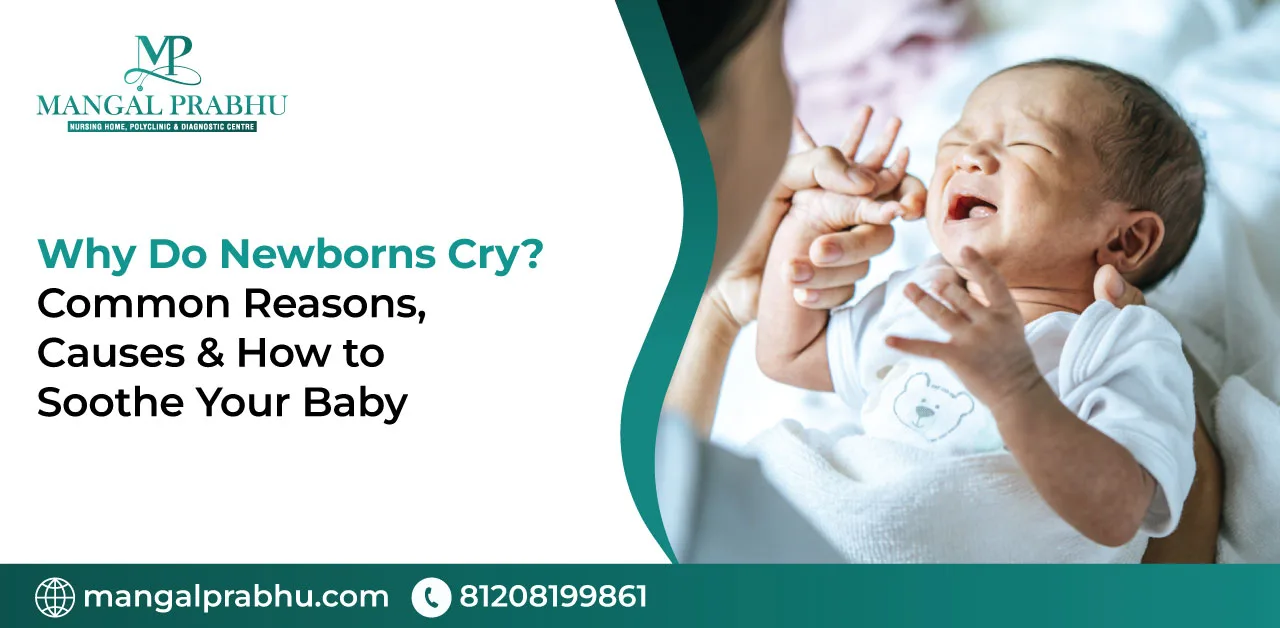
Why Do Newborns Cry? Common Reasons, Causes & How to Soothe Your Baby
Bringing your newborn home feels exciting unless you have to deal with the non-stop crying. New parents often worry about how they will recognize the reason their little one is crying. If this seems relatable, you aren’t alone.
Crying is normal. It’s your baby’s way to communicate their needs. The frequency of crying usually decreases once the baby grows older. Talk to a pediatrician in Navi Mumbai to learn more about how to calm a newborn and when crying may not be normal.
H2: Reasons Your Newborn Cries
Adjusting life with a newborn may already seem challenging. Add to that the constant crying without any obvious reason, and things become overwhelming. Here are some common reasons that might make your baby cry.
H3: They May Need a Feed
Newborns cry when they are hungry. They have tiny stomachs, so don’t be surprised if they want to be fed at short intervals. You can notice a difference in their crying for hunger with a “neh” sound.
Also, you may notice other clues, such as moving their mouth or head toward your breasts or bottle, sucking on their hands, and intense crying (especially when they are hungry for a while). There’s no strict feeding clock for a newborn. Offer them a feed as soon as you notice the early clues, such as lip-smacking or rooting, rather than waiting for them to cry.
H3: They May Have a Wet Diaper
Some babies may not care about wet diapers until it becomes super heavy. Others, however, may feel uncomfortable and start crying if their diaper gets wet or soiled. Take a few seconds to check their diaper before trying other things.
H3: They Could Be Too Hot or Cold
Your baby could be crying because they are too hot. Overheating occurs when you dress your baby in several layers, especially in warm temperatures. Likewise, you may want to turn the temperature on your AC up if they are too cold.
H3: They May Want to Burp
If your baby seems uncomfortable after a feed or doesn’t settle, it may be because they haven’t burped. They tend to swallow air when feeding from bottles or during breastfeeding. One way to release the air is by burping them. Hold them upright on your shoulder and gently pat their back.
H3: They Look for Comfort
Sometimes, babies cry when they want to be held, or feel closer to the mother. For babies that have spent nine months in the womb, the outside world may seem new. So, gently picking them up or holding them close to your chest can make a difference.
H3: They May Be Overstimulated
Newborns are learning to adapt to the new environment. Bright lights, loud noises, too many visitors, television, and too much activity can all make them overstimulated. Move them to a quiet, dimly lit room to see if they settle.
If they don’t stop crying or get consoled after trying all the above things, consider visiting a children’s hospital in Navi Mumbai, especially if crying appears with other symptoms, such as fever, poor feeding, low urine output, or vomiting.
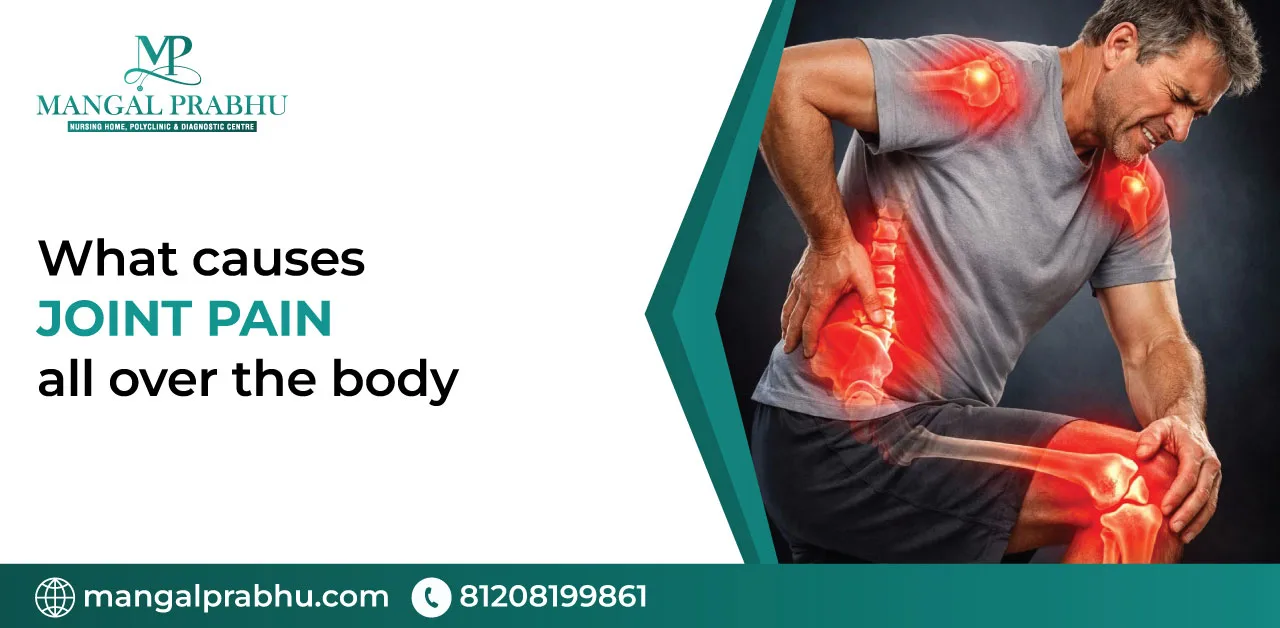
What Causes Joint Pain All Over the Body
Common causes of joint pain all over the body include viral infections, rheumatoid arthritis, gout, lupus, fibromyalgia, and osteoarthritis.
What Is the Best Age for Pregnancy? Understanding Fertility, Risks and Benefits
Motherhood brings a unique sense of happiness, gratitude, and thrill. But not every woman is ready to conceive in their early 20s or 30s. When you should start a family is totally your choice, but you can’t ignore the biological clock.
A gynecologist in Navi Mumbai recommends conceiving early in your reproductive age to ensure a smooth, uncomplicated pregnancy. But does that mean you can’t conceive after your 30s or an older age? Let’s find out.
Delayed Pregnancy
Some delay pregnancy because of educational or career goals. Some do not find the right partner at a young age. Others, unfortunately, get a diagnosis they never expected. Whatever the reason is, it’s best to discuss your pregnancy goals with a gynecologist to get a deeper understanding of your fertility status and fertility preservation options.
Age and Pregnancy: What’s the Connection?
You may wonder what age has to do with pregnancy. Technically, a woman can get pregnant once she starts menstruating until she goes into menopause. However, that doesn’t make 12-18 or 45 the perfect age to try getting pregnant.
Ideally, the 20s and early 30s are considered the best age to start a family, but that doesn’t mean you can’t conceive after 35. Age and fertility are closely connected. A girl is born with a certain number of eggs in her ovaries. The ovarian reserve keeps depleting as she ages. The count significantly decreases in the late 30s and early 40s.
Not only does the egg count decline, but quality also declines with advancing age.
Fertility in 20s
For most healthy couples, pregnancy chances are the highest in the early 20s. The risk of complications, such as gestational diabetes, high blood pressure, chromosomal abnormalities, and miscarriage, is generally lower than for women at an advanced maternal age.
However, it doesn’t mean pregnancy in the 20s is a smooth experience for every woman. Factors other than age can still affect your chances of conception or an overall healthy pregnancy. For example, endometriosis, PCOS, male-factor infertility, and thyroid disorders can affect couples at any age.
Fertility in Early 30s
The early 30s is also a reasonable age to consider pregnancy. Success rates are good. The biggest benefit is the personal and financial stability. Many women reach a point in their lives when they feel mentally and physically ready to start a family.
That said, fertility in the early 30s may be comparatively reduced compared to that in the 20s. Still, for most women, fertility doesn’t decline rapidly around this time.
Can You Get Pregnant After 35?
Gynecologists at a maternity hospital in Navi Mumbai may use the word “Advanced Maternal Age” for women who conceive after 35. Remember, age itself doesn’t always make a pregnancy high-risk. Besides, your fertility doesn’t change significantly on a specific birthday. Shifts in your ovarian reserve and egg quality are gradual. They occur over time and are more noticeable in the late 30s and early 40s.
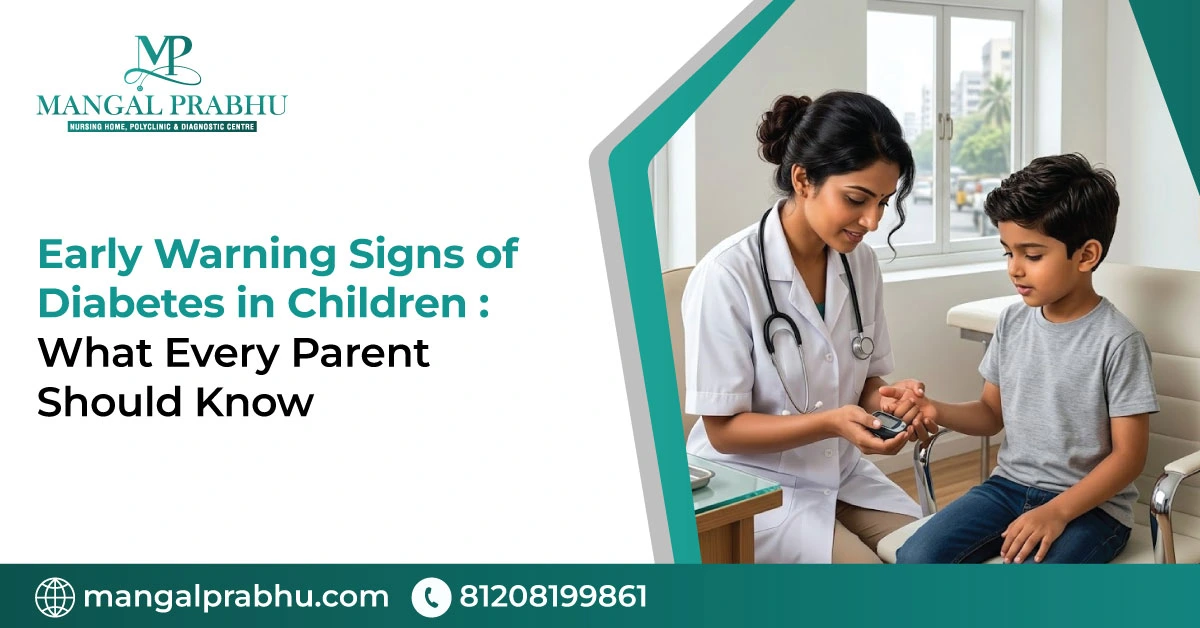
Early Warning Signs of Diabetes in Children: What Every Parent Should Know
It’s natural for parents to be worried when their child develops unusual symptoms. Passing urine frequently, excessive thirst, fatigue, or losing weight despite eating well can all seem like minor issues that may occur due to hot weather or mild illness.
However, sometimes, symptoms that seem subtle might be early warning signs of a chronic condition, such as diabetes. Take your child to a pediatrician in Navi Mumbai if you notice any unusual symptoms. Prompt medical attention is essential to prevent diabetes-related complications, such as diabetic ketoacidosis (DKA).
Signs of Diabetes in Children
Type 1 diabetes has become increasingly common in children. It’s when their body’s immune system attacks insulin-producing cells.
Some children and teenagers are diagnosed with type 2 diabetes, in which their body’s cells become resistant to insulin, or their pancreas does not produce sufficient insulin. Both are different conditions, requiring different treatments, but they share many similar symptoms.
1. Frequent Thirst
Too much sugar in your child’s bloodstream can make their kidneys work harder to remove it from the body through urine. This causes more fluid to leave their bodies, leading to dehydration and excessive thirst.
Frequent thirst, emptying water bottles faster than usual, or waking up frequently at night due to thirst deserve medical attention, especially if it’s been going on for many days without any obvious reason.
2. Frequent Urination
Diabetes can also increase urination frequency. If your child suddenly starts urinating more often, or the previously-toilet-trained kid starts wetting their bed for several days, it’s a sign to see a pediatrician.
3. Increased Hunger
Since glucose doesn’t reach cells, the body assumes that it’s not getting enough food, which leads to constant hunger. This can make your child feel hungry shortly after meals. If your child asks for snacks frequently, is eating more than usual, or is losing weight despite eating more, it’s time to schedule a visit to a children’s hospital in Navi Mumbai.
4. Unexplained Weight Loss
When the body’s cells do not get enough glucose from the bloodstream, they start using up muscles and fat for energy. This fat breakdown can result in weight loss and is quite common in children with type 1 diabetes. If your child appears thinner than before or has lost too much weight in a short period, without obvious changes in their eating habits, it can be an early sign of diabetes.
5. Constant Fatigue
Ongoing tiredness is not usually ignored in children. Children with diabetes get tired easily, are sluggish, or find it difficult to concentrate because their cells do not get enough glucose, which leads to lower energy levels. This especially raises concerns when excessive sleepiness or fatigue is accompanied by other diabetes symptoms.
Other Signs
Other more-obvious signs of diabetes include:
- Dark velvety patches of skin on the groin, neck, or elbow
- Fruity-smelling breath
- Frequent infections
- Wounds that heal slowly
- Blurred vision
Excessive drowsiness, rapid breathing, or constant vomiting are some warning signs that require immediate attention.
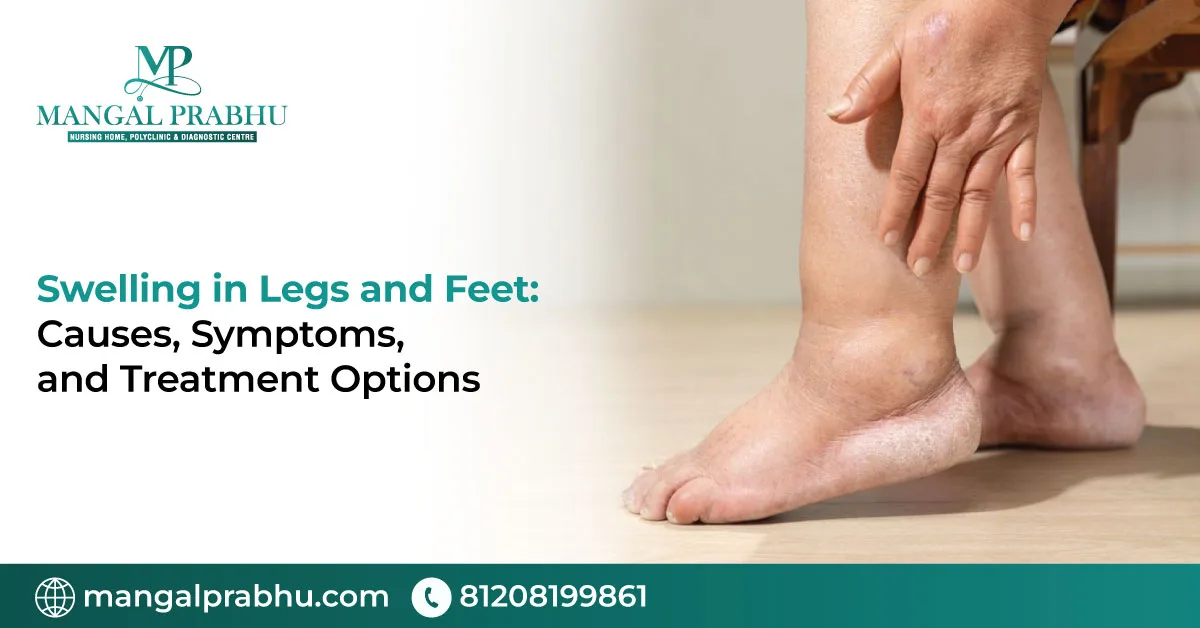
Swelling in Legs and Feet: Causes, Symptoms, and Treatment Options
Swelling in the legs is not uncommon after spending long hours on your feet or extended sitting. Sometimes, the feet become puffy or sore for no obvious reason and stay like that despite trying rest, elevation, and home remedies.
Not all leg or feet swelling are dangerous. However, sometimes persistent swelling, especially when accompanied by other unusual symptoms, can be a warning sign of an underlying condition. Knowing what’s normal and what requires an immediate visit to the multispecialty hospital in Navi Mumbai can help you make the right decision.
Causes of Swelling in Legs
Swelling occurs when excess fluid accumulate in the tissues in your lower limb. This can happen for many reasons.
1. Sitting or Standing for Hours
Long flights or jobs that require you to sit or stand in one position for several hours can lead to fluid accumulation in your lower limb. This causes swelling.
2. Pregnancy
Mild swelling in the lower limb is common during second and third trimesters. Increased blood volume, hormonal fluctuations, and the growing baby can all slow the fluid return from the lower limb to the heart.
This causes fluid retention, and thus swelling. Extreme and sudden swelling that occurs with severe headaches and vision changes require an immediate visit to the gynecologist, as these can be the signs of preeclampsia.
3. Venous Insufficiency
When valves of the veins are damaged, the blood, which should flow back toward the heart, collects within the veins. This causes pressure inside the veins, eventually leading to the fluid leaking into the nearby tissues, and thus swelling.
4. Injuries
Sprained ankle, a muscle strain, or fracture are other causes of swelling in the ankle and leg. An injury triggers an inflammatory response in your body, where excess blood and fluid move down to the injured area to support healing. This results in swelling, bruising, and pain.
5. Underlying Medical Conditions
Swelling can sometimes be a sign of heart, kidney, or liver diseases. Fluid can build up in your legs when the heart fails to pump blood effectively throughout the body or your kidneys’ ability to remove excess fluid and salt from the body is impaired.
Liver diseases, such as cirrhosis, can impair the liver’s function, including its ability to produce proteins that keep fluid in the blood vessels. This causes the fluid to leak, resulting in swelling.
6. Infections
Certain skin infections can cause swelling in the legs or ankles, along with redness, warmth, tenderness, and fever.
Treatment for Swelling in the Legs
The best treatment for swelling depends on the underlying causes. Mild swelling after a long flight will come down with movement and elevation. Compression stockings are great for those with venous insufficiency and varicose veins. They encourage gentle flow of the blood back to the heart.
For persistent swelling due to liver, kidney, or heart diseases, identifying and treating the underlying causes will often reduce swelling. Talk to an orthopedic doctor in Navi Mumbai if your swelling is persistent or exists with other symptoms.