
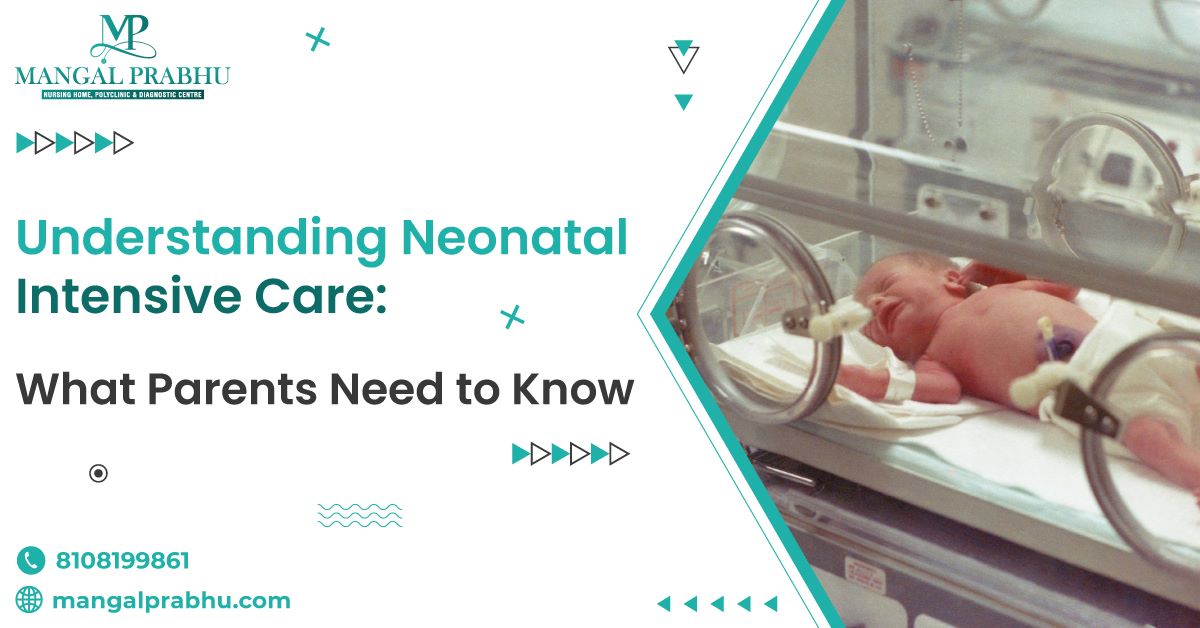
Understanding Neonatal Intensive Care: What Parents Need to Know
What is Neonatal Intensive Care, and why is it essential?
Neonatal intensive care, or NICU, is a rare medical unit that provides 24/7 care for newborns with extreme medical conditions. It is a nursery in a hospital that provides round-the-clock care for ill or preterm babies. It has healthcare facilities that give special training to give your baby the best care. You can visit Neonatologists in Navi Mumbai as they provide these facilities.
What to Expect When Your Baby is in the NICU?
NICU Hospital in Navi Mumbai provides intensive care for newborns facing medical challenges. Having a baby in Neonatal Intensive Care can be a formidable experience for parents. Knowing what to expect during this time can help relieve anxiety and encourage parents to participate in their baby’s care actively. Things to expect when your baby is in NICU:
- A team of skilled healthcare professionals will actively and closely monitor your baby’s progress. The Neonatologist, NICU staff, and professionals will provide round-the-clock care and check if your baby’s needs are met.
- You can expect an explanation of medical procedures and equipment that is being used.
- Their environment will focus on infection control and safety, like using hygiene protocols to protect the infants.
- Your baby’s stay in the NICU depends on their medical condition and response to treatment. It’s better to celebrate the event and stay comforted knowing that NICU is providing care for your baby.
- The NICU treatment can be emotionally challenging for almost every parent. Reach out to the NICU staff for support groups where you can connect with families that are facing the same experience.
Also Read: NICU And PICU: What Is The Difference?
How to Support Your Baby During Their Stay?
Parents find it challenging to have a baby in the neonatal intensive care unit/NICU. Parents also play an essential role in their baby’s development during this time. The List below explains some of the ways to support your baby during their stay:
- To connect through touch, like skin-to-skin contact, also known as kangaroo care. Kangaroo care has shown benefits for premature infants. Gently pulling your baby against your chest promotes bonding.
- Be an advocate for your baby; creating soft sounds can provide comfort.
- Bring familiar items like small toys or swaddles. Maintain routine and establish connections even in hard times.
Tips for Dealing with the Stress of Having a Baby in the NICU
- Educate yourself about the baby’s condition
- Try to celebrate milestones
- Write your thoughts as a therapeutic outlet
- Have patience, and remember that the journey may have ups and downs, and healing takes time.
Long-Term Outlook for Babies in the NICU
Babies that received exceptional care in the NICU from Mangal Prabhu Hospital have a confirmed long-term outlook. Advanced and comprehensive interventions have improved chances of healthy growth and thriving in their future attempt.
Conclusion
Understanding NICU is essential for parents facing the challenging journey of having a baby in critical condition. Mangal Prabhu Hospital provides specialized medical care and a dedicated healthcare team to support newborns. Parents play an essential role in their baby’s recovery by being involved in their care.

NICUs and PICUs: What is the Difference?
Newborns are incredibly fragile and require intensive care, especially pre-term-born children. To ensure that your child doesn’t face any health-related concerns in their early years of development, there are neonatal care units in every hospital.
There are two intensive care units—NICU and PICU—for children. They share some similarities. The terms are also used interchangeably, but they are different. In this post, we’ll explore these neonatal care units and how NICU Doctors in Navi Mumbai offer the best care to your little ones.
What is NICU in Hospital?
When a baby lives inside the mother’s womb, they get their nutrients, oxygen, and blood supply through the placenta. A lot of things change when they are delivered. Some newborn babies require intensive medical care 24/7 because of complications during delivery or their low weight.
Neonatal Intensive Care Unit is for newborns that are born pre-term, weigh lower than 5.5 pounds, and are born with health issues. The unit comprises a team of professional healthcare providers and nurses that specialize in offering medical care to newborns. The system is equipped with the latest medical technology that monitors children throughout the day.
Pre-term babies are highly likely to spend the first few days in the NICU. It’s advisable to get to the NICU Hospital in Navi Mumbai that have a dedicated unit for newborn intensive medical care. This is especially important for women with complicated pregnancies.
What is PICU in Hospital?
Pediatric Intensive Care Unit (PICU) is for children who need specialized care. PICU is for kids that are a few months old and above. A child is admitted to the PICU when they are diagnosed with a critical illness that requires specialized care with regular monitoring, or if they get into an accident.
A child that experiences asthma and is facing difficulty breathing is admitted to the PICU. simply put, all kinds of pediatric issues that put the infant’s life in danger require a pediatric intensive care unit. Once the child gets the necessary treatment and their condition is stabilized, they will be sent back to the regular hospital or home.
Difference between NICU and PICU
Both NICU and PICU are for children, but the former is for newborns that need protection from germs and other contamination. These intensive care units have all the necessary equipment and trained medical staff that monitors the infant’s condition 24/7 and handle emergencies immediately.
PICUs are not for newborns. Even if the hospital where you have delivered the child has only the PICU, the healthcare specialist will recommend you transfer the kid to a hospital with a NICU facility. The biggest and only difference between NICU and PICU is the age.
Different Levels of Care at NICU
The level of care at the NICU is classified into different types, based on gestational maturity and weight. Babies weighing less than 1800 grams need level third care, while those born with a weight less than 1200 grams and are born before 30 weeks require level 1 care.
For neonates who need intensive medical care, the Neonatal Intensive Care Unit (NICU) offers specialized care. There are various levels of care available within the NICU, each catered to the unique need of each newborn.
Level I:
NICUs provide basic care for healthy babies, helping with feeding and keeping track of vital signs. They are often located in community hospitals.
Level II:
NICUs can provide moderately unwell newborns with care and a higher degree of assistance, including specialized tools and more sophisticated monitoring systems.
Level III:
Neonatal intensive care units (NICUs) are typically found in tertiary care facilities and offer comprehensive treatment for severely ill or preterm infants. These units have access to highly qualified medical staff, cutting-edge equipment, and surgical interventions when necessary.
To assure the greatest results for the most vulnerable babies, these units are equipped to manage complicated medical issues and offer round-the-clock care.
Conclusion:
In conclusion, NICUs and PICUs cater to distinct age groups and medical needs. NICUs focus on providing intensive care for newborns, especially premature or severely ill babies, while PICUs offer comprehensive care for newborns, young children, and teenagers up to age 18. Understanding these contrasts enables families to make informed decisions regarding their child’s level of care.
7 Reasons Your Baby May Need NICU Care
A neonatal intensive care unit (NICU) is a specialized medical unit that provides intensive care for premature or critically ill newborn infants. The NICU is designed to provide advanced medical care for newborns who require specialized attention due to a variety of medical conditions.
In a NICU hospital in Navi Mumbai, a team of highly trained healthcare professionals, including neonatologists, the best pediatricians in Navi Mumbai, nurses, respiratory therapists, and other specialists works together to provide comprehensive care for the newborns in the unit.
Why is the NICU important?
The NICU is equipped with specialized medical equipment, such as incubators, ventilators, and monitors that continuously monitor the newborn’s vital signs, including their heart rate, breathing rate, blood pressure, and oxygen levels. This equipment is used to help support the baby’s development and manage any medical condition they may have.
Newborns who require NICU may have a variety of medical conditions, including prematurity, respiratory distress syndrome, sepsis, congenital heart defects, and other complex medical issues. It also provides support and education for families, including guidance on feeding, care, and development.
Families are encouraged to participate in their baby’s care and to be actively involved in decision-making regarding their baby’s medical treatment. Overall, the NICU plays a critical role in providing specialized medical care and support for newborns who require intensive medical care.
Also Read: Breastfeeding And Your Sleep- How Do You Rest When The Baby Needs You All The Time?
A baby may be admitted to the NICU for a variety of reasons, including:
1. Prematurity:
Babies who are born before 37 weeks of gestation are considered premature and may require NICU care. Premature babies may have underdeveloped organs and systems, making them more susceptible to complications such as respiratory distress syndrome, sepsis, and feeding difficulties.
2. Respiratory Distress:
This can occur in babies who have difficulty breathing on their own, which may be due to underdeveloped lungs, infections, or other respiratory issues that may require NICU care for treatment with antibiotics and monitoring.
3. Birth Defects:
Some babies are born with congenital abnormalities, such as heart defects, neurological disorders, or other genetic conditions, which require specialized care in the NICU.
4. Low Birth Weight:
Babies who weigh less than 5.5 pounds at birth may require NICU care to support their growth and development.
5. Hypoglycemia:
Newborns who have low blood sugar levels may require NICU care to monitor their blood sugar levels and provide treatment.
6. Jaundice:
This is a common condition in newborns, where their skin and eyes may appear yellow due to high levels of bilirubin in their blood. In severe cases, babies may require treatment with phototherapy, which involves exposing the baby’s skin to a special light to break down the bilirubin.
7. Meconium Aspiration:
Sometimes babies may pass stool (meconium) while still in the womb and inhale it into their lungs during delivery. This can cause breathing difficulties and require NICU care.
Conclusion:
Overall, the NICU provides specialized care for newborns who require intensive medical attention due to various medical conditions, and the length of stay depends on the severity of the baby’s condition and their response to treatment.