
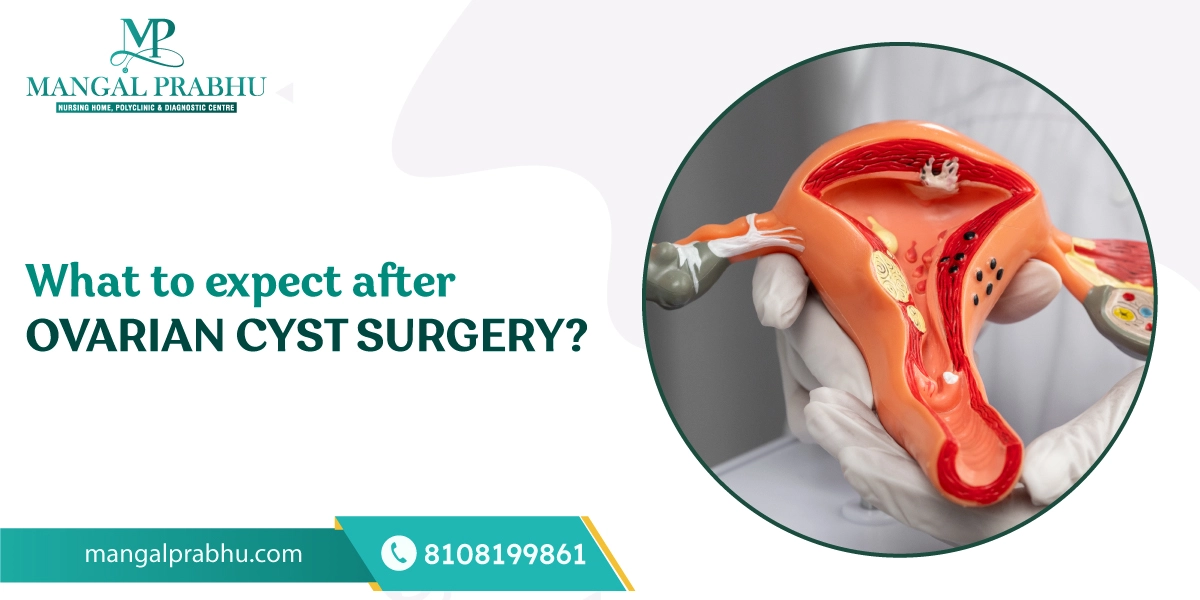
Ovarian cystectomy is a surgical removal of the fluid-filled pouches that form on or in the ovaries. While small cysts are common, larger ones (above 7 cm) might require surgical removal. A gynecologist in Navi Mumbai will explain what to expect after ovarian cyst surgery. If you are wondering what recovery after cystectomy is like, this post is for you.
Immediately After Surgery
Since cystectomy is a major surgery, you may need to spend a night or two in the hospital for monitoring. How long you stay in the hospital also depends on whether you have had an open surgery or laparoscopic cystectomy.
Your surgeon will watch your urine output, stools, blood pressure, and other vitals. Pain and bloating are normal after cystectomy. You will be given pain-relief medication to minimize discomfort. The surgeon closes the incision with staples, stitches, or glue. You may need to have them removed if they are not dissolvable.
How Soon Can You Recover Fully After Cystectomy?
Your recovery after the surgery depends on the type of procedure, your age, health, and lifestyle. In the first week after surgery, you are advised to take short walks to improve circulation and prevent constipation and blood clots.
Pain usually subsides by the third or fourth week. You can resume light activities, but don’t indulge in heavy lifting or other strenuous exercises yet or until your doctor gives you the go-ahead. Complete recovery may take 6 weeks in open surgery and around 4 weeks if you’ve had a laparoscopic removal of the cyst.
Tips for Faster Recovery
Before you get a discharge from the gynecological surgery hospital in Navi Mumbai, the surgeon will explain recovery instructions. Here’s what’s advised for most patients:
- Do not take a shower, sit in bathtubs, or practice swimming without asking your doctor first.
- Keep the incision site clean and dry.
- Sexual intercourse is not advisable until 4-6 weeks after surgery. Remember, your body has not healed internally yet. So, any activity that can strain the surgical site should be avoided.
- Eat foods rich in fiber for normal bowel movements.
- Drink plenty of fluids.
- Use a pillow or other lightweight items for support when coughing or sneezing.
- Rest as much as your body needs, but do not stay in bed all day. Light movements can help with recovery.
- Take your pain-relief medication and antibiotics (if prescribed) following the recommended dosage.
- Arrange for a drive home after surgery.
- Ask a friend or a close one to help you with household chores for the first week.
Warning Signs after Ovarian Cyst Surgery
Seek immediate medical support if you notice any warning signs.
- Fever exceeding 100.4°F
- Pain around the incision that doesn’t improve with medication
- Swelling or discharge from the incision
- Chest tightness and pain
- Heavy bleeding
Ovarian sacs are fairly common, especially in women of reproductive age. You may not even know you have them until they are detected in ultrasounds or other routine pelvic tests.
Some cysts, however, might grow large enough to cause pain and discomfort. Although less common, the cysts can become cancerous, requiring surgery. Follow the above tips to ensure a faster recovery after cystectomy.