
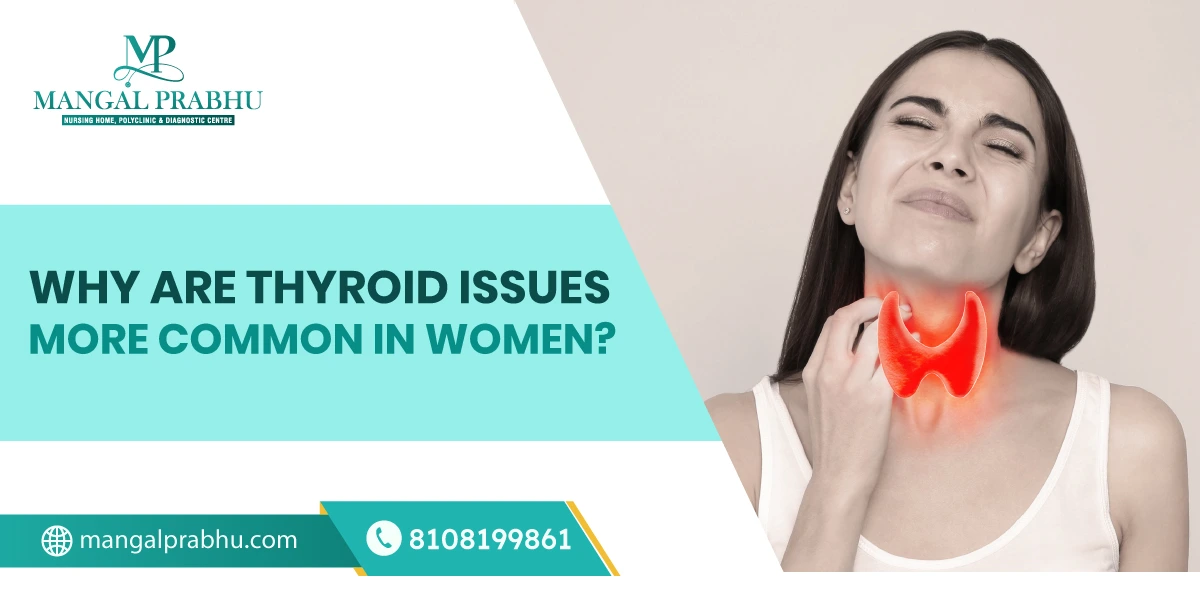
Certain medical illnesses are more prevalent in women than in men. Thyroid imbalance is one such example. According to the National Library of Medicine, women are 5-20 times more likely to develop thyroid disorders compared to men.
Thyroid issues affect your metabolism and might also interfere with pregnancy. The question is, why are most thyroid patients who visit a multispecialty hospital in Navi Mumbai women? Let’s find out.
What is Thyroid?
The thyroid is a small butterfly-shaped organ that regulates your metabolism, body temperature, mood, and growth. If it doesn’t function properly, it may produce either excessive or very little thyroid hormones. This can affect your hair health, mood, temperature, and periods.
Reasons Why Thyroid Issues are More Common in Women
1. Hormonal Fluctuations
A woman goes through hormonal fluctuations during puberty, menstruation, pregnancy, postpartum, and menopause. Estrogen is considered a vital hormone in regulating thyroid balance. Its imbalance can increase your risk of having thyroid dysfunction.
Besides that, the workload on your thyroid surges when you are pregnant. The increased demand can sometimes lead to thyroid disorders during pregnancy.
2. Autoimmune Response
Some thyroid problems, such as Graves’ disease, can affect your thyroid hormone. It can trigger an overproduction of the hormones, resulting in hyperthyroidism. Graves’ disease is an autoimmune disorder.
Many issues that affect thyroid production are linked to autoimmune disorders, a condition in which the immune system targets the body’s own healthy cells and tissues. Women tend to have a stronger immune system, which also makes them more prone to autoimmune disorders that can disrupt their thyroid function.
3. Genetic Factor
If you have a family history of thyroid issues, you are at an increased risk of getting them, as genetics affect your likelihood of developing certain illnesses. This risk is more prominent in women, as genes linked to autoimmunity are more active in women, making their bodies more susceptible to thyroid disorders.
4. Stress
Stress produces cortisol and adrenaline, the two hormones that help you deal with emergencies. However, when the stress is persistent or turns into a chronic health condition, it starts to interfere with your hormone function. It can also affect your thyroid gland.
Since women have a comparatively more active autoimmune system, consistent stress can worsen. Besides, excessive stress can cause inflammation, which can harm your thyroid gland.
5. Nutritional Deficiencies
For your thyroid gland to function normally, it requires certain nutrients, including Iodine, Selenium, Zinc, Vitamin D & B12, and Iron. If your diet doesn’t consist of foods rich in these nutrients, your risk of developing thyroid disorders increases.
Women are more likely to have nutritional deficiencies. For example, iron loss can occur during menstruation. During pregnancy, a woman’s nutritional requirement increases to support the growing baby. They are more susceptible to iron and iodine deficiencies around this time.
When their diet lacks the essential nutrients for thyroid production, they might develop hypothyroidism.Contact a thyroid specialist in Navi Mumbai to learn more about hyperthyroidism and hypothyroidism and how they affect your health.